Generator Load Management in Fort Pierce
Generator load management in Fort Pierce lets a standby generator power the air conditioner, fridge, and essentials without buying a bigger unit, for homes in Fort Pierce South and Hutchinson Island, ZIPs 34950 and 34951 — a smarter way to stay cool through a hurricane-season outage, 24/7.
A generator that is too small for the whole house can still run the whole house — just not all at once. Generator load management watches the load and sheds non-essential circuits when demand peaks, so the air conditioner and the essentials keep running while the generator stays inside its limit.
What generator load management is
Generator load management is the system that decides which circuits run when the generator is powering the house. It watches how much power the generator is producing, and when the load approaches the limit it sheds circuits that can wait — a water heater, a pool pump, a second air conditioner — so the circuits that matter keep running. The shedding is automatic, and the circuits come back in priority order when the load falls. Our generator installation team fits load management alongside the generator, so the two are sized together rather than bolted on later.
The idea is simple: a house rarely runs everything at once. The air conditioner cycles, the water heater reheats in bursts, the pool pump can wait an hour. Generator load management in Fort Pierce turns that natural staggering into a system, so a 14 kW or 20 kW standby generator can cover a house that would need a 26 kW unit if everything ran at once — and the house still feels normal during the outage.
How load shedding works during an outage
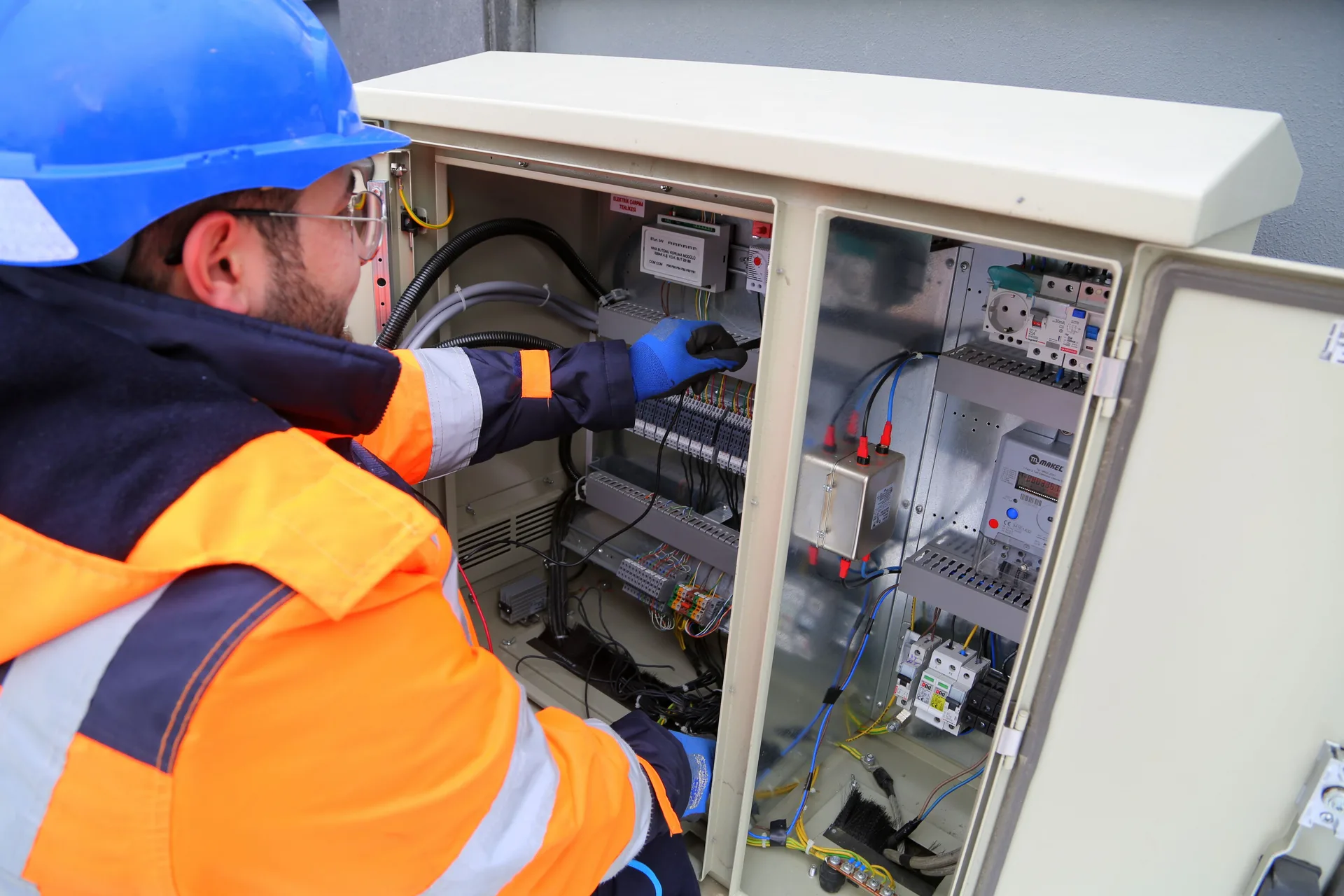
When utility power fails, the automatic transfer switch starts the generator and moves the house onto it. Load management then takes over: it measures the generator's output and compares it with the load, and when demand rises past a set point it opens the shed modules on the lowest-priority circuits. The air conditioner keeps running, the fridge stays cold, and the shed circuits wait. As soon as the load drops, the modules close again in priority order, so a water heater reheats once the air conditioner cycles off.
The shedding is silent and invisible — no switches to flip, no decisions to make in the dark. A load shed module sits between the panel and the circuit it controls, and it can be set to shed at a chosen load level and to return after a set delay. That delay matters: it stops the water heater from coming back the instant the air conditioner starts again, which is how the system avoids a cycle of shedding and returning.
Ready to talk?
Which circuits get shed first — and which never do
Essential circuits never shed: the fridge and freezer, medical equipment, well pumps where they exist, and the lights and outlets the household depends on. The air conditioner usually sits at the top of the essential list in Fort Pierce, because a house without cooling in a hurricane-season outage is not a house you can stay in. The generator sizing guide explains how the essential load is worked out before the generator is chosen.
The first circuits to shed are the ones that can wait: electric water heaters, pool pumps, electric ovens, second air conditioners, and electric vehicle chargers. A water heater holds its temperature for hours, a pool pump can run later, and an oven can wait until the air conditioner cycles off. The priority list is set with the homeowner before the system is fitted, because the right order depends on who lives in the house and what they cannot lose.
Load management vs a bigger generator
The honest comparison is cost and fuel. A bigger generator costs more to buy, more to install, and more to fuel — and it still wastes fuel when the load is light, because a generator running at a quarter of its capacity burns more fuel per unit of power than one running at half. Load management lets a smaller generator run at its efficient range more of the time, and the saving on the generator itself usually covers the load management system several times over.
There are limits. Load management cannot create power that is not there, and a house with a large essential load — two big air conditioners, a well pump, and medical equipment — still needs a generator sized for that load. The sizing visit works out the essential load first, then decides whether load management closes the gap or whether the generator simply needs to be bigger. Load management is the right answer when the gap is a few circuits that can wait, not when the essential load itself is larger than the generator.
Load management and transfer switches
Load management lives between the transfer switch and the panel, and the two have to be fitted together. The automatic vs manual transfer switch guide explains how the switch moves the house onto generator power, and load management is the next layer: once the house is on generator power, it decides which circuits run. A manual transfer switch can pair with load management too, but the shedding only helps once the generator is running, so the two are usually fitted as a pair on an automatic system.
An interlock kit is different again: it lets a portable generator feed selected circuits through the panel, and the circuits are chosen by hand at the panel. The transfer switch vs interlock guide explains the difference, and the key point for load management is that an interlock has no automatic shedding — the homeowner is the load manager, and the load is whatever circuits they switch on.
Ready to talk?
What changes the cost of load management
Three things set the cost: how many circuits are shed, whether the transfer switch already has load management built in, and how the modules are wired. Some automatic transfer switches carry load management as a built-in feature, and adding a shed module is a small job. A system fitted to an existing generator and switch needs modules wired into the panel, which takes longer — and the exact price is confirmed on the call once the generator and the switch are known. No price is quoted here, because the range depends on the house.
The other cost to weigh is the generator itself. A load management system that lets a 20 kW generator cover a house that would otherwise need a 26 kW unit saves more than the system costs, and it saves fuel on every outage after that. The sizing visit puts both numbers on the table — generator plus load management against a bigger generator — so the choice is made with the real figures, not a guess.
How a load-management visit runs, step by step
The visit starts with the generator and the switch: make, model, output, and whether the switch already has load management. Then the essential load is listed — air conditioner, fridge, lights, medical equipment, well pump — and the circuits that can wait are listed alongside it. The electrician checks the panel for space and the circuits for shed modules, then sets the priority order with the homeowner.
Fitting is usually a single visit: modules wired into the panel, the priority order set, and the system proved with a simulated outage. The proof is the part that matters — the generator is started, the house moves onto it, the air conditioner is run, and a shed circuit is loaded until it drops off and returns on schedule. The panel upgrade team checks the panel capacity at the same time, because a panel that is already full may need an upgrade before modules can be added.
Fort Pierce notes: air conditioning loads and hurricane season
In Fort Pierce the air conditioner is the load that decides everything. A central air conditioner draws its biggest surge at startup, and that surge is what trips an overloaded generator — which is why load management sheds other circuits before the air conditioner starts, rather than after. Homes with two air conditioners usually shed one during an outage and keep the other, and the priority order is set so the living areas stay cool while a bedroom unit waits.
Hurricane season is when the system earns its keep. An outage that lasts days is not a single evening without power, and a generator that runs efficiently for days matters more than one that can start everything at once for an hour. The generator size estimator gives a starting point for the size, and the visit turns that estimate into a fitted system with the shedding order your house needs.
Why call Fort Pierce Electric Pros for load management
Load management is sizing and wiring together, and both have to be right for the system to work when the power goes out. Our electricians are licensed and insured, with 23 years of experience and Master Electrician Certification, and the visit is available 24/7 with same-day service across Fort Pierce. Call (772) 218-3629 with your generator make and model, and the visit will bring the modules that match it.
Frequently asked questions
What is generator load management?
Generator load management is the system that decides which circuits run when the generator is powering the house. It watches the generator's output and sheds non-essential circuits — water heaters, pool pumps, second air conditioners — when demand peaks, so the air conditioner and the essentials keep running. The shedding is automatic, and circuits return in priority order when the load falls.
Can load management let me buy a smaller generator?
Yes, when the gap is circuits that can wait. A house that would need a 26 kW generator if everything ran at once can often run on a 20 kW unit with load management, because the air conditioner, the water heater, and the pool pump rarely all run at the same moment. The sizing visit works out the essential load first, and load management closes the gap only when the essential load itself fits the generator.
Which circuits should be shed first?
Water heaters, pool pumps, electric ovens, second air conditioners, and electric vehicle chargers shed first, because they can wait an hour without anyone noticing. The fridge, freezer, medical equipment, lights, and the main air conditioner never shed. The priority order is set with the homeowner before fitting, because the right order depends on who lives in the house and what they cannot lose.
Does load management work with a manual transfer switch?
It can, but the shedding only helps once the generator is running, so it is usually fitted as a pair with an automatic transfer switch. A manual switch needs the homeowner to start the generator and move the switch by hand, and an interlock kit has no automatic shedding at all — the homeowner is the load manager. An automatic switch plus load management is the combination that needs no one at home.
How much does generator load management cost?
The cost depends on how many circuits are shed, whether the transfer switch already has load management built in, and how the modules are wired. A module added to a switch that already supports it is a small job; modules wired into an existing panel take longer. The exact price is confirmed on the call once the generator and the switch are known. Call (772) 218-3629 for your exact price.
Will load management work with my existing generator?
Usually yes, if the generator and the transfer switch can talk to the shed modules. The visit checks the generator make and model, the switch, and the panel for space, then confirms which modules fit. If the switch is too old to support load management, the visit will say so and quote the switch change rather than forcing a module that cannot work. Have the generator make and model ready when you call.
Ready to talk?