
Generator Installation in Fort Pierce, FL
Backup power that keeps your essentials running around 34945 and 34981 — sized from your list of what must stay on, not from house size alone.
Tell us what must stay on in an outage, and what fuel is available at your address.
What is generator installation?
Generator installation fits a fixed standby unit outside your home that starts on its own when utility power fails and feeds the circuits you chose through an automatic transfer switch. Call (772) 218-3629 and tell us what must stay on and whether your fuel is natural gas or propane.
The provider you are connected with is the one who sizes the unit, sites the pad, and agrees the circuits with you. A generator installation in Fort Pierce, FL starts with one question, and it is not about brands. It is about what must keep running when the grid goes down. If you already own a portable backup generator, tell the provider: the conversation changes when automatic changeover is the goal.
Signs a generator belongs on your list
- A past outage left you without power for days, not hours.
- Someone at home depends on powered medical equipment.
- The fridge, freezer, and air conditioning all die together in every outage.
- You already own a portable generator and run the house on extension cords.
- Working from home means an outage costs you the whole day.
- An existing standby unit will not start on its weekly exercise run.
Generator installation at a glance
What’s included
- Essential-circuits list first — that list sets the size
- Size and fuel chosen for your home, pad and gas line agreed
- Transfer switch wired in, full load test, inspection booked
Benefits
- Power that starts on its own when the utility fails
- Only the circuits you chose, fed through an automatic transfer switch
- Hurricane-season cover for the loads that matter most
Who it’s for
- A home that needs the essentials running through an outage
- A household planning around hurricane season
- A home choosing between gas and propane supply
Generator installation in Fort Pierce, FL: options compared
Three setups cover most homes, and the honest choice depends on how long your outages run and what you refuse to lose.
| Option | When it fits | What to know |
|---|---|---|
| Whole-house standby | You want the house to carry on as normal | Largest unit, automatic changeover, highest scope |
| Essential-circuits standby | You want the important things on, not everything | Smaller unit, chosen circuits only, lower scope |
| Portable generator | Short outages, a few essentials, tight budget | You start it, fuel it, and plug loads in by hand |
A whole house generator installation in Fort Pierce is the top row of that table, and it is worth naming honestly: it costs more because it covers more. Some callers describe the same goal as a whole home generator; either way, the circuit list decides the size. Many homes land happily on the middle row, with the fridge, lights, fans, internet, and one air conditioner on the list, and the rest left off. Write your list before you call, and the sizing conversation gets much shorter.
Cost and what changes the price
Sizing sets the price more than any other single choice, so a quote without a load list is a guess. After size, the levers are fuel type and gas-line length, transfer-switch type, panel work, pad and placement, and permit and inspection. A whole-house scope means a bigger machine, a bigger pad, and a bigger fuel supply.
How generator installation runs, step by step
- Essential list. You decide what must run in an outage, and that list sets the size.
- Size and fuel. Generator size is set from the list, with gas or propane chosen for your home.
- Permit and pad. Paperwork is filed, the pad goes in, and the gas line and placement are agreed.
- Install and test. Transfer switch wired in, full load test run, and inspection booked.
Walk the pad location before work starts. Clearance, airflow, noise, flood height, and hurricane anchoring all shape where the unit can sit, and moving a pad after the gas line is in is the kind of rework nobody wants. A standby generator installer in Fort Pierce should talk through placement with you, not just pick a corner.
Want backup power for the next outage? Call and list what must stay on.
Fort Pierce notes: hurricane season, salt air, and the utility split
Fort Pierce outages are storm outages as often as anything else, and that changes what a generator has to survive. The unit sits outside through the same weather that caused the outage, so anchoring, flood height, and clearance are not paperwork details — they decide whether the machine is still standing and running when you need it. That is what storm-ready home power means in practice: a machine that still starts after the weather that caused the outage. Salt air adds slow corrosion to outdoor equipment, which is one more reason the weekly exercise run matters: it catches a dead battery or a fault before the storm does.
Which utility serves your address must be checked by address: Fort Pierce Utilities Authority (FPUA) inside Fort Pierce, and Florida Power & Light (FPL) outside the city. A Generac installation in Fort Pierce follows the same steps as any other standby install, and the Generac page linked below covers that brand specifically. Home backup power like this also pairs with surge protection, since storms bring surges as well as outages.
Before you agree: a short decision checklist
- Ask for a written price before work starts, naming the size and circuits covered.
- Ask whether the quote is whole-house or essential-circuits, and what is left off.
- Ask what fuel the unit uses, and how long the gas line run is.
- Ask whether the switch is automatic or manual, and what that means at 2 a.m.
- Ask who handles the permit, pad, and inspection, and what the full timeline looks like.
- Ask what upkeep the unit needs, and who to call when the exercise run fails.
- Ask what the home generator system includes: unit, switch, pad, gas line, and monitoring, or only some of those.
Fort Pierce Electric Pros homepage · Generac generator installation · Automatic transfer switch installation · Whole-house surge protection · Electrician in Fort Pierce North · Electrician on Hutchinson Island
Fuel, transfer, and upkeep: the choices that shape the job
Fuel is the first fork. A standby unit can run on natural gas or propane, but which fuel is available at an address is a property question, not a preference: gas service depends on the street, and propane needs tank space and delivery access. Ask the provider to confirm fuel availability at your address before sizing anything.
Transfer is the second fork. An automatic transfer switch moves the home onto generator power on its own when utility power fails. A manual transfer switch or an interlock kit needs someone to operate it, and both are safer than extension cords run through windows. Never connect a portable unit to the house wiring without a proper transfer device: backfeeding can injure utility workers and damage equipment.
Upkeep is the third fork. A standby unit exercises itself on a schedule, and that exercise cycle, plus battery condition, is what keeps it ready. Ask what maintenance the unit needs across a year: oil and filter checks, battery checks, and a load test under real load, plus what happens if the unit fails its exercise run.
Generator installation in pictures
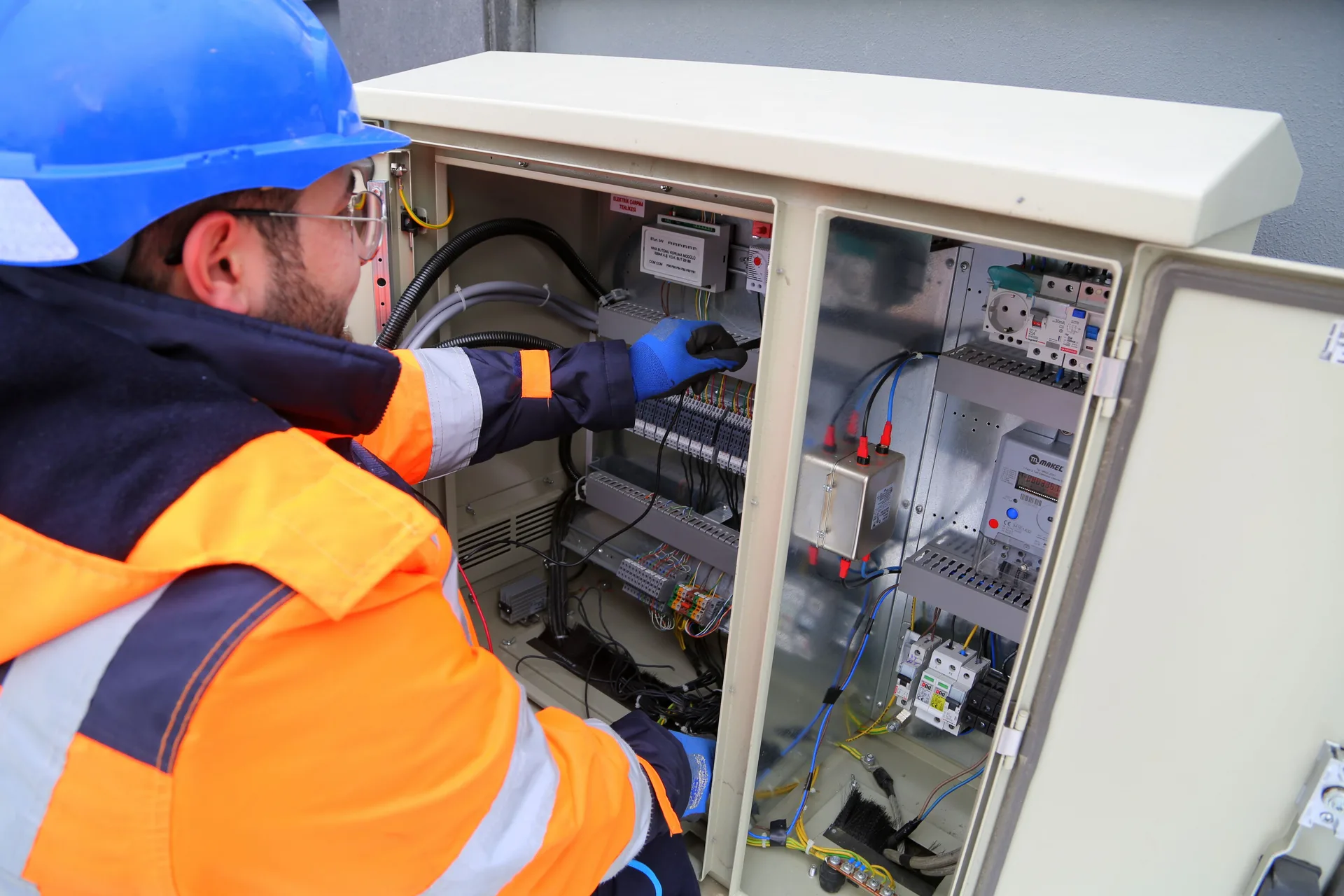
Start-up day: what the handover should leave you with
The install is not finished when the unit is bolted down: a complete handover runs a full load test on the circuits you chose and walks you through controls, disconnect, and the exercise routine. Keep that routine in writing, and read our generator maintenance guide for exercise runs, batteries, and oil checks.
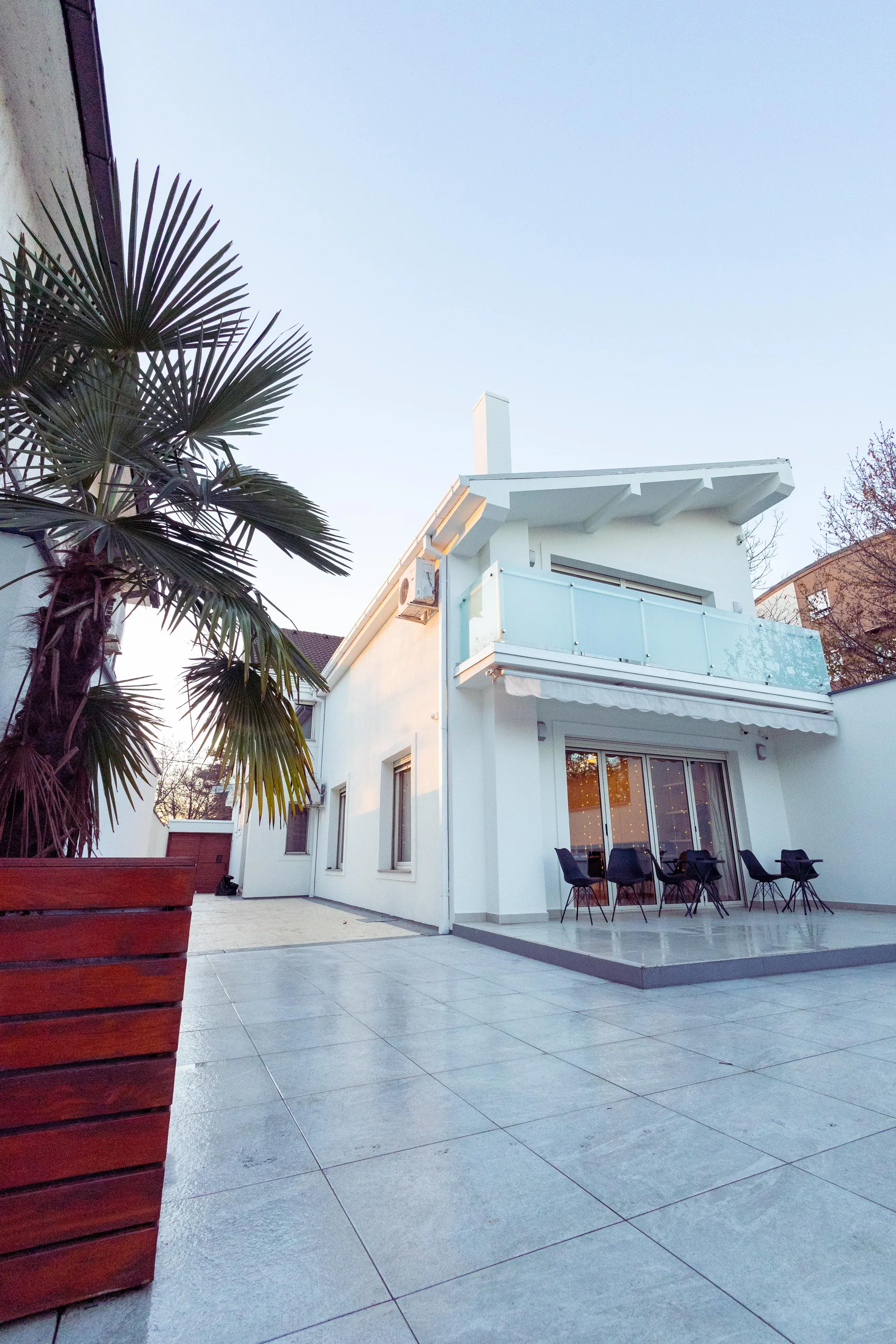
From proposal to sign-off: the generator install process
It starts with your essential-circuit list — what must stay on when utility power fails — and that list, not house size alone, sets the unit size, fuel use, and scope. The Generac sizing guide walks through the list in full.
Frequently asked questions about generator installation in Fort Pierce
What size generator does my house need?
The list of circuits you want running in an outage sets the size, not the size of the house alone. Write down what must stay on: fridge, lights, fans, internet, and medical equipment, then decide whether air conditioning joins that list. A provider adds up the running load, allows for the surge when the largest motor starts, and sizes the unit from that list. Guessing from square footage alone usually ends too big or too small.
Standby vs portable generator — which is right?
A standby generator sits outside, starts on its own when power fails, and feeds chosen circuits through a transfer switch. A portable generator is smaller, cheaper, and moved by hand, but it powers only what you plug into it and needs you there to start and refuel it. If outages here mean days without power, or someone at home depends on powered equipment, standby is usually the serious option.
How does an automatic transfer switch work?
The switch watches your utility supply. When power fails, it starts the generator, waits for it to settle, and moves your chosen circuits onto generator power without you touching anything. When utility power returns and stays stable, it moves the circuits back and shuts the generator down. That automatic changeover is what makes standby power work while you are asleep or away.
How long does generator installation take in Fort Pierce?
The on-site install itself is usually a short job once approvals are in place, but the full timeline is longer. Permits, inspections, and scheduling all sit in front of the install day, and pad work, gas lines, and panel work each add their own step. Ask the provider to lay out the full timeline, not just the install day, so you know what waits on what.
How much does generator installation cost in Fort Pierce?
Sizing sets the price more than any other single choice, so a quote without a load list is a guess. After size, the figure moves with fuel type and gas line length, the transfer switch type, panel work, pad and placement, and the permit and inspection. Ask for a written price that names the size, the circuits covered, and the switch type, so two quotes can be compared fairly.
What maintenance does a standby generator need?
A standby unit exercises itself on a schedule, but that weekly run is a check, not a guarantee. Oil, battery, filters, and exercise logs still need attention, and a unit that will not start on its exercise run is telling you something before the next outage does. Ask the provider what upkeep the model needs, how monitoring works, and who to call when the exercise run fails.
Natural gas or propane: how do I choose for a standby unit?
Start with what serves your address. Natural gas depends on the street's gas service, while propane needs tank space and delivery access on the property. A provider should confirm fuel availability before sizing the unit, since the fuel choice changes the installation work and the running arrangements. Ask what happens if the fuel supply is interrupted during a long outage, and how much fuel the unit uses under load.
Want backup power before the next outage? Call and start with your essential-circuits list.