
How to Size a Generac Generator in Fort Pierce, FL
Sizing a Generac generator starts with a list, not a house size: which circuits you want powered during an outage, what each one draws while running, and what the largest motors draw when they start. This guide walks through that list and explains why the air conditioner decides the size.
Sizing a Generac generator means listing the circuits you want powered, adding their running watts, then adding the largest motor's starting watts, usually the air conditioner. List must-run circuits before comparing sizes. Call (772) 218-3629 and tell us your air conditioner size, fuel type, and which circuits must stay on during an outage.
Need an electrician in Fort Pierce? Sizing a Generac? Call and tell us what must stay powered and your current service size.
Step 1: decide what gets backed up
The first decision is the biggest one. Essential-circuit backup covers what matters most during an outage: refrigerator, lights, fans, internet equipment, a few outlets, and sometimes one air conditioner. Whole-home backup covers everything as normal, including all air conditioning, laundry, and kitchen loads. Whole-home backup needs a substantially larger generator and fuel supply, so most homes start with essential circuits and add the air conditioner as a separate decision.
| Choice | What it powers | Generator size | Best for |
|---|---|---|---|
| Essential circuits | Refrigerator, lights, fans, internet, selected outlets | Smaller | Most homes, lower cost |
| Essential circuits plus AC | Above, plus one air conditioner | Medium — AC starting watts decide | Homes that need cooling in an outage |
| Whole home | Everything as normal | Largest | Homes that want no change during an outage |
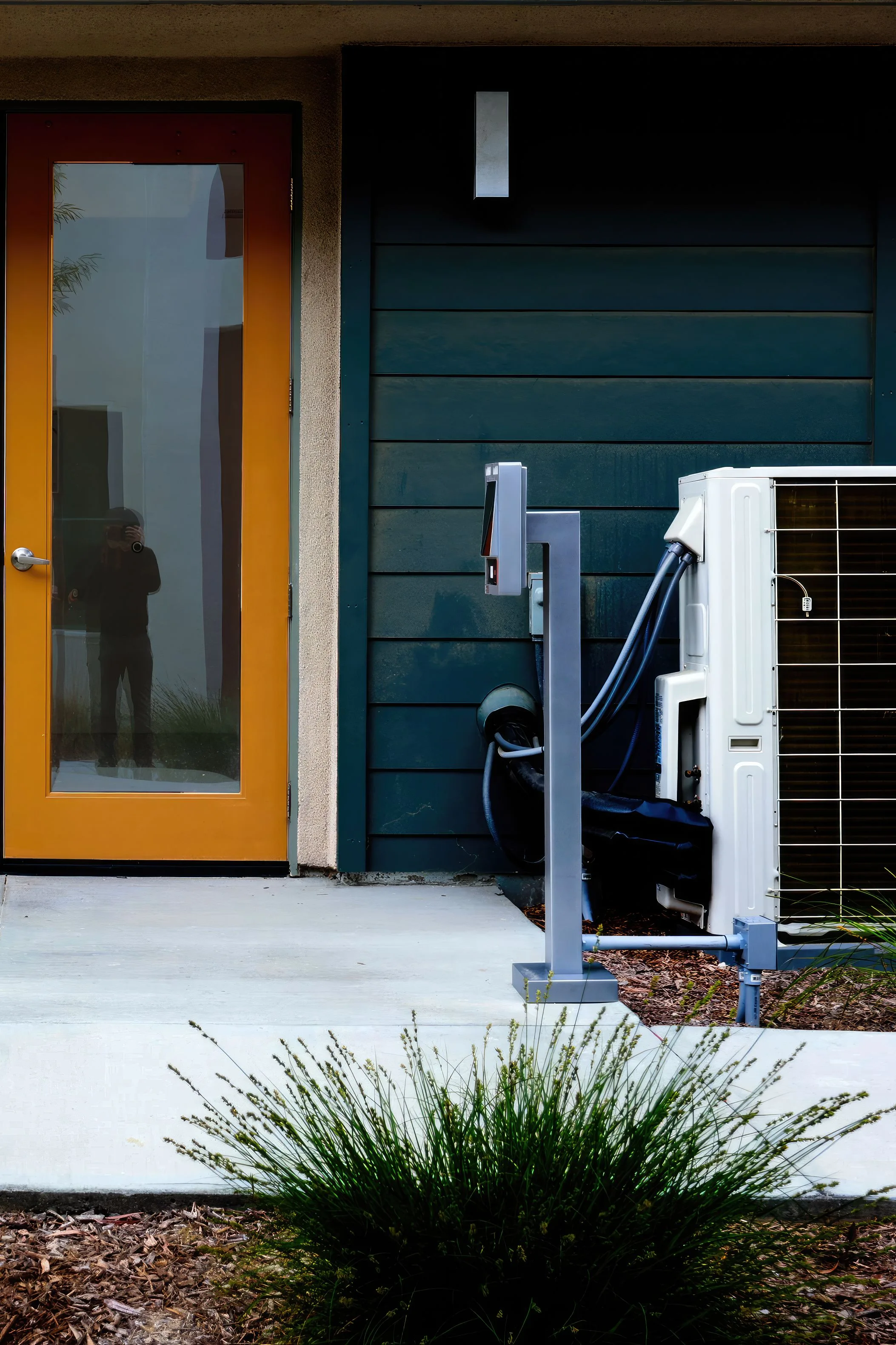
Sizing starts with what the home must keep running, then adds the largest starting load on top.
Step 2: add running watts, then starting watts
Running watts are what each appliance uses while it runs. Starting watts are the surge a motor draws for a moment when it starts, often two to three times its running watts. Air conditioners, well pumps, and refrigerators all have starting surges, and the largest one usually sets the generator size. A generator sized only on running watts will stall or trip when the largest motor starts, so starting watts must be in the calculation.
- List every circuit you want backed up, with its appliance.
- Note running watts for each, from the appliance label or manual.
- Note starting watts for each motor load, especially air conditioning.
- Add running watts together, then check the largest starting surge on top.
Why the air conditioner usually decides the size
Central air conditioning is the largest motor load in most Fort Pierce homes. Its starting watts alone can exceed the running watts of every other essential circuit combined. That is why the air conditioner question — on backup power or not — swings generator size more than any other choice. If the answer is yes, the generator must be sized to start it. If the answer is no, a much smaller generator can cover the rest of the home, and portable fans and a smaller backup plan may be enough.
How generator sizing works
Step 1: list the circuits to back up. Step 2: add running watts. Step 3: add the largest starting watts, usually air conditioning. Step 4: choose the generator that covers the total, with fuel and transfer switch sized to match.
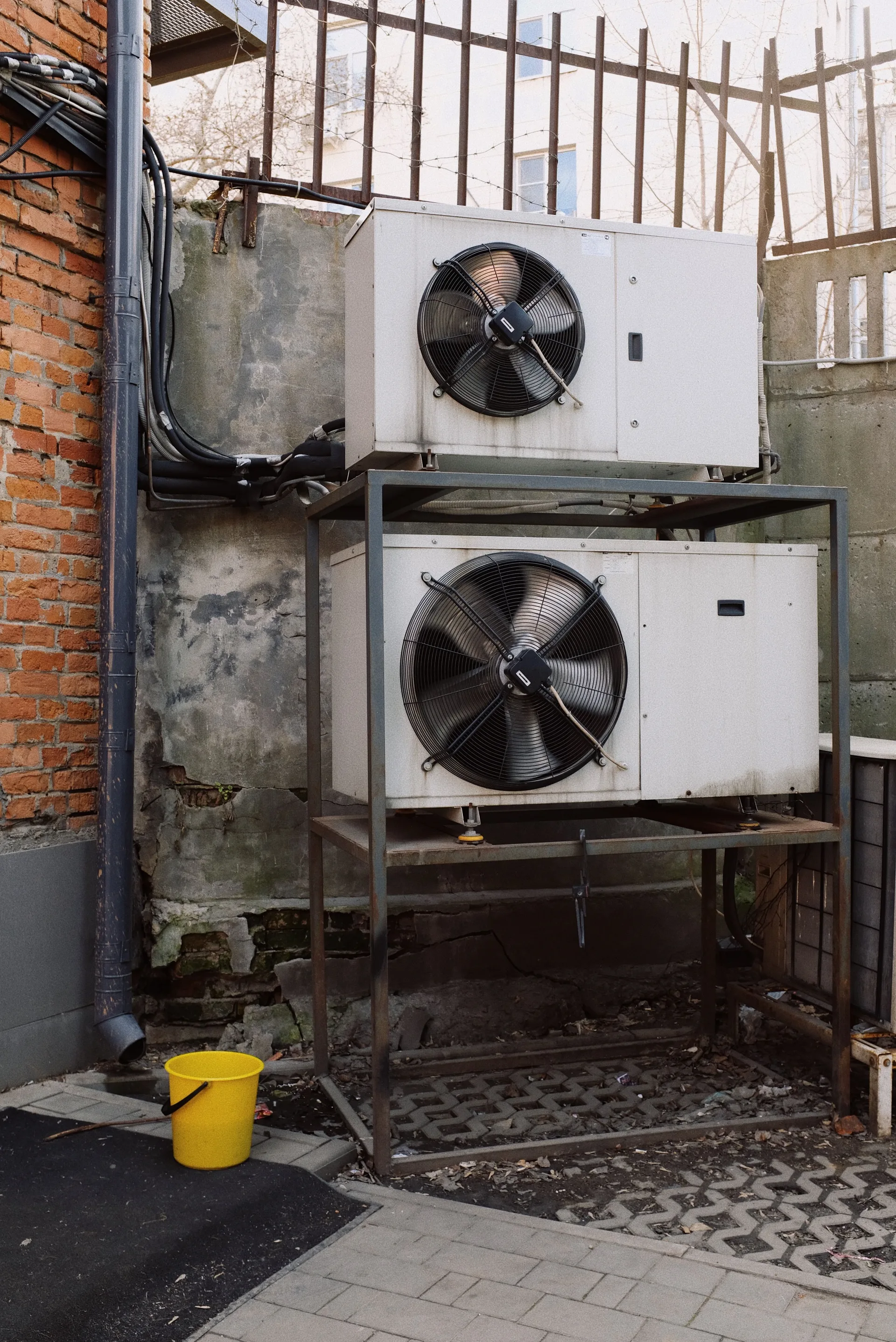
The air conditioner usually decides the generator size, because its starting load is larger than its running load.
Fuel, transfer switch, and placement
Fuel, transfer switch, and placement are part of sizing, not afterthoughts. Fuel type depends on what is available at the home, and propane tank size or gas line capacity can limit what a generator can run and for how long. The automatic transfer switch must be sized for the circuits it backs up, and it is what makes standby power automatic. Placement affects noise, access for service, and clearance from the home — a provider should confirm all three during the site assessment, not after the generator is ordered.
Common sizing mistakes
- Sizing from house size or square footage alone, without a circuit list.
- Counting running watts only and forgetting starting watts.
- Adding every circuit to backup power, then being surprised by the generator size and cost.
- Forgetting fuel: a generator that cannot run long enough for a real outage is undersized in practice, whatever its watt rating.
- Skipping the panel check: a generator installation may need panel or transfer switch work that sizing alone does not show.
Essential circuits versus whole-home backup at a glance
Essential circuits: refrigerator, lights, fans, internet, selected outlets — smaller generator. Plus AC: add air conditioner starting watts — medium generator. Whole home: everything as normal — largest generator and fuel supply.
What changes the cost
You will not find a price quoted here, because generator cost depends on size, fuel setup, transfer switch, panel work, placement, and permit and inspection coordination. A smaller essential-circuit system and a whole-home system are different jobs with different scope. A provider should price your specific circuit list, fuel setup, and panel after a site assessment, not from house size alone.
The sizing formula, worked plainly
Competitor sizing guides all use the same arithmetic, and writing it out removes most sizing arguments. Add the running watts of everything you want powered at the same time. Then add the largest single starting surge on top, counted once, not once per motor, because motors rarely all start in the same second. Then leave headroom above that total and choose the next standard generator size above it, rated on the fuel you will actually use. A generator that only just covers the total on paper has no room for a second motor starting, a hot Florida afternoon, or a load you forgot to list.
Three adjustments change the answer after the arithmetic. First, fuel: the same model can deliver less power on natural gas than on propane, so the rating that matters is the rating on your fuel, not the headline rating. Second, heat: output falls on very hot days, and a Fort Pierce summer outage is exactly when that matters, so a provider should account for it rather than sizing from a cool-day rating. Third, load management: a load manager or a soft-start kit on the air conditioner can let a smaller generator start that motor without stalling, which sometimes avoids a larger unit altogether, but that is a provider decision based on your panel and your air conditioner, not an add-on to guess at. Finally, bedroom count does not size a generator. A three-bedroom home with a large air conditioner, electric cooking, and electric water heating needs a very different generator from a three-bedroom home with a small air conditioner and gas appliances, which is why the circuit list, not the floor plan, is the sizing document.
In short, how to size Generac generator capacity is a circuit-list calculation, not a house-size guess, and the question behind it is what size generator for house backup you actually need.
Related services
Generator installation in Fort Pierce · Panel upgrade in Fort Pierce · EV charger installation in Fort Pierce · Electrical inspection in Fort Pierce · Whole-house surge protection in Fort Pierce · All services
If you are working out how to size a Generac generator for your home, a sizing calculator can give you a rough starting point, but it cannot see your panel, your fuel supply, or which circuits you actually want backed up. What size generator for your house do you actually need? Generac sizing starts with that list, and a home backup load calculation is simply adding up what you want running at once, in starting watts and running watts. Use this post as your generator sizing guide for the decision, including whole house generator size thinking — whether you back up a few essentials or the whole home. That is why the next step after any calculator is a provider conversation — and Generac generator installation in Fort Pierce is the page that covers that installation decision.
Load management: when a smaller generator still covers the air conditioner
Load management is the middle path between essential circuits only and whole-home backup. A load manager watches how hard the generator is working and briefly pauses a lower-priority load, such as an electric dryer, while a larger motor starts. That pause is what lets a mid-size unit start an air conditioner without being sized for every appliance running at the same second.
This only works if your priorities are honest. List the loads that must never pause, such as refrigeration and medical equipment, separately from loads that can wait a few minutes. Tell a provider that split when you call, along with your air conditioner size and fuel type, so the sizing conversation starts from your real outage needs.
Need an electrician in Fort Pierce? Sizing a Generac? Call and tell us what must stay powered and your current service size.
Frequently asked questions
What size Generac generator do I need for my home?
It depends on what you want powered during an outage: a few essential circuits, or the whole home. Essential-circuit backup needs a smaller generator than whole-home backup, and the difference is large. The right size comes from listing the circuits you want backed up, adding their running watts, and adding the starting watts of the largest motors, usually air conditioning. A provider should size from your actual list, not from house size alone.
What is the difference between running watts and starting watts?
Running watts are what an appliance uses while it runs. Starting watts are the higher surge it draws for a moment when its motor starts — often two to three times its running watts for air conditioners, well pumps, and refrigerators. Starting watts matter most for sizing, because a generator that can run your loads but cannot start your air conditioner will stall or trip when the air conditioner kicks in.
Should I back up essential circuits or the whole home?
Essential-circuit backup powers what matters most — refrigerator, lights, fans, internet, a few outlets, and sometimes one air conditioner — and needs a smaller generator and a smaller fuel supply. Whole-home backup powers everything as normal and needs a larger generator, a larger fuel supply, and a higher cost. Most homes choose essential circuits, with the air conditioner as the decision that swings the size most.
Does my air conditioner decide the generator size?
Usually, yes. Central air conditioning is the largest single motor load in most Fort Pierce homes, and its starting watts often set the generator size on their own. If you want the air conditioner on backup power, the generator must be able to start it. If you leave the air conditioner off backup power, a much smaller generator can cover the rest of the home.
What fuel does a Generac standby generator use?
Standby generators commonly run on natural gas or propane, depending on what is available at the home and what the generator model supports. Fuel availability, tank size for propane, and gas line capacity all affect the installation, so a provider should confirm fuel before sizing is finalized. Fuel type depends on your address and setup.
Do I need a permit for a generator installation?
In general terms, Florida Building Code 105.1 requires a permit before installing, altering, or replacing a regulated electrical system, and a generator installation with a transfer switch falls in that category. Whether the City of Fort Pierce or St. Lucie County handles your permit depends on your exact address. A provider should handle permit, utility, and inspection coordination as part of the job.
What is an automatic transfer switch, and do I need one?
An automatic transfer switch watches grid power and, when it fails, starts the generator and switches the home to generator power on its own, then switches back when grid power returns. It is what makes standby power automatic rather than manual. A standby generator installation normally includes one, sized for the circuits it backs up. Portable generators use a different setup and are a separate question.
How long does a generator installation take, and what should I plan for?
Timing varies with panel work, gas or propane work, placement, and permit and inspection scheduling, so no single timeline is promised here. Plan for a site assessment first, then installation, then inspection and testing. Your provider should confirm the timeline for your home, including any panel upgrade or transfer switch work that the sizing shows is needed, before work starts.
Need an electrician in Fort Pierce? Call now and describe the problem.