
EV Charger Installation in Fort Pierce, FL
Charge at home overnight around 34949 and 34982 — a dedicated Level 2 circuit sized to your car, your panel, and where you park.
Tell us your car, your panel size, and where you park.
What is EV charger installation?
EV charger installation gives your car its own dedicated Level 2 circuit, wired to a charger where you park, after a panel check and load calculation. Call (772) 218-3629 and tell us your car, your panel size, and where you park.
The provider you are connected with is the one who checks your panel, walks the cable route, and agrees the charger and circuit with you. An EV charger installation in Fort Pierce, FL should never start with a charger picked from a catalog. It should start with your panel.
Signs you need a dedicated EV circuit
- You charge from a standard outlet and the car is never ready in the morning.
- A breaker trips when the car charges alongside the air conditioner, dryer, or pool pump.
- You run an extension cord to the car, or share a circuit with other heavy loads.
- A new EV is on the way and the garage has no circuit for it yet.
- Your panel is full, or you are unsure whether it can carry another large load.
EV charger installation at a glance
What’s included
- Panel check and load calculation before a charger is chosen
- Cable route and charger position walked and agreed
- Breaker, wiring, and charger install, then a test charge and walkthrough
Benefits
- Your car’s own dedicated Level 2 circuit
- Charging where you park, sized to your panel
- Inspection where required, and a walkthrough of how the charger works
Who it’s for
- A home adding its first EV charger
- A panel that needs a capacity check before new load goes on
- A driver moving from a standard outlet to a dedicated charger
EV charger installation in Fort Pierce, FL: options compared
Four choices shape the job, and each one suits a different home. Compare them on your own parking spot and panel, not on what a neighbor installed.
| Option | When it fits | What to know |
|---|---|---|
| Hardwired Level 2 charger | Your own parking spot, charging every night | Usually the fastest home option and holds up well outdoors |
| NEMA 14-50 outlet | You want a portable charger, or may move | Lets you take the charger with you; charging speed depends on the unit |
| Load management | Panel tight but the car charges overnight | Shares capacity so a full panel upgrade may wait |
| Panel upgrade first | Load calculation shows no room at all | New capacity, then the charger circuit on top |
An EV charger installer in Fort Pierce will usually ask about your car, your daily miles, and where you park, before naming a charger. Those three answers, plus the panel check, narrow the table above to one sensible row. A home EV charging station in Fort Pierce is only as good as the circuit behind it, so a charger chosen before the panel check is a guess, not a plan. Good home charger installation starts with the panel check and ends with a test charge, not with a unit picked online.
Cost and what changes the price
The honest answer on cost comes after the panel check, not before it. What moves it is panel capacity and condition, cable length and route, charger type, and permit and inspection steps. Ask for a written price after the panel check and the cable-route walk.
How EV charger installation runs, step by step
- Panel check. Load calculation and capacity first, before a charger is chosen.
- Route and place. The cable route and charger position are walked and agreed, from panel to parking spot.
- Install. Breaker, wiring, and charger unit go in on the agreed route.
- Test and handover. A test charge, inspection where required, and a walkthrough of how the charger works.
Before the visit, note your car model, your usual daily miles, and where you park every night. Those three facts let the provider size the circuit properly instead of sizing it to a guess about your driving.
Want home charging? Call and tell us your car and where you park.
Fort Pierce notes: garages, carports, and the utility split
Fort Pierce parking looks different from house to house: attached garages, carports, driveways, and detached structures all show up, and each one changes the cable route. Outdoor and carport chargers need equipment rated for weather and humidity, and the route has to stay clear of walkways and standing water. If your parking spot is far from the panel, say so early, because that distance is one of the first things a provider prices.
Which utility serves your address must be checked by address: Fort Pierce Utilities Authority (FPUA) inside Fort Pierce, and Florida Power & Light (FPL) outside the city. That matters less for a charger than for a panel upgrade, but it still decides who to call if supply work is ever needed. An electric vehicle charger circuit like this one pairs with the panel upgrade page when capacity is tight, and with the Tesla Wall Connector page for that specific unit.
Before you agree: a short decision checklist
- Ask for a written price before work starts, naming the circuit and charger type.
- Ask what the load calculation showed, and whether load management would do.
- Ask whether the quote is hardwired or outlet-fed, and what changes between them.
- Ask who handles the permit and inspection, if one is needed.
- Ask where the charger will sit, and walk the cable route before agreeing it.
- Ask what happens if your next car needs more charging capacity than this one.
Fort Pierce Electric Pros homepage · Electrical panel upgrade in Fort Pierce · Tesla Wall Connector installation · Electrical repair in Fort Pierce · Electrician in Downtown Fort Pierce · Electrician in Fort Pierce North
Charger types, outlets, and fault signs
Level 2 charging is the usual home choice, but it helps to know the options on either side of it. Level 1 charging runs from an existing household outlet and adds range slowly, which suits a driver who covers few miles a day. A dedicated Level 2 circuit charges much faster. Public DC fast charging is a different kind of equipment altogether and is not a home installation.
Two outlet types come up often: NEMA 14-50 and NEMA 6-50. Which one fits depends on the charger and the circuit, and a charger bought for one outlet should not be forced onto the other. For a detached garage or a carport, the run from the panel is longer and may cross open ground, which changes the work. In a shared building or a workplace, ask who owns the parking area and the panel, since permission and load sharing need settling first.
Fault signs worth noting before you call: repeated error codes on the charger display, a cable or plug that feels warm, charging that suddenly runs much slower, or a breaker that trips at full charge rate. Note the error message exactly and when it appears; that detail shortens the diagnosis.
EV charger installation in pictures
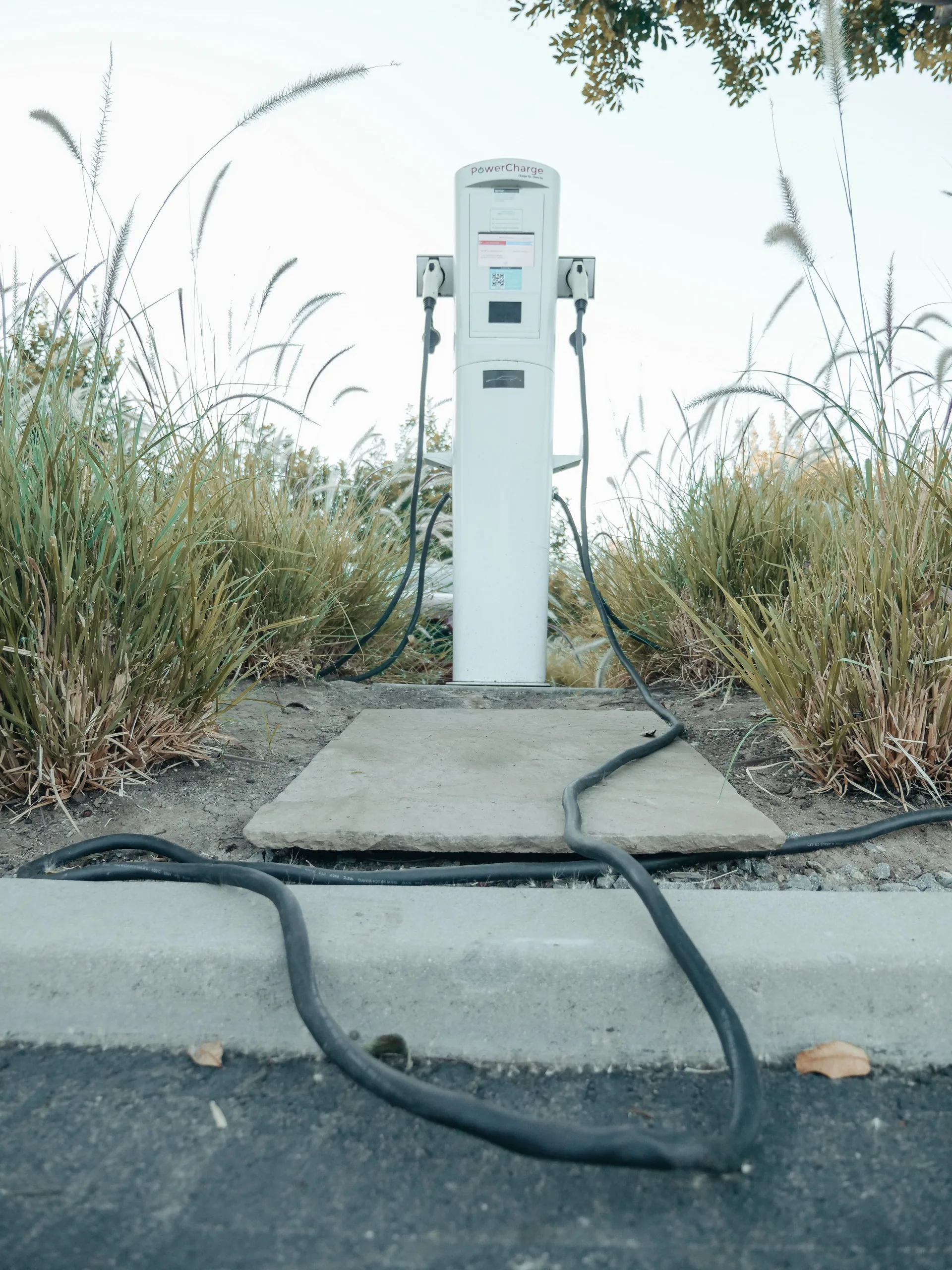
Before the visit: pre-wiring, commissioning, and a second car
You do not need to own the car yet to plan the circuit. Pre-wiring runs the dedicated circuit and conduit to the parking spot during other work, so the charger itself can be fitted later without opening finished walls again. Tell the provider where the car will park, which side the charge port sits on, and whether the run crosses a driveway or reaches a detached garage.
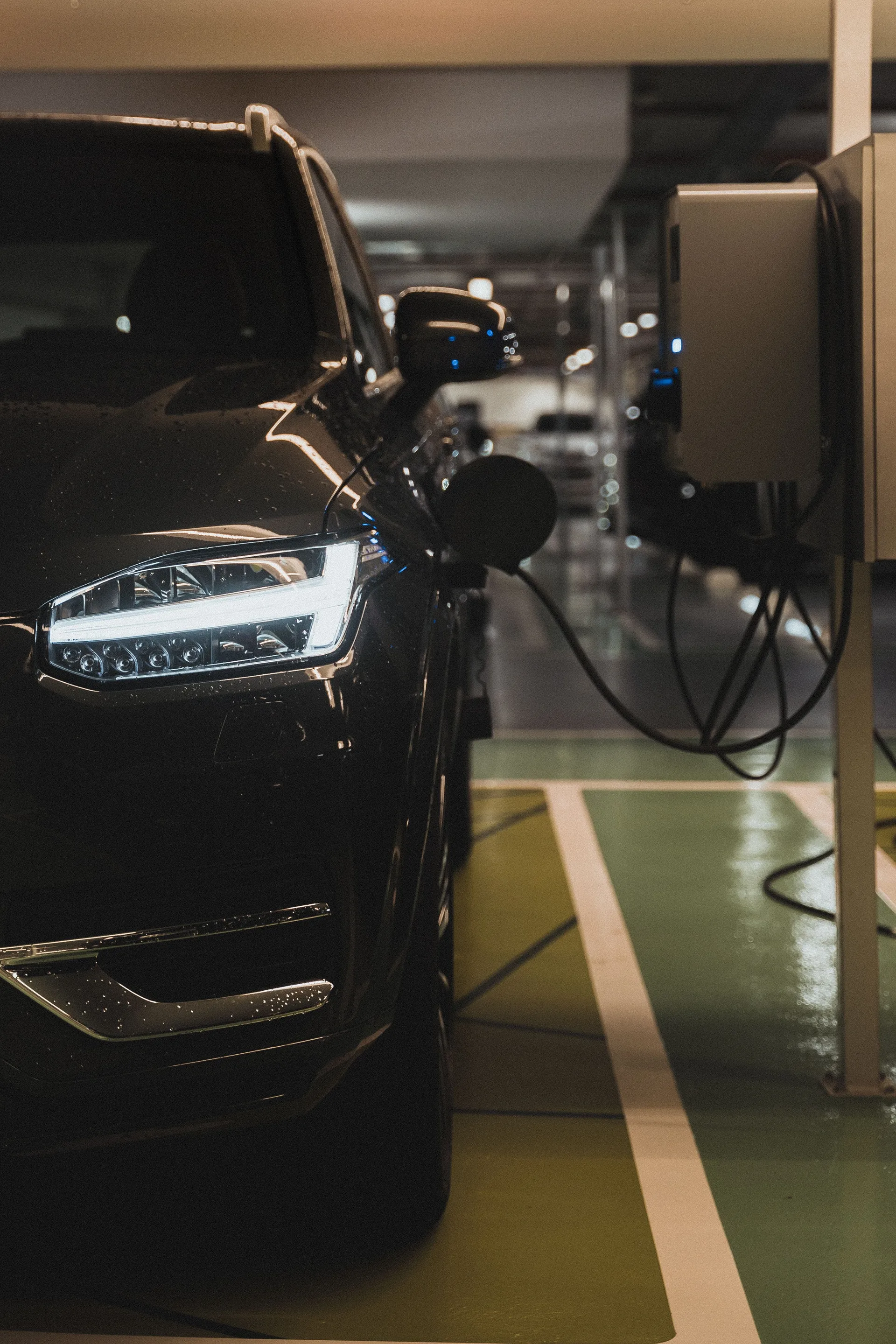
Commissioning is the step to ask about by name: after the circuit and mount are in, the provider charges your car on site, checks the draw at full rate, and walks you through the charger settings, including any app controls. For a second car, ask about power sharing, where two chargers share one circuit’s capacity rather than each getting a full circuit. And if a dryer outlet is your only 240-volt point, do not plan around sharing it — ask the provider what a dedicated circuit would take. Call (772) 218-3629 with your car, your panel size, and your parking layout.
Level 2, Tesla Wall Connector, permit, and time: the four answers
Level 2 is the category — a 240-volt dedicated circuit — and a Tesla Wall Connector is one wall-mounted Level 2 charger for Tesla vehicles. Either way the panel check comes first, and a Level 2 install usually requires a permit, issued by the City or the County by address. Read the EV charger permit guide for Florida for the full picture.
Frequently asked questions about EV charger installation in Fort Pierce
Do I need a panel upgrade for an EV charger?
Maybe, and the panel check answers it. A provider runs a load calculation, looking at spare capacity rather than just spare breaker slots. If the service has room, the charger goes on a new dedicated circuit. If it is tight, load management or a panel upgrade may be the route, and the provider should show the numbers behind that call. That provider is your EVSE installer for the job: they size the circuit, fit the unit, and test the charge.
What size circuit does a Level 2 charger need?
There is no one size that fits every home, because the charger model and your panel capacity set it together. A Level 2 charger runs on a 240V supply and needs its own dedicated circuit, sized to the charger and checked against your load calculation. Ask the provider to state the circuit they plan and why, rather than accepting a size quoted before anyone looked at your panel.
Can I install a charger in a garage or carport?
Yes, in most homes, and both spots are common. A garage usually means a shorter cable run and shelter from weather, while a carport or driveway charger needs outdoor-rated equipment and a route that stays clear of walkways and water. Where you park every night matters as much as where the panel sits, so walk the route with the provider before agreeing a position.
How long does EV charger installation take?
A straightforward install, where the panel has capacity and the run to the parking spot is short, is usually a single visit. The job stretches when the panel needs space made, the cable run is long, the charger sits on a detached structure, or a permit and inspection are in the way. Ask the provider what could stretch your job, so the visit length is a plan rather than a surprise.
How much does EV charger installation cost in Fort Pierce?
The figure follows the panel check, not the other way around. What moves it is panel capacity and condition, the length and route of the cable run, whether the charger is hardwired or outlet-fed, the charger model itself, and the permit and inspection. Ask for a written price after the panel check, naming the circuit size and the charger type it covers.
Can I install a Tesla Wall Connector in Fort Pierce?
Often, yes. A Tesla charger installation in Fort Pierce follows the same rule as any other Level 2 charger: it depends on spare capacity in your service, not just spare breaker slots. The provider runs the numbers first, and if the service is tight, load management may cover the charger without pushing you straight to a panel upgrade.
What if my charger shows an error or charges slowly?
Note the error message exactly, and note whether the cable or plug feels warm. Stop using the charger if anything smells hot or the plug shows scorch marks, and leave its breaker off. Tell the provider the error code, when it appears, and whether charging slowed suddenly or over time, since a fault in the charger, the circuit, or the panel each leaves a different pattern.
New EV, no home charger yet? Call and start with the panel check.