
Generator Size Estimator for Fort Pierce, FL
Generator size estimator for Fort Pierce, FL: tick what must stay on during a storm outage near Hutchinson Island or 34949, and get an approximate kW range and generator class for your home, with safety notes for every storm outage included.
Open 24 hours a day, 7 days a week.
Your answer, in plain words
Tick the items that must stay on during an outage, press Estimate my size, and you get an approximate running load in kilowatts and the class of generator that fits it. This is a rough guide only: real sizing happens on the call and site visit.
Use the tool
How the estimate works
Each item carries a typical running wattage, such as a fridge at about 800 watts and central air conditioning at about 3,500 watts. The tool adds your ticked items and converts the total to kilowatts, then points to a class: portable, midsize, larger standby, or a large standby that needs a full load calculation. Starting watts for motors, such as a well pump or air conditioner, run higher than running watts, which is why the result is a range, not a promise.
Need an electrician in Fort Pierce?
What the estimate does not cover
Fuel type, transfer switch, panel capacity, gas or electrical connections, permits, and how long you need to run are not in this estimate, and each one changes the right choice. A standby generator with an automatic transfer switch is a different job from a portable unit with extension cords, and only a visit can confirm which fits your home. Call (772) 218-3629 for a proper sizing visit and your exact quote.
Generator safety that never changes
Run a generator outdoors only, well away from windows, doors, and vents, and never in a garage, carport, or enclosed space, even with the door open: carbon monoxide kills without warning. Keep fuel outside, away from the unit, and let the unit cool before refuelling. See our generator installation service, our Generac generator installation service, our automatic transfer switch service, Hutchinson Island, and the full tools hub.
Need an electrician in Fort Pierce?
What your result means
Your estimator result is a rough guide only, not a final generator size: it adds the typical running watts of everything you ticked, converts the total to kilowatts, and points to a generator class, while real sizing and load calculation happen on the call and site visit.
Up to 3 kW: a portable unit may cover the essentials
A result up to about 3 kilowatts usually means a short essentials list: fridge, freezer, lights, fans, phones and internet, and perhaps a medical device. The concrete next step is to decide how you will run those items safely, because a portable unit normally feeds chosen items through extension cords or a manual connection, and it needs refuelling, outdoor placement, and someone home to start it. Call (772) 218-3629 and read out your ticked list, so we can check whether a portable setup, a manual transfer arrangement, or a small standby unit fits your home better. Keep the carbon-monoxide rule front of mind from the start: a portable unit runs outdoors only, well away from windows, doors, and vents, never in a garage or enclosed space, even with the door open.
Over 3 to 7 kW: compare midsize portable against small standby
A result between 3 and 7 kilowatts usually means the essentials plus one or two motor loads, such as a well pump, a sump pump, a window air conditioner, or a pool pump. The concrete next step is a conversation about starting watts and convenience: motor loads surge higher when they start than when they run, so a unit that matches the running total may still struggle when a pump or compressor kicks in, and a standby unit that starts itself removes the need to be home, refuel by hand, and run cords in a storm. Ask on the call about a transfer switch, fuel type, and how long you need to run, since each of those changes the right choice. Our automatic transfer switch service explains the safe connection that stops a generator feeding power back into the grid, which can injure utility workers.
Over 7 kW: plan for a larger or large standby unit and a full calculation
A result over 7 kilowatts usually means central air conditioning, a water heater, a stove, or several motor loads together, and that is standby territory rather than a portable purchase. The concrete next step is a site visit with a full load calculation, because the visit must check your panel capacity, the transfer switch, fuel supply, placement, and which circuits the standby unit will actually carry. Do not buy a large unit on the estimator total alone: starting watts, panel headroom, and fuel all change the real answer, and a unit that is too small for its starting surges will disappoint exactly when a storm outage matters most. See our generator installation service and our Generac generator installation service, and ask about generator maintenance and monitoring so the unit is tested and ready before storm season, not discovered faulty during an outage.
- Tick everything that must stay on, using typical figures as a rough guide only.
- Read your kilowatt total and generator class, then note any motor loads on your list.
- Call (772) 218-3629 with your list for a load calculation and placement check.
- Agree the unit, transfer switch, and fuel plan in writing before installation.
Portable vs standby: which fits your Fort Pierce home?
A portable generator suits a short essentials list and hands-on storm management, while a standby generator suits a longer list, automatic start-up, and a home where someone may not be there to start a unit when the power fails at home.
The table below compares the two classes in plain terms, using the same rough-guide honesty as the estimator: no class is better in every home, and the right choice follows your list, your panel, your fuel options, and how you live through an outage. A household with medical equipment, for example, values automatic start-up differently from a household that only needs a fridge and phones kept running for a few hours. A home with central air, a well pump, and a pool pump on the list will almost always land in standby territory, while a home with a short list and a tight, sheltered outdoor spot may manage well with a portable unit and a careful cord plan.
| Question | Portable generator | Standby generator |
|---|---|---|
| How it starts | Manual start, by someone at home, when the outage begins | Automatic start when grid power fails, even if nobody is home |
| What it powers | Chosen essentials, often through extension cords or a manual connection | Selected circuits or much of the home, through a transfer switch and the panel |
| Typical load range | Smaller totals, usually the essentials list up to a few kilowatts of running load | Larger totals, including motor loads, central air, and several appliances together |
| Fuel and running | Hand refuelling, shorter run planning, and storage of fuel outside and away from the unit | Connected fuel supply, longer run planning, and scheduled exercise and maintenance visits |
| Installation | Simpler setup, but placement, cords, and carbon-monoxide distance still matter every time | Full installation with transfer switch, panel check, placement, and a load calculation first |
Whichever class fits, the safety rules are identical: outdoors only, well away from windows, doors, and vents, never in a garage, carport, or enclosed space, even with the door open, because carbon monoxide has no smell and builds up fast. See our generator installation service for the installation path, and our storm outage checklist for the wider storm plan that a generator sits inside.
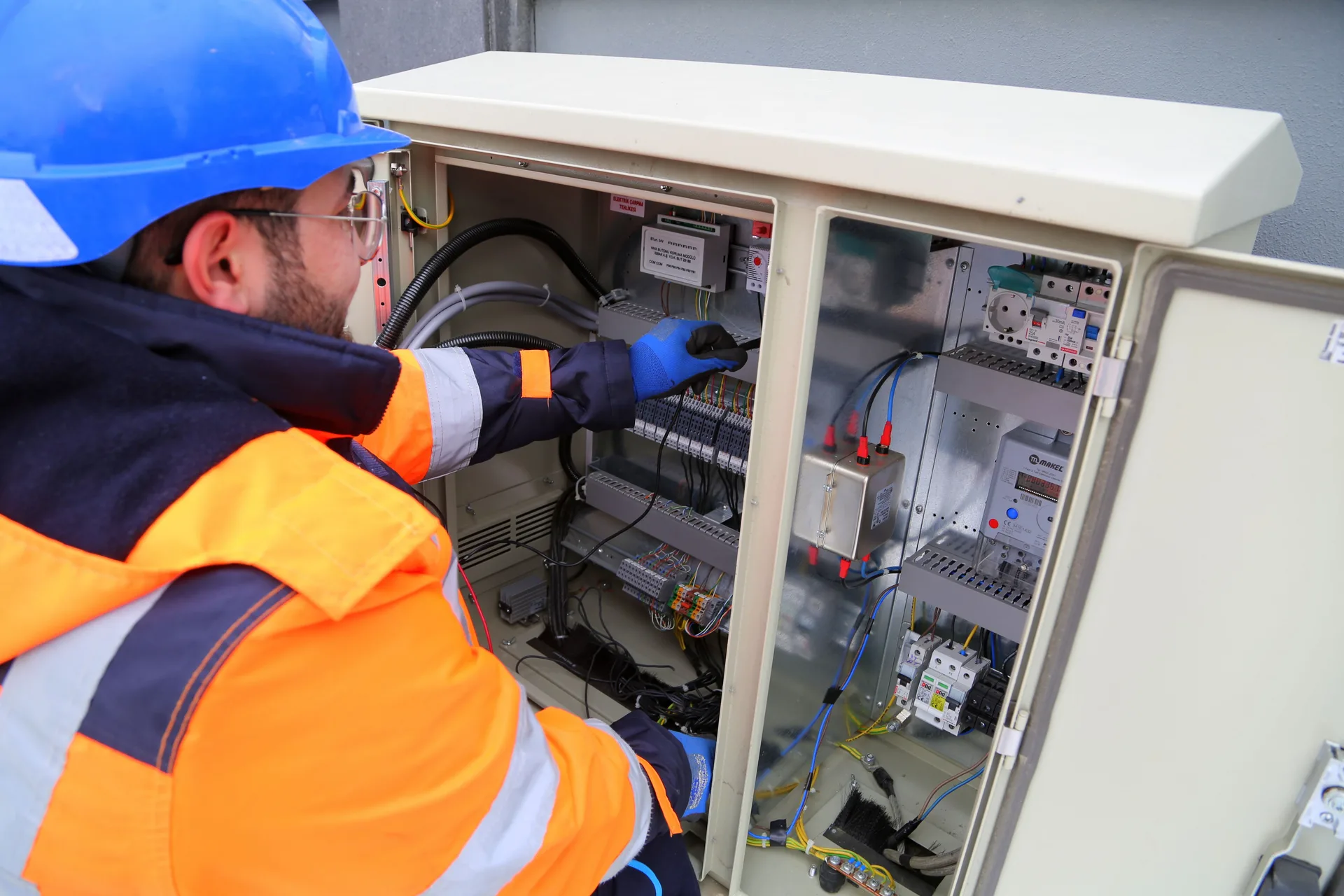
Building a Fort Pierce outage list that actually works
A Fort Pierce outage list should start from what your household cannot safely go without, then add comfort loads only if the total still fits a unit you can fuel, place safely, and afford to run through a long storm outage.
Start with the cannot-go-without list
Begin with food safety, light, communication, and health: fridge and freezer, lights, fans, phones and internet, and any medical device that must stay powered. Those items form the core of most Fort Pierce lists, and they are the items to protect first if fuel runs short or the outage lasts longer than expected. Add a well pump only if your home actually uses well water, and a sump pump only if your home has one, because both are large motor loads that change the total sharply. If anyone in the home depends on a medical device, say so on the first call, not as an afterthought, because that single fact changes how urgently automatic start-up, fuel planning, and circuit priority matter. Our verified service ZIP codes are 34945, 34946, 34947, 34949, 34950, 34951, 34981, and 34982, and our service-area ZIP checker confirms coverage for a single ZIP before you book.
Then weigh comfort loads honestly: air, cooking, water, and the pool
Central air conditioning is the single largest load on most lists, at about 3,500 typical running watts, and it often doubles the total on its own, which is why the estimator shows it so starkly. A window air conditioner, at about 1,500 typical running watts, can cool one room for far less, and many Fort Pierce households plan around one cool room rather than the whole house during an outage. A water heater at about 4,000 typical running watts and a stove at about 2,500 typical running watts are also large, and both are APPROXIMATE figures that vary by model, so treat them as planning guides, not promises. A pool pump at about 1,200 typical running watts and a home office at about 600 typical running watts are smaller, but they still belong on the list only if they truly must run: pool circulation can usually wait out a short outage, while a home office that supports work or study may matter more than it first appears. Homes near Hutchinson Island, South Beach, and the Fort Pierce Inlet face the same storm exposure with more salt air on outdoor equipment, so placement and corrosion checks deserve a mention on the call for coastal addresses.
Storms, salt air, and who supplies your power
Summer storms bring the outages that generators are bought for, and they also bring surges that stress panels and appliances, so a generator plan pairs naturally with whole-house surge protection and with the surge protection checker tool. Salt air corrodes outdoor generator and panel equipment faster near the coast, which is why a standby unit needs scheduled exercise and maintenance rather than being left untouched between storms. Fort Pierce Utilities Authority, known as FPUA, serves addresses inside the city, while Florida Power and Light, known as FPL, serves addresses outside the city, and the supplier is checked per exact address, not by neighbourhood or ZIP code alone, because reconnection and transfer-switch steps follow the supplier for that address. Households in Hutchinson Island, Fort Pierce South, Lakewood Park, and Fort Pierce North all appear in generator calls, but the coastal homes among them need the closest attention to outdoor placement, clearance from windows and vents, and corrosion.
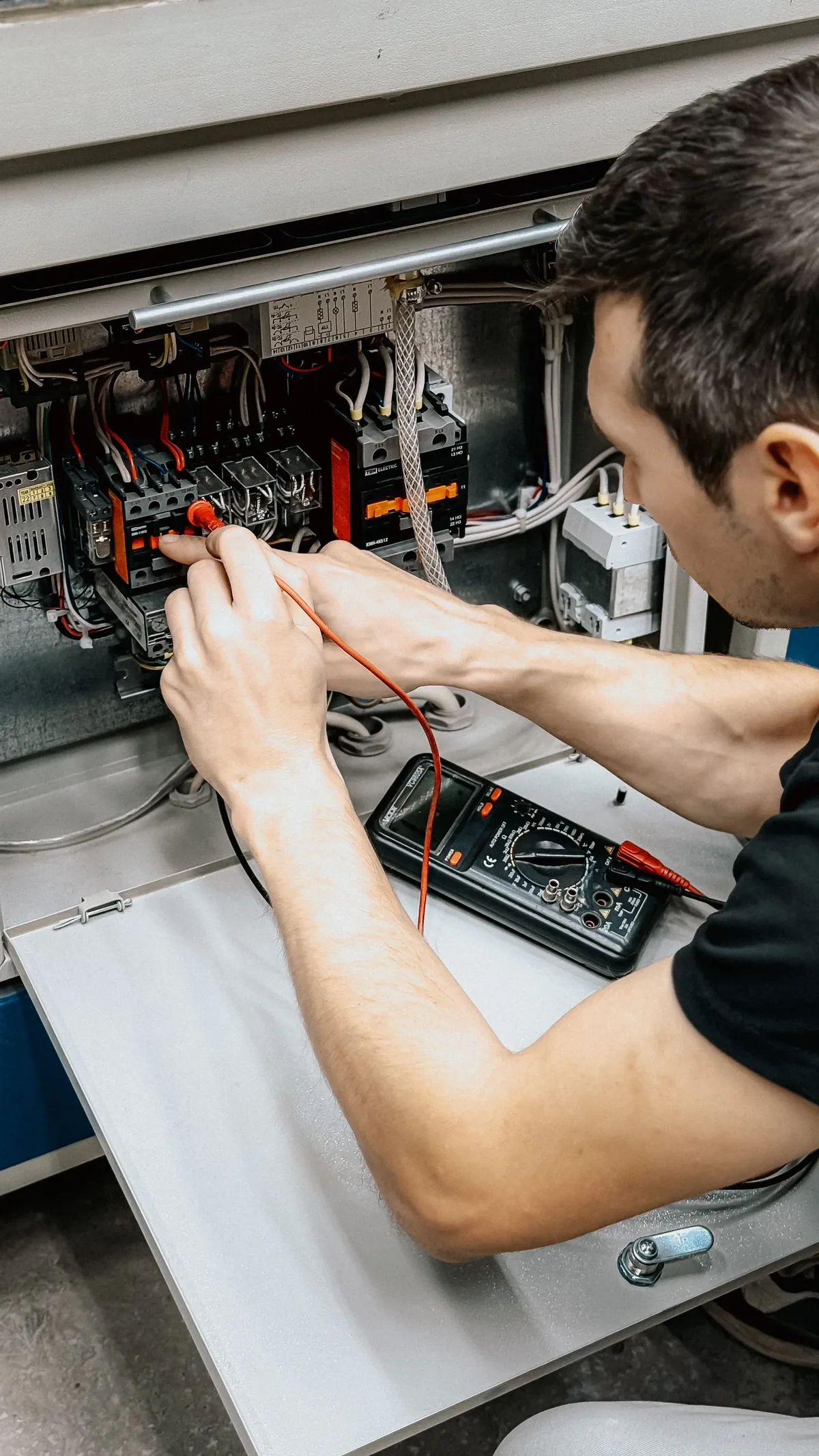
Starting watts, transfer switches, and the visit checklist
Running watts tell you what an appliance uses while it runs, but starting watts tell you the higher surge when a motor starts, and a generator that only matches the running total can stumble exactly when a fridge compressor, well pump, or air conditioner kicks in.
Why starting watts change the answer
Motors dominate the starting-watts problem: a fridge compressor, a freezer compressor, a well pump, a sump pump, a pool pump, and a central air conditioner all draw a brief surge above their running watts when they start. That is why the estimator result is a range and a class, never a final size, and why a load calculation on the visit looks at which motors may start together, not just at the sum of running watts. A standby unit with proper load management can sequence those starts, while a portable unit depends on you starting and adding loads in a sensible order. If your list is heavy with motors, say so on the call, and ask how the proposed unit handles simultaneous starts, because that answer separates a unit that copes from a unit that trips under its first real storm load.
Before the visit: gather these details
- Your ticked estimator list, plus the make and model of any large appliance if the label is easy to read.
- Which loads are medical or safety-critical, and which loads can wait out a short outage.
- Where a generator could sit outdoors, well away from windows, doors, and vents, with room for safe refuelling.
- Your panel age and brand, and whether the panel has spare space for a transfer switch.
- Your exact address, so the utility supplier and the service route can be checked in advance.
- How long you need to run: a few hours, overnight, or through a multi-day storm outage.
Safety rules that never change
Never run a generator in a garage, carport, or enclosed space, even with the door open: carbon monoxide builds up fast and has no smell, so distance outdoors is your protection. Keep fuel outside, away from the unit, let the unit cool before refuelling, and never connect a generator directly to home wiring without a transfer switch, because back-feeding the grid can injure utility workers. Never open a panel yourself and never work on live wiring. Fort Pierce Electric Pros is based at 1907 Okeechobee Rd, Fort Pierce, FL 34950, open 24 hours a day, 7 days a week, with same-day service, 23 years of experience, licensed and insured, and Master Electrician Certification, and we carry out the generator work ourselves as your direct provider. For urgent electrical faults during a storm, see our emergency electrician service and our emergency triage quiz, and call 911 first for fire or smoke.
Frequently asked questions
How big a generator do I need for a Fort Pierce home?
It depends on what must stay on: a fridge, lights, and phones need far less than central air conditioning, a well pump, and medical equipment together. Use the estimator above with your real list, then call (772) 218-3629 for a load calculation that confirms the size.
What is the difference between running watts and starting watts?
Running watts are what an appliance uses while it runs. Starting watts are the higher surge when a motor starts, such as a fridge compressor or well pump. A generator must handle those surges, which is why an estimate based only on running watts is a guide, not a final size.
Portable or standby generator: which fits my home?
A portable generator suits a short list of essentials and manual setup. A standby generator starts itself, powers more of the home, and needs a transfer switch and a proper installation. Your list, panel, and budget decide, so talk it through on a call before choosing.
Can a generator power my whole house, including central air?
Some can, but central air conditioning is a very large load, and a whole-house setup needs a large standby unit and a full load calculation. Tick central air in the estimator to see how much it adds, then call us to confirm what your home can support.
Is it safe to run a generator in my garage with the door open?
No. Never run a generator in a garage, carport, or enclosed space, even with the door open. Carbon monoxide builds up fast and has no smell. Run it outdoors only, well away from windows, doors, and vents. Carbon monoxide has no smell, so distance is your protection.
Do I need a transfer switch for a generator?
A transfer switch is the safe way to connect a generator to your home wiring, and it stops back-feeding the grid, which can injure utility workers. Portable use with extension cords is a different setup. Call us and we will explain which setup fits your home.
Ready to talk?