
What Does a 4-Point Inspection Check Electrically in Fort Pierce?
The electrical part of a 4-point inspection records your panel brand and size, wiring types, grounding and GFCI protection, and any visible hazards, so an insurer can judge whether the home is insurable. This page explains each item, the brands and wiring insurers flag, and what happens next. Call (772) 218-3629 and tell us your panel brand and inspection deadline.
A 4-point inspection is a short, focused report written for an insurance underwriter, not a full home inspection. This page covers the 4-point inspection electrical section in detail: what is checked in 4-point inspection reports, and how Florida 4-point electrical reports affect coverage. Think of it as an insurance electrical inspection, not a repair visit. The inspector documents the age, type, and condition of four systems, takes photos, and hands the report to the insurer. The insurer then decides whether to offer coverage, ask for repairs, or decline until work is done. Nobody "passes" or "fails" the house at the inspection itself.
Need an electrician in Fort Pierce? Facing a 4-point inspection? Call and tell us what the inspection flagged and your panel type.
What the electrical section covers
On the electrical point, the inspector records the main panel brand and amperage, the wiring types present, grounding and GFCI protection, and any visible hazards. Think of it as an inventory with photos: what panel you have, what wires feed your home, and whether anything visible looks unsafe. The inspector does not open walls, test every circuit, or fix anything found.
| Item checked | What the inspector records |
|---|---|
| Main panel | Brand and panel type, amperage, condition, and whether it is a flagged brand |
| Wiring type | Copper, aluminum, cloth-insulated, or knob-and-tube wiring |
| Protection | Grounding and GFCI protection in wet areas |
| Visible hazards | Double-tapped breakers, exposed wiring, scorch marks, open junction boxes |
Panel brands that raise questions
The 4-point electrical requirements vary by insurer, since each carrier sets its own rules for older homes. Two panel brands come up again and again in Florida 4-point reports: Federal Pacific (Stab-Lok) and Zinsco. Both are older designs whose breakers have a known history of failing to trip when they should, and many insurers will not write a new policy on a home with one until it is replaced. Our comparison of Federal Pacific vs Zinsco panels explains how to spot each one and how they differ.
Other older panels and wiring types draw attention too. Cloth-insulated wiring, knob-and-tube wiring, and single-strand aluminum branch wiring each get noted, because each has its own aging and safety story. None of these automatically means the home cannot be insured, but each one usually triggers a closer look from the underwriter.
What inspectors mean by hazards
Double-tapped breakers are a common note: two wires sharing one breaker terminal that was designed for one. Exposed or spliced wiring outside a junction box, scorch marks around a breaker, and missing panel covers all count as visible hazards. These are worth fixing before the inspection if you already know about them, because they are cheap to document clearly and expensive to argue about afterward.
How to prepare for the electrical point
- Find your panel brand and amperage before the visit, and photograph the panel label.
- Clear access to the panel and remove anything stored in front of it.
- Fix what you already know about before the insurance inspection: open junction boxes, missing covers, and loose outlets.
- Gather paperwork for any electrical work already done, including panel or rewiring work.
- Ask a provider for an assessment first if your panel is Federal Pacific or Zinsco, or your wiring is knob-and-tube or aluminum.
How a 4-point electrical inspection runs
Step 1: inspector checks panel brand, condition, and wiring type. Step 2: inspector checks grounding, GFCI protection, and visible hazards. Step 3: report goes to the insurer. Step 4: insurer accepts, asks for repairs, or declines until work is done.
Preparing for a 4-point electrical section
Know your panel brand and wiring type before the inspection. Fix visible hazards first. Get an assessment early if the panel is Federal Pacific or Zinsco, or wiring is knob-and-tube or aluminum. Keep documentation of all work.
What happens after the report
Three outcomes cover most cases. The insurer accepts the report and issues or renews the policy. The insurer asks for specific repairs, with a deadline and sometimes a follow-up photo or re-inspection. Or the insurer declines coverage until the flagged item is replaced, which is the usual outcome for a flagged panel brand. Your agent can tell you which outcome applies and what proof the insurer wants.
When repairs are needed, a provider should scope them from the report itself. A full electrical inspection, a deeper electrical check than the 4-point snapshot, goes deeper than the 4-point snapshot and can separate a quick fix, like correcting a double-tapped breaker, from a bigger job, like a panel upgrade or whole-house rewiring. Small fixes first, big decisions second.
4-point vs full home inspection
Buyers sometimes confuse the two. A full home inspection covers the whole house for the buyer: structure, roof, systems, and condition, in detail. A 4-point inspection covers four systems for the insurer, briefly, with photos. You can need both at the same time, for different reasons, and one does not replace the other.
Fort Pierce notes
Older Fort Pierce homes are where the electrical point usually gets interesting. Homes built before modern wiring and panel standards may carry a flagged panel, cloth wiring, or aluminum branch circuits that a newer home would not. Salt air also ages outdoor service equipment, so the inspector's photos may include the meter and service entrance as well as the indoor panel.
Next step
If an insurer has asked you for a 4-point inspection, start by reading your panel label and noting your wiring type, then talk to your agent about what your carrier flags. The electrical inspection page explains the deeper check, and electrical repair covers the smaller corrections that often clear a report.
Wind mitigation is a different report
Callers often mix up two Florida reports, so here is the split in plain terms. A 4-point inspection proves the home is insurable: roof, electrical, plumbing, and heating and cooling, each documented for the carrier. A wind mitigation report is a different document. It records storm-resistant features of the house, such as roof shape and how the roof is attached, and carriers use it to work out discounts.
One does not replace the other. Many callers get both done on the same visit, which saves a second appointment. If your agent asks for one report and you hand over the other, expect a delay while the right form is arranged.
Two more electrical details are worth knowing before the visit. Main panels and secondary panels are documented separately in the report, so a problem in a garage subpanel shows up on its own line. And alongside Federal Pacific and Zinsco, a third brand name raises questions: Challenger. Its breakers have a known habit of working loose, which leads to arcing and heat.
Aluminum branch wiring deserves a calm note too. Finding it does not automatically mean a full rewire. Providers may recommend approved connection methods that address the risk at the terminations, and the report itself will say what the carrier wants to see. Age triggers also vary: carriers commonly ask once a home reaches a certain age, and some ask sooner than others, so your agent's answer is the one that counts for your policy.
Photos and quick reference

Paperwork and access to gather before the visit
A 4-point visit goes faster when the inspector can reach everything and see the paperwork. Gather any insurer letter or deadline, proof of recent replacements such as a new panel, water heater, or air conditioner, and the ages of the four systems if you know them. Clear access to the electrical panel, water heater, air handler, and attic matters, because the report is built from what the inspector can see and photograph.
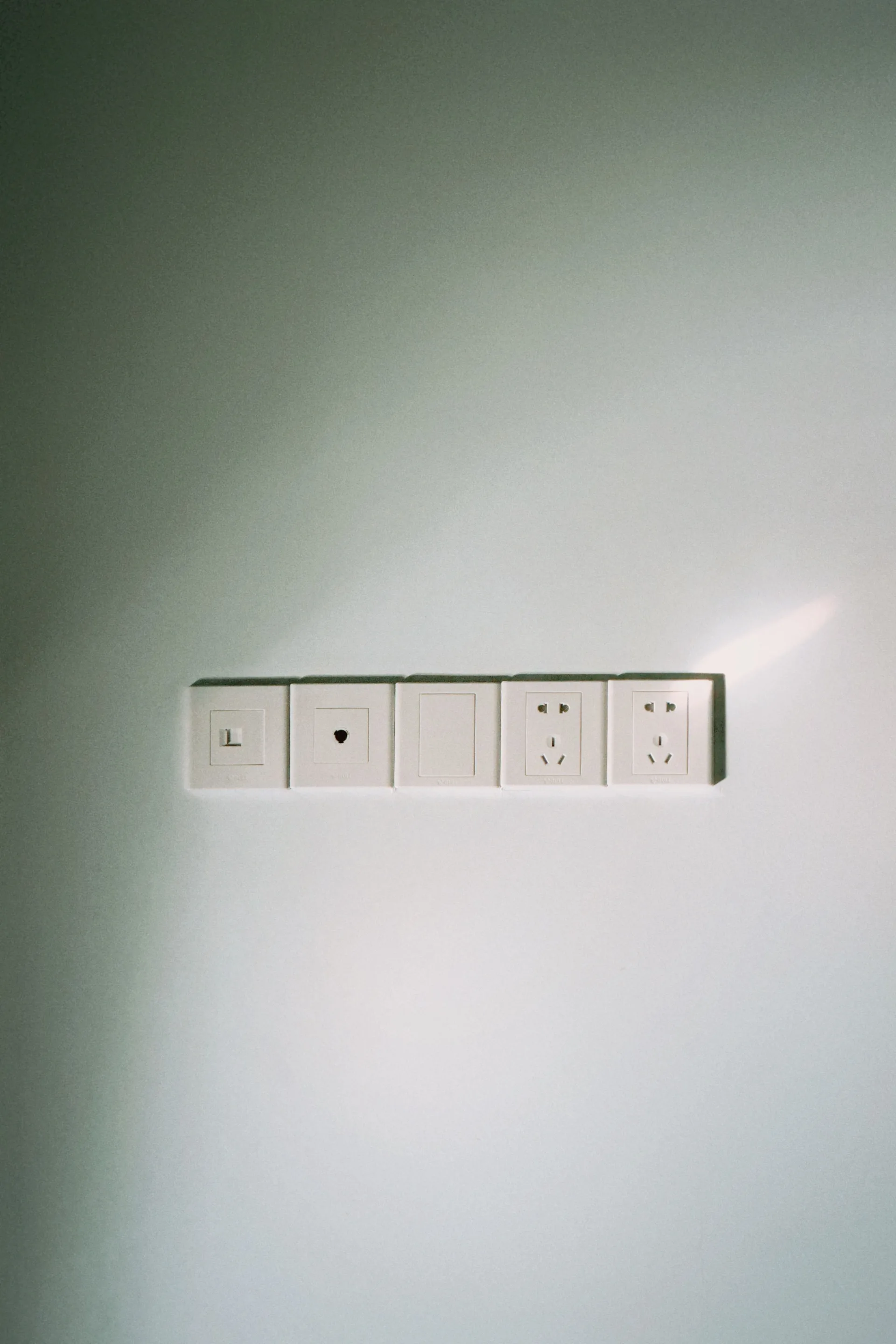
Fix obvious active leaks before the visit, since visible water damage is recorded. If you already know one system is aging, tell the provider when you call, along with your panel brand and the date on your insurer letter, so the visit can focus on the items most likely to hold up coverage.
Need an electrician in Fort Pierce? Facing a 4-point inspection? Call and tell us what the inspection flagged and your panel type.
Frequently asked questions
What does a 4-point inspection check electrically?
The electrical point records your main panel brand and amperage, the wiring types in the home, grounding and GFCI protection, and any visible hazards such as double-tapped breakers, exposed wiring, or scorch marks. The inspector photographs what is visible and reports it to the insurer; the inspection does not open walls or test every circuit.
Will Federal Pacific fail a 4-point?
A Federal Pacific Stab-Lok panel is flagged in the report, and many insurers will not write a new policy until it is replaced, but the inspector does not fail the home on the spot. The underwriter makes the coverage decision after reading the report. If your panel is Federal Pacific or Zinsco, get a provider assessment early so you know the scope before the insurer sets a deadline.
How do I prepare for a 4-point?
Clear access to your panel, photograph the panel label, and fix visible issues you already know about, such as missing covers or open junction boxes. Gather paperwork for any electrical work already completed. If you know the panel brand is flagged or the wiring is older, ask a provider for an assessment before the inspection, not after the report lands.
What wiring types cause problems in a 4-point inspection?
Cloth-insulated wiring, knob-and-tube wiring, and single-strand aluminum branch wiring are the three types insurers ask about most, because each ages in ways that raise fire risk. Copper wiring in good condition rarely draws comment. The report notes what is present; the insurer decides how much weight to give it.
Does a 4-point inspection check the whole electrical system?
No. It is a brief, visual snapshot of the panel, wiring types, grounding, GFCI protection, and visible hazards, written for an insurer. It does not test every outlet, open walls, or judge the full condition of the system. A full electrical inspection is the deeper check, and it is the right next step when the 4-point report raises questions.
How old does a home have to be before an insurer asks for a 4-point?
Each insurer sets its own rule, and the trigger is usually the age of the home. Many carriers ask once a home reaches around 25 to 30 years old, and some ask sooner. Your agent can tell you exactly what your carrier requires, so ask before you shop for a policy or list a home for sale.
Need an electrician in Fort Pierce? Call now and describe the problem.