
Electrical Inspection in Fort Pierce, FL
A ranked written report that tells you what cannot wait, what to plan, and what can wait — for Fort Pierce homes in ZIPs such as 34950 and 34946.
When you call, say why you want the inspection — buying, selling, an insurer's request, or worry about an older home.
What an electrical inspection checks
An inspection is a careful look at your home's electrical system, followed by a written report. The provider checks the panel, wiring, outlets and switches, grounding, and safety devices such as GFCI and AFCI protection and smoke detectors. This is a check, not a repair visit, and its findings decide which repairs you actually need.
Two kinds of inspection get confused, so keep them apart: a full home electrical inspection covers the whole system and ranks everything it finds, while a 4-point inspection is narrower, reporting on roof, electrical, plumbing, and HVAC, and insurers often ask for it on older homes.
When you call, say why you want the inspection — buying, selling, an insurer's request, or worry about an older home — because the reason shapes what the report emphasizes.
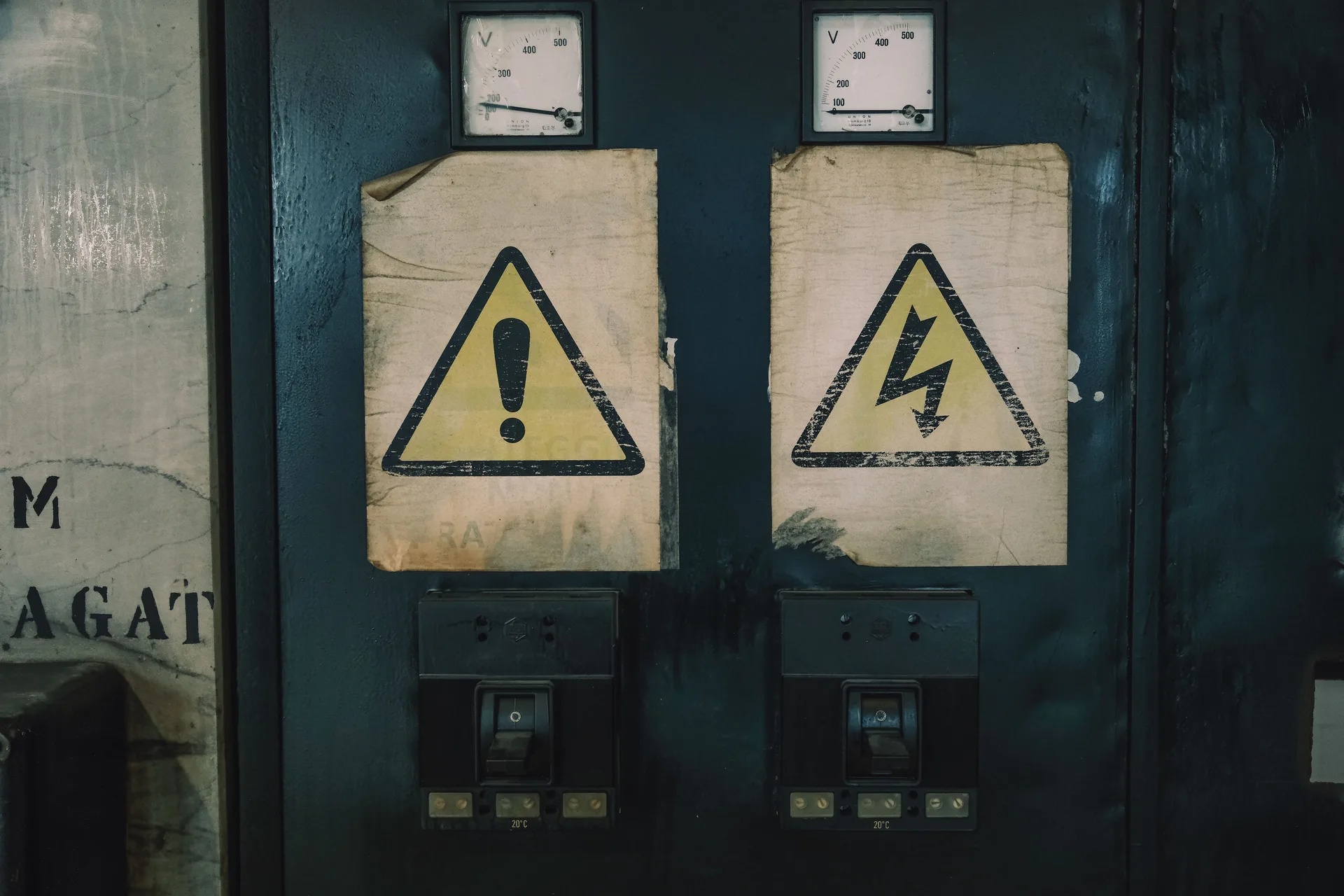
Signs you need it
- You are buying or selling a home and want the electrical system checked before money changes hands.
- An insurer has asked for a 4-point inspection, or flagged the panel or wiring type.
- Your home has never had a home electrical check and the panel or wiring is decades old.
- Breakers trip often, lights flicker, or outlets feel warm — symptoms worth documenting before repairs start.
- A major remodel is planned and you want to know what the existing system can support.
- A major weather event, leak or storm damage has affected parts of the system.
- You found an older panel brand — Federal Pacific or Zinsco, for example — and want it identified properly.
Your options, compared
| Option | What it covers | When it fits |
|---|---|---|
| Full home electrical inspection | Panel, wiring, outlets, grounding, safety devices, ranked findings | You want the whole picture before deciding on repairs |
| 4-point electrical section | Panel, wiring type and safety devices, as one of four systems | An insurer or sale requires a 4-point report |
| Pre-purchase inspection | Same checks, framed around sale decisions and negotiation | You are buying and need findings before closing |
| Panel-only safety check | Panel condition, brand, capacity and visible faults | One panel worry is driving the whole visit |
| Post-storm check | Storm-affected circuits, panels and outdoor equipment | After a major weather event or water damage |
What changes the cost
What moves the figure is scope and house size. A panel-only check on a small home takes less time than a full inspection of a large home with outbuildings, a pool panel and older wiring to trace. Whether the visit also produces a formal report for an insurer or a sale matters too, since that paperwork takes time to prepare properly.
Infographic: Inspection priorities — safety first, then capacity, then maintenance
How the job runs, step by step
Infographic: Electrical inspection process — check, report, prioritize
- Say why you are booking. Buying, selling, insurer request, or worry about an older home — the reason shapes what the report emphasizes.
- Walk the system. Panel, wiring, outlets, switches, grounding and safety devices get checked in order, and findings get noted as they appear.
- Rank the findings. Safety problems come first, then capacity problems, then maintenance items, so you know what cannot wait.
- Receive the report. You get written findings in priority order, with plain-words explanations you can pass to an insurer, a buyer or a repair provider.
Fort Pierce notes
Fort Pierce homes give inspectors plenty to look at. Older homes may carry panels and wiring types that insurers flag, and coastal homes face salt air that wears outdoor panels and equipment. Newer homes are not automatically clear either — additions, pools and bigger air conditioners can push a panel past comfortable capacity even in a young house.
Which utility serves an address must be checked by address: Fort Pierce Utilities Authority (FPUA) serves much of the city, and Florida Power & Light (FPL) serves much of the area outside it. If your inspection is for an insurer, ask the provider whether the report format matches what your insurer asked for — a mismatch there wastes the whole visit.
What to do with the report once you have it
An inspection ends with a ranked action list, not a repair order: safety problems first, then capacity problems, then maintenance items. Read it in that order, and ask about anything you cannot place in one of those three groups.
For an insurer, send the electrical section exactly as requested and check the report format matches what the insurer asked for. For a sale, keep safety items separate from maintenance items in the negotiation. After repairs, ask whether a re-check or dated photos are needed as proof.
- Ask which findings are safety items, which are capacity items, and which are maintenance, before agreeing to any repair.
- Ask whether the report format matches your insurer or buyer request, word for word, before the visit ends.
- Ask whether repaired items need a re-check or dated photos as proof for an insurer or buyer.
- Ask what to check yourself between inspections, and what should always wait for a provider.
How to choose a provider
Use this short checklist before you agree to any work:
- Ask which inspection type you are getting — full, 4-point section, or panel-only — and what the report includes.
- Ask whether findings come ranked by urgency, or as one long unranked list.
- Ask whether a safety inspection electrician does the visit and the repairs, or only reports — both models exist, and you should know which one you hired.
- Ask for a written price before the visit, naming the inspection type and the report.
- Ask how long the written report takes to arrive, especially if a sale or insurer deadline is driving the booking.
Buying, selling, or asked by your insurer? Call now and say why you want the inspection.
Related services and areas
Inspection findings often lead to electrical repair for faults, panel upgrade for capacity or flagged panels, or whole-house rewiring for wiring types. If the panel turns out to be a Federal Pacific or Zinsco unit, see Federal Pacific panel replacement or Zinsco panel replacement. For storm-related protection see whole-house surge protection.
For the 4-point inspection electrical Fort Pierce insurers ask for, the electrical section of the report covers panel, wiring type and safety devices. Inspections reach homes across Fort Pierce. See the service areas hub for the full list, and tell us your town or ZIP when you call.
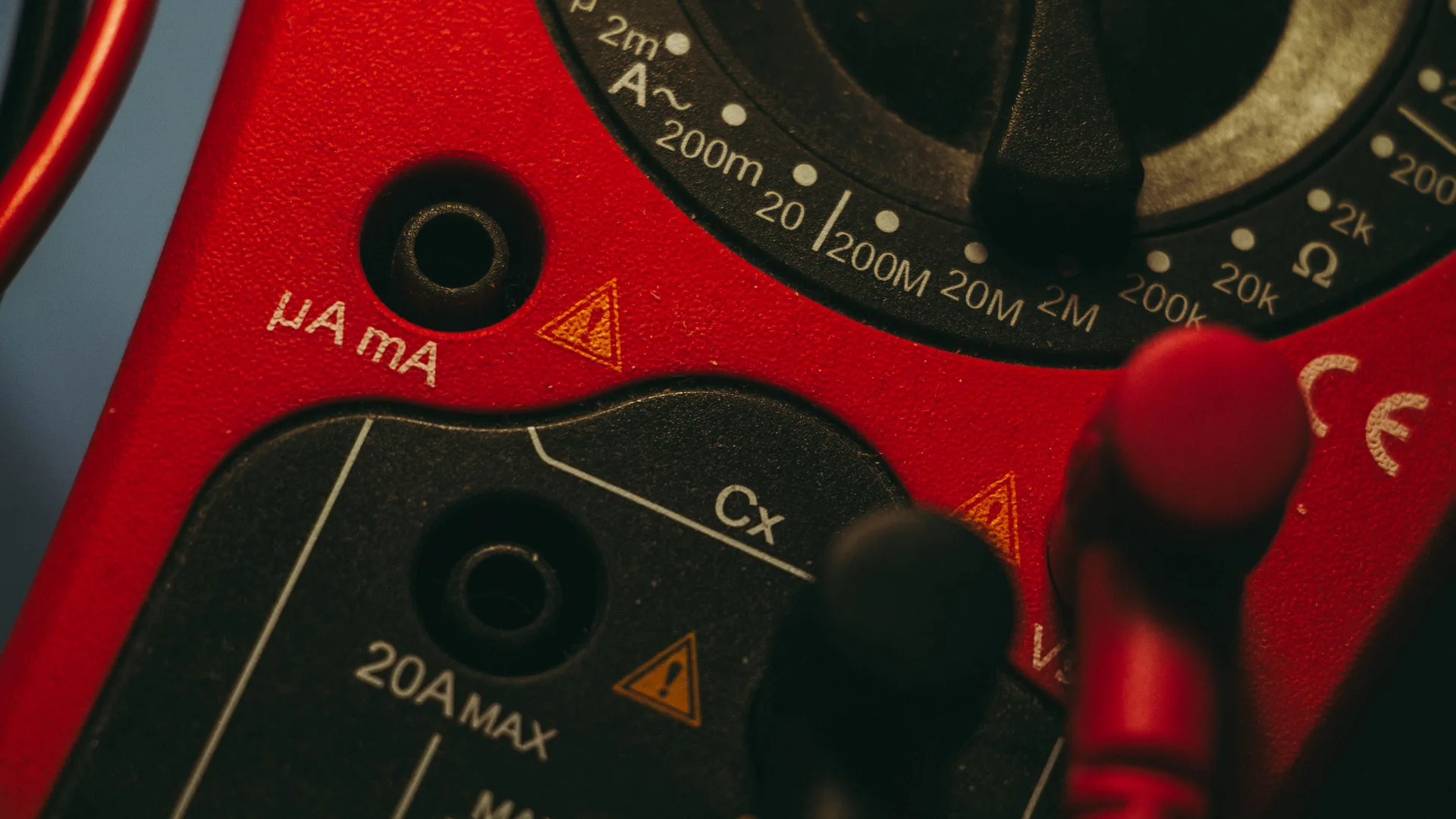
Testers like this meter let the provider measure what eyes alone cannot, so the written report rests on readings rather than guesses.
Two ways an inspection happens in Fort Pierce
An inspection reaches you by one of two routes. The first is private: a provider checks your system and hands you a written report ranked by priority, and you decide which repairs to book. The second is municipal: when permitted electrical work is done, the building department inspects it and signs it off. For the 4-point version insurers ask for, read the 4-point inspection guide.
What an inspection costs depends on house size, how easy the panel and outlets are to reach, whether you need a full inspection or the narrower 4-point version, and how detailed the written report must be — the same factors set how long the visit runs and when the report arrives.
Frequently asked questions: electrical inspection in Fort Pierce, FL
How often should a home be inspected?
There is no single schedule that fits every house. A good time is when you buy or sell, after a major remodel, after storm or water damage, or when an older home has never been checked. Repeated tripping or flickering lights are also reasons to book. A provider who knows your home's age and panel type can suggest a sensible interval, rather than quoting a rule that ignores your house.
What is checked in an electrical inspection?
The panel comes first: its brand, condition, capacity and labeling. Then the wiring type, outlets and switches, grounding, and safety devices such as GFCI and AFCI protection and smoke detectors. The provider notes what is safe, what needs attention soon, and what can wait. You receive those findings ranked, so the urgent items stand out from routine maintenance.
What is a 4-point inspection?
A 4-point inspection reports on four home systems: roof, electrical, plumbing and HVAC. Insurers often ask for it on older homes before offering or renewing cover. The electrical section looks at the panel, wiring type and safety devices, but it is narrower than a full electrical inspection. If you need depth on the electrical side, ask for a full inspection alongside it.
Will an inspection find Federal Pacific or Zinsco panels?
Yes — panel brand is one of the first things an inspection records, because those two brands carry known safety concerns and insurers often flag them. The report will name the brand and explain what it means for your home, so you can decide on replacement with facts in hand instead of a rumor from a sale or insurance letter.
How long does an inspection take, and when do I get the report?
That depends on house size and inspection type. A panel-only check is quick; a full inspection of a large home with a pool panel and older wiring takes longer. Ask before booking how long the visit runs and when the written report arrives, especially if a sale or insurer deadline is driving the date. A report that arrives after your deadline helps nobody.
What happens after the inspection?
You get findings in priority order: safety problems first, then capacity problems, then maintenance. Safety items should be booked promptly. Capacity items, like a full panel, get planned around your next addition or appliance. Maintenance items can wait for a convenient visit. Take the ranked report to any repair provider so the conversation starts from facts, not from scratch.
What if the report flags items before a sale or renewal?
Start with the safety items, since those are the ones a buyer or insurer will press on first. Ask the provider to separate safety problems from capacity problems and routine maintenance, so a negotiation or renewal conversation deals with facts, not one long list. After repairs, ask whether a re-check or dated photos are needed as proof, because a claim that work was done without evidence rarely settles the question.
Need an electrician in Fort Pierce? Call now and describe the problem.