
Commercial Panel Upgrade in Fort Pierce, FL
Keep your business running while its power capacity grows. Commercial panel upgrade in Fort Pierce sizes service to the equipment you actually run, with the changeover planned around trading.
When you call, tell us your equipment list, your busiest hours, and whether you lease or own the premises.
A commercial panel upgrade replaces or enlarges a business premises panel and, where needed, its service, so the premises can run its real equipment load safely. Call (772) 218-3629 and tell us your equipment list, your busiest hours, and whether you lease or own the premises.
Signs a business needs a panel upgrade
Commercial panel trouble usually shows up as operations problems before it shows up as electrical ones. Watch for these signs:
- Breakers trip when kitchen, cooling, and workshop equipment run together.
- The panel is full, and new equipment cannot get a circuit.
- Lights dim across the premises when a large motor starts.
- The panel is warm, rusty, or smells burnt.
- An inspector or insurer flagged the panel or service.
- New equipment is planned, and the existing service cannot carry it.
One tripping breaker can be one faulty circuit, not a panel problem. But repeated tripping under normal trading load, a full panel, and a flagged panel brand together point to capacity or panel condition, and a load check should come before new equipment is ordered.
Call right away if
Stop and call right away if the panel sparks, smells of burning, feels warm or buzzes, or if water has reached any electrical equipment. Keep staff clear of a damaged panel. If there is fire or anyone is hurt, call 911 first. For a downed line, stay away and call the utility.
What you get from the visit
The visit is judged on what it leaves working, not on how much it explains.
- Service sized from your actual equipment list, not from floor area.
- An outage window and restart order agreed in writing before shutdown day.
- Every circuit labeled, with a panel directory and restart order at handover.
- Staged or phased work that protects trading instead of one long closure.
Commercial panel options compared
Four routes exist for a business that has outgrown its panel, and they differ in downtime, scope, and what they leave unfixed. The table compares them.
| Option | What it does | When it fits | Limits |
|---|---|---|---|
| Full panel upgrade | Replaces panel and, where needed, service | Undersized service, flagged panel, major new load | Longest single outage window |
| Subpanel | Adds panel space off the existing service | Panel full but service and panel sound | Does not fix service size or panel condition |
| Load management | Sequences or sheds heavy loads automatically | Peak load is the problem, average load fits | Does not add capacity or fix a bad panel |
| Phased upgrade | Splits the work across planned visits | Business cannot close for one long window | Takes longer overall, needs careful staging |
The right option depends on the load calculation and on how much downtime the business can take. A subpanel is wasted money on a corroded panel, and a full upgrade in one window is the wrong plan for a business that cannot close. Ask a provider to show the load figures behind the recommendation, and to put the outage plan in writing before work starts. Bigger premises often suit a phased, multi-day changeover rather than a single-day outage, with circuits moved in stages. Ask whether the outage can be scheduled off-hours — evenings or weekends — and whether temporary generator power can keep critical systems running. Afterward, plan a yearly visual check for dust, corrosion, and labeling, and another check whenever a large piece of equipment is added.
What is a commercial panel upgrade?
A commercial panel upgrade is a service and panel change for a business premises, not a home. The panel, and sometimes the meter, service entrance, and feeders, are replaced or enlarged so the premises can carry its working load: air conditioning, refrigeration, kitchen or workshop equipment, lighting, computers, and point-of-sale systems running together. Where a home upgrade is usually about one family load, a commercial upgrade is about a working day, with many loads starting at once.
In short, the difference from a home upgrade is planning: the visit is staged so trading, refrigeration, and security are protected.
What changes the cost
A shop, an office, and a workshop are three different jobs, so a commercial figure only makes sense after the equipment list and the downtime window are known. What moves it is service size and phase, panel type and location, meter and service-entrance condition, feeder runs to subpanels, the number of circuits and their labeling, after-hours or weekend working where the business needs it, and permit and inspection coordination where it applies. Ask for a written, itemized price after a site visit and a load calculation, not a phone estimate that shifts once work starts.
Downtime planning itself can change the price. Work staged outside trading hours, phased visits, and temporary arrangements for refrigeration or servers all add coordination, but they protect trading. Ask for the outage plan priced alongside the panel work, so the cheapest quote is not the one that costs a day of trade.
How a commercial panel upgrade runs
Commercial panel work follows a plan-first order: measure the load, agree the outage window, then change over. The steps below are the usual order.
Diagram: commercial panel upgrade sequence
- Load calculation. The provider adds up the real equipment load — cooling, refrigeration, kitchen or workshop kit, lighting, and office systems — rather than guessing from floor area.
- Outage plan. The changeover window, the order circuits return, and arrangements for refrigeration, servers, and security are agreed in writing before work starts.
- Changeover. The panel and, where needed, the service are replaced in the agreed window, with work staged beforehand so dead time is kept short.
- Inspection and handover. The inspector visits where required, every circuit is labeled, and staff receive the panel directory and the restart order.
Fort Pierce notes for commercial panels
Commercial panel work in Fort Pierce centers on Downtown shops and offices, premises along US 1 and Okeechobee Road (SR 70), and workshops in Fort Pierce North and South. Older Downtown premises often still run mid-century panels and wiring, so a panel change there can lead to follow-up wiring work. Newer premises more often need capacity for added cooling, refrigeration, or workshop kit rather than a panel replacement for age alone.
Storm season shapes the planning. Hurricane season runs from June 1 to November 30, and a business panel upgrade paired with surge protection or generator planning is best finished before it. Permits follow the general rule: Florida Building Code 105.1 requires a permit before installing, altering, or replacing a regulated electrical system, with an application to the building official first. Whether the City of Fort Pierce or St. Lucie County handles your permit depends on the exact address. Downtown premises usually sit with Fort Pierce Utilities Authority (FPUA), but Florida Power & Light (FPL) serves addresses outside the city — confirm which utility covers your building before the outage window is set.
This page covers Fort Pierce ZIPs 34950 and 34982.
Mistakes to avoid with commercial panels
Commercial panel mistakes usually cost trading days, not just rework. Avoid these:
- Ordering new equipment before checking whether the service can carry it.
- Adding a subpanel to a corroded or flagged panel instead of replacing it.
- Agreeing a changeover window without a written outage and restart plan.
- Forgetting refrigeration, servers, and security in the outage plan.
- Leaving circuits unlabeled, so the next provider starts blind.
Decision checklist: upgrade, subpanel, or phased work?
Use this checklist before agreeing to a commercial panel scope:
- Does the load calculation show the service itself is undersized, or only the panel full?
- Is the panel corroded, damaged, or flagged, or simply full?
- How long can the business close, and can work be phased instead?
- Which circuits must return first — refrigeration, servers, security, cooling?
- Is new equipment planned that changes the load calculation?
- Does the written price include the outage plan and labeling?
The downtime plan: what to agree before shutdown day
Agree the downtime plan before shutdown day: which circuits must stay live, which can go dark, and in what order they return, with refrigeration, point-of-sale, security, and emergency circuits first where they matter. Also agree who confirms utility coordination, what temporary power covers if the window slips, and, for leased premises, who approves the work in writing. Read the commercial electrical downtime guide before agreeing a scope.
How to choose a provider for commercial panel work
Commercial panel work is judged on planning as much as wiring. Ask whether the provider runs a load calculation from your actual equipment list, and shows you the result. Ask for the outage window, restart order, and labeling in writing before work starts. Ask who handles permit and utility coordination for your address. For the wider commercial picture, see commercial electrician services in Fort Pierce, and for the home version of this job, the residential panel upgrade page.
Sizing a panel to new equipment? Call and tell us your equipment list and your busiest hours.
Related services and areas
Downtime is the commercial risk that matters most. Read the commercial downtime guide and the panel upgrade cost factors guide before agreeing a scope. Businesses in Downtown Fort Pierce face the oldest panels; the full services list shows the rest.
Commercial panel upgrade in pictures
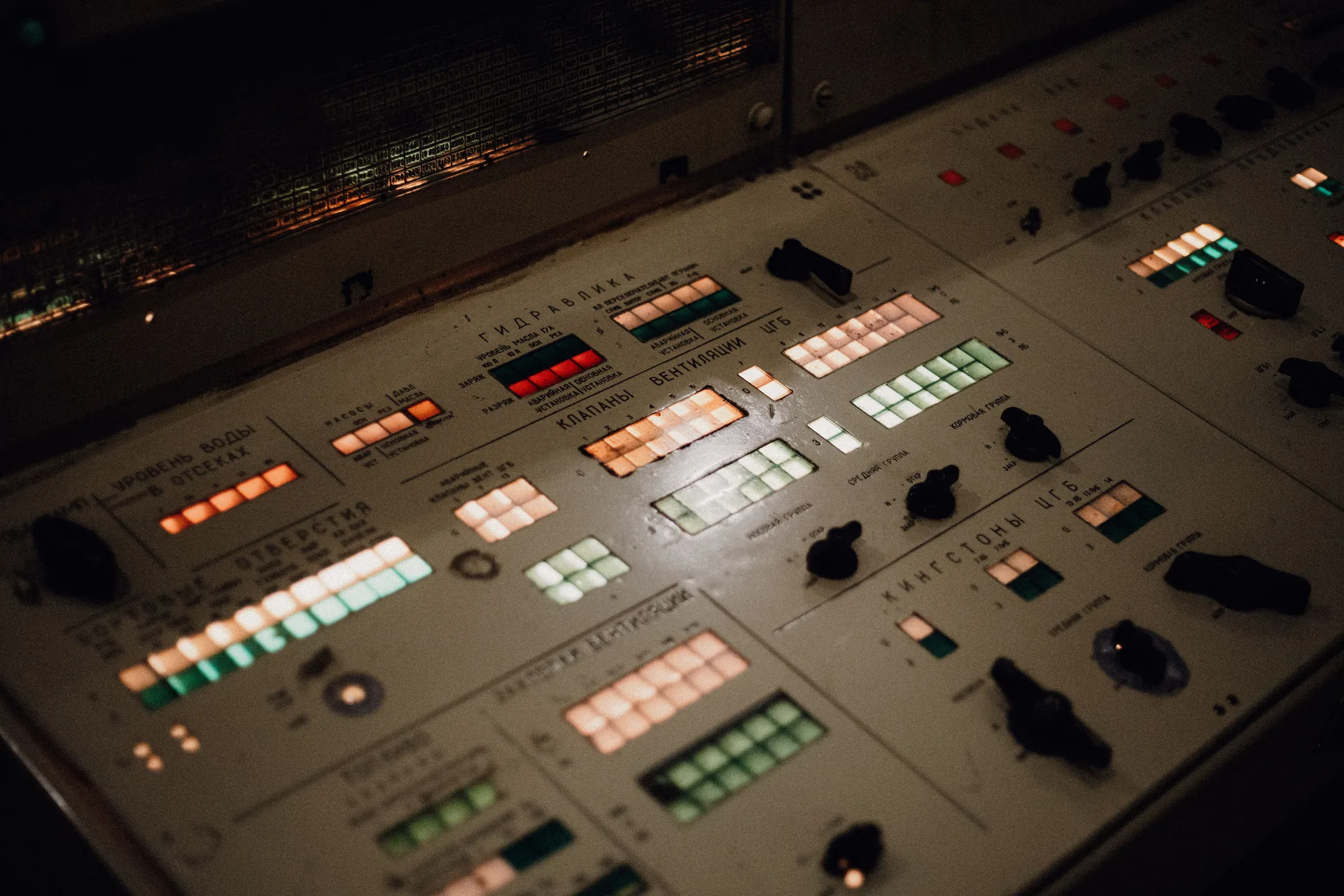
The photo shows a control panel in close-up, the kind of equipment load a commercial upgrade calculation adds up circuit by circuit.
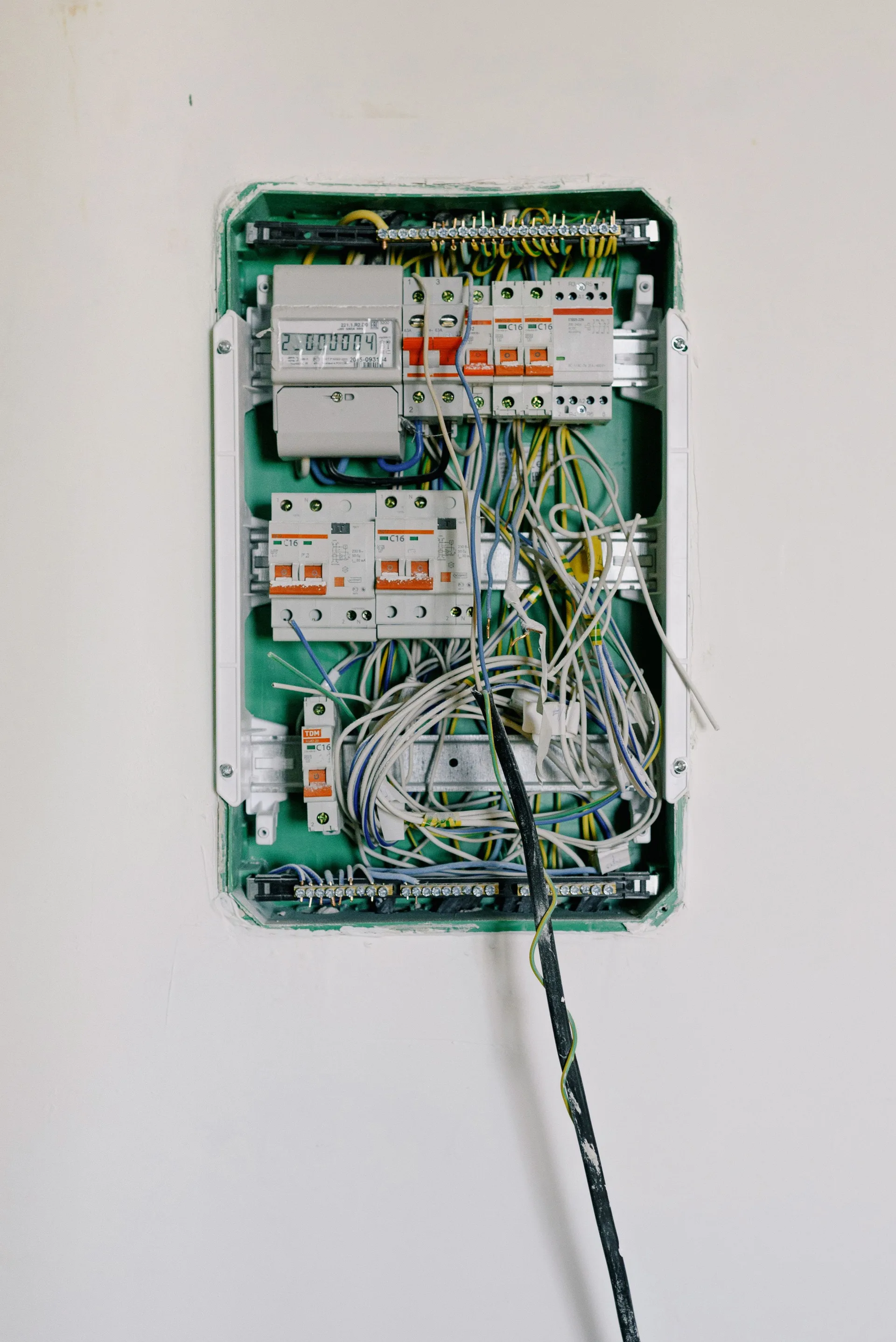
The photo shows an open board with breakers and wiring, the working end of an upgrade where circuits are landed in a planned order.
Does your building have the service your equipment needs?
Before ordering new equipment, check what service the building actually has. Some equipment needs a voltage or phase the building does not supply, and whether three-phase power is available at an address is a utility question, not something a panel swap alone creates. A space that looks right for a restaurant, shop, or workshop can still stall a fit-out when the required service is missing.
Verify the service early, with the equipment list in hand: each item's voltage and phase, the building's current service size, and what the utility can supply at that address. Tell us that list and the lease position when you call, so the upgrade scope, the shutdown window, and the approval paperwork are planned around real equipment rather than assumed loads.
Frequently asked questions: commercial panel upgrade in Fort Pierce
Who needs to approve a commercial panel upgrade?
Approval depends on the premises and the lease, so settle it before shutdown day. A business owner in their own building usually approves directly, while a tenant normally needs landlord agreement, since panel work changes building infrastructure. Ask who signs off on the scope, who holds the permit and inspection paperwork, and who pays for each part. Get those answers in writing, so no party discovers a different expectation on the day power goes off.
How is a commercial panel upgrade different from a residential one?
The load and the planning differ. A commercial upgrade is sized from business equipment — cooling, refrigeration, kitchen or workshop kit, lighting, and office systems — and the changeover is planned around trading hours, with a restart order for the circuits that matter most. A home upgrade is sized from household load and can sit dark with less cost. The panel work itself is similar; the consequences of the outage are not.
How do you limit downtime during a business panel upgrade?
Downtime is limited by staging: as much work as possible is prepared before the changeover, the outage window is agreed around trading, and circuits return in a planned order, with refrigeration, servers, and security first where they matter. Phased work splits the job across visits where one long closure is impossible. Ask for the outage plan in writing before work starts.
Can a commercial panel upgrade be phased across visits?
Often, yes. Phased work splits preparation, subpanel or feeder work, and the final changeover across planned visits, so the business never faces one long closure. Phasing takes longer overall and needs careful staging, so each visit leaves the premises safe and trading. It fits businesses that cannot close, but not premises where the existing panel is itself unsafe.
What is three-phase power, and does my business need it?
Three-phase power supplies larger motors and heavier commercial equipment more smoothly than single-phase power, and some workshop, kitchen, and refrigeration equipment needs it. Whether your premises has it, or needs it, depends on the equipment list and the existing service. A load calculation and a service check show whether three-phase is present, needed, or part of the upgrade scope.
Do commercial panel upgrades need permits in Fort Pierce?
In general, Florida Building Code requires a permit before installing, altering, or replacing a regulated electrical system, with an application to the building official first. Whether the City of Fort Pierce or St. Lucie County handles your permit depends on the exact address, so check the jurisdiction before work starts. Pin down the permitting office early: city or county depends on the address, and that answer shapes the schedule.
What size service does a small business need?
There is no standard small-business size. The answer comes from a load calculation: cooling, refrigeration, kitchen or workshop equipment, lighting, and office systems added up as they actually run together, plus planned new equipment. A provider who quotes a service size without that calculation is guessing. Ask to see the calculation before agreeing the scope.
Should surge protection be fitted with a commercial upgrade?
It is worth considering while the panel is open, since surge protection fitted at the panel guards the equipment the upgrade serves. Summer storms and hurricane season make surge exposure a real Fort Pierce factor for business electronics, refrigeration controls, and point-of-sale systems. Whether it fits your scope depends on the equipment at risk and the panel work already planned.
Need an electrician in Fort Pierce? Call now and describe the problem.