
Residential Electrician in Fort Pierce, FL
One visit that finds the fault, settles the small-jobs list, and leaves every circuit labeled — for homes in Fort Pierce ZIPs such as 34950 and 34947.
When you call, tell us the room, what stopped working, when it started, and what else was running.
What home electrical work covers
Home electrical work covers your panel, the circuits that carry power room by room, and the outlets, lights, fans, and fixed appliances they feed. If something stopped working, the provider traces the fault to one circuit, the panel, or the supply.
Your home may need several kinds of help at once. A home electrical repair visit finds the fault. A panel upgrade adds capacity. New outlets and switches, lighting and ceiling fans cover everyday additions.
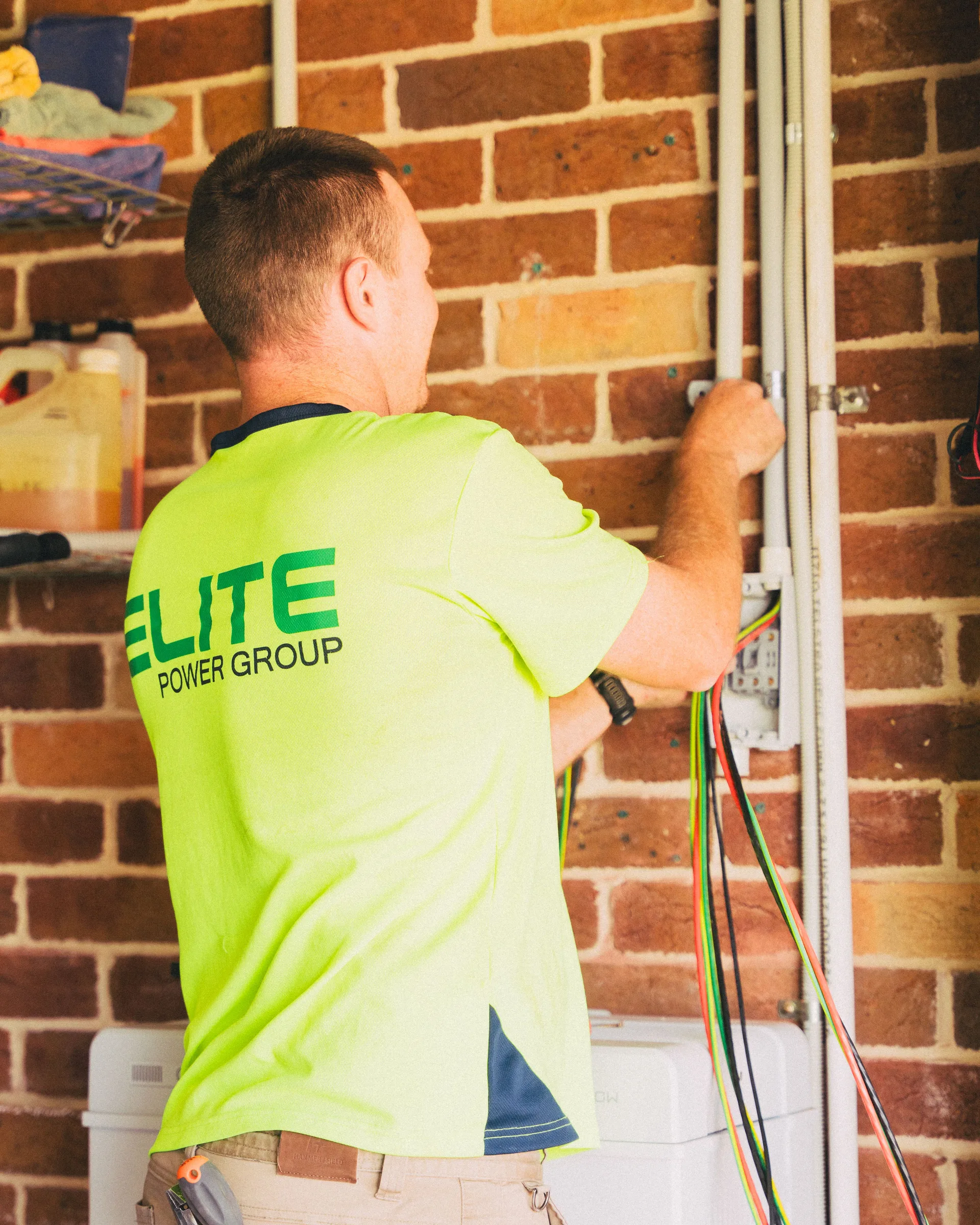
Signs you need it
- A breaker trips again after you reset it once, or trips when a second appliance starts.
- Lights flicker or dim across more than one room, especially when the air conditioner kicks in.
- An outlet feels warm, looks scorched, or has stopped working altogether.
- You have a list of small jobs — a dead outlet, a wobbly fan, a light that never worked right — and no single visit has cleared it.
- A home inspection report lists electrical items to fix before a sale goes ahead.
- You just bought the house and want a home electrical check before you settle in.
- A kitchen or bathroom upgrade needs power moved before the rest of the remodel starts.
- Sparks, a burning smell, smoke, or a warm or buzzing panel — treat these as urgent and call right away.
Your options, compared
| Option | What it covers | When it fits |
|---|---|---|
| Fault finding first | Diagnosis of a tripping breaker, dead outlet or flickering light | You know the symptom but not the cause |
| Panel and capacity work | Panel, service size and load check before new loads go in | The panel is full, old, or flagged on a report |
| Everyday additions | Outlets, switches, lights and fans in existing rooms | You want a new point of power or a new fitting |
| Bigger home systems | Generators, EV charging, rewiring and surge protection | You are adding a major load or backup power |
| Safety check first | A full home electrical inspection with findings in priority order | You are buying, selling, or unsure about an older home |
What changes the cost
No single number covers home electrical work, because one label covers jobs of very different sizes. A single outlet and a full rewiring job share almost nothing except the word "home." What moves the figure is the job itself, the state of the panel, how easy the wiring is to reach, and whether the scope needs a permit.
Infographic: Residential cost factors flowchart
How the job runs, step by step
Infographic: Residential work process
- Describe it. What stopped, when it started, what was running, and whether one room or the whole house is affected.
- Check the panel and circuits. Panel condition, circuit load and wiring type get checked before any fix, so a repair is not wasted on a deeper problem.
- Fix or install. The agreed job goes ahead — repair, panel work, outlet, light or fan — at the written price you accepted.
- Test and hand over. Work gets tested under load, the panel directory gets labeled, and you hear what to watch for next.
Fort Pierce notes
Fort Pierce homes vary a lot, and that variety shapes the work. Older homes often carry older panels and wiring, so a simple repair visit can turn up a panel question. Coastal homes face salt air, which wears outdoor equipment faster. Newer homes look modern but still run into capacity limits when an EV charger, a pool pump or a bigger air conditioner joins the load.
Which utility serves an address must be checked by address: Fort Pierce Utilities Authority (FPUA) serves much of the city, and Florida Power & Light (FPL) serves much of the area outside it. If the power is out, check whether your neighbors have power too — that tells a provider whether the fault is likely yours or the utility's. Summer brings the heaviest load, so a fault that hides in winter often returns when the air conditioner runs hard.
What a small-jobs visit should settle
A good small-jobs visit ends with a settled list: each job named, what it needs, what can wait, and what needs a panel step or a permit step first. Send the whole list room by room when you call, so the provider can work through it in one visit.
Order matters: power for a kitchen or bathroom change moves before finishes close over it, and a garage circuit gets sized for what will actually run on it. Wet rooms need the right protection, and a chirping hardwired smoke alarm needs a circuit check, not another battery.
- Tell the provider the jobs room by room, including what each one does wrong and what was running when it failed.
- Ask which jobs share a circuit, so one fault does not get fixed three times under three job names.
- Ask what the panel check found before any job is priced, since a full or flagged panel changes the order of work.
- Ask whether any job needs a permit, and remember that permit jurisdiction depends on the exact address, whether it sits inside city limits or in unincorporated county land.
How to choose a provider
Use this short checklist before you agree to any work:
- Ask whether they check timing, load and scope before they recommend a fix — or jump straight to a part swap.
- Ask for a written scope and price before work starts, and what changes if diagnosis finds a panel or wiring problem.
- Ask whether they test under load when they finish, and explain the result in plain words.
- Ask whether the problem can safely wait, rather than paying for an urgent visit you did not need.
- If you want to check a provider's license, ask them directly for their license number.
Something stopped working at home? Call now and describe the fault, room by room.
Related services and areas
Start with electrical repair for diagnosis, panel upgrade for capacity, or electrical inspection for a full safety check. For backup power see generator installation, for charging see EV charger installation, and for whole-home protection see whole-house surge protection. If the warning signs point to danger, emergency help comes first, not a scheduled visit.
Home electrical work reaches houses across Fort Pierce. See the service areas hub for the full list, and tell us your town or ZIP when you call so the provider knows where the job sits.
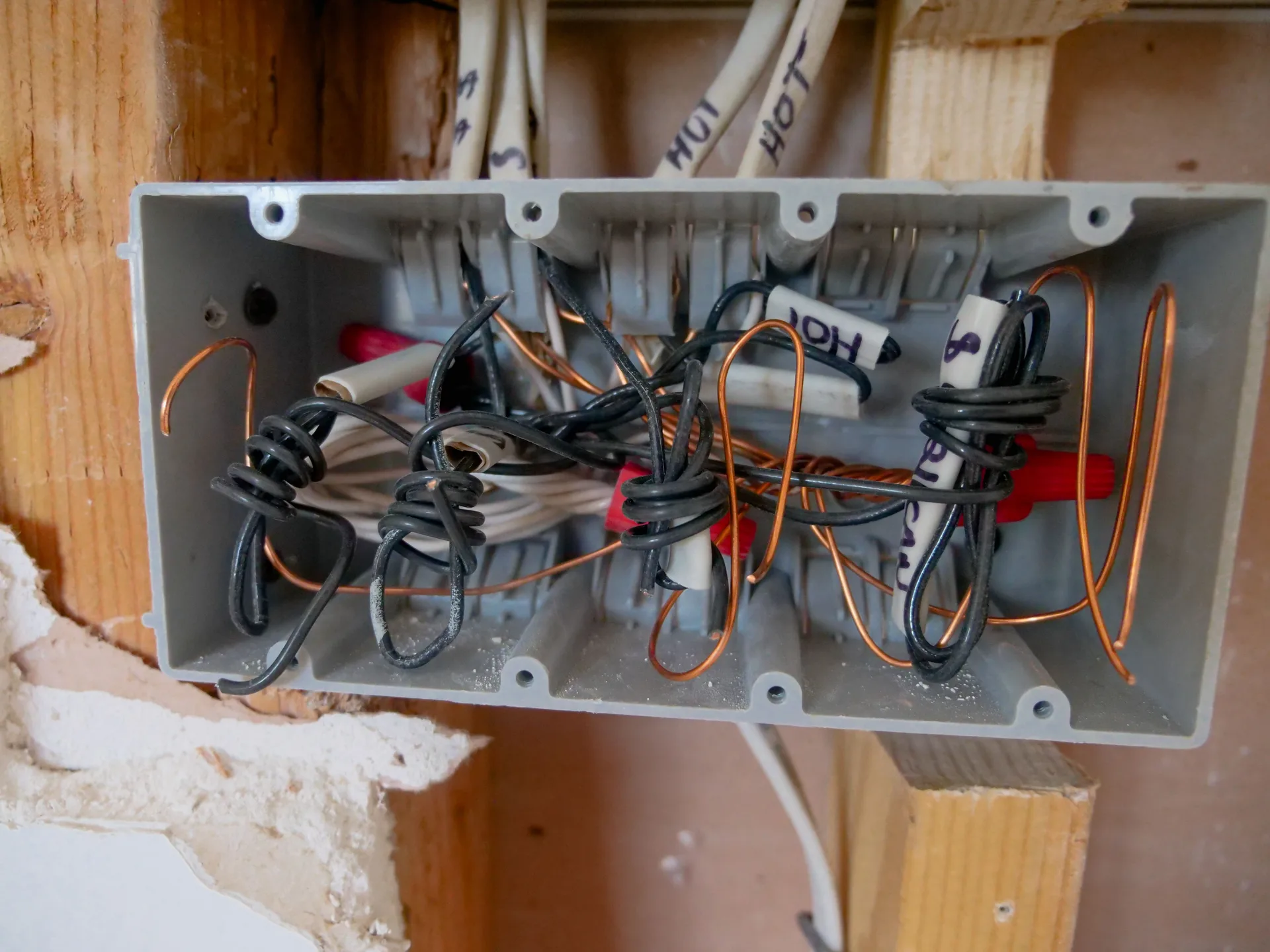
An open switchboard shows how crowded the inside of a panel can get, which is why the provider checks the panel and circuits before changing anything.
Remodels, new builds, upgrades and coastal repairs
Residential work in Fort Pierce falls into a few clear shapes: a remodel needs power moved before finishes close, so circuits, outlets, and lighting land where the new layout uses them; a new build needs the same circuits planned while walls are open; and a service upgrade comes into play when the load outgrows the panel.
Coastal homes add their own angle: salt air wears outdoor panels and fittings on the mainland and on Hutchinson Island alike, so outdoor equipment gets checked for corrosion rather than assumed sound. For the full corrosion picture, read the salt-air corrosion guide.
A list of small jobs is worth one settled visit, not a string of callouts. Send the whole list when you call — flickering lights, a dead outlet, a fan that never got wired, a chirping smoke alarm — and the provider prices each item plainly and says which items wait and which matter now.
Frequently asked questions: residential electrician in Fort Pierce, FL
What does a residential electrician do?
A residential electrician works on homes: panels, circuits, outlets, lighting, fans and repairs, with safety and capacity checked first. Some jobs are small, like one new outlet. Others are large, like a panel upgrade or rewiring. If you know the job, use its own service page. If you are unsure, call and describe the symptom, and the provider will point you to the right starting page.
How often should a home electrical inspection be done?
There is no single schedule that fits every house. A sensible time is when you buy a home, after a major remodel, after storm or water damage, or when an older home has never been checked. Repeated tripping, flickering lights or a panel flagged on a report are also good reasons. A provider can look at your home's age and panel type and suggest a sensible interval for you.
What electrical upgrades add safety to an older Fort Pierce home?
The most useful upgrades depend on what your home already has. A panel check comes first, since an old or flagged panel affects everything downstream. Ground fault protection in wet rooms, working smoke detectors, a labeled panel directory and surge protection at the panel all add safety. A provider who has seen your panel can rank these for your home instead of selling them as a bundle.
How much does residential electrical work cost in Fort Pierce?
No single figure covers it, because residential work spans jobs of very different sizes. The job itself matters most, followed by panel condition, access to the wiring, and whether a permit is part of the scope. Ask for a written price based on your home and panel before work starts, and ask what changes if diagnosis finds a deeper panel or wiring problem.
Do I need a permit for home electrical work in Fort Pierce?
In general terms, the Florida Building Code requires a permit before installing, altering or replacing a regulated electrical system, with an application to the building official first. Whether one job follows the same permit path as panel work depends on its scope and on jurisdiction, so check by address before work starts rather than after.
What should I tell a provider when I call about a home?
Tell them what is happening, when it started, what was running at the time, and whether one circuit or the whole house is affected. Add your town or ZIP. That pattern — timing, load and scope — is what a provider uses to judge whether the fault is a circuit, a panel, a service or a utility problem, and it saves a wasted visit.
Is this an emergency?
It depends on the warning signs. Sparks, a burning smell, smoke, a warm or buzzing panel, or a breaker that will not reset need urgent attention — call right away and stay clear of the panel. A dead outlet, one flickering light or a request for a new outlet is usually a scheduled job that can wait for a normal visit during opening hours.
Can one visit clear a list of small jobs?
Yes, when the list is given room by room before the visit, with what each job does wrong and what was running when it failed. A provider can then check the panel and circuits once, group jobs that share a circuit, and say plainly which jobs are finished, which need a panel or permit step first, and which can wait for a later visit. Permit or panel steps should be named first, not squeezed in.
Need an electrician in Fort Pierce? Call now and describe the problem.