
Tesla Wall Connector Installation in Fort Pierce
Wake up to a charged car, every morning — a dedicated circuit and panel check sized for your home, so charging just works.
When you call, tell us your panel size, your Tesla model, and where the car parks.
What is Tesla Wall Connector installation?
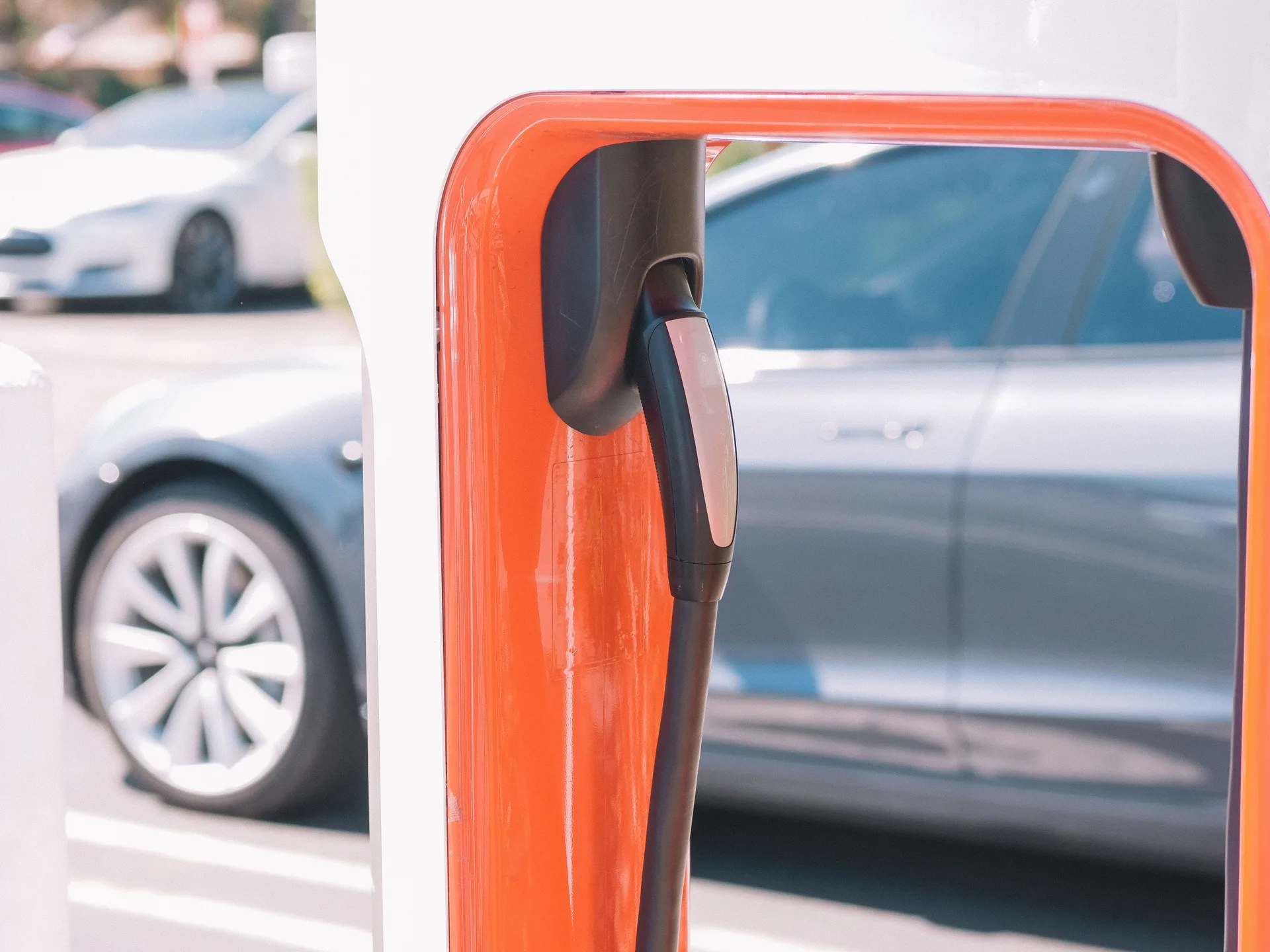
Tesla Wall Connector installation is the work of fitting Tesla's home charging unit: mounting the unit, running a dedicated circuit from the panel to the unit, checking the panel's capacity for the new load, and setting the unit up for the household's car. It is a Tesla-specific job, because the unit uses Tesla's connector and setup, even though the wiring steps — dedicated circuit, panel check, load management — match other home charger installs. People often search for this job as Tesla home charger installation, and its heart is a Wall Connector dedicated circuit: one circuit, sized for the charger, shared with nothing else. When you look for a Tesla Wall Connector installer in Fort Pierce, that dedicated circuit and load check are the two things to ask about first.
Signs your home needs Wall Connector work
Wall Connector trouble usually shows up as charging trouble, but the signs below point to circuit, panel, or placement behind the charger.
- The breaker trips when the car charges. A tripping breaker points to a circuit or panel capacity problem, not to the car itself.
- Charging stops partway through the night. A charge that stops and restarts points to a circuit, connection, or load problem behind the unit.
- The unit or cable feels warm, or the breaker buzzes. Warmth or buzzing at the unit or panel should not be ignored, and the charger should not be forced to run.
- The car charges far slower than expected at home. Slow charging points to the circuit setup, the load management setting, or the panel capacity behind the unit.
- No spare breaker space for a new charger circuit. A full panel needs a capacity decision — subpanel, load management, or upgrade — before a circuit is added.
- The only parking spot has no practical wiring route. A spot far from the panel, or with no sheltered wall, needs a placement and routing plan before a unit is bought.
What you get
- A Wall Connector on its own dedicated circuit, sized from a load calculation — not a guess from the charger alone.
- A charge that runs overnight without tripping the breaker, with load management where the panel is tight.
- A unit spot and cable route agreed before fitting, so the cable reaches the car's charging port.
Options compared: Wall Connector setups
| Option | Best for | Watch out for |
|---|---|---|
| Wall Connector on a spare circuit | A panel with spare capacity and space | Still needs a panel check first |
| Wall Connector with load management | A panel that is tight but not undersized | Charging slows when other large loads run |
| Wall Connector after a panel upgrade | A full or undersized panel | Bigger job; needs permit and utility coordination |
| Wall Connector in the garage | A sheltered wall near the parking spot | Cable must reach the car's charging port |
| Wall Connector outdoors | A home with no garage parking | Needs a sheltered spot and outdoor-suitable routing |
Before you agree: Shopping for Tesla charger installation in Fort Pierce? Run through a few checks before you agree to anything.
What changes the cost
The unit is the smallest part of the story: the circuit run, the panel, and the parking spot decide the job, so no single Fort Pierce figure fits every home. A unit fitted on a garage wall near a panel with spare capacity is a smaller job than a unit fitted far from the panel, outdoors, or on a panel that needs load management or an upgrade. The unit itself is only one part of the job, and the circuit, panel work, and routing often decide the total. Long runs and trenching to a driveway spot, pedestal mounts where no wall is handy, and power sharing between two cars are the extras that stretch a job. If the household also runs a non-Tesla EV, ask about the Universal Wall Connector, which carries a built-in adapter for other makes.
Related: EV charger installation in Fort Pierce, electrical panel upgrade in Fort Pierce, whole-house surge protection in Fort Pierce, EV charger permit in Florida, Fort Pierce South.
Ready to charge at home instead of hunting for a plug? Call now and tell us your panel size and Tesla model.
How a Wall Connector visit runs, step by step
The provider checks the panel and runs a load calculation, agrees the unit spot and circuit route, runs the dedicated circuit and mounts the unit, then sets it up for your car and tests a charge.
Diagram: Wall Connector circuit and load management
Fort Pierce notes: garages, salt air, and storms
Fort Pierce homes add three local checks to a Wall Connector install. Garage parking suits a sheltered wall mount, while driveway parking needs an outdoor spot with shelter and outdoor-suitable routing, and salt air near the coast wears outdoor fittings faster than garage fittings. Older homes in Fort Pierce South and Lakewood Park often have panels with no spare space, so the load calculation matters more there than in a newer home with a larger panel.
Summer storms and hurricane season from June 1 to November 30 add a second check: a Wall Connector that loses power stops charging with the rest of the house, so the household should know that home charging depends on the home's power, not on the car alone. Which utility serves an address — Fort Pierce Utilities Authority (FPUA) or Florida Power & Light (FPL) — must be checked by address where service work is involved.
A Wall Connector problem is urgent when you see sparking, smell burning, or find a unit, cable, or breaker that feels warm or buzzes. Stop charging, stay clear of the fitting, and switch the circuit off at the breaker if you can do so safely. If there is a fire or anyone is hurt, call 911 first.
Fort Pierce ZIPs covered on this page: 34950 and 34982.
Worth knowing before you call
Two EVs, one panel: power sharing and load management: Competitor pages compare charger models, but they stop short of the question Fort Pierce households with two EVs actually ask: what happens when both cars charge at once. A load calculation answers that before any charger is ordered. 100-amp vs 200-amp service.
When the panel cannot carry the full charge setting: A Wall Connector at its highest setting needs a large dedicated circuit, and a panel already carrying air conditioning, a dryer, an oven, and a water heater may not have room for it. That does not always mean a panel upgrade. Panel upgrade cost factors.
Frequently asked questions: Tesla Wall Connector installation in Fort Pierce
Can two Teslas share one Wall Connector circuit?
Yes, with power sharing, where two Wall Connectors on one circuit split the available current instead of each drawing full rate at once. That only works when the circuit, breakers, and charger settings are matched to the panel capacity shown by a load calculation. Without that calculation, two cars charging together can trip the breaker or overload the service. Ask your provider to confirm sharing settings in writing before installation.
What is a Tesla Wall Connector?
A Tesla Wall Connector is Tesla's home charging unit, mounted on a wall in a garage or near a parking spot and wired to a dedicated circuit. It charges a Tesla at home, faster than a standard wall outlet, because it runs on its own circuit rather than sharing one. It is a Tesla-specific unit, so it differs from a general Level 2 charger that serves many makes.
Does a Tesla Wall Connector need its own circuit?
Yes. A Tesla Wall Connector runs on a dedicated circuit, so nothing else shares the circuit while the car charges. The circuit size follows the unit's requirements, the panel's capacity, and the home's other loads. A provider checks the panel and runs a load calculation before choosing the circuit, rather than guessing from the charger alone.
Do I need a panel upgrade for a Tesla Wall Connector?
Not always. A panel in good condition with spare capacity may take a Wall Connector circuit with no upgrade at all. A panel upgrade enters the picture when the panel is full, undersized for the home's loads, or in poor condition. Load management, which shares available capacity between the charger and other loads, may suit a home where a full upgrade is more than the job needs.
What is load management for a Tesla charger?
Load management is a control that watches how much power the home is using and limits the charger when other large loads are running, so the service is not overloaded. It lets a home charge a Tesla without a panel upgrade in cases where the panel is tight but not undersized. A provider checks the panel and the home's loads before recommending load management.
Can a Tesla Wall Connector be fitted outdoors?
It depends on the spot. A Wall Connector fitted outdoors needs a spot sheltered from direct weather damage, a suitable mounting surface, and a wiring route that suits outdoor conditions, including salt air near the coast. A provider checks the spot, the mounting, and the wiring route before recommending an outdoor fit, rather than assuming any wall will do.
Do I need a permit for a Tesla Wall Connector in Fort Pierce?
In general, Florida Building Code 105.1 requires a permit before installing, altering, or replacing a regulated electrical system, with an application to the building official first. Whether the City of Fort Pierce or St. Lucie County handles your permit depends on your exact address, so check the jurisdiction before work starts.
How is a Tesla Wall Connector different from a general EV charger?
A Tesla Wall Connector is made for Tesla vehicles, with Tesla's connector and setup, while a general Level 2 charger serves many makes through a shared connector standard. The wiring job is similar — a dedicated circuit, a panel check, and load management where needed — but the unit, the setup, and the vehicle fit differ. For general Level 2 charging, see the EV charger page.
Need an electrician in Fort Pierce? Call now and describe the problem.