
Does an Attic Fan Help a Fort Pierce Home?
An attic fan helps a Fort Pierce home only when the attic has enough intake vents and insulation, because the fan can only move air the vents let in. This page covers how fans work, solar versus electric models, and when a fan is the wrong fix. Call (772) 218-3629 and tell us whether your attic has soffit vents.
Your attic sits under a roof that bakes in the sun all day. Without attic ventilation, that attic heat builds up, radiates down through the ceiling, and makes your air conditioner work harder. An attic fan is a powered exhaust fan that actively moves that hot air out, instead of waiting for passive vents to do the job slowly.
Need an electrician in Fort Pierce? Thinking about an attic fan? Call and tell us your attic size and whether a circuit is already nearby.
How an attic fan works
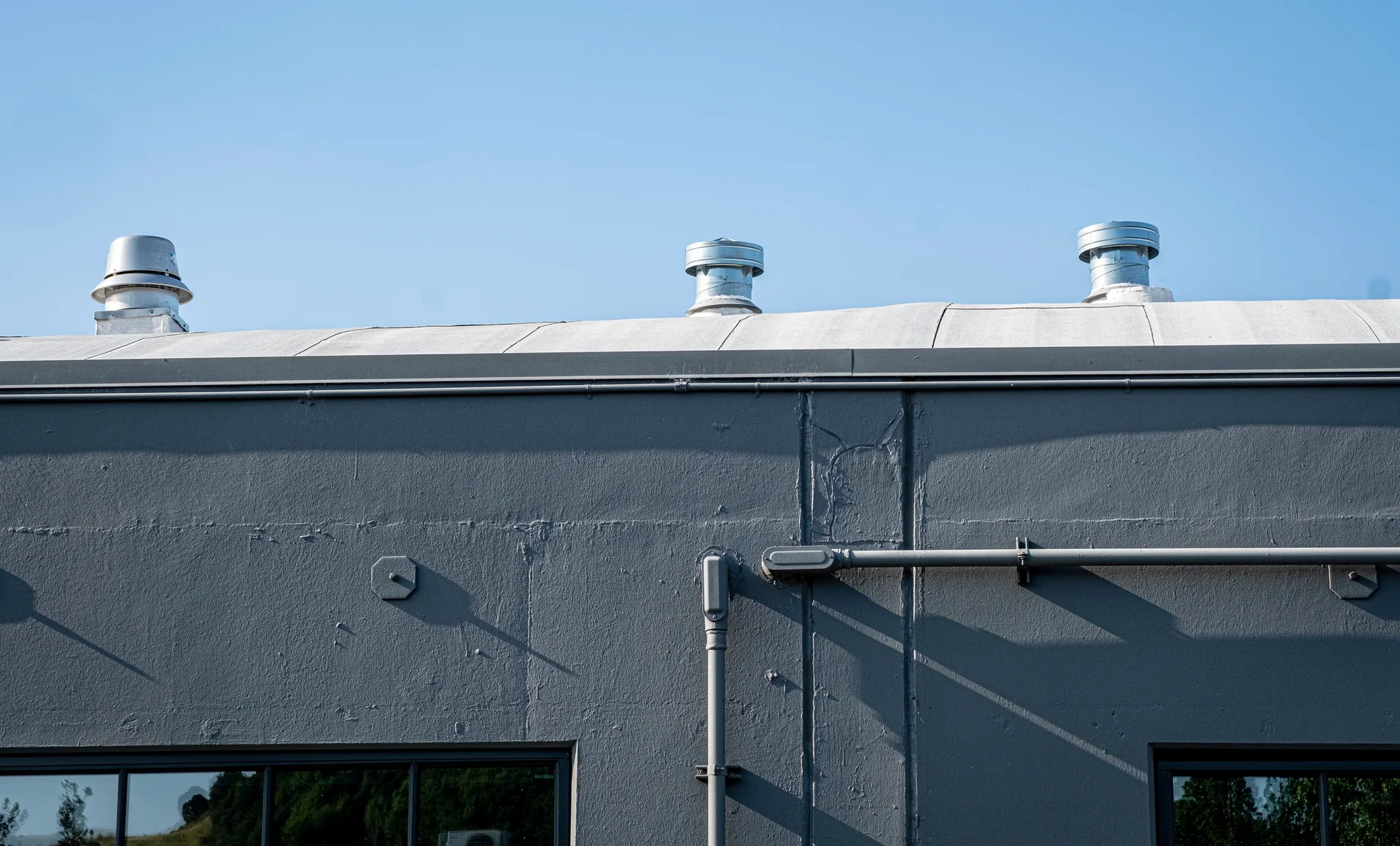
An attic ventilation fan mounts high in the attic or on the roof, and it exhausts hot air outside. The attic fan benefits worth weighing are cooler ceilings, less strain on the air conditioner, and drier attic air. Replacement air enters through lower intake vents, usually in the soffits, and the airflow carries heat out of the space. The fan does not cool your living rooms directly. It cools the attic, which reduces the heat pressing down on your ceilings.
Two controls matter. An attic fan thermostat switches the fan on when the attic reaches a set temperature, so it runs during peak heat and rests when the attic is already cool. A humidistat, included on some models, switches the fan on when attic humidity rises, which helps in a humid climate where trapped moisture feeds mold and wood damage.
Powered, solar, and whole-house: do not confuse them
A powered attic fan runs on household electricity and a thermostat. A solar attic fan runs on its own small solar panel, so it needs no wiring run and runs hardest exactly when the sun is strongest. A whole-house fan is a different machine entirely: it pulls air through the living space and out through the attic, and it only helps when outside air is cooler than inside air. Mixing these up leads to buying the wrong fan for the job.
When an attic fan helps in Florida heat
- The attic has enough intake vent area for the fan to draw from, so it moves outside air, not conditioned air from the house.
- The ceiling below is air-sealed reasonably well, so the fan does not suck cooled air up through gaps.
- The home has no combustion appliances that could backdraft when the fan pulls the attic into negative pressure.
- Passive ventilation alone leaves the attic very hot through the afternoon.
When an attic fan is not the right fix
Here is the honest catch, backed by Florida research: an attic that is already well insulated, with good natural ventilation, often gains little from a powered fan. That attic cooling and ventilation balance is easy to get wrong. The insulation already slows heat transfer, so cooling the attic further changes the living space less than you would expect. Worse, a fan in a poorly sealed attic with too little intake air can pull conditioned air straight out of your living rooms, raising cooling bills instead of lowering them, and can backdraft a gas water heater or furnace.
That is why a provider should check intake vents, ceiling air sealing, and insulation before recommending a fan. A fan on a bad attic setup treats the symptom and can make the energy bill worse.
What installation involves
For a powered fan, the work is mounting the fan, cutting or using the vent opening, wiring it to a thermostat control, and confirming intake vents can supply it. A solar fan skips the wiring run but still needs the right roof position and intake balance. Either way, the attic side of the job is hot, cramped work, and the attic fan wiring side belongs to a provider, not a ladder-and-drill weekend project.
Cost factors, rather than a single figure, decide the scope: fan type, roof or gable mounting, wiring distance, thermostat or humidistat controls, and any intake vent work needed to balance the system. A provider should price your attic after looking at it.
Related checks before you commit
Ask about insulation and air sealing first, because those often matter more than the fan itself. A home electrical inspection can flag wiring or ventilation issues in the attic, and the lighting installation page covers other attic-adjacent electrical work. Bathroom fans, which share the same moisture logic, are covered on the bathroom fan installation page, and persistent tripping during fan work points to electrical repair.
Next step
Before you buy a fan, check two things from inside the attic on a hot afternoon: whether your soffit intake vents are open and clear, and whether daylight or dust trails show gaps in the ceiling below. Call Mon-Sat 9:00-18:00 and describe your attic, and a provider can tell you whether a fan, more intake air, or insulation work fits best.
Solar or electric, and the intake warning
Powered fans come in two kinds, and the trade-off is simple. A solar fan runs on daylight, so it costs nothing to run and works hardest exactly when the sun is heating the roof. Cloudy days slow it down, and it stops at night. An electric fan runs whenever you want, including at night and on overcast days, but it adds to your electric bill and needs wiring.
Either kind needs one thing people forget: enough air coming in. A fan pulls air out of the attic, and replacement air has to enter through soffit or gable vents. With too little intake, a fan can start pulling conditioned air up from the living space below, which works against the cooling you wanted. Checking intake vents is part of sizing the job, not an extra.
Insulation belongs in the same conversation. Insulation slows heat moving through the ceiling into your rooms, while a fan lowers the temperature of the attic air itself. The two tackle the problem from different sides, so a thinly insulated attic often benefits more from insulation first, with the fan added after. Some fans also offer a humidistat alongside the thermostat, switching on when attic humidity climbs. In a humid climate that extra control helps keep condensation and mold risk down.
Finally, compare a powered fan with passive ventilation before you commit. A ridge vent paired with open soffit vents moves air without a motor at all, and for some roof shapes that quiet, passive flow is enough. A powered fan earns its place when passive flow cannot keep up.
Photos and quick reference
How attic air moves
Step 1: intake vents low draw air in. Step 2: air moves across the attic. Step 3: the fan pushes air out high. Step 4: hot air leaves the roof space.
| Type | Power source | Fits best when | Limit |
|---|---|---|---|
| Powered attic fan | Mains electricity | Attics with steady heat buildup and good intake | Needs intake air to work; a sealed attic starves it |
| Solar attic fan | Sunlight on its own panel | Roofs with strong sun and no easy wiring route | Runs only while its panel gets sun |
| Whole-house fan | Mains electricity | Pulling cooler evening air through open windows | A different job from an attic fan; it cools living space, not the attic alone |
Attic fans and equipment sitting in the attic
Many Fort Pierce homes keep ductwork or air-handler equipment in the attic, and that equipment sits in the hottest air in the house. An attic fan lowers attic air temperature, which eases the load on that equipment, but it does not seal leaking ducts or replace thin insulation. Heat still moves through the ceiling when insulation is thin, and cooled air still escapes through duct leaks.

Check insulation depth and duct condition before committing to a fan, and tell the provider whether ducts or equipment sit in your attic. A fan plus sound insulation and sealed ducts is a stronger combination than a fan on its own, and a provider can say which part of your attic needs attention first.
Need an electrician in Fort Pierce? Thinking about an attic fan? Call and tell us your attic size and whether a circuit is already nearby.
Frequently asked questions
Does an attic fan help in Florida heat?
It can, when the attic has enough intake vent area and the ceiling below is reasonably air-sealed. Then the fan moves hot attic air out and draws outside air in, easing the heat pressing on your ceilings. When intake air is short or the ceiling leaks, the fan may pull cooled air from your living space instead, which raises cooling bills.
What size attic fan do I need?
Fan size follows attic volume and the airflow rating of the fan, not the size of the house alone. Too small, and it barely changes attic temperature. Too large for the intake vents, and it starves for air and pulls from the house instead. A provider should size the fan to your attic and confirm the intake vents can supply it.
Does an attic fan need a thermostat?
A thermostat is the usual control: it switches the fan on when the attic reaches a set temperature and off when it cools, so the fan runs during peak heat and rests otherwise. Some models add a humidistat, which switches the fan on when attic humidity rises. Solar fans run on sunlight instead, hardest when the sun is strongest.
Can an attic fan pull conditioned air from the house?
Yes, and that is the main risk of a bad installation. If intake vents are blocked or too small, the fan draws air from wherever it can, including through gaps in the ceiling from your cooled living space. It can also backdraft combustion appliances. Checking intake area and ceiling sealing before installation prevents this.
Is an attic fan the same as whole-house ventilation?
No. An attic fan ventilates the attic only, moving hot air out of the roof space. A whole-house fan pulls air through the living rooms and out through the attic, and it only helps when outside air is cooler than inside air. They solve different problems, and buying one when you need the other wastes the investment.
Need an electrician in Fort Pierce? Call now and describe the problem.