
Why Does My Breaker Keep Tripping in Fort Pierce?
A breaker that keeps tripping is stopping a circuit from overheating, and the cause is overload, a fault, or a worn breaker. This page shows how the tripping pattern points to the cause, what you can check, and when to stop resetting. Call (772) 218-3629 and tell us which breaker trips, what was running, and how fast it trips again.
A breaker trips to cut power when current on its circuit goes where it should not, or climbs past what the wiring can carry. Once in a blue moon, after you plug in something new, that is usually overload. Every time, instantly, or with a burning smell, that is a fault or a dying breaker, and resetting it again will not fix anything.
Need an electrician in Fort Pierce? Breaker tripping again? Call and tell us which breaker trips, what was running, and how fast it trips again.
Breaker tripping causes, compared
| Cause | What happens | Clue | Usual fix |
|---|---|---|---|
| Overload | Circuit overload: too much load on one circuit | Trips when several appliances run together | Move load or add a dedicated circuit |
| Short circuit | Hot wire touches neutral wire | Instant trip, often with a pop or spark | Find and repair the fault, then reset |
| Ground fault | Current leaks to ground | Trips in wet areas or after water exposure | GFCI protection and fault repair |
| Worn or faulty breaker | Breaker trips below its rating or will not hold | Trips with normal load, or feels loose or hot | Breaker replacement by a provider |
Tripping in one room vs tripping randomly
Breaker trip diagnosis starts with the pattern. Repeated breaker tripping wears the breaker, so note the pattern early. Where it trips tells you a lot. Tripping in one room points to that room's circuit: something on it is overloading it or faulting. Tripping randomly, across different circuits, points wider, toward the panel or the supply. Tripping with nothing plugged in points to a fault in the wiring itself, not to anything you own. Each pattern sends the provider to a different place first, so note the pattern before you call.
What you can safely check yourself
- What was running when it tripped, and whether one new appliance started the pattern.
- Whether the trip affects one circuit or several.
- Whether a GFCI outlet on the circuit has tripped, and whether its reset button restores power.
- Any visible damage: scorch marks, melted plastic, a hot breaker, or water near the panel.
One breaker reset, done once, is a test, not a fix. Reset once, firmly off then on, after you unplug the heaviest item. If it holds, you have a lead: the cause was an electrical overload. If it trips again straight away, leave it off. Do not open the panel interior, do not fit a larger breaker to stop tripping, and never hold a breaker on or tape it on.
What to do when a breaker trips
Step 1: stop and note what was running. Step 2: unplug the heaviest items on the circuit. Step 3: reset the breaker once, firmly off then on. Step 4: if it trips again, leave it off and call a provider.
Breaker trip causes at a glance
Overload: too much load, trips when appliances run together. Short circuit: hot touches neutral, instant trip. Ground fault: current leaks to ground, often in wet areas. Worn breaker: trips at normal load or will not hold.
After a storm, and with the air conditioner
Tripping after a storm deserves extra caution. Water may have reached outdoor equipment, the meter, or a panel, and a circuit that trips after water exposure should stay off until a provider looks at it. Tripping when the air conditioner starts is a different story: a big motor draws a surge at startup, and if its circuit is already near its limit, that surge tips it over. Both patterns are common in Fort Pierce, and both have different fixes.
When it is urgent
Call for help now if: you smell burning, see scorch marks or smoke, the panel or a breaker feels hot, you see sparks, or the breaker trips instantly every time. If there is a fire or anyone is hurt, call 911 first. For a downed line or an outage, call your utility, not a provider.
Why it keeps happening in Fort Pierce homes
Summer air conditioning adds a large, sustained load, so a circuit that coped in winter can trip in summer when the air conditioner, pool pump, and kitchen appliances run together. Older homes may also carry panels and circuits sized for a smaller load than today's homes demand. Both are broad patterns, not claims about any single home. A provider should check your panel and circuits before deciding what your home needs.
A breaker keeps tripping in Fort Pierce homes most often in summer, when cooling and kitchen loads peak together. When tripping keeps returning, the useful next steps are a panel check and a load calculation, described on the panel upgrade page, and a full check described on the electrical inspection page. A single faulty circuit, a circuit fault rather than a capacity problem, usually stays as electrical repair, and anything sparking, hot, or smelling of burning is emergency work first, not a scheduled repair.
What changes the cost
The cause decides the job, so this page gives factors instead of a figure. A dedicated circuit, a breaker replacement, a fault repair, and a panel upgrade are different jobs with different scope. Panel condition, access to the panel and the circuit, parts needed, and permit and inspection coordination where it applies all shape what a provider quotes. Your specific circuit and panel should be priced after they are looked at, not guessed from your town.
Next step
Write down the pattern: which breaker, what was running, how fast it trips again. The circuit breaker tripping fix depends on that pattern, so bring it with you when you call. Call Mon-Sat 9:00-18:00 with that pattern in hand, and the provider can usually tell you whether it sounds like overload, a fault, or a worn breaker before anyone visits.
A tripping breaker is the safety device doing its job
It helps to flip the worry around. A breaker that trips is protection working as designed: it cut power before wiring overheated. The genuinely dangerous case is the opposite, a breaker that fails to trip when it should. That is why repeated resetting is the habit to break. After a second trip in a row, stop resetting and find the cause. Each extra reset without fixing the underlying problem raises the risk of wiring damage.
Not every tripping breaker is the same kind of problem. A branch breaker protects one circuit, while the main breaker protects the whole house. When the main breaker trips, the cause sits closer to the service itself, and that call deserves more urgency than a single room circuit.
Two breaker types trip more often by design, and knowing them saves confusion. Ground-fault breakers watch for current leaking to ground, so they react to moisture that a standard breaker ignores. Rain and humidity can trigger an outdoor or garage ground-fault breaker even when the wiring is sound, though persistent trips still need a provider's look. Arc-fault breakers watch for the electrical signature of arcing, and they can trip on worn cords, loose plugs, and motor-driven appliances such as vacuums and treadmills, especially on bedroom and living-room circuits.
One more pattern matters: several breakers tripping around the same time. A single circuit tripping points to that circuit. Multiple breakers point to something bigger, such as the panel or the service, and that is a provider visit rather than a reset.
Photos and quick reference
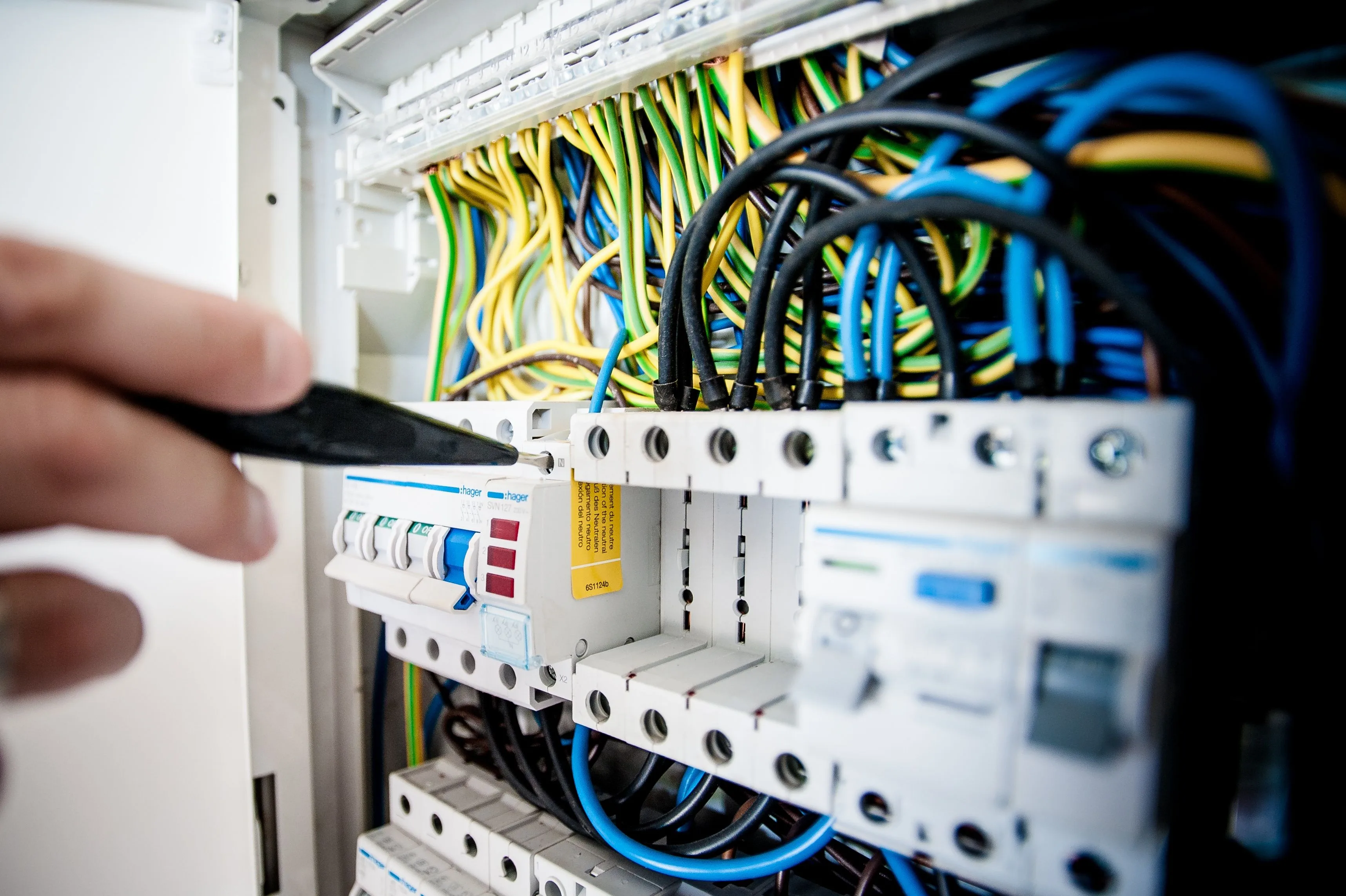
Tripping that started after a new appliance or remodel
Trips that begin right after a new EV charger, heat pump, hot tub, or kitchen remodel point to added load rather than a sudden fault. The new equipment may have pushed a circuit, or the whole service, past comfortable capacity, especially in a home whose circuits were planned for smaller loads. Note the date the trips started and the equipment that arrived with them.
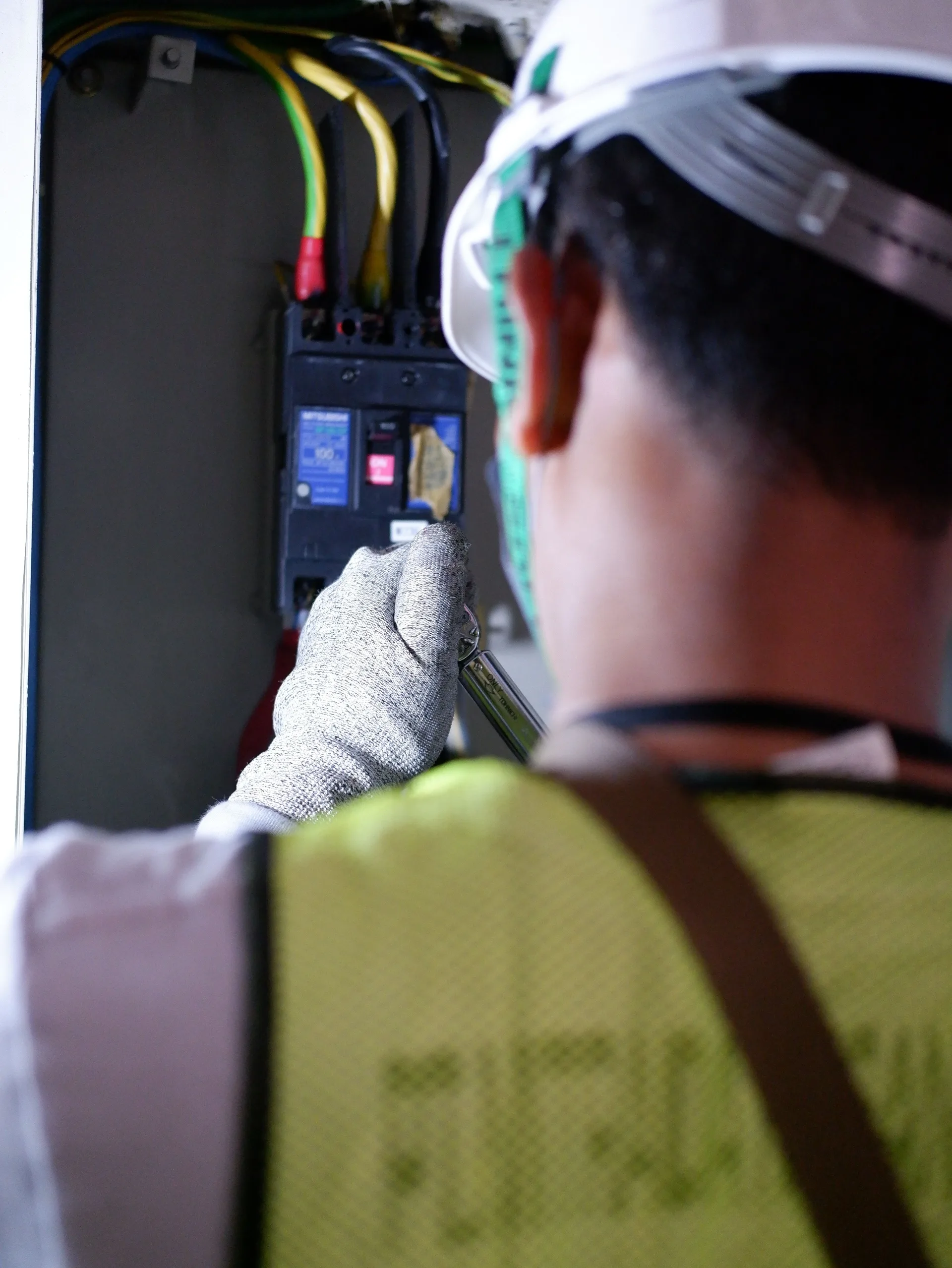
The fix depends on where the load sits: moving loads across circuits, a dedicated circuit for the new equipment, or a panel and service check where the whole home is tight. Never fit a larger breaker to stop tripping, since the breaker must match the wiring it protects. When you call, tell us the new equipment, the breaker involved, and whether the trip is instant or happens after the equipment has run a while.
Need an electrician in Fort Pierce? Breaker tripping again? Call and tell us which breaker trips, what was running, and how fast it trips again.
Frequently asked questions
Is it safe to keep resetting a tripping breaker?
Resetting once, after you check what was running and unplug the heaviest item, is a reasonable homeowner step. Resetting again and again without finding the cause is not safe, because the breaker is tripping to stop a circuit from overheating. If it trips a second time straight away, stop resetting it and call a provider instead of forcing the circuit back on.
What is the difference between an overload, a short circuit, and a ground fault?
An overload means too much load on one circuit, such as several heaters or kitchen appliances at once. A short circuit means a hot wire touches a neutral wire, which causes a very large current and an instant trip. A ground fault means current leaks to ground, often through water or damaged insulation, and a GFCI device trips to stop a shock.
Why does my breaker trip when the air conditioner or microwave runs?
Large appliances draw a high current when they start, and if they share a circuit that is already near its limit, the total load passes the breaker rating and it trips. This is often an overload problem, not a faulty appliance. A dedicated circuit for a large appliance is the usual fix, and a provider should check the panel load before adding circuits.
Can I replace a breaker myself?
Replacing a breaker means working inside a live panel, where the main bus bars stay energized even when one breaker is off. That is not a safe homeowner job. A provider should also check why the breaker failed, because a new breaker on a faulty circuit will trip again, and fitting a larger breaker to stop tripping can let a fault overheat without protection.
My breaker will not reset at all. What does that mean?
A breaker that will not stay on usually means the fault is still present, such as a short circuit or a ground fault on that circuit. Turn it fully off, unplug everything on the circuit, and try once. If it still will not reset, leave it off and call a provider. Do not hold it on, tape it on, or fit a larger breaker.
How is a GFCI trip different from a breaker trip?
A GFCI device protects people from shock by tripping when a small amount of current leaks to ground, often in kitchens, bathrooms, garages, and outdoor outlets. A breaker protects wiring from overload and short circuits. If a GFCI outlet has tripped, its reset button restores it. If the breaker itself has tripped, the cause is usually overload, short circuit, or a faulty breaker.
Does a tripping breaker mean I need a panel upgrade?
Not always. A single overloaded circuit can often be fixed with a dedicated circuit or by moving load to another circuit. A panel upgrade fits when the panel is full, undersized for the home's total load, or flagged as unsafe or uninsurable. A load calculation, not a guess from house size, should decide which option fits your panel.
Should I call the utility or an electrician for a tripping breaker?
Call a provider for a breaker, panel, or circuit problem inside your home. Call your utility, Fort Pierce Utilities Authority (FPUA) inside Fort Pierce, or Florida Power and Light (FPL) outside the city, for an outage, a downed line, or a problem at the meter or service drop. If anyone is hurt or there is a fire, call 911 first.
Need an electrician in Fort Pierce? Call now and describe the problem.