
Does Your Ceiling Fan Need a Rated Box in Fort Pierce, FL
A ceiling fan needs a fan-rated box because it hangs, spins, and vibrates, and a light box is built only for a still load. This page shows how to tell if your box is rated and what a retrofit brace does. Call (772) 218-3629 and tell us your fan weight and any marking on the box.
Light fixture boxes are made to hold something still. Fan-rated boxes are made to hold something that moves. That difference is the whole story: a fan on a light box can sag, wobble, crack the box, and eventually pull loose. The box is cheap compared with the fan. The ceiling repair after a fall is not.
Need an electrician in Fort Pierce? Fitting a ceiling fan? Call and tell us whether the box is fan-rated and what the ceiling is made of.
What makes a box fan-rated
A ceiling fan rated box is labeled for fan support, and it fastens to framing or to a rated brace that spans between joists. Fan box requirements come down to three things: the label, the fastening, and the weight rating. The label matters because it is the manufacturer's rating, not a guess: it states the box is tested for the weight and motion of a fan. A box with no marking, or one marked for fixtures only, should be treated as not fan-rated until proven otherwise.
Box styles vary, and a fan rated electrical box comes in a few forms. A pancake box is shallow and mounts directly to a joist, useful where ceiling depth is tight. An octagon box is deeper and common for fixtures, but only the fan-rated version suits a fan. A retrofit brace, sometimes called an old work brace, expands through the existing ceiling hole and grips the joists on both sides, so a fan can be added without opening a large section of ceiling.
How to tell if your box is fan-rated
- Switch the power off at the breaker, lower the fan canopy, and look for a marking on the box that says it is rated for fan support.
- Check how the ceiling fan box fastens: to a ceiling joist, to blocking, or to a brace, rather than to drywall alone.
- Note the screws: fan-rated boxes use sturdy screws into the support, not small screws into thin material.
- If the box is plastic and unmarked, assume it is not fan-rated until a provider confirms otherwise.
Never hang from the fan or pull on it to test the box. If the canopy hides the box entirely and you cannot see a marking, a provider can check it during a fan visit.
Is wobble always the box?
Ceiling fan mounting safety starts with the box, not the blades. If the box is not a fan rated box, replace the box before blaming the fan.
No, and chasing the box first wastes money. Work through the cheap causes first: tighten the blade screws, clean dust off the blades, and use the balancing kit that came with the fan. Watch what moves: if the whole assembly, downrod, motor, and blades sway together, the mounting is suspect. If the blades wobble while the housing stays still, the fan is out of balance. A grinding noise points to worn motor bearings, not the box.
Fan box options: retrofit brace vs new box
Retrofit brace: bar through the existing ceiling hole, grips joists both sides, no big ceiling opening. New box: fixed to framing or blocking, fits layouts a brace cannot reach, may need a small patch.
Which option fits depends on joist position, ceiling access, fan size, and wiring condition. A provider should look at your ceiling and box before choosing, and should explain why one option fits your room and the other does not. Full detail on fan fitting itself is on the ceiling fan installation page.
What changes the cost
There is no single Fort Pierce fan box price, because the job changes with the ceiling. What moves it is access (an attic above makes the work easier than a finished ceiling below), brace versus new box, ceiling height and slope, fan size, wiring condition, and whether ceiling patching is needed afterwards. Permit and inspection coordination applies where it is required for the work. A provider should give a written, itemized price after looking at your ceiling and box, not a phone estimate that changes later.
How a fan box visit runs
- Power off and box check. The provider turns the circuit off, lowers the canopy, and checks the box marking and fixing.
- Fit decision. Brace or new box, confirmed against joist position, fan size, and wiring condition.
- Fit and hang. The brace or box is fixed, the fan is hung, and the blades are balanced.
- Test and handover. The fan is tested on all speeds, the canopy is checked tight, and you are told what to watch for: wobble returning at the mount means call back, not keep using it.
Fan box visit, step by step
Step 1: power off and check the box marking and fixing. Step 2: confirm brace or new box fit and fan size. Step 3: fit brace or box, hang and balance the fan. Step 4: test all speeds, check the canopy, hand over what to watch.
Retrofit brace vs new box
The ceiling fan support box must fasten to framing or a rated brace, never to drywall alone. A retrofit brace, installed through the existing ceiling hole, and suits most fan additions where joists are reachable from the hole. A new box, fixed to framing or blocking, fits layouts a brace cannot reach, such as a fan position far from any joist, but it may need a small ceiling patch afterward. A provider should explain which one your ceiling allows before quoting, because access decides the work.
Can a light box hold a small or light fan?
Weight alone does not settle it. Even a light fan vibrates, and vibration loosens weak mounts over time. The rating exists because the load moves, not just because it is heavy, and that is what fan weight support means in practice. A small fan on an unrated box may hold for months and still be the wrong installation. If the box is not rated, the honest answer is to replace the box or the brace, not to hope the fan is light enough.
Outdoor fans need a rated box too
Covered patios and porches in Fort Pierce get damp air and storms, so an outdoor fan needs both a fan-rated box and a fan rated for damp or wet locations. The box rule does not relax outside. If anything, corrosion makes the check more important, because a corroded mount fails sooner than a clean indoor one.
What adds scope to a fan box job
Access and box type set the scope, so no single figure is published here. A brace through an existing hole is usually the simplest job. A new box with framing work, a fan position with no nearby joist, or a ceiling that needs patching afterward each add scope. A provider should price your ceiling after seeing it.
Next step
If your fan wobbles, first check whether the whole assembly sways or only the blades. Then call and describe what you found. The ceiling fan installation page covers the full job, lighting installation covers fixture swaps, and electrical repair covers a box or mount that is already damaged.
The exact label wording to look for
When you can see inside the box, the label settles the question. Fan-rated boxes carry wording stamped or printed on them, and the common wordings read: "Acceptable for fan support", "Acceptable for 70 lbs fan support", or "Acceptable for fan support when secured with 10-32 screws provided". If you see one of those wordings, the box was made and tested for a fan. If you see no wording at all, the box is unproven, even if it looks sturdy.
Weight changes the rule for lighter fans. Fans under about 35 pounds fall under a different code treatment, and a standard box may be acceptable for them. The label is still the safe check, because guessing a fan's weight from its size is unreliable. When in doubt, ask the provider to confirm before the fan goes up.
Age is a clue on its own. Boxes installed before 1987 predate the requirement to mark fan-rated boxes, so an older box carries no marking either way. Treat it as unproven and plan on a known rated box rather than hoping the old one holds.
Three hands-on checks back up the label. Give the box a gentle jiggle: any movement means it is not firmly fixed and not proven. Look at the fasteners: wood screws into a joist suggest a joist-mounted box, while machine screws usually mean a brace between joists, but screws alone never prove a rating. A stud finder helps confirm whether a joist sits right at the box or whether a brace spans between two joists. A small groove pressed into the box where it sits over a joist is another sign of a joist-mounted rated box.
Photos and quick reference
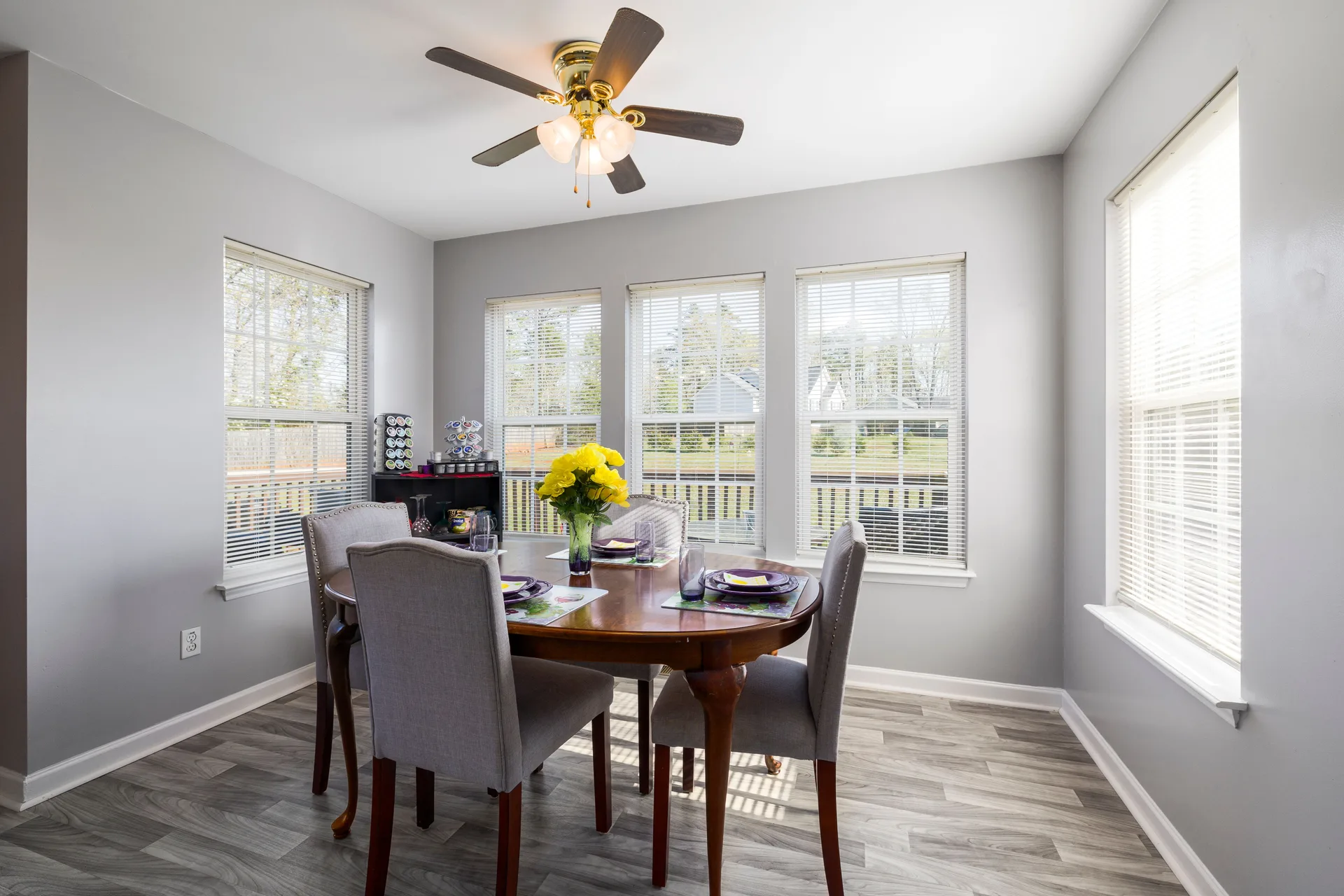
| Option | How it fits | Fits best when | Watch out |
|---|---|---|---|
| Retrofit brace | Bar through the existing ceiling hole, grips joists both sides | Ceiling is finished and the hole is already there | Hole size and joist spacing must suit the brace |
| New box | Fixed to framing or blocking, fitted with access from above | Ceiling is open or being replaced | Needs access to the framing above |
Ceiling height, slope, and material checks before you hang a fan
Support is only part of a safe fan install. Blades need clearance above the floor, a sloped ceiling needs an angled mounting adapter so the fan hangs level, and the ceiling material itself must be sound. Plaster or drywall that is cracked, sagging, or water-damaged may not hold a mounting well, even with a rated box.
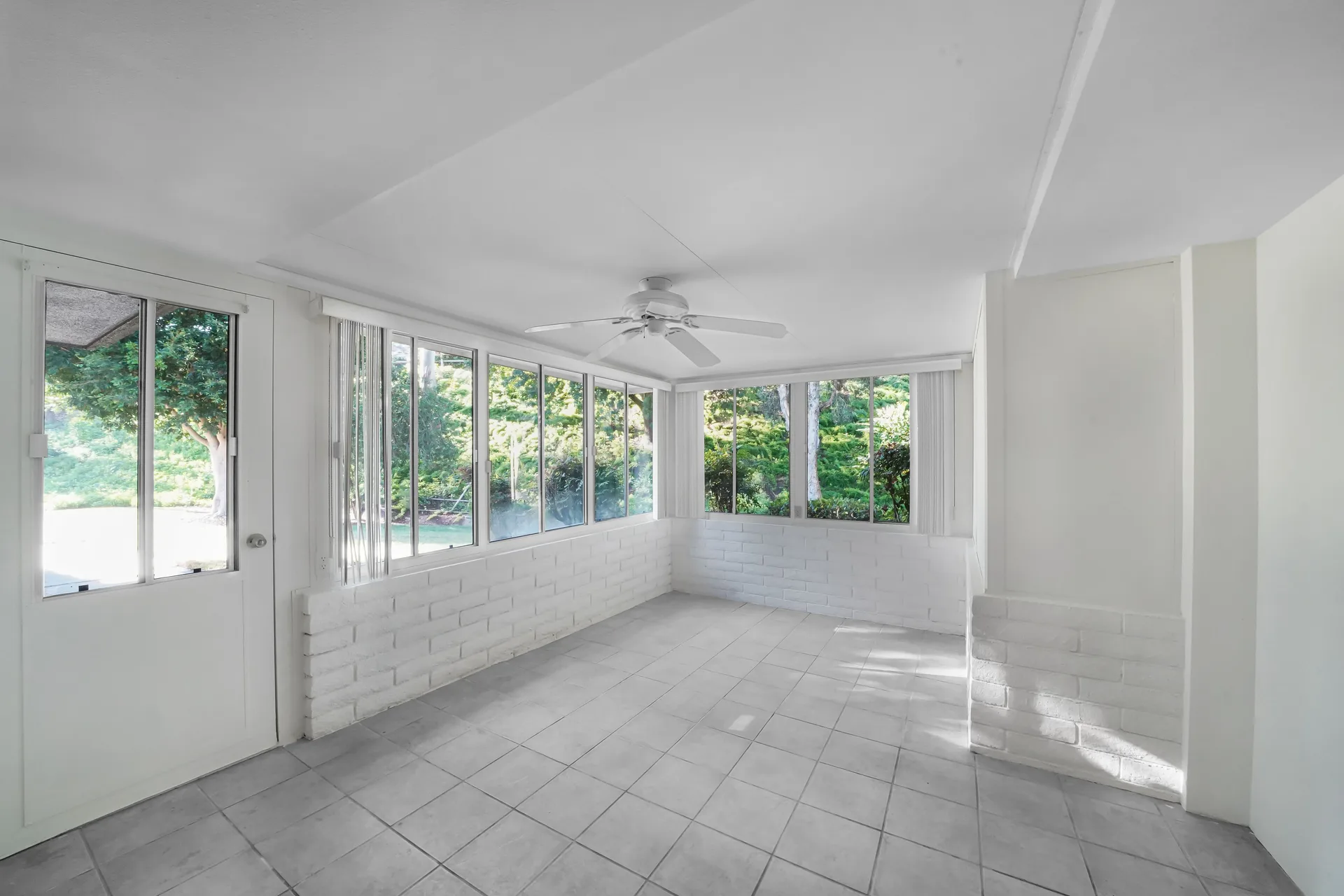
Check for water stains, sagging, and soft spots around the mounting point before the fan goes up, and note your ceiling height and slope. When you call, tell us the fan weight, the ceiling height, whether the ceiling slopes, and what the ceiling surface looks like, so the visit can bring the right brace and adapter.
Need an electrician in Fort Pierce? Fitting a ceiling fan? Call and tell us whether the box is fan-rated and what the ceiling is made of.
Frequently asked questions
Can I hang a ceiling fan from a regular light box?
No. A regular light box is rated for a still fixture, not for a fan's weight plus years of vibration. A fan on a light box can sag, wobble, crack the box, and eventually pull loose. The box must be labeled for fan support and fastened to framing or a rated brace.
How do I know if my box is fan-rated?
Switch the power off at the breaker, lower the fan canopy, and look for a marking on the box stating it is rated for fan support. Check that it fastens to a joist, blocking, or a rated brace, not to drywall alone. If there is no marking, treat the box as not fan-rated until a provider confirms otherwise.
My fan wobbles, is the box always the problem?
No. Tighten the blade screws, clean dust from the blades, and try the balancing kit first, since imbalance is the most common cause. If the whole assembly sways together, the mounting or box is suspect. If only the blades wobble while the housing stays still, the fan itself is out of balance.
What is a retrofit fan brace?
A retrofit fan brace, also called an old work brace, is a bar that expands through the existing ceiling hole and grips the joists on both sides. A fan-rated box hangs from it, so a fan can be added without opening a large section of ceiling. It suits most fan additions where joists are reachable from the hole.
Does a small or light fan still need a fan-rated box?
Yes. The rating exists because a fan moves, not only because it is heavy. Even a light fan vibrates for years, and vibration loosens weak mounts over time. A small fan on an unrated box may hold for months and still be the wrong installation.
Can a fan box be installed without opening the ceiling?
Often, yes, with a retrofit brace installed through the existing ceiling hole. That works when joists are reachable from the hole and the wiring is already in place. When the fan position sits far from any joist, or framing work is needed, a small ceiling opening and patch may be required.
What does a fan box replacement cost in Fort Pierce?
No single figure is published here, because access and box type set the scope. A brace through an existing hole is usually the simplest job, while a new box with framing work or a ceiling patch adds scope. A provider should price your ceiling after seeing it, not from a generic figure.
Is a fan on the wrong box dangerous?
Yes, it can be. A fan on an unrated or weak box can sag, crack the box, stress the wiring, and eventually pull loose from the ceiling. If you see movement at the ceiling mount, stop using the fan and have the box checked before running it again.
Need an electrician in Fort Pierce? Call now and describe the problem.