
What Should You Do in an Electrical Emergency in Fort Pierce?
An electrical emergency is any situation where electricity could hurt someone or start a fire right now: sparks, smoke, burning smell, a hot panel, a shock, or a downed line. This page gives the first moves and what never to do. Call (772) 218-3629 and tell us what you see, smell, or hear and which rooms are affected.
Stop and sort the danger before you sort the wiring. If there is fire, heavy smoke, or someone is hurt, call 911 first and get people out. Everything else, breakers, utilities, providers, comes after people are safe. Most electrical emergencies give you seconds to make the right call, and the right call is almost always the boring one: step back, switch off from a safe place if you can, and call for help.
Need an electrician in Fort Pierce? Smell burning or see sparks? Call 911 first for fire risk, then call us and describe the fault.
What counts as an electrical emergency
- Fire, smoke, or flames from any outlet, switch, fixture, or panel.
- A burning smell, especially hot plastic, with no obvious appliance source.
- Sparking, scorch marks, or a sizzling or buzzing sound from equipment.
- A panel, outlet, or switch that feels hot to the touch.
- Anyone receiving an electric shock, or a tingling feeling from an appliance or tap.
- A downed power line, or a line touching a tree, fence, or building.
- Water on outlets, panels, or electrical equipment after a leak or flood.
- Half the house losing power while the rest stays on, or the whole house dark while neighbors have power.
A single dead outlet with no heat, smell, sparks, or shock is usually not an emergency. It can wait for a scheduled visit. When in doubt, treat it as urgent and call. A provider would rather talk you through a non-emergency than hear about one too late.
Electrical emergency procedure, step by step
- People first. Get everyone away from the danger. Call 911 for fire, injury, or a shock victim who is unresponsive or not breathing normally.
- Do not touch the person or the equipment if someone is still in contact with a live source. Switch power off at the breaker if you can reach it safely, without touching anything damaged, hot, or wet.
- Switch off the affected circuit if you can reach the panel safely and the panel itself is not hot, sparking, or wet. If you are unsure which circuit it is, switch the main breaker off.
- Never use water on an electrical fire, and never stand in water near electrical equipment.
- Note what happened: which rooms and appliances are affected, when it started, and whether a breaker trips repeatedly. That note helps the provider or utility enormously.
- Call the right party: 911 for fire or injury, your utility for a downed line or a neighborhood outage, a provider for faults inside your home.
Sparking outlet or burning smell: what to do right now
One quick, small spark when you plug something in can be normal. Large, yellow, or repeated sparks are not, and neither is a sizzling sound, scorch marks on the cover plate, or a smell like hot plastic. Stop using that outlet, unplug the appliance only if you can reach its plug without touching anything damaged, hot, or wet, and switch the circuit off at the panel if you can do so safely. Keep the circuit off and call a provider. Do not keep testing it to see if it happens again.
A burning smell with no clear source deserves the same response. The source may be an outlet, a switch, a light fixture, or the panel itself. If you cannot find it, treat the whole area as suspect, ventilate if it is safe to open a window, and call for help rather than hunting behind walls.
What if someone has received an electric shock?
Do not touch the person while they are still in contact with the source. Switch the power off if you can do so safely, or use a dry, non-conductive object, like a wooden broom handle, to separate them from the source only if you can do so without touching them or the source yourself. Call 911 immediately, even if the person seems fine afterward. Internal injuries from shock are not always visible, and a medical check matters even when the person feels okay. Keep them still and warm until help arrives.
Downed power line
Treat every downed line as live, even if it looks dead. Stay well clear, keep others away, and never touch the line, anything touching it, or a vehicle or fence it has fallen on. Call 911 if it threatens people or property, and call your utility to report it. In Fort Pierce, that means Fort Pierce Utilities Authority (FPUA) inside the city, or Florida Power and Light (FPL) outside it, depending on which utility serves the address. Wait for the utility crew. This is never a homeowner job.
Partial power: half the house dark
Half the house losing power while the rest stays on feels less dramatic than a fire, but it is urgent. A common cause is a failed connection on the incoming service, which can swing voltage on the affected circuits high enough to damage appliances and start a fire. Turn off sensitive electronics and major appliances on the affected side, do not keep resetting breakers, and call a provider or your utility promptly. Describe the pattern: which rooms are dark, which work, and whether neighbors are affected.
Power out, neighbors have power
When your house alone is dark, the fault is usually on your side of the meter: a failed breaker, a loose connection, or damage to your service equipment. Check the main breaker once, and check whether a GFCI or breaker has tripped. If the main breaker will not hold, or anything smells hot or looks scorched, leave it off and call a provider. Our no-power guide walks through the safe checks in more detail.
Water and electricity
Water changes every rule. Never touch outlets, panels, or appliances that are wet or standing in water. Never reset a breaker for a wet circuit. If flooding reaches your panel, stay out of the room and call your utility and a provider. After water exposure, equipment must be checked before it is used again, even if it looks dry. Salt air and storm flooding in Fort Pierce make this a real scenario, not a textbook one, so treat any wet electrical equipment as dangerous until a provider clears it.
After a storm
Storm damage brings several hazards together: downed lines, wet equipment, and tripped breakers that may be hiding a fault. Walk the outside of the home first, from a distance, looking for lines down or service equipment damaged. Inside, check for water near the panel before touching it. The hurricane prep checklist covers getting ready before a storm, which is when most of this risk can be reduced.
What information helps when you call
- What you saw, smelled, or heard, and when it started.
- Which rooms, outlets, and appliances are affected.
- Whether a breaker trips repeatedly, will not reset, or feels hot.
- Whether neighbors are affected, and whether any line is down.
- Whether anyone was shocked or injured, and whether 911 has been called.
- Photos of visible scorching, taken from a safe distance.
A calm, specific report gets you the right help faster than a general alarm. Write it down before you call if you can.
Check your alarms after a scare
A scare like this is a reminder to test your smoke alarms. Units that are older or damaged should be replaced, and alarms should be working on every level of the home. An emergency is a bad time to discover a dead alarm.
Who to call, and when
| Situation | Call |
|---|---|
| Fire, injury, or shock | 911 first |
| Downed line or neighborhood outage | Your utility (FPUA or FPL, by address) |
| Fault inside your home | A provider, Mon-Sat 9:00-18:00 for Fort Pierce Electric Pros referrals |
| Single dead outlet, no heat or smell | A provider, scheduled visit |
Next step
If you are reading this during an emergency, stop reading and call: 911 for fire or injury, your utility for a downed line, a provider for a fault inside your home. The emergency electrician page explains urgent work, electrical repair covers faults found afterward, and electrical inspection covers the full check once the immediate danger is handled.
Make it safe first, decide the bigger job later
Emergencies and planned projects deserve different clocks. The urgent visit has one job: make the hazard safe. A larger job that the visit uncovers, such as a full rewire, is planned work with permits and inspections, and it can usually be scheduled in regular hours once the immediate danger is handled. Splitting the two keeps the urgent decision small and the bigger decision unhurried.
One warning sign should change your choice of provider on the spot. If someone advises you by phone to open the panel yourself or to bypass a breaker, treat that advice itself as a reason to call someone else. Restoring power without finding the fault simply restores the hazard along with it.
Small habits help during an outage. Leave one light switched on so you can see the moment supply returns, and use torches rather than candles while you wait, since an open flame adds a second hazard to a dark house. Before the provider arrives, note the panel brand and age from any labels you can read without opening anything, and photograph visible scorching from a safe distance. Both details help the diagnosis.
Insurance questions come up often, and the honest framing is this: coverage usually turns on cause, not on age. A policy may respond to sudden damage from a covered event, while old or worn wiring replaced as maintenance is a different matter. Keep the invoice, photos, and any written report on the cause, and let the insurer decide on that record. Never delay making a hazardous condition safe while waiting for an insurer's answer.
When a bigger job is quoted, ask one question people forget: who patches the walls? Cable runs often need access holes, and patching, texture, and paint may be your responsibility unless the quote says otherwise. Getting that answer in writing keeps two quotes comparable.
Photos and quick reference
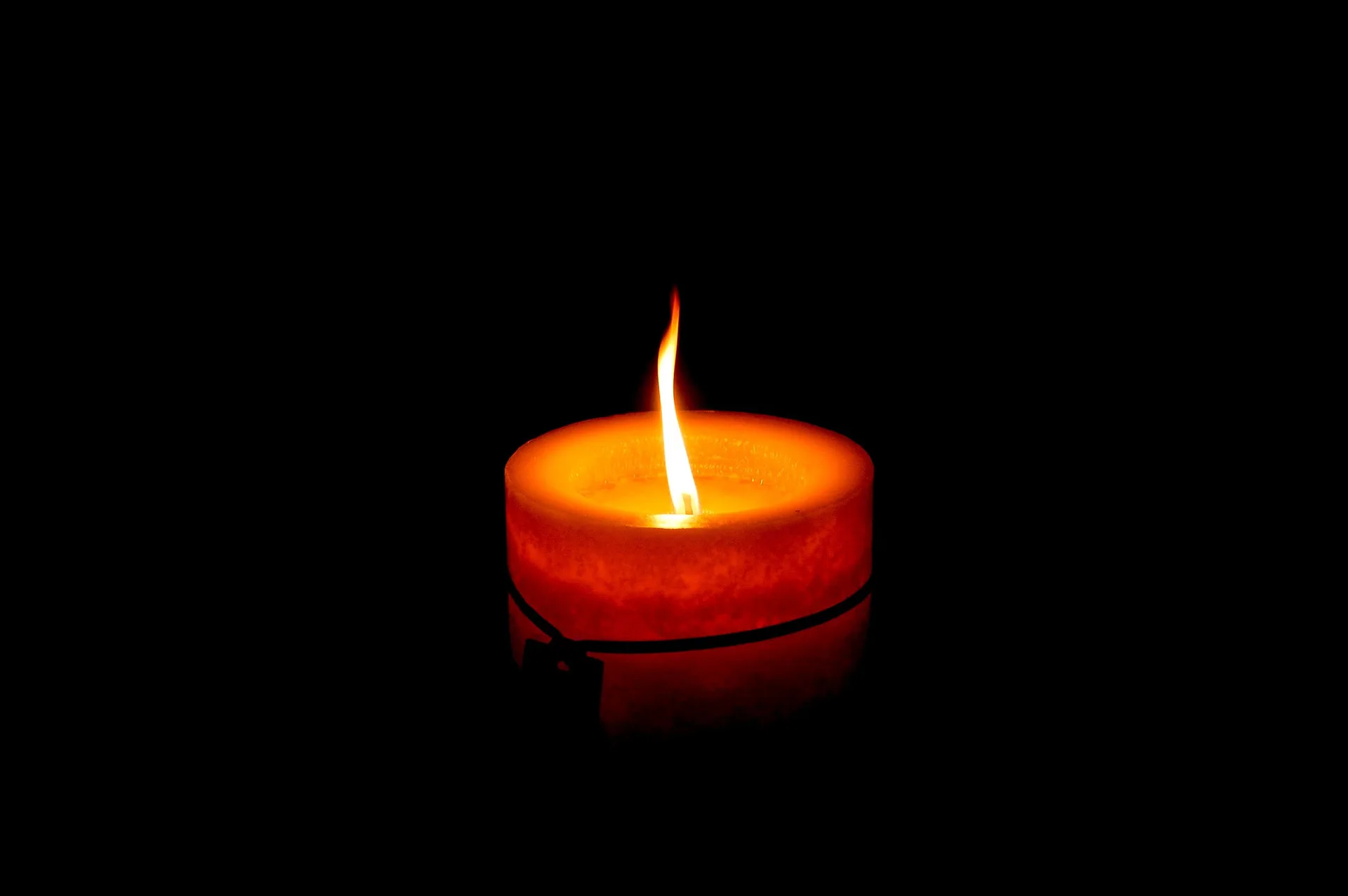
First moves in an electrical emergency
Step 1: make it safe. Step 2: call the right number. Step 3: stay clear of damage. Step 4: wait for clearance before switching anything back on.
Questions to ask a provider after an emergency visit
Once the immediate danger is handled, the visit should leave you with clear answers. Ask what caused the problem, what must stay off and for how long, whether a permit or inspection applies to the repair, and who is responsible for any wall or ceiling patching after the repair. Those answers decide whether the job is finished or only stabilized.
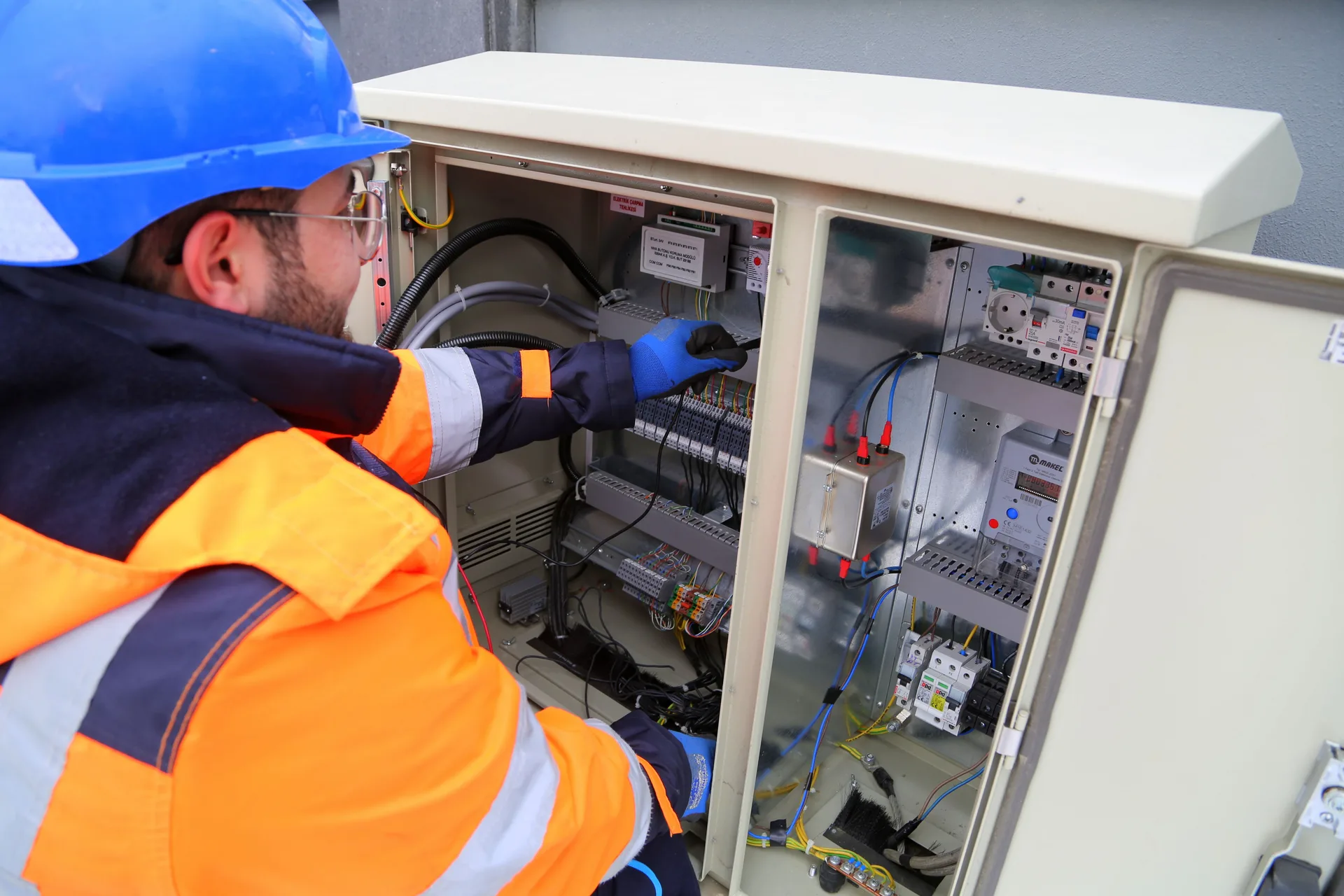
Keep the invoice, photos taken from a safe distance, and any written report, since coverage turns on cause and documentation helps later. If the provider advises opening a panel or bypassing a breaker by phone, choose another provider. When you call, tell us what you saw, smelled, or heard, which rooms are affected, and whether anyone received a shock.
Need an electrician in Fort Pierce? Smell burning or see sparks? Call 911 first for fire risk, then call us and describe the fault.
Frequently asked questions
What counts as an electrical emergency?
Fire, smoke, or flames from electrical equipment, a burning smell, sparking or scorch marks, a hot panel or outlet, any electric shock, a downed power line, water on electrical equipment, or half the house losing power all count as emergencies. A single dead outlet with no heat, smell, or sparks usually is not, and can wait for a scheduled visit.
What should I do first in an electrical emergency?
Get people away from the danger and call 911 for fire or injury. If you can reach the panel safely, without touching anything damaged, hot, or wet, switch off the affected circuit or the main breaker. Never use water on an electrical fire, and note which rooms and appliances are affected before you call for help.
Should I use water on an electrical fire?
No. Water conducts electricity and can cause shock, and it spreads an electrical fire rather than putting it out. Get people out, call 911, and use a fire extinguisher rated for electrical fires only if you are trained and it is safe to do so. If the fire is growing, leave the building and wait for firefighters.
What if someone has received an electric shock?
Do not touch the person while they are still in contact with the source. Switch the power off if you can do so safely, then call 911 immediately, even if the person seems fine. Internal injuries from shock are not always visible, so a medical check matters. Keep the person still and warm until help arrives.
What about a downed power line?
Treat every downed line as live, stay well clear, and keep others away. Never touch the line or anything touching it, including fences and vehicles. Call 911 if it threatens people or property, and call your utility, FPUA inside Fort Pierce or FPL outside the city, depending on which serves the address.
What information should I give when I call?
What you saw, smelled, or heard and when it started, which rooms and appliances are affected, whether a breaker trips repeatedly or feels hot, whether neighbors are affected, whether anyone was shocked, and whether 911 has been called. Photos of visible scorching, taken from a safe distance, help the provider or utility.
Can I get help at night or on Sunday?
Fort Pierce Electric Pros connects callers with providers during its hours, Monday to Saturday 9:00 to 18:00, and Sunday it is closed. Outside those hours, fire, injury, or a downed line still go to 911 or your utility immediately. Do not wait until morning with a sparking, hot, or smoking electrical problem.
Need an electrician in Fort Pierce? Call now and describe the problem.