
Signs Your House Needs Rewiring in Fort Pierce, FL
Houses do not need rewiring because of one symptom. They need rewiring when several warning signs point the same way: older wiring, frequent trips, flickering across many lights, burning smell, or discolored outlets. This guide lists ten warning signs and explains which ones are urgent and which are smaller jobs.
A house needs rewiring when several warning signs point the same way: older wiring, frequent trips, flickering across many lights, burning smell, or discolored outlets. Stop using a circuit that smells or feels hot. Call (772) 218-3629 and tell us your wiring type if you know it, which signs you saw, and whether they affect one room or all rooms.
Need an electrician in Fort Pierce? Seeing several warning signs at once? Call and tell us your home’s age, panel type, and the signs you noticed.
Ten warning signs, in order of urgency
- Burning smell, scorch marks, or a hot outlet or switch plate. Urgent. Stop using that circuit and call a provider.
- Breakers that trip again and again, across several circuits. Points to system-wide load or wiring problems, not one overloaded circuit.
- Flickering or dimming across many lights at once. Points to a circuit, panel, or wiring problem rather than a bulb.
- Discolored, warped, or melted outlets or switch plates. Heat has already damaged the device or the wiring behind it.
- Shocks or tingling from an outlet, switch, or appliance. A grounding or fault problem that needs prompt attention.
- Knob-and-tube wiring. No grounding, not designed for modern loads, commonly flagged by insurers.
- Aluminum branch wiring. Can loosen at connections and overheat over time.
- Two-prong outlets throughout the home. No equipment grounding on those circuits, a sign of pre-grounding wiring.
- Buzzing, crackling, or sizzling sounds from outlets, switches, or the panel. Arcing or a loose connection until proven otherwise.
- Aluminum or cloth-covered wiring, or a panel that is full, damaged, or an older flagged brand. Age and condition signs that belong in a full assessment.
| Sign | Usually means | First step |
|---|---|---|
| Burning smell, heat, scorch marks | Heat building in wiring or a connection | Urgent provider visit |
| Trips on one circuit only | Overload or a single-circuit fault | Repair that circuit |
| Trips across several circuits | System load or wiring problem | Panel and wiring assessment |
| One light flickers | Bulb or dimmer | Check bulb and dimmer |
| Many lights flicker plus other symptoms | Circuit, panel, or wiring problem | Rewiring conversation |
| Knob-and-tube or aluminum wiring | Older wiring type with known risks | Provider assessment, then plan |
Rewiring warning signs at a glance
Urgent: burning smell, heat, scorch marks, shocks, buzzing. Repair first: trips on one circuit, one light flickers. Rewiring conversation: trips across several circuits, many lights flicker with other symptoms, knob-and-tube or aluminum wiring throughout.

Warning signs pile up slowly: flicker, trips, warmth, smell, and shocks each point to a different level of urgency.
When a repair is enough, and when it is not
A single faulty circuit, a worn breaker, or a damaged outlet can all be repaired without rewiring the house. Rewiring enters the conversation when the problem is the wiring itself: an older type throughout the home, widespread deterioration, or symptoms across many circuits that keep returning after repairs. The distinction matters because a rewire is a large job, and selling one for a single-circuit fault would be wrong — just as repairing one circuit again and again while the wiring type keeps causing faults would be wrong in the other direction.
What a rewiring assessment covers
- Wiring type in the panel and accessible areas, and its condition.
- Panel brand, capacity, and condition, and whether it needs replacing as part of the job.
- Grounding, GFCI protection, and visible hazards such as double-tapped breakers.
- Which circuits must be replaced, which can stay, and what access the work needs.
- Permit and inspection stages, and how the home stays usable during the work.
How a rewiring decision is made
Step 1: provider assesses wiring type, panel, grounding, and hazards. Step 2: provider separates circuits that must be replaced from circuits that can stay. Step 3: provider explains access, phasing, and inspection stages. Step 4: owner decides on repair, partial rewire, or full rewire.
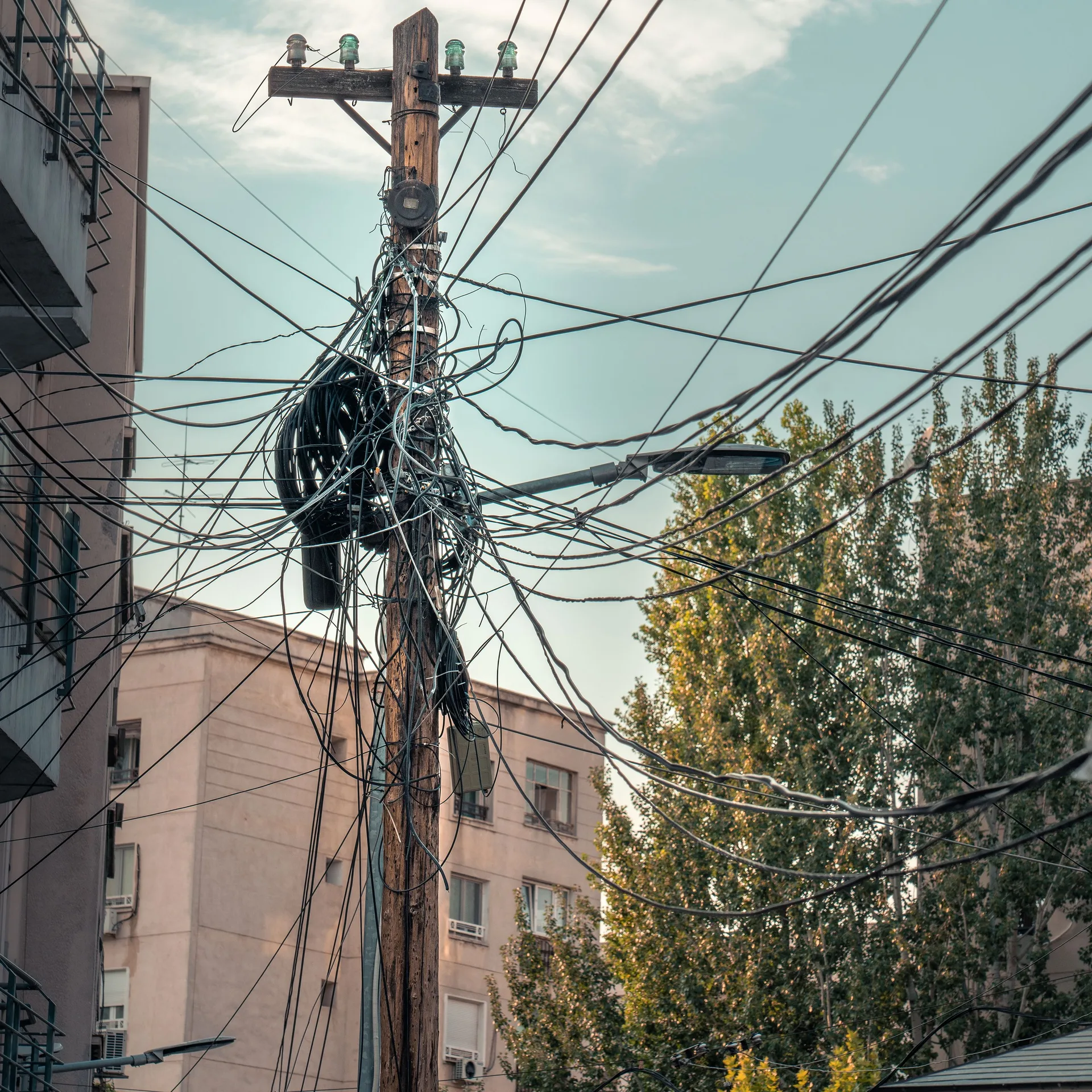
An assessment separates what must be replaced from what can stay, rather than treating every old wire as a full rewire.
What changes the cost
Rewiring has no single quoted price here, because rewiring cost depends on house size, wiring type, access, panel work, and whether the home is occupied during the job. A partial rewire of a few circuits and a full-house rewire are different jobs with different scope. What changes the cost is the amount of wiring to replace, access conditions, panel condition, and permit and inspection coordination. A provider should price your specific home after an assessment, not from house size alone.
Full rewire, partial rewire, or repair?
Not every warning sign means the whole house must be rewired, and competitor rewiring guides are clearest on this decision. A full rewire replaces every branch circuit from the panel out to every outlet, switch, and light, and it is the right scope when the system is knob-and-tube throughout, badly deteriorated, or ungrounded throughout. A partial rewire targets the problem areas: a kitchen and bathroom that need new circuits, or an original second floor that still has cloth wiring while the rest of the home was already updated. A repair is enough when the problem is one circuit, one connection, or one device. The deciding step is an assessment of the whole system first, so good circuits are not replaced along with bad ones.
Two triggers and one project reality are worth knowing before that assessment. A home sale or insurance renewal inspection that flags knob-and-tube or aluminum wiring is a common trigger, and the report itself is useful: bring it to the assessment, because it says exactly what was flagged rather than leaving the provider to rediscover it. Extension cords and power strips used permanently because outlets are missing are another trigger, since they show the circuit layout no longer fits how the home is used. And a rewire project is usually staged rather than done in a day: wires are fished through finished walls with small access holes to patch, rough-in and final inspections punctuate the work, and most of the home stays livable between stages. A GFCI outlet can add shock protection to an ungrounded outlet as an interim step, but it is not a rewire and does not fix deteriorated wiring behind the wall.
Taken together, these signs house needs rewiring work is judged by, and the question of when to rewire house circuits is answered, are the house rewire symptoms an assessment weighs: warmth, flicker, smell, trips, and old wiring types found together.
Related services
Whole-house rewiring in Fort Pierce · Electrical inspection in Fort Pierce · Panel upgrade in Fort Pierce · Electrical repair in Fort Pierce · Emergency electrician in Fort Pierce · All services
Four small signs are easy to dismiss on their own and hard to ignore together: discolored outlets, hot sockets, scorch marks, and cracked insulation on visible wiring. Old wiring does not always look old, which is why symptoms matter more than age alone. These old wiring warning signs — flicker, heat, smell, discoloration — are also outdated wiring symptoms in the wider sense, and the question of when to rewire a house is answered by how many of them show up together, not by any one alone. Any one of them is a reason to stop using that outlet or circuit and get it checked; several together point toward the wider assessment this post describes. For that assessment path, see knob-and-tube wiring replacement and aluminum wiring repair in Fort Pierce.
What to note before you call about rewiring signs
A provider cannot judge rewiring from one symptom, so your notes matter. Before you call, list each sign, the room where it appears, and how often it happens: which breakers trip and how often, which lights flicker and whether they flicker together, and whether any outlet feels warm or smells hot. Note the wiring type if you know it, and whether the signs cluster in one addition or spread across the whole house.
That list is what separates a single faulty circuit from a pattern that points to rewiring. When you call, read the list in full, and say whether any circuit is currently switched off for safety, so the visit starts with the pattern, not with one outlet.
Need an electrician in Fort Pierce? Seeing several warning signs at once? Call and tell us your home’s age, panel type, and the signs you noticed.
Frequently asked questions
What is the most urgent sign a house needs rewiring?
A burning smell, scorch marks, or a hot outlet or switch plate is the most urgent sign, because it suggests heat building up in wiring or at a connection. Stop using that circuit, do not keep resetting a breaker that trips with a smell, and call a provider promptly. If there is a fire or anyone is hurt, call 911 first. Urgent signs come before any planned rewiring conversation — they are emergency work first.
Do frequent breaker trips mean my house needs rewiring?
Not on their own. Frequent trips can mean an overloaded circuit, a faulty breaker, or a fault on one circuit, all of which can be fixed without rewiring the whole house. Trips become a rewiring sign when they happen across several circuits, when they come with flickering, burning smell, or discolored outlets, or when the wiring itself is an older type such as knob-and-tube or aluminum. A provider should trace the cause before recommending a rewire.
What wiring types are a rewiring sign on their own?
Knob-and-tube wiring and aluminum branch wiring are the two types most often treated as rewiring signs, because knob-and-tube lacks grounding and was not designed for modern loads, and aluminum wiring can loosen at connections and overheat. Either type does not automatically mean the house must be rewired tomorrow, but both mean a provider should assess the system and explain the options, especially before a sale, a renovation, or an insurance inspection.
Are two-prong outlets a sign my house needs rewiring?
Two-prong outlets mean the circuit has no equipment grounding conductor, which is common in older homes. They are a sign the wiring predates modern grounding, not proof the whole house must be rewired at once. Replacing two-prong outlets with three-prong outlets without grounding does not add protection and can be misleading — a provider should check whether grounding exists, and whether GFCI protection is a safer interim step for those circuits.
How do I know if flickering lights mean rewiring or something smaller?
Flickering that affects one light usually means a bulb or dimmer problem. Flickering across many lights, flickering that comes with breaker trips, or flickering paired with a burning smell points to a circuit, panel, or wiring problem instead. The pattern decides the answer: single-light flicker is small, whole-house flicker with other symptoms is a rewiring conversation, and a provider should check the panel and circuits before either conclusion is drawn.
Does rewiring mean tearing out all my walls?
Not necessarily. Much rewiring can be done through attics, crawl spaces, and small access openings, with patching afterwards, rather than full wall removal. The amount of disruption depends on the home's construction, access, and how much wiring must be replaced. A provider should explain the access plan for your home before work starts, including what will be opened, what will be patched, and what will not be touched.
How long does a whole-house rewiring take?
Timing varies with house size, access, wiring type, and whether the home is occupied during the work, so no single timeline is promised here. A typical whole-house rewire is measured in days to weeks, not hours, and it is usually phased room by room so the home stays usable. Your provider should confirm the timeline for your home, including inspection stages, before work starts.
Should I rewire before selling my house?
It depends on what the wiring is and what a buyer or insurer will ask for. Knob-and-tube or aluminum wiring, or a panel flagged in a 4-point inspection, will usually come up in a sale or insurance process, and addressing it beforehand can avoid a delayed or failed sale. Cosmetic rewiring of sound copper wiring rarely pays back in a sale price alone. A provider's assessment, not a general rule, should decide whether your home's wiring is a sale issue.
Need an electrician in Fort Pierce? Call now and describe the problem.