
Why Do Some Appliances Need a Dedicated Circuit in Fort Pierce, FL
Some appliances need a dedicated circuit because one appliance alone can use most of a circuit, so anything else on it trips the breaker. This page lists which appliances need one, the signs one is sharing, and what adding a circuit involves. Call (772) 218-3629 and tell us which appliance trips and what else stops when its breaker goes.
Every circuit in your home has a limit, set by its breaker and its wiring. Lights and phone chargers sip power, so sharing a circuit works fine for them. A large appliance load can use most of a circuit's capacity on its own, which is why an appliance dedicated circuit exists. Put two of them together, or add a few small loads on top, and the breaker trips. A dedicated circuit ends that competition by giving the appliance the whole circuit.
Need an electrician in Fort Pierce? Adding a large appliance? Call and tell us the appliance and which circuit it shares today.
What a dedicated circuit is
One breaker, one run of wiring, one appliance. Nothing else shares it, so nothing else can push it over its limit. The appliance gets stable power, the breaker stops tripping, and a fault on another device cannot take the appliance down with it. Refrigerators benefit from that last point in particular: a tripped shared circuit can mean a fridge full of spoiled food discovered hours later.
Which appliances usually need one
| Appliance | Why it needs its own circuit |
|---|---|
| Electric range or oven | Very high wattage, 240-volt circuit |
| Electric dryer | Heating element plus motor, 240-volt circuit |
| Electric water heater | Continuous high-wattage heating load |
| Central air conditioner | Large motor with high starting current |
| Refrigerator or freezer | Compressor starting current, runs around the clock |
| Dishwasher | Motor plus heating element for drying |
| Built-in microwave | High wattage in a fixed location |
| Washing machine | Motor load, often paired with the laundry circuit |
| EV charger (Level 2) | Large continuous load for hours at a time |
Appliance circuit requirements depend on the appliance, its installation instructions, and local rules, so treat this table as a planning guide, not a code ruling for your home. Kitchen circuits are the classic case: several high-wattage devices sharing one run. A provider should confirm what your appliance and your panel require.
Does a dishwasher need a dedicated circuit?
Usually, yes, in a modern installation. Dishwashers draw a motor load plus a heating load for drying, and that combination is too much to share comfortably with a kitchen circuit serving countertop outlets. In some installations a dishwasher and a garbage disposal share one dedicated circuit, where local rules allow it. Either way, the point stands: the dishwasher should not share with the toaster circuit. In effect, the dishwasher and the toaster share one kitchen appliance circuit, and that is the problem.
Signs an appliance is sharing a circuit it should not
- The same breaker trips on a predictable pattern, always when the same appliance runs.
- Breaker trips when two kitchen appliances run together, but never one alone.
- Lights dim sharply when the appliance starts.
- An outlet or breaker feels warm after the appliance has run.
- You are running extension cords or power strips to spread the load around.
One warm outlet or a breaker that trips instantly, with a burning smell or scorch marks, is a different problem. Leave that circuit off and call a provider instead of testing it again.
What adding a dedicated circuit involves
A provider checks the panel first: is there a spare breaker space, and does the service have capacity for the new load? Then a new breaker goes in, dedicated appliance wiring runs to the appliance location, and the appliance moves onto its own circuit. The work is simple in concept: one dedicated circuit for the appliance, wired from its own breaker. Access decides much of the work. A panel in the garage next to the kitchen is a short run. A panel on the far side of the house, with finished walls in between, is a longer one.
When the panel is full or the service is near its limit, the conversation widens. A panel upgrade adds both space and capacity, and the breaker tripping guide explains how to tell a shared-circuit problem from a deeper fault. Outlet installation covers the outlet side of the job, and electrical repair covers faults found along the way.
Mistakes to avoid
Never fit a larger breaker to stop tripping. The breaker protects the wiring, and a larger breaker lets that wiring carry more current than it was sized for, which is how overheating starts. Never run a large appliance permanently on an extension cord or power strip either. Both shortcuts hide the problem and create a worse one.
Next step
Note which breaker trips, what was running, and whether the pattern repeats. That one note tells a provider more than a general complaint about tripping. Call Mon-Sat 9:00-18:00 and describe the pattern, and the provider can tell you whether a dedicated circuit, a panel check, or a repair fits.
Three quick questions before you buy a big appliance
Shopping for a new appliance is the best time to ask about its circuit, because the answer is cheapest before delivery day. Three questions point to a dedicated circuit. First, does the label on the appliance or its manual call for one? The nameplate is the authority, and a provider will ask what it says. Second, does the appliance heat, cool, or run a motor? Heating elements and motors draw hard, and motors pull extra current the moment they start. Third, will it run for long stretches? A freezer, a dehumidifier, or a charger that runs for hours puts a steady load on the wiring, and a shared circuit leaves no room for anything else.
One switch catches people out: moving from a gas range to an electric or induction range. Gas ranges need almost no electrical power, while an electric range needs its own 240-volt circuit with heavier wiring. That job also needs a panel check, because the new circuit takes both a breaker space and capacity.
Two smaller cases are worth a mention. A larger window air conditioner may need its own circuit too, so check its label rather than assuming any outlet will do. And a garage freezer deserves its own thought: garage circuits often carry ground-fault protection, and a trip on a shared garage circuit can shut the freezer off without anyone noticing until food is lost. Ask the provider how the freezer circuit is set up when you plan the work.
In code language, a dedicated circuit is called an individual branch circuit. Same thing, different name. If a provider uses that term on the phone, you now know what they mean.
Photos and quick reference
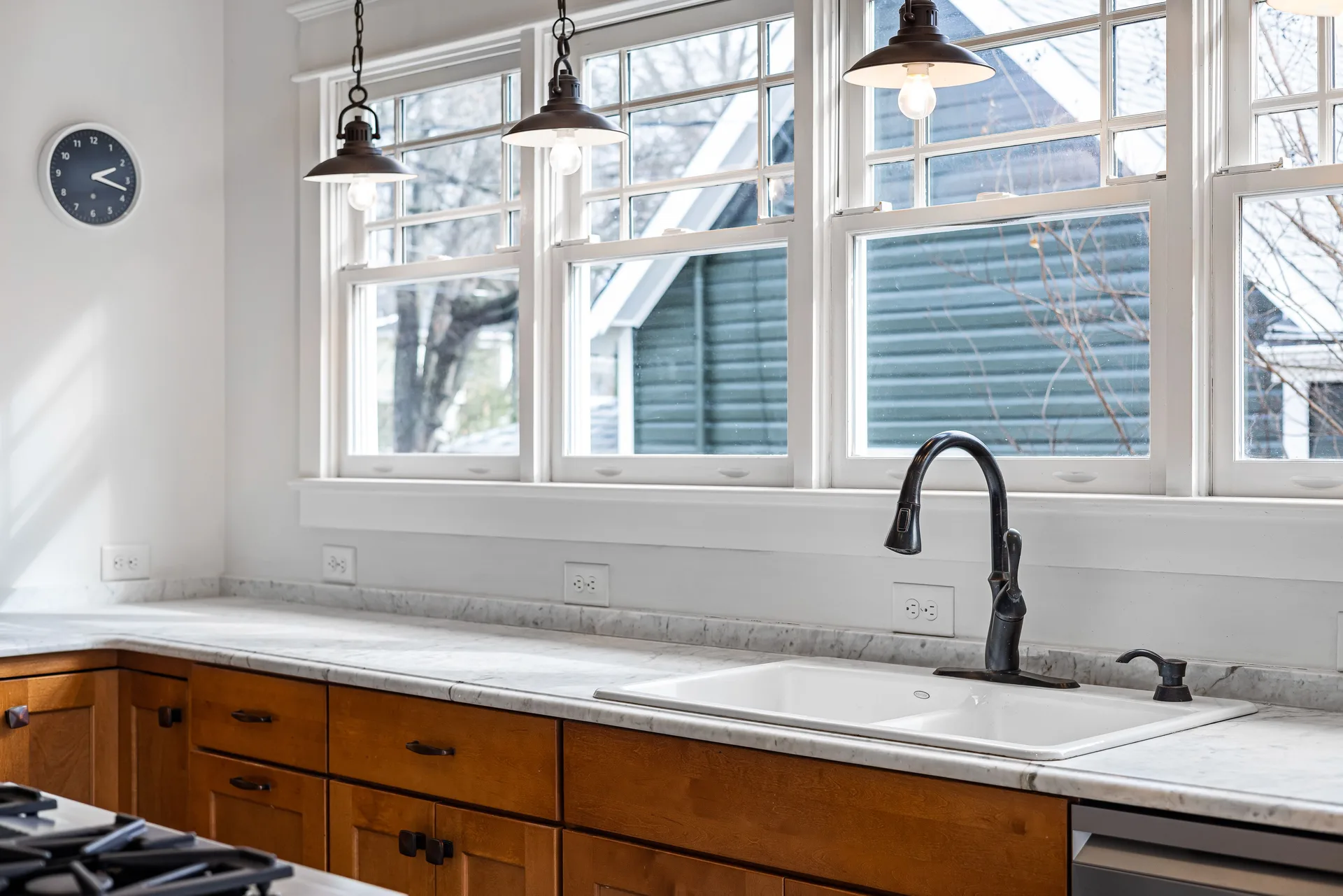
How a dedicated circuit decision is made
Step 1: list the large appliances. Step 2: see what shares each circuit. Step 3: note trips or dimming. Step 4: give the heavy appliance its own run.
How to tell if an appliance already has a dedicated circuit
Start at the panel directory. A dedicated circuit is usually labeled with one appliance name, such as dishwasher or refrigerator, while a shared circuit carries a room name or several items. If the directory is vague, switch one breaker off and note everything that loses power. If the refrigerator and the microwave go dark together, they share a circuit.
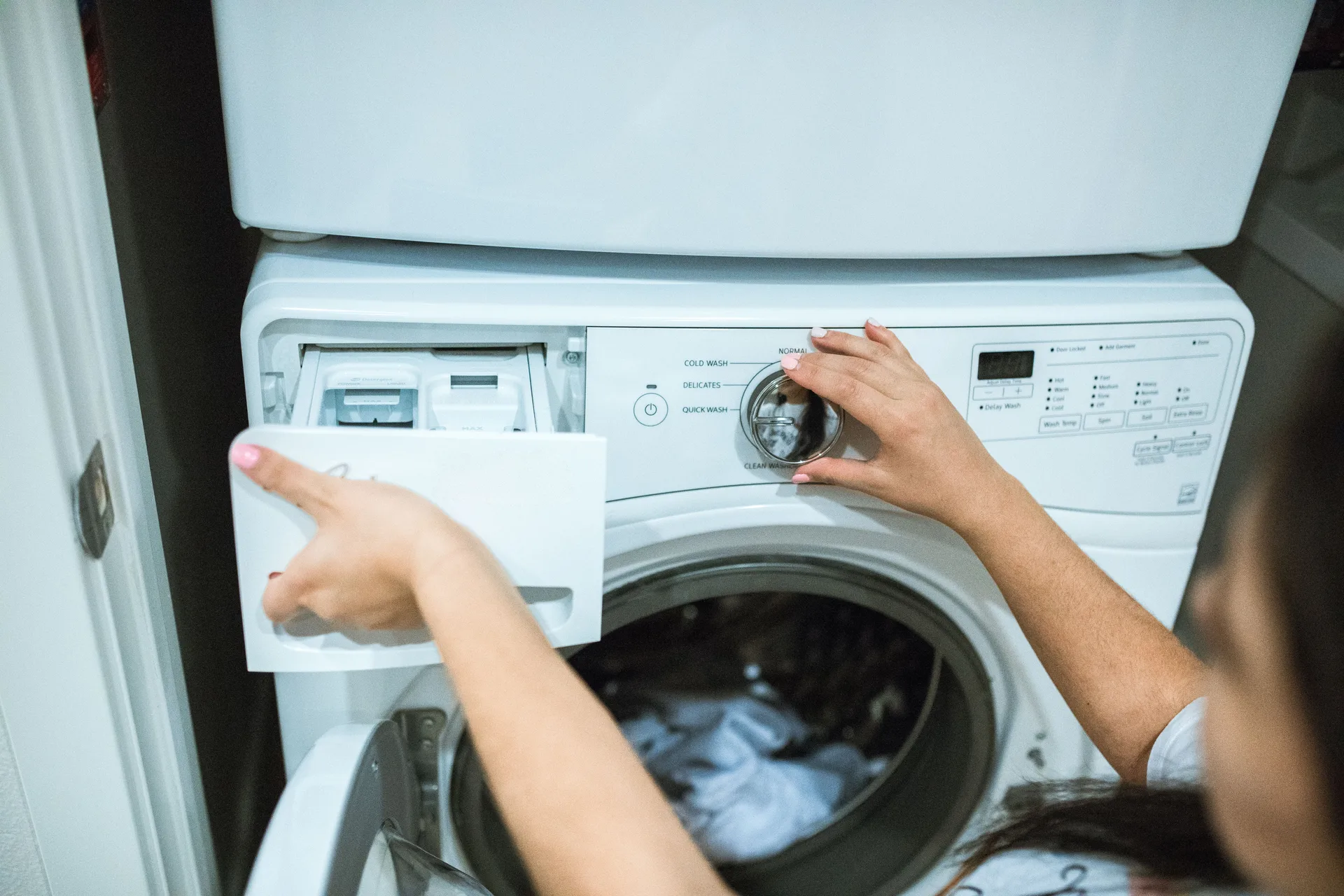
That test tells you what shares, not what your appliance requires. The appliance manual, its label, and a provider check decide whether a circuit of its own is needed. When you call, tell us the appliance, what else stops when its breaker goes, and whether the trips started after a new appliance arrived.
Need an electrician in Fort Pierce? Adding a large appliance? Call and tell us the appliance and which circuit it shares today.
Frequently asked questions
What is a dedicated circuit?
A dedicated circuit serves one appliance and nothing else. It has its own breaker and its own run of wiring, so no other device can push it over its limit. The appliance gets stable power, the breaker stops tripping from shared loads, and a fault elsewhere cannot shut the appliance down.
Which appliances need a dedicated circuit?
Electric ranges, dryers, water heaters, and central air conditioners almost always have one, because they are large 240-volt or high-wattage loads. Refrigerators, dishwashers, built-in microwaves, washing machines, and Level 2 EV chargers commonly need one too. Exact requirements depend on the appliance, its instructions, and local rules.
Why does my appliance trip the breaker?
Most often, the appliance shares a circuit with other loads, and their combined draw passes the breaker rating. That is the classic shared-circuit trip: fine with one appliance, tripped with two. If the breaker trips with nothing else running, or trips instantly, the cause may be a fault instead, and a provider should check it.
Can I add a dedicated circuit?
In most homes, yes, if the panel has a spare breaker space and the service has capacity for the new load. The work is a new breaker, a new wiring run, and moving the appliance onto its own circuit. If the panel is full or the service is near its limit, a panel upgrade may be needed first, and a provider should confirm that before work starts.
Can I just fit a larger breaker to stop tripping?
No. The breaker protects the wiring, and a larger breaker lets that wiring carry more current than it was sized for, which can overheat the wire without tripping. If a circuit keeps tripping, the fix is to reduce the load on it or correct the fault, never to raise the breaker size.
Need an electrician in Fort Pierce? Call now and describe the problem.