
Chandelier and Under-Cabinet Lighting in Fort Pierce, FL
Chandeliers and under-cabinet lights fail the same way: support, wiring, or controls treated as an afterthought. This page covers chandelier sizing and support, under-cabinet strips, pucks, and bars, dimming, and glare. Call (772) 218-3629 and tell us your fixture weight, ceiling height, and cabinet run length.
Start with the job each light has to do. Together, they cover decorative and task lighting installation in one project, and good kitchen lighting starts with that distinction. A chandelier is decorative and social: it sets the mood of a dining room or entry and needs to hang at a height where it lights faces, not foreheads. Under-cabinet lighting is task lighting: it must throw even light onto the counter below, without glare, shadows, or dark patches at the ends.
Need an electrician in Fort Pierce? Planning chandelier or under-cabinet lighting? Call and tell us the room, ceiling height, and existing wiring.
Chandelier sizing and height
Size follows the room and the table. A chandelier over a dining table should be narrower than the table, so nobody bumps it standing up, and centered over the table, not the room. In an entry or living room with no table, the room's dimensions guide the diameter instead. Height follows use: low enough to feel intentional over a table, high enough to walk under in an entry. Vaulted ceilings need longer stems or chains and a canopy that sits level, which a provider should plan before hanging day.
Chandelier support comes before beauty
Heavy chandeliers need the same respect as ceiling fans: a box rated for the fixture's weight, fastened to framing or a rated brace. A standard light box suits a light fixture, not a chandelier that weighs as much as a small child. If your ceiling box is unrated or its rating is unknown, the chandelier wiring and support get upgraded before the chandelier goes up, not after it sags. Before any chandelier install, check the box. Our fan-rated box guide explains how to check a box, and the same logic applies here.
Under-cabinet lighting: strips, pucks, and bars
Three forms cover most kitchens. Under-cabinet LED strips give even, continuous light along the whole counter and hide easily under a cabinet lip. Puck lights give pools of light with darker gaps between them, which suits accent lighting better than task work. Linear bars sit between the two: even light with a visible fixture. Strips win for most task counters, because shadows at the ends of the run are what make chopping and reading recipes annoying.
Power comes two ways. Plug-in sets use a counter outlet and a visible cord, which is quick but eats an outlet and looks unfinished. Hardwired sets run on their own switch leg to a wall switch, with a transformer sized to the total strip length for low-voltage LED systems. Hardwired costs more up front and looks far better for years afterward.
Dimming, color, and glare
Dimming turns both lights from a single setting into a flexible one: bright for cooking, low for dinner. Not every LED strip or chandelier bulb dims cleanly, and not every dimmer suits every LED, so the dimmer and the light must be matched, or flicker and buzzing follow. Color temperature matters too: warm white suits dining rooms, while a slightly cooler white suits task counters. Mixing color temperatures in one kitchen makes the room look patched together.
Glare control is the detail people forget. Under-cabinet lights mounted too far forward throw light into your eyes instead of onto the counter. A small lip or channel at the front of the cabinet hides the source and keeps the light where it belongs.
Does under-cabinet lighting need a new circuit?
Usually not a whole new circuit. LED under-cabinet lights draw little power, so they can often share a kitchen lighting circuit. Most kitchen lighting circuits carry little load, which is why a new circuit is rarely the first answer. What they do need is a proper switch leg and, for low-voltage strips, a correctly sized transformer. A new circuit enters the conversation when the existing lighting circuit is already loaded, or when the kitchen is being rewired as part of a larger project.
Mistakes to avoid
- Hanging a heavy chandelier from an unrated box and hoping the weight is fine.
- Sizing a chandelier by the showroom, where ceilings are higher and rooms are larger than yours.
- Mixing dimmers and LEDs that do not match, then living with flicker.
- Running plug-in strips across a whole kitchen and calling it finished.
- Mounting strips too far forward, so you see the light source instead of the counter.
Next step
Measure your table or counter run, note your ceiling height, and photograph the existing box if you can reach it safely with the power off. For chandelier installation in Fort Pierce homes, and for under-cabinet lighting installation in Fort Pierce kitchens, those measurements decide the fixture choice. The lighting installation page covers the full range of fixture work, ceiling fan installation covers rated-box work, and electrical repair covers wiring found in poor condition during the job.
Weight limits decide the support, not the style
Chandeliers fail at the ceiling box, not at the chain, so weight is the first number to check. A standard ceiling box is rated for about 50 pounds. Many chandeliers weigh more than that once glass, shades, and bulbs are added, and the fixture's own instructions usually list its weight. Hanging a heavy fixture from a standard box is the mistake to avoid.
Two supports handle heavier fixtures. A shallow pancake box screwed directly into a ceiling joist carries heavy chandeliers well, using the screws supplied with the box. A fan brace installed between two joists can support up to about 150 pounds, and it can often be installed from below through the existing ceiling hole, without opening the ceiling. Either way, the weight ends up carried by the framing, not by drywall.
One finishing detail trips people up. When the old box hole is larger than the new fixture's canopy, the canopy cannot hide the hole. Patching the ceiling or covering the area with a decorative ceiling medallion solves it, and it is worth deciding before installation day rather than after.
For height, common guidance puts a dining chandelier roughly two and a half feet above the tabletop, adjusted up for taller ceilings and for rooms where people walk beneath the fixture. Entries and hallways need enough clearance overhead that nobody brushes the fixture.
Under-cabinet lights have their own sizing rule. Size the driver with spare capacity above the total load of the lights it feeds, rather than matching it exactly, so the driver is not running at its limit all evening. Set strips or bars back from the front edge of the cabinet so light washes the counter instead of shining into your eyes. And test dimming at the lowest setting before the job is finished: a mismatched dimmer often flickers or cuts out at low levels, and that is far easier to fix before trim and cleanup.
Photos and quick reference
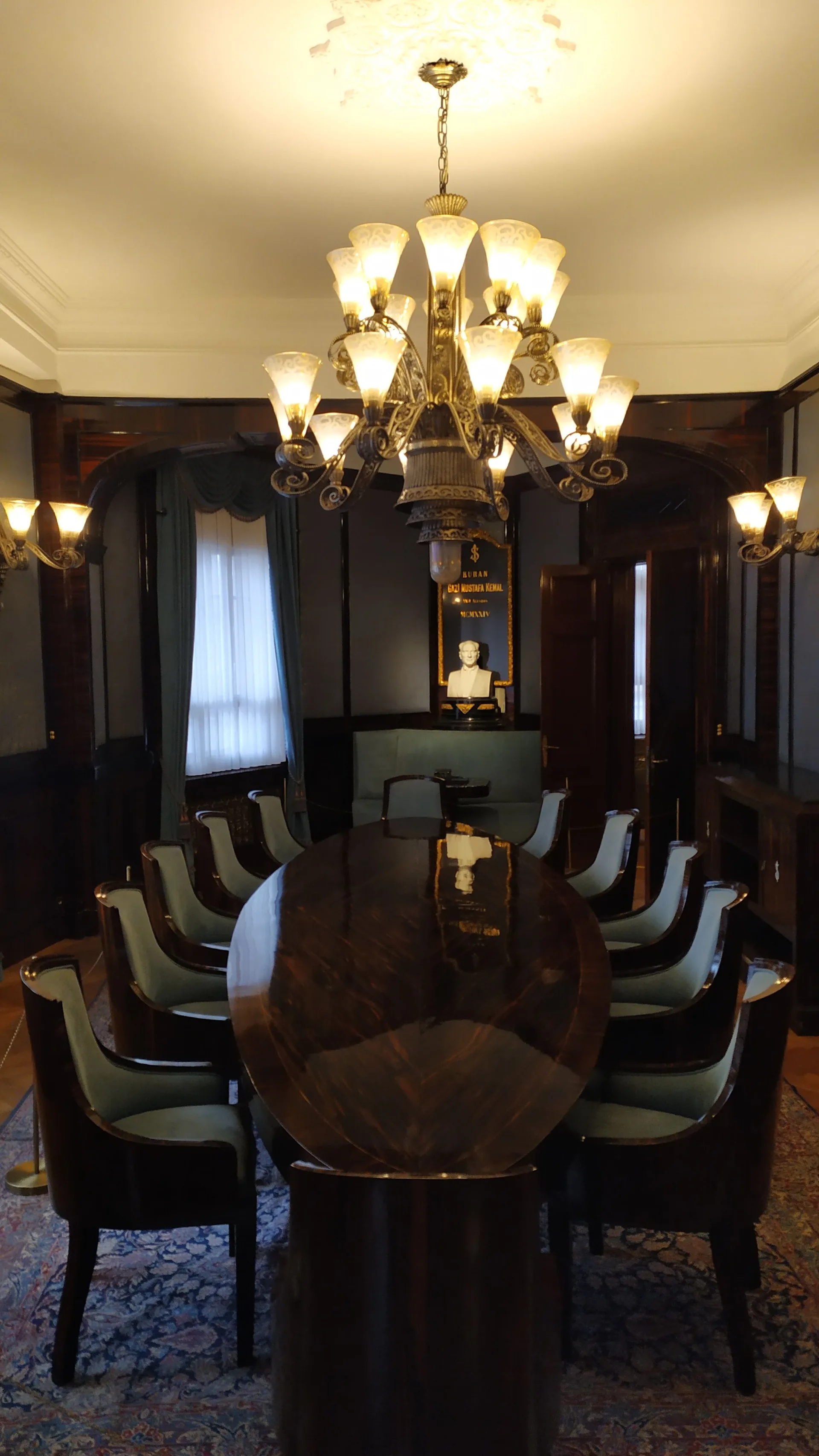
Choosing support for a hanging fixture
Step 1: weigh the fixture. Step 2: check the ceiling type. Step 3: match the support to the weight. Step 4: hang it at the right height.
| Option | Light pattern | Fits best when | Watch out |
|---|---|---|---|
| LED strips | Even line of light along the counter | Long runs with no shadows | Needs a straight run and a hidden channel |
| Pucks | Pools of light at spaced points | Short sections or inside cabinets | Spacing leaves dark gaps if set too far apart |
| Bars | Even light in fixed lengths | Standard cabinet widths | Lengths must match the cabinet run |
Plug-in, battery, or hardwired: choosing how under-cabinet lights connect
How under-cabinet lights connect shapes the whole job. Plug-in bars and strips are the simplest where an outlet sits nearby, battery bars suit rentals or cabinets with no outlet, and hardwired low-voltage runs give the cleanest look with no visible cords or adapters. Hardwired runs need a driver placed where it stays ventilated and reachable, and a dimmer matched to that driver.
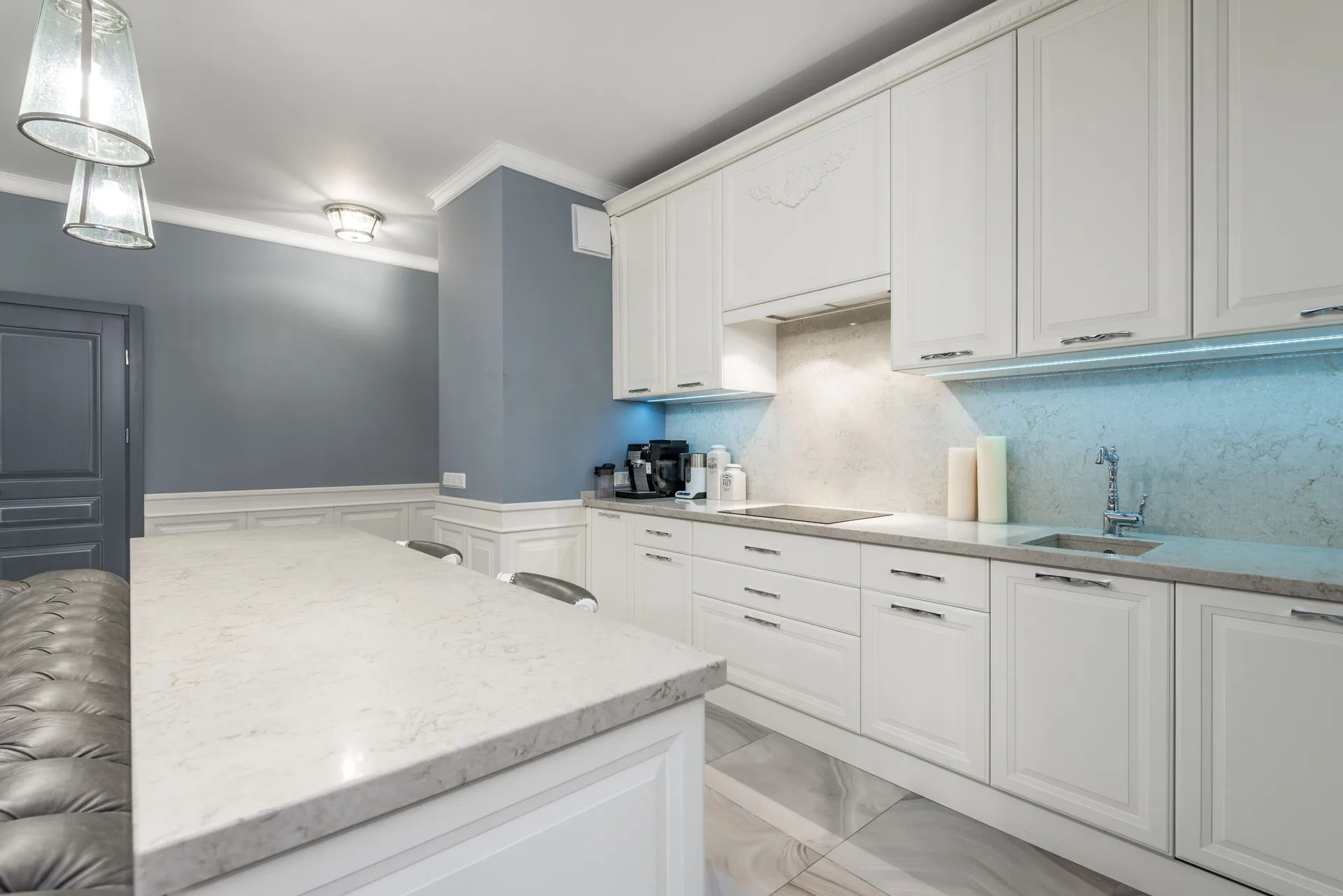
Choose by outlet access first, then by how the kitchen is used: battery bars need a charging routine, plug-in runs need tidy cable routing, and hardwired runs are best planned during other kitchen work. When you call, tell us your cabinet run lengths, where the nearest outlets sit, and whether you want dimming, so the provider can match the connection type to your kitchen.
Need an electrician in Fort Pierce? Planning chandelier or under-cabinet lighting? Call and tell us the room, ceiling height, and existing wiring.
Frequently asked questions
Can a chandelier go where a light was?
Often, yes, if the existing box is rated for the chandelier's weight and the wiring can serve it. A standard light box suits a light fixture, not a heavy chandelier. If the box is unrated or its rating is unknown, the support must be upgraded before the chandelier goes up, not after it starts to sag.
Does under-cabinet lighting need a new circuit?
Usually not. LED under-cabinet lights draw little power, so they can often share a lighting circuit. What they do need is a proper switch leg and, for low-voltage strips, a transformer sized to the total strip length. A new circuit becomes relevant when the existing lighting circuit is already loaded.
What support does a chandelier need?
A box rated for the fixture's weight, fastened to framing or a rated brace. The rating matters because a chandelier hangs for years and, on a chain or stem, swings slightly with air movement. A standard light box is not a substitute, and a heavy chandelier should never hang from drywall alone.
How do I choose the right chandelier size?
Size follows the room and, over a table, the table itself. A chandelier over a dining table should be narrower than the table and centered over it. In a room with no table, the room's dimensions guide the diameter. Measure both before buying, since showroom ceilings and rooms run larger than most homes.
How high should a chandelier hang?
Over a dining table, low enough to feel intentional and light faces, not so low that it blocks sight lines across the table. In an entry or living room, high enough to walk under comfortably. Vaulted ceilings need longer stems or chains and a canopy that sits level.
Should under-cabinet lights be dimmable?
Dimming is worth it in most kitchens, because task counters want bright light for cooking and softer light for evening meals. The catch is matching: not every LED strip dims cleanly, and not every dimmer suits every LED. A mismatched pair flickers or buzzes, so the dimmer and the light should be chosen together.
Can under-cabinet lights plug in instead of hardwiring?
Yes, plug-in sets exist and install quickly, but they use a counter outlet, leave a visible cord, and look unfinished across a whole kitchen. Hardwired sets run to a wall switch and hide the wiring, which costs more up front and looks better for years afterward.
Need an electrician in Fort Pierce? Call now and describe the problem.