
Do You Need a Permit for an EV Charger in Florida?
In general, yes: a new 240-volt circuit and charger installation in Florida usually needs a permit and inspection, while a standard 120-volt plug-in charge usually does not. This page explains who issues the permit, what inspection checks, and panel capacity. Call (772) 218-3629 and tell us your city or county, panel size, and charger type.
A permit is not paperwork for its own sake. EV charger permitting means the work is recorded, inspected by the local building department, and documented in your home's permit history, which matters when you sell. A permit is, in effect, charger circuit approval in writing. It also means a second pair of eyes checks the circuit size, the wiring method, and the grounding before the charger runs for hours at a time.
Need an electrician in Fort Pierce? Planning an EV charger? Call and tell us your charger type, parking spot, and panel capacity.
Which charger jobs usually need a permit
| Job | Permit usually expected? |
|---|---|
| New 240-volt circuit for a Level 2 charger | Yes, in most Florida cities and counties |
| Panel upgrade alongside the charger | Yes, as part of the service work |
| Plugging a Level 1 charger into an existing outlet | Usually no new permit, since no new circuit is added |
| Replacing an existing charger on an existing circuit | Depends on the jurisdiction; ask the building department |
Level 1 charging, the standard 120-volt plug that comes with many cars, adds no new circuit and usually needs no permit. Level 2 charging, the 240-volt wall unit most owners install at home, is a different job entirely, and that is where permits come in.
Who issues the permit: city or county?
The EV charger permit Florida process runs through whichever building department covers your address. The Florida electrical permit process for chargers is straightforward, but it still varies by office, so confirm the details locally. Inside Fort Pierce city limits, that is the city's building department. Outside the city, in unincorporated St. Lucie County, it is the county's. The provider handling the work usually pulls the permit and schedules the inspection, so you should not have to navigate the counter yourself. Ask who is responsible for the permit before work starts, and get it in writing if the answer is unclear.
What the permit process checks
- Panel capacity: a load calculation showing the service can carry the charger alongside existing loads.
- Circuit size and breaker: a dedicated circuit sized for the charger's continuous load.
- Wiring method: correct cable or conduit for the route, including outdoor and garage runs.
- Grounding and protection: proper grounding and GFCI protection where required.
- Charger location: indoor garage, carport, or outdoor weather-rated placement.
The EV charger inspection usually happens after the work is installed, with the inspector checking the panel, the circuit, and the charger connection against the electrical code section for EV charging equipment. If something fails, the provider corrects it and calls for re-inspection. That loop is the point of the process, not a nuisance in it.
Can charger work start before the permit is sorted?
It should not. Starting before the permit is issued risks a stop-work order, a failed inspection history, and problems at resale, when an unpermitted circuit shows up in a buyer's inspection. Some insurers also take a dim view of unpermitted electrical work. The permit step adds days, not months, to most jobs, and it protects the homeowner more than anyone else.
Panel capacity comes first
Before the permit question even matters, the panel question does. A Level 2 charger is one of the largest continuous loads in a home, and many older panels are already near their limit with air conditioning, electric cooking, and pool equipment. A load calculation decides whether the charger fits, whether load management can throttle it during peaks, or whether a panel upgrade is needed first. The EV charger installation page covers the install itself, and panel upgrade cost factors explains what shapes that scope.
Next step
Before you buy a charger, find your panel rating and ask your provider two questions: does my panel have capacity for a Level 2 charger, and who pulls the permit in my jurisdiction? The EV charger installation page, the Tesla Wall Connector installation page, and electrical inspection cover the related work.
Outdoor, detached-garage, and two-car details
Not every charger lives in an attached garage, and outdoor installs carry extra details. An outdoor charger needs an enclosure rated NEMA 3R or better, mounted on a weatherproof box, with the cable routed so it does not sit in standing water after a storm. Driveway installs often use a pedestal mount for the same reason. Conduit for these runs should be UV-rated where the sun hits it.
A detached garage adds a trench and conduit run, and distance changes the electrical math. Longer runs may need larger wire to keep voltage drop within limits so the charger still delivers full speed at the far end. Panel location matters too: when the panel sits on the opposite side of the house from the garage, planning a clean exterior conduit route beats a cable draped across the soffit.
Hardwired or outlet is a real choice, not just a preference. A hardwired charger avoids plug and receptacle wear and sidesteps the garage ground-fault breaker that a 14-50 outlet requires, which can nuisance-trip with some chargers. If you prefer a 14-50 outlet for a mobile connector, use an industrial-grade receptacle rated for continuous nightly loads rather than a cheap range outlet, which is not built for that duty.
Two-car households have a simpler option than doubling capacity. Many charger brands support power sharing, where two units on one circuit split the available current and rebalance as one car finishes charging. Load-management chargers work the same idea for the whole house: a sensor watches total household draw, slows charging when the home nears its limit, and restores full speed when the air conditioner cycles off. Both approaches can fit a charger onto a panel that a straight calculation would rule out.
Paperwork closes the loop. An itemized invoice plus the permit record keeps insurer, resale, and tax paperwork clean, since each party wants to see what was installed and that it was inspected. Any tax credit that may apply is address- and year-specific, so confirm eligibility with a tax professional rather than assuming a figure.
Photos and quick reference
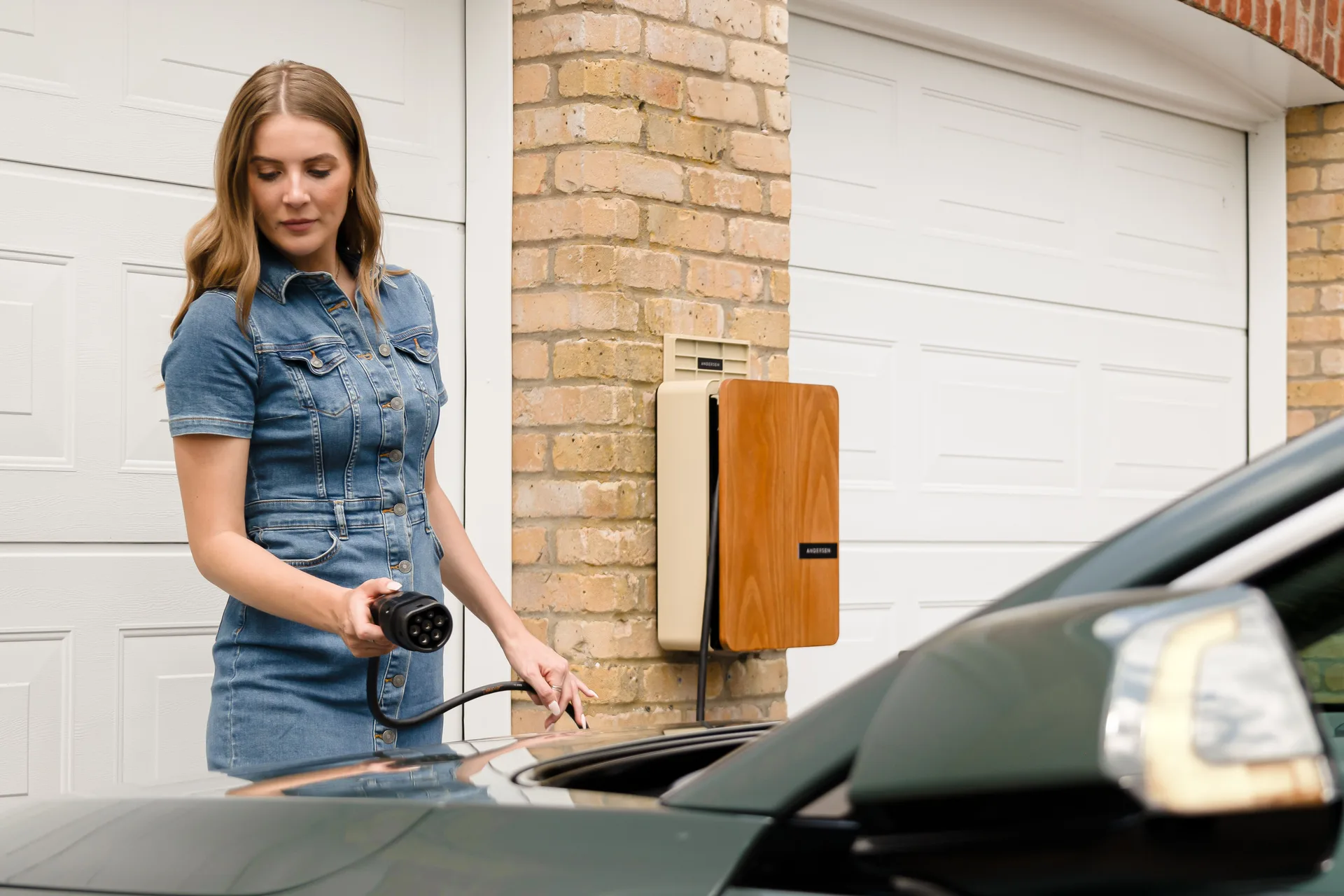
Permit steps for a home charger
Step 1: check panel capacity. Step 2: confirm who issues the permit. Step 3: apply for the permit. Step 4: pass the final inspection.
Level 1 vs Level 2 charging: why only one usually needs a permit
Level 1 charging plugs into a standard 120-volt outlet using the cord that comes with the car. It adds no new circuit, so it usually needs no permit, but it charges slowly and suits only light daily driving. Level 2 charging is the 240-volt wall unit most owners install at home, and because it adds a new, large, continuous circuit, local building departments usually want it permitted and inspected.
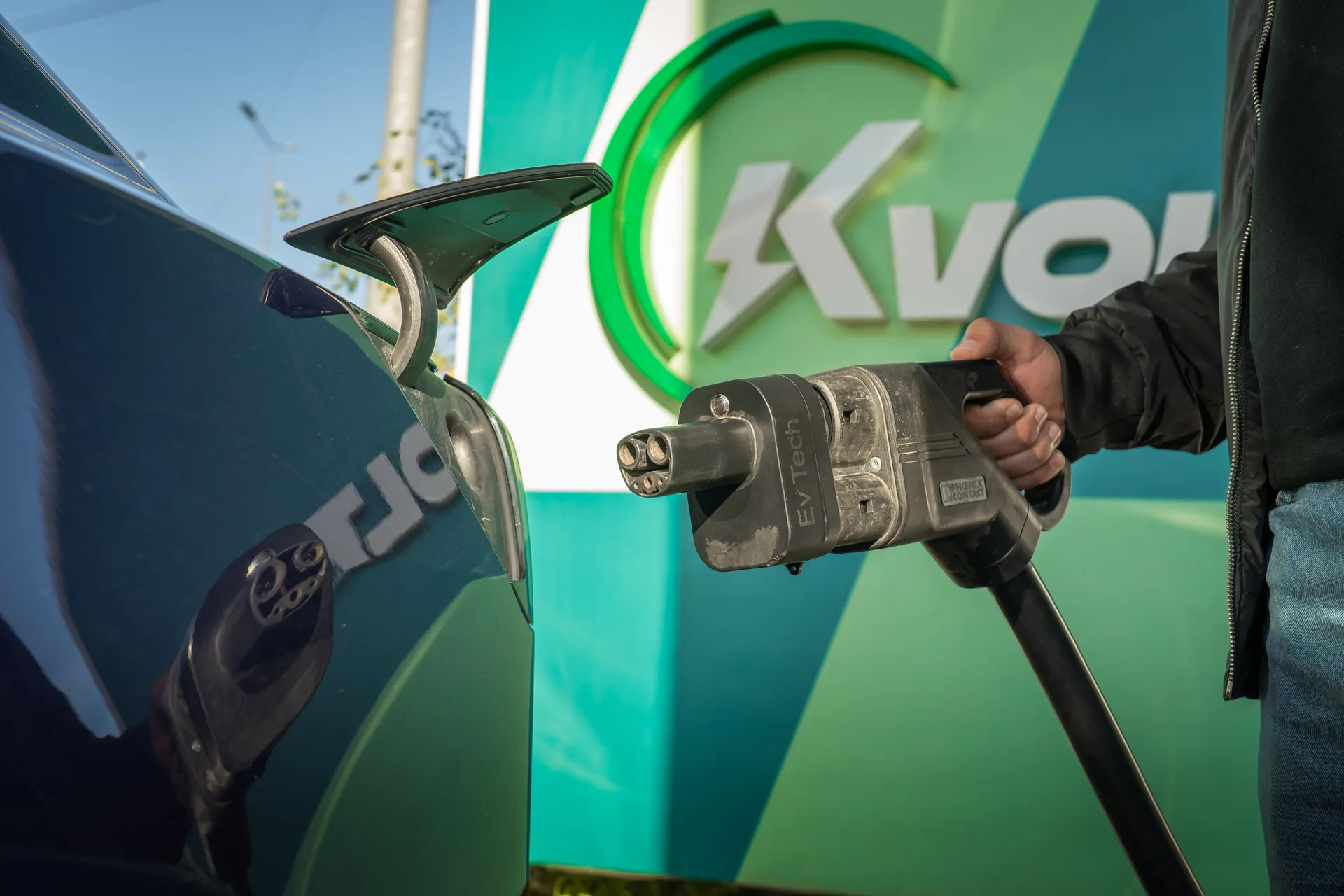
That distinction is also why panel capacity comes first: a Level 2 charger is a large continuous load, and an older or full panel may need an upgrade or a load-management charger before the new circuit goes in. When you call, tell us your city or county, your panel size, and whether you want a hardwired unit or a plug-in outlet, so the permit route can be confirmed for your address.
Need an electrician in Fort Pierce? Planning an EV charger? Call and tell us your charger type, parking spot, and panel capacity.
Frequently asked questions
Do I need a permit for an EV charger in Florida?
In general, yes, for a new 240-volt circuit and Level 2 charger installation. Most Florida cities and counties require an electrical permit and an inspection for that work, because it adds a large continuous load to the home. The exact rule depends on your city or county, so confirm it with the local building department before work starts.
What is inspected for an EV charger?
The inspection checks panel capacity through a load calculation, the dedicated circuit size and breaker, the wiring method for the route, grounding and GFCI protection where required, and the charger location, whether garage, carport, or outdoor. If anything fails, the provider corrects it and calls for re-inspection.
Who handles the permit?
Usually the provider handling the installation pulls the permit and schedules the inspection, so you should not have to navigate the building department counter yourself. Ask who is responsible before work starts, and get it in writing if the answer is unclear. The issuing office depends on whether your address sits inside Fort Pierce city limits or in the county.
Does a plug-in charger need a permit?
A Level 1 charger plugged into an existing standard outlet usually needs no new permit, since no new circuit is added. A Level 2 charger on a new 240-volt circuit is a different job and usually does need one. Replacing an existing charger on an existing circuit depends on the jurisdiction, so ask the building department.
Can charger work start before the permit is sorted?
It should not. Starting early risks a stop-work order, a failed inspection history, and problems at resale, when an unpermitted circuit shows up in a buyer's inspection. Some insurers also take a dim view of unpermitted electrical work. The permit step adds days, not months, to most jobs.
Does a permit affect selling my home later?
Yes, in a good way. A permitted and inspected charger installation is documented in your home's permit history, which buyers and their inspectors can verify. An unpermitted circuit, by contrast, can delay a sale, trigger a demand for retroactive permitting, or raise questions with an insurer.
Need an electrician in Fort Pierce? Call now and describe the problem.