
What Changes a Panel Upgrade Scope in Fort Pierce, FL?
A panel upgrade has no single scope, because service size, panel type, wiring condition, access, and permit coordination all change the work. This guide explains each factor in plain language, so you can read a quote and ask the right questions.
A panel upgrade scope is set by service size, panel type, meter and entrance condition, wiring condition, access, parts, and permit coordination, never by the label alone. Note your panel brand and service size. Call (772) 218-3629 and tell us your panel brand, service size, and what you are adding, for a written price after a look at your service.
Need an electrician in Fort Pierce? Weighing a panel upgrade? Call and tell us your panel age, brand, and spare space for a scope check.
Service size: the biggest scope driver
Service size is the capacity of the electrical service feeding the home, and it is the single biggest driver of upgrade scope. A like-for-like panel swap keeps the existing service size and changes the panel alone. A move to a larger service size changes more: the panel, and often the meter equipment and the service-entrance conductors that carry power from the utility connection into the home.
The right size is decided by a load calculation, which adds up the home's current loads and planned loads — air conditioning, electric cooking, water heating, laundry, and any planned addition such as an electric vehicle charger — and checks what the service can safely carry. A home that only needs more circuit spaces, with a service that already carries its load comfortably, may not need a larger service at all. That distinction is why a provider should calculate before quoting: guessing the size up or down wastes scope in one direction or creates a shortfall in the other.
Panel type and condition
Panel type changes the work because panels differ in design, parts, and how they are fitted. A modern panel with standard parts and a straightforward layout is a simpler swap than a panel with a known problem type, obsolete parts, or damage such as rust, heat marks, or a history of breaker failure. In Fort Pierce, homes from the 1950s to the 1980s may still carry older panel types, including Federal Pacific and Zinsco panels, which providers treat as replacement cases rather than repair cases.
Panel condition matters as much as panel type. A panel with corrosion from humidity and salt air, scorching, or a damaged bus may need surrounding work that a clean panel does not. The number of circuits matters too: a panel feeding many circuits needs more labeling, testing, and reconnection work than a small panel, and any circuit that is mislabeled or undocumented adds time to sort out safely.
| Factor | Smaller scope | Larger scope |
|---|---|---|
| Service size | Same size, panel swap only | Larger service, meter and entrance work |
| Panel type | Modern panel, standard parts | Obsolete or problem panel type |
| Meter and entrance | Good condition, no change needed | Replacement or relocation needed |
| Wiring condition | Sound wiring, clean connections | Brittle, damaged, or undersized wiring |
| Access | Clear, ground-level panel | Tight, high, or obstructed panel |
| Permit coordination | Simple coordination | Utility and inspection scheduling |
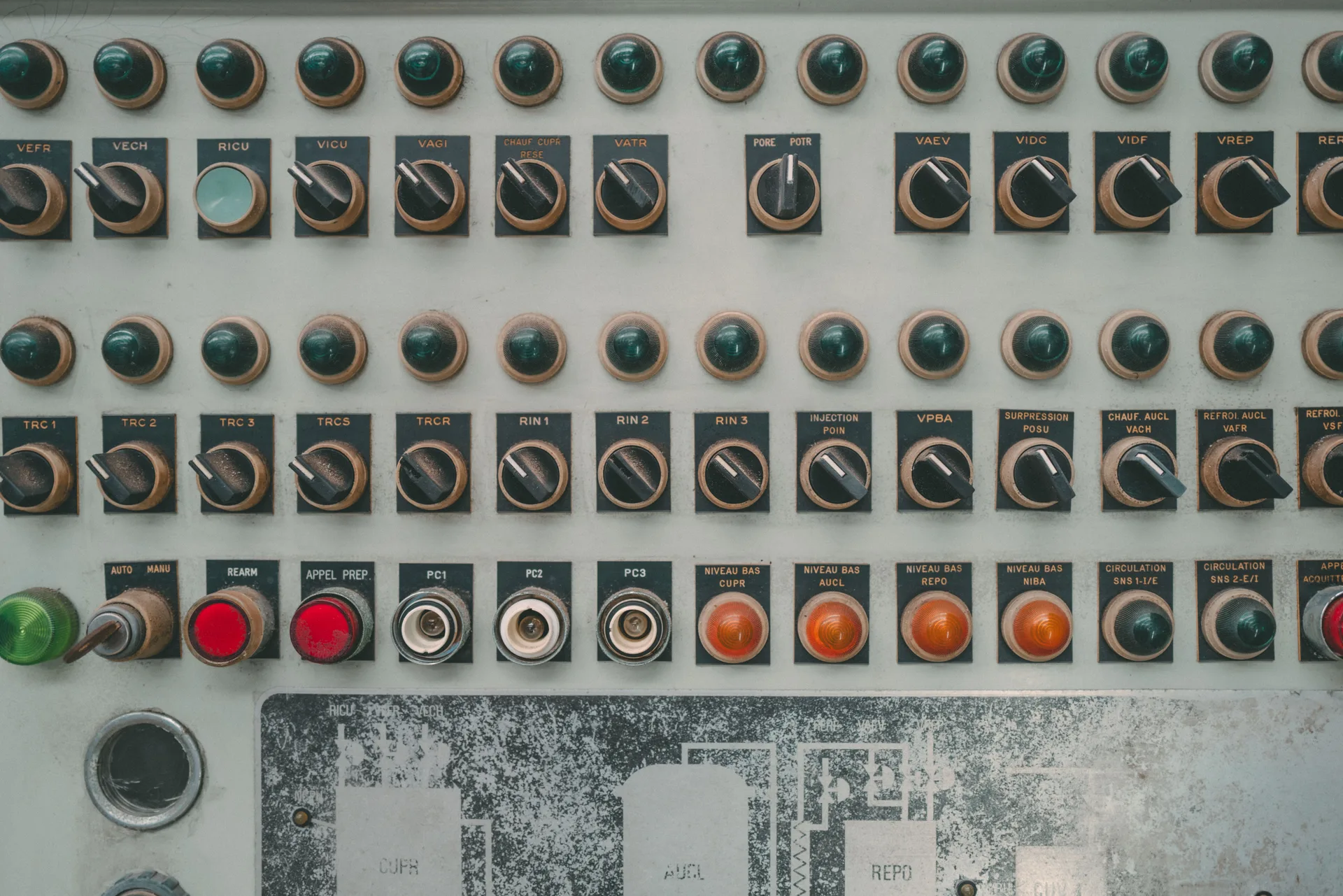
Panel type matters because panels differ in design, parts, and how they are fitted.
Meter and service-entrance condition
The meter and service entrance are the parts between the utility connection and the panel, and their condition can quietly enlarge a job. If the meter equipment is damaged, corroded, or undersized for a larger service, it needs work as part of the upgrade. If the service-entrance conductors are undersized, deteriorated, or routed in a way that no longer fits the plan, they need attention too.
This factor also brings utility coordination into the job. Work on the service entrance may need the utility to disconnect and reconnect power, and that scheduling affects timing even when it does not change the panel work itself. Which utility serves an address must be confirmed for that exact address: Fort Pierce Utilities Authority (FPUA) and Florida Power & Light (FPL) both serve parts of the area, and the right contact depends on the exact address.
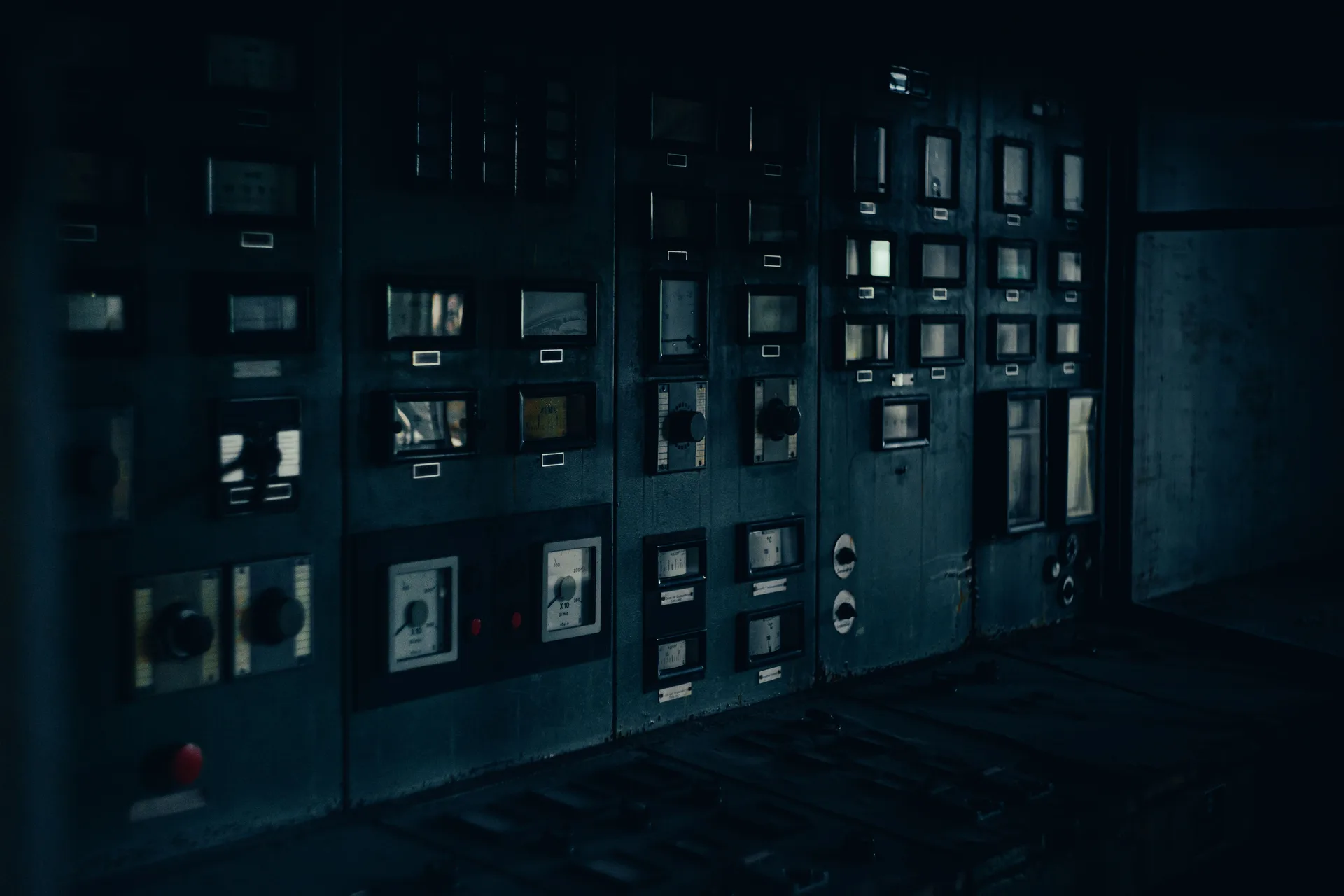
Panel condition shapes scope: older equipment can need more work than a like-for-like swap of the box alone.
Wiring condition
Wiring condition is the factor most likely to surprise a homeowner, because it hides behind walls and inside the panel. Sound wiring with clean connections adds little to a panel job. Brittle insulation, damaged conductors, undersized wiring for the circuits it serves, or aluminum wiring needing proper handling can add repair or replacement work, because a new panel cannot make failing wiring safe.
Older Fort Pierce homes are more likely to carry this extra scope, and it is also where a careful provider earns their fee: finding a damaged circuit during a panel upgrade and dealing with it openly, with the homeowner's agreement, is far better than leaving it for a later fault. A quote that assumes perfect wiring without looking inside the panel should be treated with caution.
Access, parts, and coordination
Access changes labor more than homeowners expect. A panel in a clear, ground-level garage is straightforward to work on. A panel behind stored goods, in a tight closet, high on a wall, or outdoors in a corroded enclosure takes longer and may need preparation work before the swap itself. Clearing access before the provider arrives is one of the few things a homeowner can do to keep a job smooth.
Parts availability also matters: standard panels and breakers are usually obtainable, while less common configurations or older system parts can take longer to source. Permit and inspection coordination is the final factor. Where a permit and inspection are required for the work, the provider coordinates the application, the inspection visit, and any corrections, and that coordination is part of the quoted scope. The requirement depends on the scope and the jurisdiction for the address, so it should be confirmed before work starts, not assumed.
Call right away if: the panel is warm, buzzing, scorched, or smells burnt, a breaker will not reset, or there are sparks. Stay clear of the panel, do not open its interior, do not hold a breaker on, and call 911 if there is fire or anyone is hurt.
Panel upgrade cost factors at a glance
Service size, the biggest scope driver. Panel type and condition. Meter and service-entrance condition. Wiring condition and access.
Subpanel versus full upgrade
A subpanel is an additional smaller panel fed from the main panel, and it is the right answer when the problem is simply a lack of circuit spaces. If the main panel is in good condition and the service size can carry the added load, a subpanel adds spaces without replacing the main panel, and the scope stays smaller. It is a common fit for a home adding a few circuits, such as a workshop, an addition, or a charger, where the main panel itself is sound.
A subpanel does not fit when the main panel itself is the problem: a failing panel, a known problem panel type, or a service already at its limit. In those cases a subpanel adds load to a panel that should be replaced, and the full upgrade is the honest scope. A provider should explain which situation your home is in, and why, before you choose — the cheaper option is only cheaper if it actually solves the problem.
Fort Pierce notes
Fort Pierce housing shapes panel scope in a visible way. Homes from the 1950s to the 1980s in Downtown and Lincoln Park more often carry older panels and older wiring, so wiring condition and panel type weigh heavily there. Newer homes in Fort Pierce North and Fort Pierce South more often have modern panels, where the question is usually spaces and service size for new loads rather than panel replacement itself.
Coastal homes on Hutchinson Island and South Beach add corrosion to the picture: humidity and salt air attack outdoor meter equipment and enclosures over time, so meter and entrance condition deserves a close look there. Summer storms and hurricane season, from June 1 to November 30, also make timing matter — a panel job planned before the season avoids competing with storm repair demand afterwards.
Mistakes to avoid
The most common mistake is comparing quotes by total alone, without comparing scope. A lower total that excludes meter work, wiring repair, or permit coordination is not a cheaper job — it is an incomplete quote that grows later. Always ask for an itemized breakdown, and check that each quote covers the same scope before comparing.
Another mistake is asking for a larger service size without a load calculation, or accepting a panel swap that leaves a known problem panel type in place because it was cheaper. Do not fit a larger breaker to solve tripping on undersized wiring, and never open a panel interior yourself to inspect it. Finally, do not start work before permit and inspection requirements for your address have been confirmed — that confirmation is part of the provider's job, and it protects you if the work is ever questioned later.
How to compare panel quotes fairly
Panel quotes are hard to compare because two quotes can describe different jobs under the same name, and competitor cost guides agree this is where homeowners get caught. A like-for-like panel swap keeps the same service size, while a service upgrade increases the capacity coming into the home, and those two jobs differ in panel, meter equipment, service cable, grounding, permits, and utility coordination. If one quote prices a swap and another prices an upgrade, the cheaper number is not a bargain, it is a different scope. Ask every quote to itemize the same list: panel and breakers, number of breaker spaces, meter and service equipment, grounding work, AFCI and GFCI breakers, surge protection if included, permit and inspection coordination, and utility coordination.
Three questions expose the rest of the difference. First, what is excluded: drywall cutting and patching, painting, and landscaping after exterior work are often left out, and finding that out after the job is an avoidable surprise. Second, what happens if hidden damage is found: corroded wiring, a damaged meter base, or a panel in a finished or hard-to-reach spot can change the scope mid-job, so ask how that is priced before work starts rather than discovering a contingency clause afterwards. Third, what future loads were sized for: an electric vehicle charger, solar, a generator inlet, or an addition planned in the next few years can change the right panel size today, and sizing for them now is often cheaper than redoing the job later. A quote that answers all three in writing is comparable; a quote that answers none of them is not, whatever its total says.
Those three questions are the panel upgrade pricing factors that matter most when quotes look different: same scope, stated exclusions, and a plan for hidden damage and future loads.
- Scope line by line: does each quote name the same panel size, panel type, and circuits?
- Meter and service entrance: is that work included, excluded, or listed separately?
- Wiring work: is any wiring repair or replacement named, or left vague?
- Coordination: does the quote name utility coordination and inspection steps?
- What is excluded: does each quote say plainly what it does not cover?
Related services
For the upgrade service itself, see electrical panel upgrade in Fort Pierce. To understand service size first, 100 amp versus 200 amp service explains the sizing decision, and Federal Pacific versus Zinsco panels explains the two older panel types. If the question is whether a full upgrade is needed at all, electrical inspection in Fort Pierce can assess the panel and wiring, and electrical repair in Fort Pierce covers panel faults that may not need a full upgrade.
When you compare panel replacement cost factors with service upgrade cost factors, keep them separate in your head: the first is about the panel itself, the second about the size of the service feeding it. A job can involve one, the other, or both, and that mix is exactly why the factors on this page matter more than any single number you might see elsewhere. These panel upgrade cost factors are the electrical panel cost variables that matter: panel upgrade cost is never one number, because the cost variables — size, condition, access, and permits — move together.
What a complete panel quote lists
A useful panel quote reads like a scope, not a single number. It should name the panel size and type, the number and type of breakers, whether the meter equipment and service-entrance conductors change, what happens to existing branch wiring, and what permit and inspection steps are included. If any of those lines is missing, you cannot fairly compare two quotes, because the cheaper one may simply leave work out.
Ask each provider the same questions: does the scope include surge protection, circuit labeling, and testing after installation, and what could change the scope once work starts? Bring your panel brand, service size, and planned additions to the call, so every quote prices the same job.
Need an electrician in Fort Pierce? Weighing a panel upgrade? Call and tell us your panel age, brand, and spare space for a scope check.
Frequently asked questions
Why do panel upgrade quotes differ so much?
Quotes differ because the scope differs, not just the panel. Service size, panel type, meter and service-entrance condition, wiring condition, access, parts, and permit and inspection coordination all change the work. Two homes with the same panel label can need very different jobs, so a quote given without looking at the panel is a guess, not a price.
Does a bigger service size change the job?
Yes. Moving to a larger service size can change the meter, the service-entrance conductors, and the panel itself, and it may need utility coordination. A like-for-like panel swap keeps the existing service size, while a larger service is a bigger job with more parts and more coordination. The right size follows a load calculation for the home's current and planned loads.
How does wiring condition affect a panel upgrade?
Wiring in poor condition — brittle, damaged, or undersized for the circuits it serves — may need repair or replacement as part of the panel work, because a new panel cannot make bad wiring safe. Older Fort Pierce homes from the 1950s to the 1980s are more likely to need this extra work, which is why a provider should look inside the panel and at the wiring before quoting.
What is a subpanel, and when is it enough?
A subpanel is an additional smaller panel fed from the main panel, adding circuit spaces without replacing the main panel. It fits when the main panel is in good condition and the service size can carry the added load. It does not fit when the main panel itself is failing, has a known problem type, or the service is already at its limit.
Do panel upgrades need a permit?
Permit and inspection coordination applies where it is required for the work, and the requirement depends on the scope and the jurisdiction for the address. A provider should confirm which authority handles the address before work starts and include that coordination in the quote. Never start panel work on the assumption that no permit is needed.
What should a written panel quote include?
A written, itemized quote should list the panel type, service size, meter and service-entrance work if any, wiring work if any, parts, permit and inspection coordination, and what happens if hidden damage is found once work starts. If a quote lists only a single total with no breakdown, ask for the breakdown before agreeing, so you can compare quotes fairly.
Need an electrician in Fort Pierce? Call now and describe the problem.