
Generator Exercise and Battery Checks in Fort Pierce, FL
A standby generator is only useful if it starts when the power fails. Regular exercise runs and simple battery checks catch most starting failures early, while the lights are still on and there is time to fix them, before storm season arrives.
A standby generator exercise run is a short run proving the engine starts and runs, and a battery check looks for slow cranking, corrosion, and loose cables. Listen for the weekly run and note alarms or missed runs. Call (772) 218-3629 and tell us the generator brand, any alarm shown, and when the last run failed or sounded different.
Need an electrician in Fort Pierce? Generator due a check? Call and tell us the model, last exercise run, and any warning signs.
What an exercise run does
An exercise run starts the generator on a schedule, even though the house still has utility power. The engine turns over, oil circulates, moving parts move, and the control system confirms the unit can start and run. Many standby generators do this automatically on a day and time set at installation, and the run usually lasts only a short while.
The point of the run is proof, not power. An engine that sits for months can develop stale fuel, a flat battery, or a fault nobody notices until the night it is needed. A regular run turns that hidden failure into a visible one: a missed run, a fault light, or a rough start shows up on an ordinary day, when a provider can be called calmly. Think of it as a rehearsal the generator performs for itself, on a schedule you can check.
Exercise runs also charge the battery on many models, since the running engine powers the charging system. That is one reason a generator that exercises regularly starts more reliably than one that has sat silent since last hurricane season. If your generator has no exercise schedule set, or you are unsure whether it runs, check the control panel and the manual first, then ask a provider to confirm the setting.
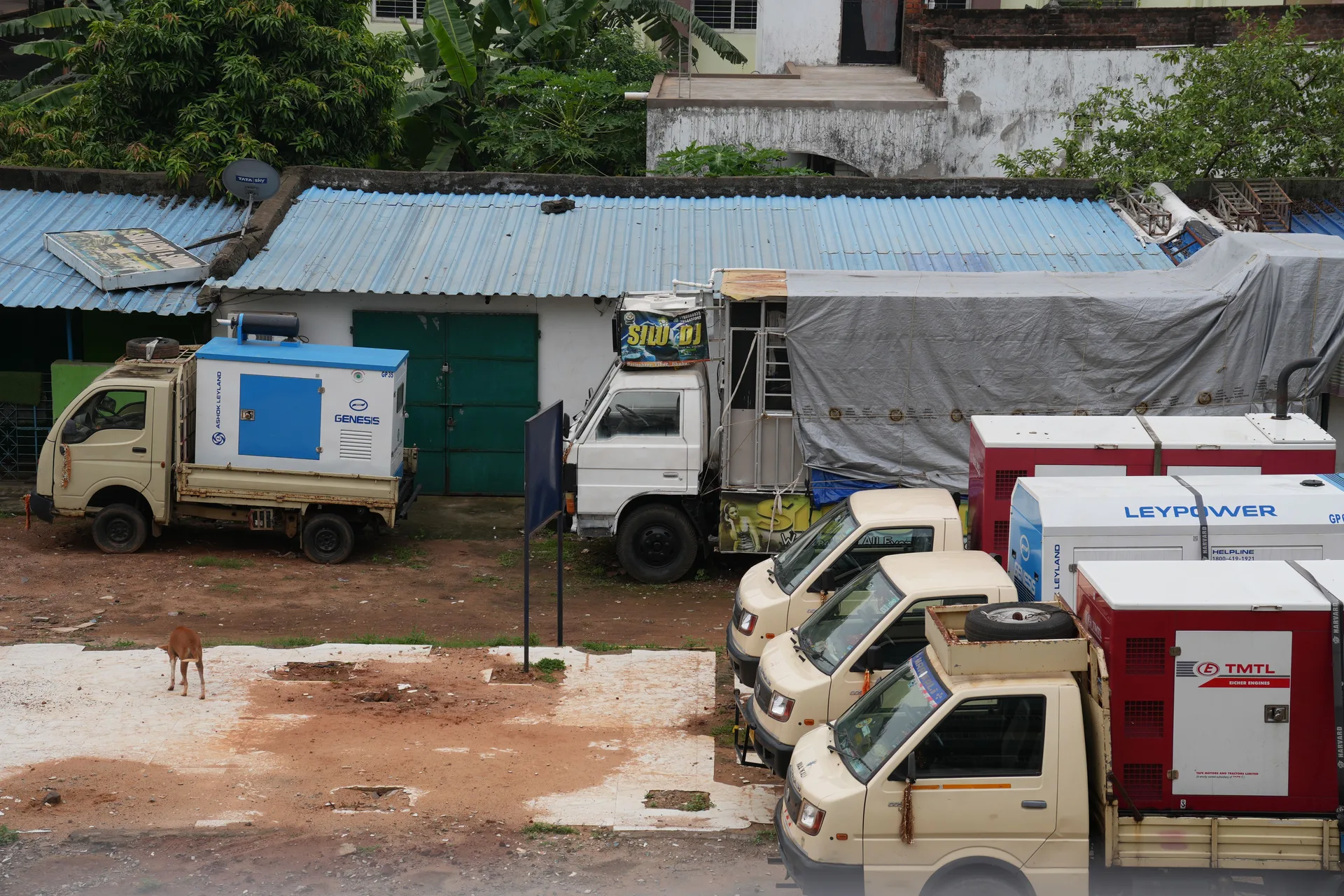
Backup generators spend most of the year idle, so a scheduled exercise run is how a fault shows up while the power is still on.
How to watch an exercise run
Watching a run takes a few minutes and needs no tools. Stand where you can hear the unit and see the control panel, and note what happens from start to finish.
- Does it start promptly? A healthy start is quick and steady. Slow, labored cranking or repeated attempts point to a battery or starting problem.
- Does it run smoothly? Listen for rough running, surging, or unusual knocking, and note any smoke or strong fuel smell.
- Does the panel show a fault? Warning lights or fault messages after the run are the generator asking for attention, not a display to ignore.
- Does it shut down cleanly? The run should end on its own, with the unit back in automatic standby mode afterwards.
- Is anything leaking? Fuel, oil, or coolant on the pad or under the unit needs a provider before the next run.
Keep a simple log: date, whether it started promptly, and any fault shown. That log is genuinely useful to a provider, because a pattern — slow starts getting slower, or a fault that appears every few weeks — points to the cause faster than a single failed start described from memory.
Generator battery checks you can do safely
The battery is the part most likely to stop a standby generator, because starting an engine takes a strong burst of power and a battery weakens quietly with age, heat, and time. Florida heat is hard on batteries, and a battery that started the unit last season can fail this season without any outward drama.
Safe homeowner checks are visual and listening checks only. Look at the terminals for white or green crusty corrosion, check that cables sit firmly and are not frayed, and look for a swollen or cracked case. Note the battery age if a date label is visible. Listen to the start: slow cranking, clicking without starting, or a start that gets weaker each attempt all point to a weak battery. Check the control panel for a battery warning after the run.
Do not open the battery, add fluid unless your manual clearly tells you to, or jump-start a standby unit by improvising. Battery acid burns, and a wrong connection can damage the control system. A provider can load-test the battery — a test that measures whether it holds up under starting load, which a simple voltage glance cannot show — and replace it with the correct type for your model.
| Check | Who | What it shows |
|---|---|---|
| Watch the exercise run | Homeowner | Prompt start, smooth running, faults |
| Look at terminals and cables | Homeowner | Corrosion, looseness, visible damage |
| Load-test the battery | Provider | Whether it holds up under starting load |
| Replace the battery | Provider | Correct type, safe fitting, settings reset |
| Investigate a repeated fault | Provider | Control, charging, or engine cause |
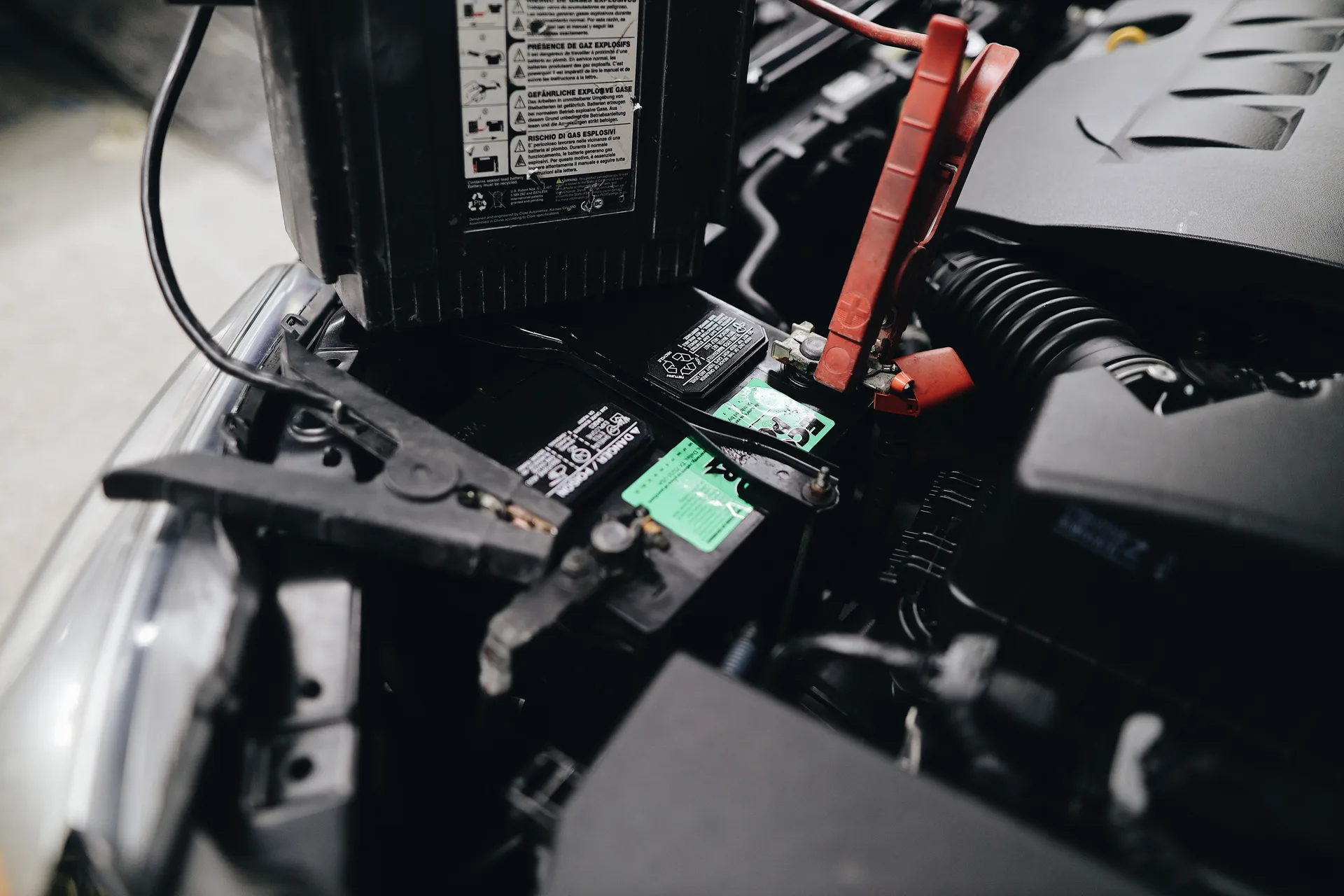
A weak battery is the most common reason a generator fails to start, and it can look fine while failing under load.
What needs a provider
A provider is needed whenever the generator misses runs, fails to start, shows a repeated fault, leaks fluid, or runs roughly. Those symptoms can come from the battery, the charging system, fuel, or the control system, and telling them apart needs testing rather than guessing. Replacing a battery without checking the charger, for example, can leave a new battery flat within weeks.
Provider care also covers the parts a homeowner should not touch: fuel system checks, oil and filter service, control settings, transfer-switch checks, and any electrical connection work. This post deliberately does not repeat the full visit scope of the maintenance service page — its job is the two homeowner checks, exercise and battery, and knowing when those checks hand over to a provider. If you are unsure whether a symptom is a homeowner check or provider work, treat it as provider work.
Carbon monoxide warning: never run a generator indoors, in a garage, or near open windows or doors, even briefly. Exhaust contains carbon monoxide, which is colorless and odorless. Keep working carbon monoxide alarms in the home, and if an alarm sounds or anyone feels ill near a running generator, move to fresh air and call 911.
Fort Pierce notes
Fort Pierce sits on the Treasure Coast, where hurricane season runs from June 1 to November 30 and summer storms can cut power with little warning. That timing shapes generator care: the worst moment to discover a dead battery is the first outage of the season, so exercise runs and battery checks matter most in the weeks before storm season, not during it.
Humidity and salt air affect outdoor equipment here, especially for coastal homes on Hutchinson Island and South Beach, where corrosion on battery terminals and outdoor connections builds faster than inland. Homes in Fort Pierce North and South, Lakewood Park, and White City face the same storm exposure with less salt, but heat still ages batteries, so a battery check is a whole-city habit, not a coastal-only one. After any outage, note how the generator behaved and whether it started promptly — that record is the next season's early warning.
Mistakes to avoid
The most common mistake is assuming a generator is ready because it ran last year. Batteries age, fuel ages, and faults appear silently, so last year's success proves nothing about this year. Another mistake is turning the exercise schedule off because the run is noisy or inconvenient, then forgetting it entirely — the schedule is the only regular proof the unit works.
Do not keep cranking a generator that will not start. Repeated failed starts drain the battery further and can flood the engine. Do not store fuel or run portable equipment in ways the manual forbids, and never connect a generator to house wiring without a proper transfer switch — backfeeding through an outlet can energize lines that utility workers believe are dead. Finally, do not ignore a fault light because the unit still runs: a fault during an exercise run is an early warning, and early warnings are cheap compared with a failure during an outage.
A maintenance schedule you can actually follow
Competitor checklists agree on one shape, and it is worth copying as a habit, not as a promise: the manual for your model governs, and the intervals below are the usual pattern to check against it. Confirm the weekly exercise run happened, rather than assuming it did. Once a month, walk around the unit: controller showing ready or AUTO, clearances free of leaves and stored items, no leaks underneath, oil level checked if your model allows it, and battery terminals free of crusty corrosion. Once a year, or at the run-hour interval in your manual, provider service covers oil and filter, air filter, battery testing, and spark plugs on the manual's schedule. Batteries are replaced on a schedule, typically every few years, rather than waited on until they fail, because a battery that looks fine can still fail under starting load.
Three moments deserve their own checks. After the first run hours on a new unit, the manual usually calls for an early first service, so do not treat a new generator as maintenance-free. After any outage longer than about a day, check the oil and look for leaks once the unit is cool, and note the run hours, because a long run uses oil and exposes faults a short exercise never shows. And before hurricane season, ask for a loaded test, not just an exercise run: a normal exercise starts the engine but does not transfer your home load, so only a load test proves the transfer switch and the circuits it feeds actually work. While you are there, confirm the fuel side too: a propane tank level, or a gas service that is actually connected, and clear space around the unit so pests cannot nest in the enclosure and vegetation cannot block airflow.
Generator maintenance schedule at a glance
Exercise run on the manual's schedule. Battery look and listen checks. Seasonal check before storm season. A fault or a missed run means a provider check.
Related services
For scheduled professional care beyond these homeowner checks, see generator maintenance and monitoring in Fort Pierce. If you are choosing a unit rather than maintaining one, how to size a Generac generator explains the sizing decision, and generator installation in Fort Pierce covers a new standby installation. For outage preparation as a whole, the hurricane electrical prep checklist puts the generator in its wider storm plan.
One habit that pays off is keeping a short generator maintenance checklist on the fridge: date of the last exercise run, any fault shown, and the battery age if you know it. A provider doing generator maintenance service work can read that note in seconds and spot a pattern you might miss on your own. Your generator maintenance schedule lives in the manual, not in guesswork, and generator battery replacement is provider work: the right battery type, fitted safely, with settings checked after. That is standby generator upkeep in practice, and it is what generator exercise and battery care really means — small checks, done on time.
Keeping a simple maintenance record
Write down the date of each exercise run you notice, any alarm shown, the battery installation date, and anything a provider serviced. A short record turns a vague worry into facts a provider can use: a battery that is several seasons old with slow cranking points one way, while a new battery with a missed run points another. Note the run hours if your unit shows them, and keep the record where you will find it during an outage, not only in the generator manual.
When you call, read from that record instead of guessing. Tell the provider the last run date, the alarm wording, and the battery age. That is what lets a provider decide whether the visit is a battery check, a service visit, or a transfer test.
Need an electrician in Fort Pierce? Generator due a check? Call and tell us the model, last exercise run, and any warning signs.
Frequently asked questions
What is a generator exercise run?
An exercise run is a short, automatic or manual run of the generator with no outage happening, so the engine starts, warms up, and proves it can run. Many standby generators run one on a schedule set at installation. The run keeps moving parts lubricated, charges the battery, and reveals a starting problem while the power is still on.
How often should a standby generator exercise?
Follow the schedule in your generator manual, since the right interval depends on the model. Many standby units exercise weekly or every two weeks, but the manual is the authority for your machine. If your generator has missed runs, shows a fault, or has not run since last storm season, ask a provider to check it rather than guessing.
What are the signs of a weak generator battery?
Slow or labored cranking, a generator that clicks instead of starting, repeated failed starts, and a battery warning on the control panel all point to a weak battery. Corrosion on the terminals, a swollen case, or a battery several years old are further warnings. A battery can look fine and still fail under load, so a failed start is a test result, not bad luck.
Can I test a generator battery myself?
You can safely look and listen: check for corrosion, loose cables, and warning lights, and note whether the exercise run starts promptly. Do not open the battery, jump it without knowing the procedure for your model, or work on electrical connections you are unsure about. A provider can load-test the battery and confirm whether it holds charge under starting load.
Does an exercise run power my house?
Usually no. A normal exercise run starts the engine but does not transfer your home load to the generator, so your lights and appliances keep running on utility power. Some systems offer a loaded exercise option, but that is set by the installer and the control settings. If your lights flicker during an exercise run, note it and tell a provider.
What should I do if my generator fails its exercise run?
Note the fault shown on the control panel, leave the generator in the state you found it, and call a provider. Do not keep trying to start a generator that has failed repeatedly, and never run a generator indoors, in a garage, or near open windows. Carbon monoxide from a running generator is colorless and odorless, so outdoor placement and working alarms matter.
Need an electrician in Fort Pierce? Call now and describe the problem.