
EV Charger Installation for Rentals in Fort Pierce
EV charger installation rental property Fort Pierce starts with written permission, for homes in Lakewood Park and Fort Pierce North, ZIPs 34946 and 34982. This guide explains who pays, what the panel check covers, and what stays when a tenant leaves.
Call Now to Speak to a Specialist
Open 24 hours a day, 7 days a week.
An EV charger in a rental is a written agreement before it is a fitting. The tenant asks in writing, the landlord agrees in writing, and the electrician checks the panel, the parking space, and the cable route. EV charger installation rental property Fort Pierce questions are settled on the call, with the exact price in a written estimate.
Permission first: a hardwired charger is an alteration
A hardwired wall charger is fixed to the property, wired into the panel, and left behind as a change to the building, so it counts as an alteration to the property, not as a portable appliance. That is why the first step in any EV charger installation rental property Fort Pierce job is permission, not a quote. The tenant asks the landlord in writing, and the landlord agrees in writing, before anyone books a survey.
The written agreement should cover the points this guide explains: who pays, who owns the charger, what happens when the tenancy ends, and who is responsible for maintenance and electricity. A short written agreement made before the work is worth far more than a verbal understanding discovered after it. If the property has a homeowners association or shared parking, that approval is part of the same step, and anything about local rules or tenancy rights for your address is confirmed on the call, not stated here as law.
Charging from an existing outlet is a different question from a hardwired wall charger. A portable charger plugged into an existing socket changes nothing about the property, while a wall charger changes the wiring. That is the line that matters, and it is the line the landlord's permission turns on. When in doubt, ask in writing and keep the answer.
Who pays, and who owns the charger
There are three usual routes, and the right one is the one agreed in writing before work starts. First, the landlord pays and owns: the charger is the landlord's, it stays with the property, and future tenants get the benefit. This route suits a landlord who wants the property to stand out and is happy to treat the charger as a long-term addition. Second, the tenant pays with written terms: the tenant funds the install, and the agreement says who owns the unit, whether it is removed at the end of the tenancy, and who makes good the wall and wiring if it goes.
Third, the cost is split: the landlord covers a contribution, often the standard install, and the tenant covers the extras, such as a longer cable run, a premium charger model, or panel work. Whatever the split, the agreement should also cover the electricity the charger uses, who pays for maintenance, and what happens if the charger is damaged. A clear agreement made before the work is what keeps a good tenancy good.
Exact price is confirmed on the call and the visit, and the visit ends with a written, itemised estimate before work starts. Our EV charger cost-factors guide explains what moves a home charger quote: panel room, cable run, charger choice, and the inspection steps. The same factors apply in a rental, plus the permission and ownership questions this guide covers.
Renting with an EV, or letting to a driver who has one?
What the electrician checks on a rental
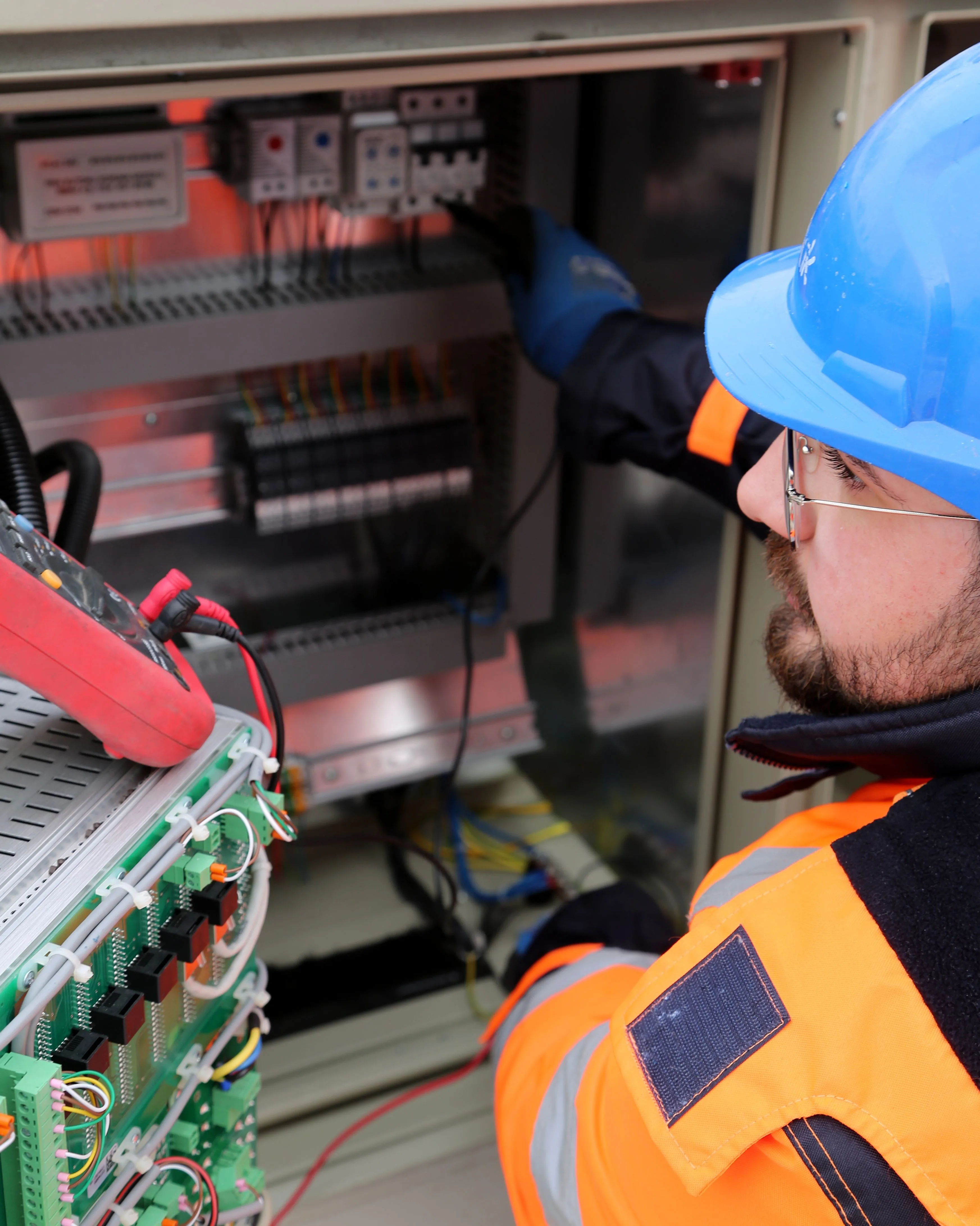
The electrician's first check on a rental is the panel. Older rental homes often have smaller services, fuller panels, or a panel brand that needs attention, and a charger is a heavy, sustained load, not a light one. The check is a load calculation, which weighs the charger against everything else the panel already serves, and it has three outcomes: room for the charger, room with a smaller charger or managed charging, or a panel upgrade first. Our EV charger panel capacity guide explains that calculation and the three outcomes.
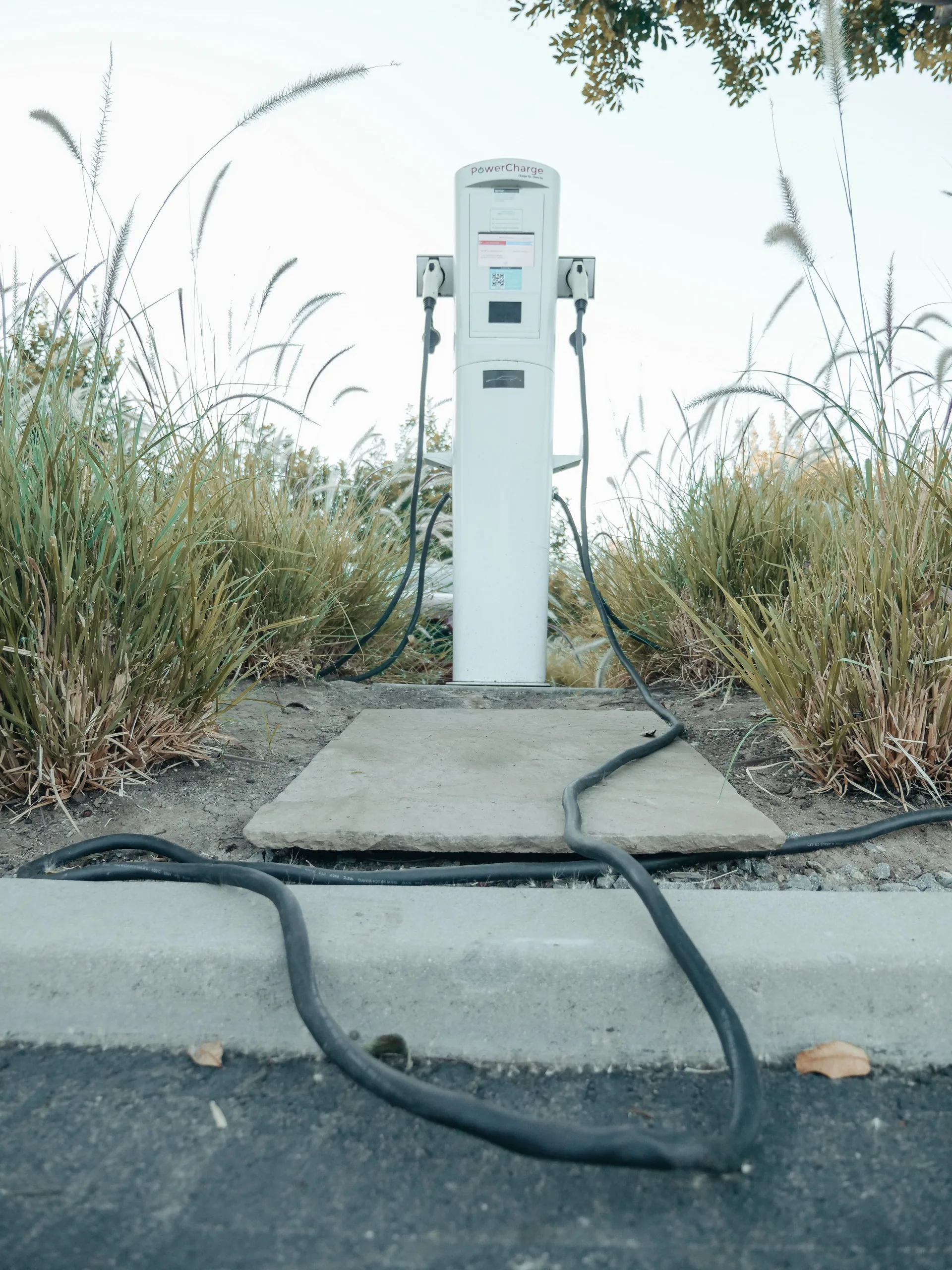
The second check is the cable route from the panel to the parking space. A charger beside a garage is a short run; a charger at a parking space across the property is a long one, and the route has to be safe, weatherproof, and agreed with the landlord. The third check is the charger position itself: sheltered where possible, clear of vehicle damage, and reachable without a cable trailing across a walkway.
Whether the job needs a permit, and who pulls it, is confirmed on the call and the visit for your address, as our EV charger permit guide explains. The permit route is part of the job, not an afterthought, and it is one of the reasons the work is done by a licensed electrician rather than fitted as a DIY job.
Level 1 or Level 2 for a rental
A rental charger is usually one of two kinds. Level 1 charging uses an existing outlet and adds range slowly, overnight. It needs no new circuit and no alteration, which makes it the simple route for a tenant whose daily driving is short and whose parking is close to an existing socket. It is the only route that does not need the landlord's permission as an alteration, though the tenant should still tell the landlord.
Level 2 is a wall charger on its own dedicated circuit, and it charges far faster than Level 1. It is the route for a tenant who drives further each day, or who wants the car ready by morning without thinking about it. It needs the panel check, the cable route, the landlord's written permission, and the permit route, because it is a fixed installation. Our Tesla vs universal charger guide compares the two plug types and the panel and app questions that come with them.
Which one fits a rental depends on the daily driving, the parking, and the panel, and the visit decides from those facts. A tenant who drives a short distance and parks beside the house may be well served by Level 1. A tenant who drives further, or a landlord fitting a charger to attract a long-term tenant, will usually want Level 2. The call is where that question is settled.
Renting with an EV, or letting to a driver who has one?
What happens when the tenant leaves
The end of the tenancy is where most rental charger arguments start, and it is where a written agreement earns its keep. If the tenant paid and the agreement says the charger is removed, then the charger comes off the wall, the cable is removed, and the wall and wiring are made good. The agreement should say who does that work and who pays for it, because a charger removed badly leaves a hole and a live cable end.
If the agreement says the charger stays, then the landlord inherits a fitted charger, and the agreement should say whether the tenant is reimbursed anything for it. A charger that stays is a feature for the next tenant, but only if it is safe, tested, and documented: the next tenant should be told what it is, how it is isolated, and who to call if it stops working.
The worst outcome is the one with no agreement at all: a charger on the wall, a tenant who has left, and a landlord who does not know who owns it, who maintains it, or who removes it. That outcome is entirely avoidable. Put the answer in writing before the install, and the end of the tenancy is a formality, not an argument.
For landlords: charging as a rental feature
For a landlord, a fitted charger is a feature that makes a listing stand out to the growing number of tenants who drive electric. A tenant who asks about charging is usually a tenant planning to stay, and a home that already has a charger answers that question before it is asked. The charger does not need to be the most expensive model; it needs to be safe, properly installed, and documented, with the panel check and the permit route done properly.
A landlord with several rental units should think in terms of one circuit check per space, not one charger for the building. Each parking space needs its own cable route and its own load calculation, and shared parking needs the question of who charges when, and how the electricity is billed, answered before the first charger goes in. Load management, which shares the available capacity between chargers, is confirmed on the visit for your property.
The same thinking applies to a small block or a property with a shared car park, where the commercial questions start to matter. Our EV charging for businesses guide explains which premises gain most from chargers and what to check first, and the same per-space discipline applies to a rental block. Call (772) 218-3629 and describe the property, the parking, and the panel, and we will confirm the next survey we can offer.
How a rental charger visit runs
A rental charger visit starts with the call, and the call starts with three questions: is the landlord's written permission in hand, where is the parking space, and what is the panel like. Those three answers decide whether the visit is a survey or a conversation, because a survey without permission is a survey that cannot lead to work.
On the survey the electrician checks the panel and the load calculation, walks the cable route to the parking space, agrees the charger position with the tenant and the landlord, and confirms the permit route for the address. The visit ends with a written, itemised estimate: the scope, the materials, the labour, and what could change the price. Nothing is fitted on a survey visit, and nothing is priced without seeing the job.
Have the permission letter, the parking details, and panel access ready for the visit, and say on the call whether the parking is a garage, a driveway, or a shared space. The Lakewood Park and Fort Pierce North area pages show the neighbourhoods this guide covers, and the EV charger installation service page explains the fitting itself.
EV Charger Installation for Rentals in Fort Pierce: frequently asked questions
Can a tenant install an EV charger in a rental in Fort Pierce?
An EV charger installation rental property Fort Pierce job needs the landlord's written permission first, because a hardwired wall charger is an alteration to the property. Ask in writing, keep the written agreement, and confirm the permit route on the call. Charging from an existing outlet with a portable charger is a different question, but the landlord should still be told.
Who pays for an EV charger in a rental property?
It is agreed in writing before work starts. The landlord may pay and own the charger, the tenant may pay with written terms about ownership and removal, or the cost may be split. The agreement should also cover electricity, maintenance, and what happens when the tenancy ends.
Does a rental EV charger need a permit?
Whether the job needs a permit, and who pulls it, is confirmed on the call and the visit for your address. The permit route is part of the job, not an afterthought, and it is one of the reasons the work is done by a licensed electrician rather than fitted as a DIY job.
Will my rental's panel handle an EV charger?
That is decided by a load calculation on the survey visit, which weighs the charger against everything the panel already serves. The outcomes are room for the charger, room with a smaller charger or managed charging, or a panel upgrade first. The exact answer for your home is confirmed on the visit.
What happens to the charger when the tenant moves out?
Whatever the written agreement says. If the tenant paid and the agreement says remove it, the charger comes off the wall and the wall and wiring are made good. If the agreement says it stays, the landlord inherits a fitted charger. Put the answer in writing before the install.
Can a landlord add chargers for several rental units?
Yes, with one circuit check per space: each parking space needs its own cable route and load calculation, and shared parking needs the question of who charges when, and how electricity is billed, answered first. Load management between chargers is confirmed on the visit for your property.
Ready to talk?