
Whole-Home Surge Protection Checker for Fort Pierce
Whole-home surge protection checker for Fort Pierce, FL: check storm exposure, past surge damage, and sensitive electronics near 34949 or Fort Pierce Inlet State Park, and get a low, medium, or high result, with plain advice for every score level included.
Open 24 hours a day, 7 days a week.
Your answer, in plain words
Answer five questions about storms, past damage, electronics, and existing protection, and the checker scores them into low, medium, or high need for whole-home surge protection. It never shows a price: the next step is a call for your exact quote.
Use the tool
How the score works
Past surge damage and frequent storm outages score highest, because they show your home already takes hits. A lot of sensitive electronics adds a point, and a coastal location adds another, since lightning and salt air punish outdoor gear. Already having whole-home protection fitted subtracts points, because the question is then whether it still covers your home, not whether you need it at all.
Need an electrician in Fort Pierce?
What whole-home surge protection actually does
A whole-home device, fitted at the panel, diverts a surge before it spreads through your circuits to TVs, computers, appliances, and smart home gear. It is one layer, not a guarantee: point-of-use protectors at valuable equipment still matter, and no device can promise to stop every lightning strike. What it does is cut the odds and the size of the damage from the surges Fort Pierce homes see most.
What to check before you call
Note any past surge damage, which rooms lost equipment, and whether you already have a panel device, a power strip protector, or nothing at all. That lets us confirm coverage in one visit. See our whole-house surge protection service, our electrical inspection service, our smart home wiring service, South Beach, and the full tools hub.
Need an electrician in Fort Pierce?
What your result means
Your band is a starting point, not a diagnosis, and each band carries a different next step on the call. Low means ask about protection at your next visit. Medium means talk through it soon. High means make the call the priority, especially after past damage or a home office at stake.
Low result: keep it on the list
A low result means your answers show little past damage, few storm outages, and modest electronics at risk, or that a panel device is already fitted and offsetting the score. The concrete next step is to raise surge protection on your next visit, so we can confirm whether that panel device is still working and whether its indicator light shows healthy protection. Low does not mean no risk: one nearby strike can still damage unprotected gear, so keep point-of-use protectors on valuable equipment even at low need. If anything changes, such as a home office or pool equipment added later, retake the checker.
Medium result: talk it through soon
A medium result means several risk factors stack up: perhaps past damage plus sensitive electronics, or a coastal home with a home office and no panel device yet. The concrete next step is a conversation, not a rushed decision: call (772) 218-3629 and tell us your score factors, especially past damage, pool equipment, and whether a panel device already exists. We confirm what your home already has, what it actually protects, and your exact quote for whole-home protection, agreed before work starts. This checker never shows a price, and no figure in this guide should be read as one.
High result: make the call the priority
A high result means past surge damage, frequent storm outages, and a lot of gear at risk combine into a clear case for panel protection. The concrete next step is to call (772) 218-3629 soon, before the next storm season peak, and to note which rooms lost equipment last time. On the visit we check the panel type, any existing device and its indicator, and the circuits feeding your most valuable gear. See our whole-house surge protection service and our electrical inspection service for what that visit covers.
Power strip or panel device: what each one covers
A power strip and a panel device do different jobs, and most Fort Pierce homes benefit from understanding the gap between them. The panel device guards every circuit from one point, while a strip guards only what plugs into it, so the two layers work together rather than replacing each other.
The panel device: one guard for every circuit
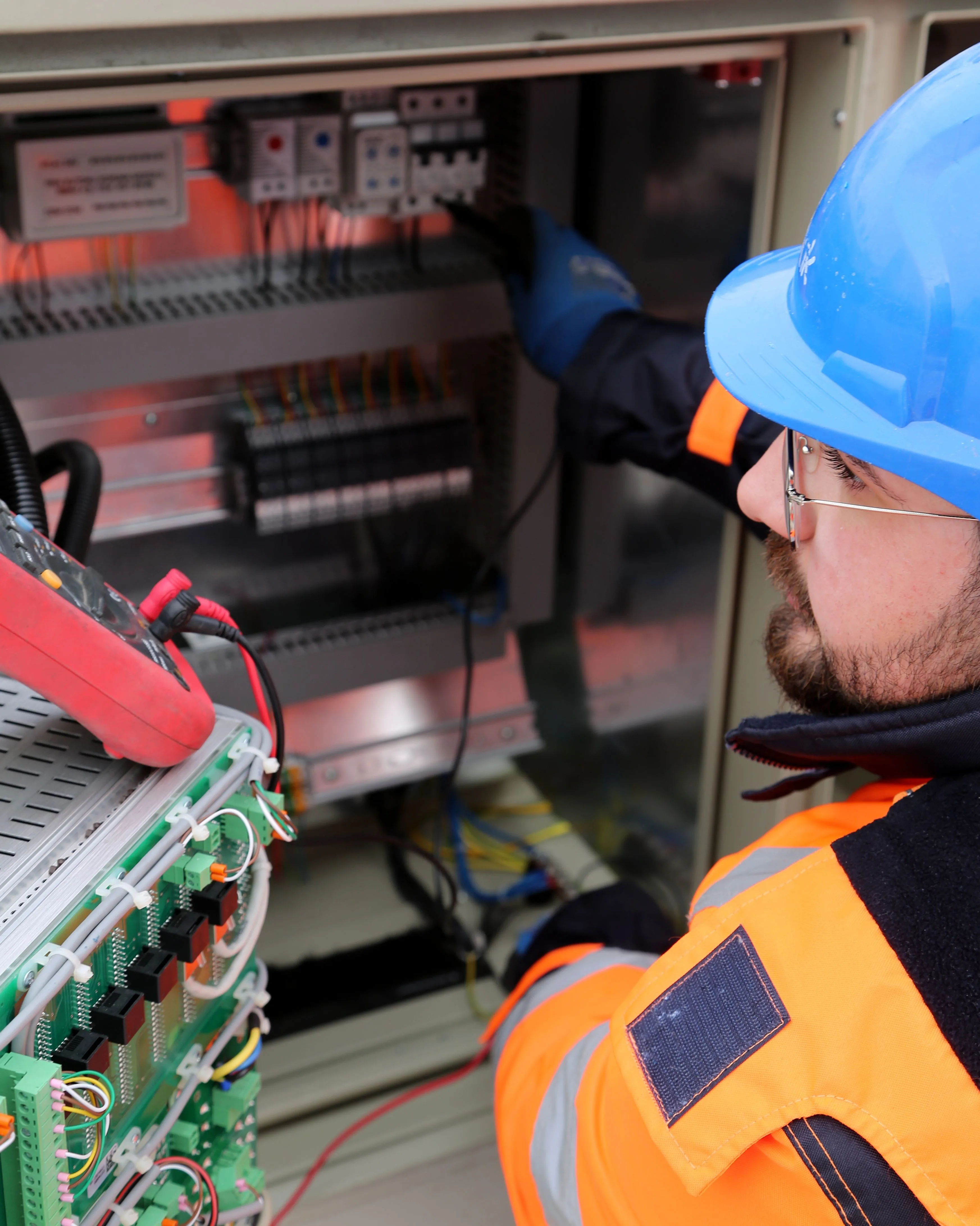
A whole-home surge device is fitted at or near the panel, and it diverts a surge before it spreads through your circuits to televisions, computers, appliances, and smart-home gear. That whole-home reach is its strength: a strip in the living room cannot protect the air conditioner, the pool pump, or the washing machine. The panel device is installed by an electrician, and its indicator light, where fitted, shows whether it is still protecting the home. Devices absorb hits over time and can wear out, often without an obvious sign, so an inspection is the reliable way to confirm one is still working.
The power strip: one guard for one spot
A power strip protector guards only what plugs into it, and that limit matters when you judge your home. A strip at the television protects the television, not the refrigerator in the next room, and a strip with a worn-out indicator may offer no protection at all while looking normal. Strips still have a real role as a second layer at your most valuable equipment, such as a home-office computer, a router, or a smart-home hub. They work best behind a panel device, not instead of one, and they should never be daisy-chained or overloaded.
Power strip versus panel device
| Question | Power strip protector | Panel surge device |
|---|---|---|
| What does it protect? | Only the equipment plugged into that strip | Every circuit in the home, from the panel outward |
| Does it cover the air conditioner or pool pump? | No, unless that equipment plugs into the strip, which it should not | Yes, as part of whole-home coverage |
| Who fits it? | You plug it in yourself | An electrician fits it at or near the panel |
| How do you know it still works? | Its indicator light, where fitted, but wear can hide | Its indicator light, where fitted, confirmed by inspection |
| Can it stop every lightning strike? | No device can promise that | No device can promise that; it greatly reduces damage from common surges |
| Best role in your home | Second layer at valuable equipment | First layer for the whole home, with strips behind it |
Layered protection in plain words
Think of it as two layers, not a choice between rivals. The panel device takes the first hit and keeps most of a surge out of your circuits, and the strip at the desk or television takes what remains for the gear that matters most. Homes with a home office, a pool, or a lot of smart-home gear benefit most from both layers, because each layer covers what the other cannot reach. If you already have a panel device, the question is whether it still works and whether its age and indicator check out, not whether strips alone are enough.
Surge risk in Fort Pierce: storms, salt air, and pools
Fort Pierce surge risk comes from more than one direction, and a single storm can test every layer at once. Atlantic thunderstorms and lightning, salt air on outdoor gear, pool and spa equipment on outdoor circuits, and a home office full of gear all raise the stakes, and your exact address decides whether FPUA or FPL serves you.
Storm exposure and lightning
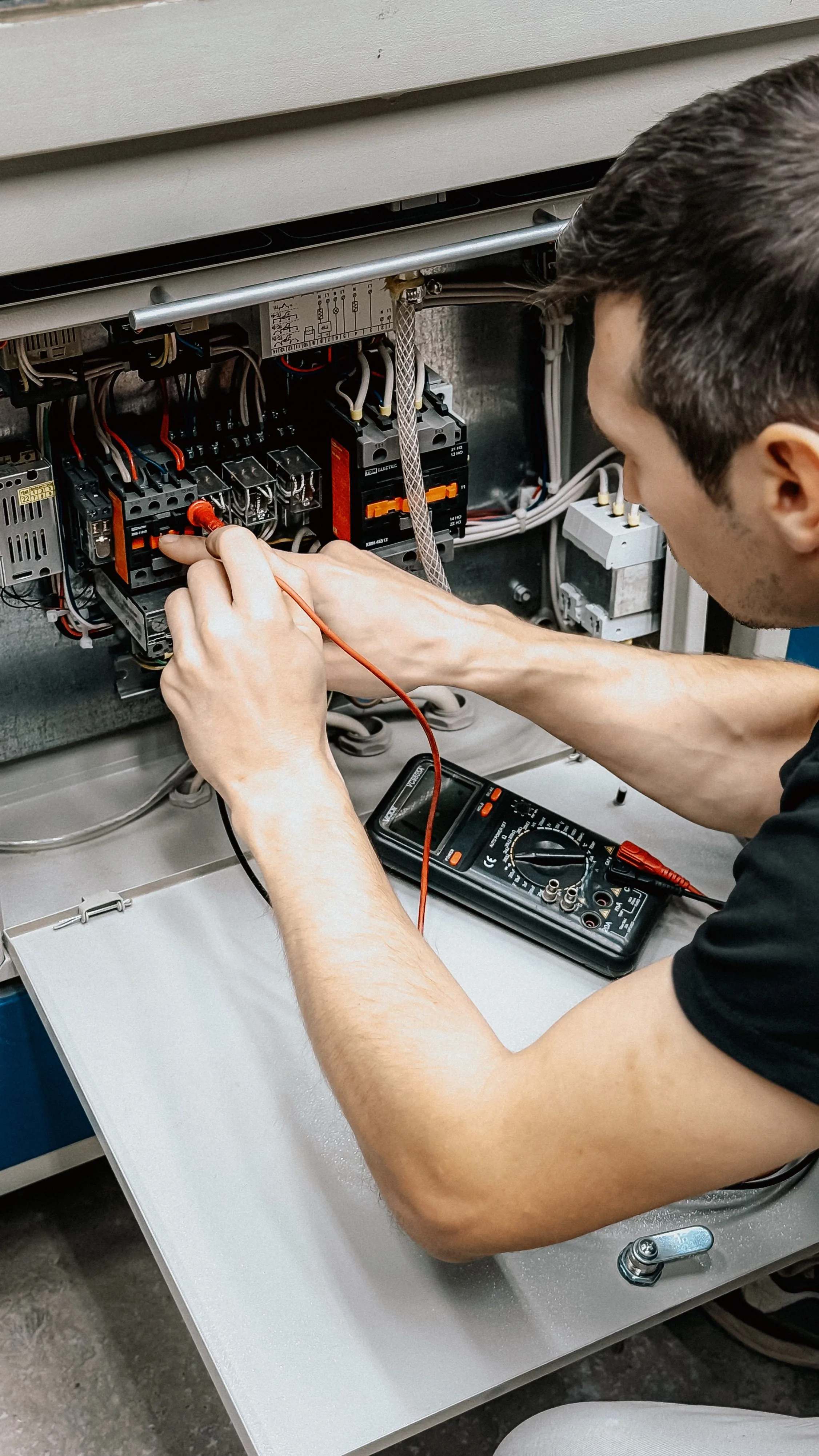
Fort Pierce homes face Atlantic thunderstorms and lightning through much of the year, and the checker scores past damage and frequent storm outages highest for good reason: they show your home already takes hits. An exposed home, with open ground, overhead lines, or tall trees nearby, takes those hits first, and a home that flickers or restarts during storms is already telling you its supply is rough. A direct lightning strike can overwhelm any protection, and no honest guide promises otherwise, but the far more common smaller surges and nearby strikes are exactly what panel protection is built to reduce. See our storm outage checklist and our generator installation service for wider storm planning.
Salt air and outdoor circuits
Salt air corrodes outdoor panels, fittings, and connections, and corroded gear handles surges worse than sound gear. Homes on Hutchinson Island and in South Beach feel this hardest, especially near Fort Pierce Inlet State Park, while inland homes in Fort Pierce North, Lakewood Park, and Fort Pierce South still face storm exposure through overhead lines and outdoor equipment. If an outdoor panel cover, pool disconnect, or exterior outlet shows rust, swelling, or a loose fitting, mention it on the call: corrosion and surge risk travel together, and both are checked on an electrical inspection.
Pool equipment, home offices, and smart homes
Pool and spa equipment deserves its own line in any surge conversation, because pumps, heaters, salt systems, and pool lights sit on outdoor circuits in the path of storms and salt air. A surge that only flickers a television can stop a pool pump outright, and pool circuits also carry safety gear that must keep working. Home offices raise the stakes differently: a lost afternoon of work, a dead router, or a damaged computer costs time as well as equipment. Smart-home gear, cameras, doorbells, thermostats, and hubs add dozens of small, sensitive points across the home, each one a path a surge can follow. We serve the verified ZIP codes 34945, 34946, 34947, 34949, 34950, 34951, 34981, and 34982, and we confirm your exact coverage on the call.
Your serving utility, checked per address
Fort Pierce Utilities Authority (FPUA) serves city addresses, while Florida Power and Light (FPL) serves addresses outside the city, and which one serves you is checked per exact address, not guessed from the neighbourhood name. That check matters after a storm: if the whole street is dark, your serving utility is the first call, but if power returns and equipment is dead, or only your home flickers, the fault may be inside your panel or circuits. Note which utility serves you, and whether neighbours lost power too, before you call us, so we can judge whether the visit is a panel check or a wider inspection.
Your layered-protection checklist before you call
Before you call, a quick walk through your home turns a vague worry into a clear list we can act on. Check for a panel device and its indicator light, note past damage and which rooms lost gear, list pool and office equipment, and bring the list to the call at (772) 218-3629.
- Past surge damage: what failed, after which storm, and in which rooms.
- Storm pattern: frequent outages, flickering, or restarts during storms, and whether neighbours saw the same.
- Existing protection: a panel device, its indicator light if it has one, and any power strips, with their locations.
- Home office gear: computers, routers, monitors, and smart-home hubs that must stay up.
- Pool and spa gear: pump, heater, salt system, and pool lights, and whether they sit on outdoor circuits.
- Outdoor condition: rust, swelling, or loose fittings on the panel cover, pool disconnect, or exterior outlets.
- Your ZIP code and serving utility, FPUA or FPL, checked for your exact address.
What happens on the call and the visit
- Tell us your checker band and the factors behind it: past damage, outages, office, pool, and any panel device.
- We confirm what your home already has and whether its indicator and age check out.
- We agree your exact quote for whole-home protection before work starts.
- An electrician fits the panel device and checks the circuits feeding your most valuable gear.
- We confirm point-of-use strips at your office and smart-home gear as the second layer.
Fort Pierce Electric Pros is open 24 hours a day, 7 days a week, with same-day service, 23 years of experience, licensed and insured, and Master Electrician Certification. Call (772) 218-3629 at any hour, and bring your checklist: it turns a general question about surge protection into a visit with a clear scope. For related planning, see our smart home wiring service, our pool and spa electrical service, and our panel upgrade quiz.
Frequently asked questions
Do I need whole-home surge protection in Fort Pierce?
Fort Pierce homes face Atlantic thunderstorms and lightning, so the need is real for many homes, especially with past surge damage, frequent outages, or a lot of sensitive electronics. The checker above scores your situation into low, medium, or high need.
What is the difference between whole-home and power strip surge protection?
Whole-home protection is fitted at the panel and guards every circuit in the home. A power strip protector guards only what is plugged into it. The two work together: panel protection first, then point-of-use protection for your most valuable equipment.
Can surge protection stop lightning damage completely?
No device can promise that. A direct lightning strike can overwhelm any protection. What whole-home protection does is greatly reduce the damage from the far more common smaller surges and nearby strikes that Fort Pierce homes see. Point-of-use protectors add a second layer at valuable equipment.
How do I know if my home already has surge protection?
Look for a device fitted at or near your panel, and check its indicator light if it has one. If you are unsure, do not open the panel: note what you can see from outside it and ask us to confirm on a visit.
Do surge protectors wear out or need replacing?
Yes, surge devices absorb hits over time and can wear out, often without an obvious sign. An indicator light, where fitted, helps, but an inspection is the reliable way to confirm a device is still protecting your home. Ask us to check the indicator and the device age on a visit.
How much does whole-home surge protection cost in Fort Pierce?
There is no fixed figure, because panel type, device, and installation steps shape the figure. This checker never shows a price. Call (772) 218-3629 for your exact quote, agreed in writing before work starts. Call us and we will confirm the panel type and device first.
Ready to talk?