
Storm Outage Checklist Generator for Fort Pierce
Storm outage checklist generator for Fort Pierce, FL: pick your household situation near 34982 or Fort Pierce City Marina, and print a tailored hurricane and storm outage checklist for your home, with generator safety and 911 guidance included for your family.
Open 24 hours a day, 7 days a week.
Your answer, in plain words
Tick what applies to your household, press Build my checklist, and you get a tailored, printable checklist for a Fort Pierce storm outage. It covers power, water, food, pets, medical equipment, and generator safety, with nothing stored and no form to fill in.
Use the tool
How your checklist is built
Every checklist starts with the same five base items: flashlights and batteries, charged phones and power banks, knowing your panel, calling 911 first for fire or smoke, and checking outdoor boxes after the storm before resetting breakers. Your ticks then add tailored items: medical equipment adds battery and backup planning, well water adds stored drinking water, and pets add food, water, and carriers for at least three days.
Need an electrician in Fort Pierce?
Before, during, and after the storm
Before the storm, charge everything, store water and food, and know which circuits matter most. During the outage, keep the fridge shut, keep children and pets away from damaged wiring, and never run a generator indoors. After the storm, check outdoor boxes and meters for damage, stay clear of downed lines, and do not reset a breaker feeding a damaged or wet circuit: call us first.
Generator safety on every checklist
Run a generator outdoors only, well away from windows, doors, and vents, and never in a garage or enclosed space, even with the door open: carbon monoxide has no smell and kills without warning. Let the unit cool before refuelling, and keep fuel outside. See our generator installation service, our generator size estimator, our emergency electrician service, Maravilla, and the full tools hub.
Need an electrician in Fort Pierce?
What your result means
Your printed list is a starting point, not a diagnosis of your home, and each tick points to a concrete next step you can take before the next storm arrives in Fort Pierce. Call (772) 218-3629 when a step needs an electrician, and keep the list where everyone in the household can find it in the dark.
A short list is not a failed result. It means the generator found no extra household needs in your ticks, so the base items carry the plan: light, charged phones, a known panel, and a clear rule about fire, smoke, and damaged circuits. A long list is not a warning either. It means your household has more to protect, so the extra items name exactly what to pack, charge, or check before the storm, rather than leaving you to guess in the dark.
- Base list only: print it, put one copy with your storm kit and one in the kitchen or utility area, and walk every adult in the home to the panel before the storm.
- Medical needs ticked: write every device, its battery life, and its backup plan on paper, charge spares, test the device on battery power, and tell us on the call that medical equipment is involved so the visit and any generator plan are built around it.
- Pets ticked: pack food, water, medicines, and carriers for at least three days, keep pets indoors during the storm, and keep them away from damaged wiring and wet areas.
- Elderly residents ticked: agree a neighbour or family check-in plan, keep medicines and a written dose schedule where they can be found in the dark, and set up one cool, well-lit room for the outage.
- Children ticked: explain the plan in advance, show children where the flashlights are and which rooms to avoid, and keep them away from the panel and any damaged outlets.
- Home office ticked: save work offline, charge a laptop and a mobile hotspot, and list the router and work circuits so a generator plan can be built around what must stay running.
- Well water ticked: store drinking water before the storm, since a well pump stops without power, and do not run a generator-powered well pump until the wiring and transfer setup have been checked.
- Pool equipment ticked: secure loose items before the storm, leave wet equipment alone afterwards, and do not restart a flooded or damaged pump until it has been checked.
- Electric vehicle ticked: charge before the storm, keep the cable dry and away from standing water, and do not charge from an improvised connection unless the setup has been checked as safe.
- Multi-day outage ticked: stretch supplies beyond three days, plan phone charging and laundry for day three and beyond, and arrange neighbour check-ins that last the whole outage, not just the first night.
- Full fridge or freezer ticked: keep doors shut during the outage to hold the cold longer, and throw out perishable food that has been above safe temperature for too long rather than guessing.
- Print the list and tick items off as you pack them, so nothing is left to memory on storm day.
- Walk the home in daylight: panel location, outdoor boxes, generator position outdoors, and the room where the kit lives.
- Call (772) 218-3629 about anything damaged, wet, scorched, or unclear, and describe it in your own words.
Every result ends the same way: a call. The generator cannot see your panel, your wiring, or your load, so the exact work for your home is confirmed on the call and on site. See our generator installation service, our emergency electrician service, and our whole-house surge protection service for the work behind these steps.
Checklist kit by household type
Different households run out of different things first, so the table below matches each household type in the generator to the kit items that matter most, and to the call you should make before the storm rather than during it.
| Household type | Kit additions beyond the base list | Call before the storm about |
|---|---|---|
| Medical needs | Written device list with battery life and backup plan, spare batteries, charged backup power source | How the visit and any generator plan are built around the equipment |
| Pets | Food, water, medicines, and carriers for at least three days, a lead and a familiar blanket | Nothing electrical unless a circuit feeds a heated enclosure or pump |
| Elderly residents | Written medicine schedule, charged hearing aids and phones, a neighbour check-in plan | A well-lit room plan and any circuit that must stay on |
| Children | Charged tablet or book light, a written plan children can follow, snacks and water they can reach | Which rooms to keep children away from during and after the storm |
| Home office | Charged laptop, mobile hotspot, offline copies of urgent work, spare phone charger | Which router and work circuits a generator plan must cover |
| Well water | Stored drinking water, water for washing, and a manual way to flush and clean | Whether the wiring and transfer setup support a generator-powered well pump |
| Pool equipment | Secured covers and loose items, dry storage for chemicals, a note of the equipment breaker | A post-storm check before any flooded or damaged pump is restarted |
| Electric vehicle | A full charge before the storm, a dry cable store, and a reachable charging plan away from home | Whether home charging can safely be part of the storm plan |
| Multi-day outage | Supplies beyond three days, fuel and battery rotation, and a charging and laundry plan | Generator readiness and transfer setup before the season, not during the outage |
Packing order that works in a real Fort Pierce outage
Pack in the order you will need things, not the order they appear on a shelf. Light and phones come first, because everything else is harder in the dark. Water and medicines come next, because a well pump and a fridge both stop without power. Food, pet supplies, and work gear follow, and generator fuel stays outside, away from the house, with the unit itself outdoors only, well away from windows, doors, and vents.
- Light first: flashlights, batteries, and a battery radio in one place everyone knows.
- Power next: charged phones, power banks, and one charger kept in the car.
- Water and health next: stored drinking water for well homes, medicines, and a paper list of devices and doses.
- Comfort and work last: food that needs no cooking, pet carriers, a charged laptop, and a hotspot.
If you live in Fort Pierce North, Fort Pierce South, or Lakewood Park, the same packing order applies, but the drive to shops after a storm can be longer and slower, so the multi-day tick matters more there than a single-night plan. Homes near Hutchinson Island and South Beach should also plan for bridge and road delays after a major storm, and keep the kit in the home rather than assuming a quick trip out.
Fort Pierce storm realities that shape your list
Fort Pierce sits on the Treasure Coast where Atlantic storms, summer lightning, and salt air near the Indian River Lagoon wear on outdoor equipment, so a checklist written for an inland town misses the failures local electricians actually see after a storm.
FPUA in the city, FPL outside it, checked per exact address
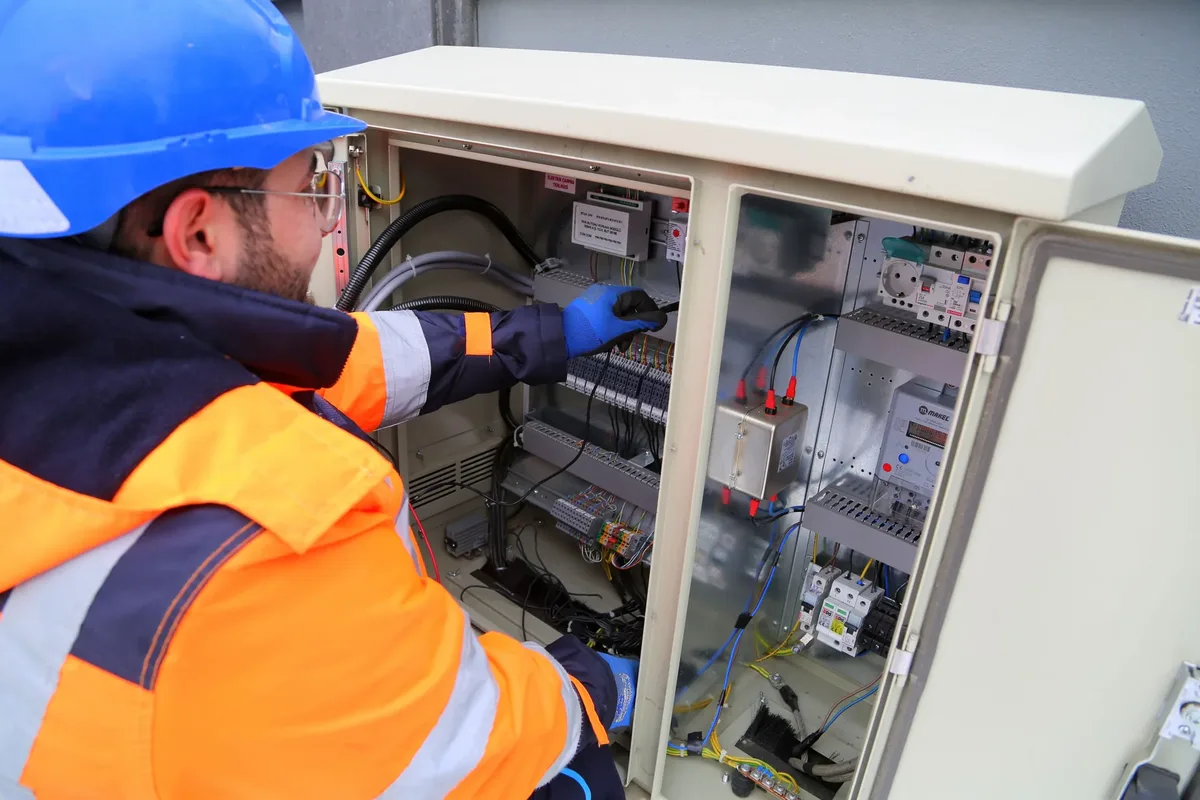
Which utility serves a Fort Pierce address depends on that exact address, with city addresses generally served by Fort Pierce Utilities Authority and addresses outside the city generally served by Florida Power and Light. Do not guess from a neighbourhood name or a nearby street. Check the utility for your exact address before the storm, write the outage reporting route on your printed list, and keep it with the kit so you are not searching for it while the power is out. Restoration timing, outage maps, and reporting routes differ by utility, and a checklist that names the wrong one wastes the first hours of an outage.
That address check also matters for the call to us. When you call (772) 218-3629, tell us your ZIP and whether you are on city or outside-city supply if you know it, plus which circuits matter most in your home. We serve the verified ZIPs 34945, 34946, 34947, 34949, 34950, 34951, 34981, and 34982, from Downtown Fort Pierce and the Fort Pierce City Marina area to White City and Maravilla. Use our service-area ZIP checker if you are unsure whether your ZIP is covered.
Salt air, older homes, and barrier-island exposure
Salt air corrodes outdoor boxes, meters, and connections faster than inland air, especially near the Fort Pierce Inlet, the lagoon, and the beachside neighbourhoods. Older homes in Downtown Fort Pierce and Lakewood Park can also carry older panels and wiring that were never built for today's air-conditioning load, let alone a storm recovery. That is why the checklist puts an outdoor-box check before any breaker reset, and why a scorched, rusted, or wet box stays off until it has been inspected. Our electrical inspection service and electrical panel upgrade service cover exactly that pre-season check, and our surge protection checker helps you judge lightning and surge exposure before the next storm season.
Getting your home ready before storm season
A checklist helps most when it is built in calm weather, not while a storm warning is already on the television, because the electrical checks on it need daylight, a clear panel, and time to call us if something looks damaged or wrong.
Walk the panel and the outdoor boxes in daylight
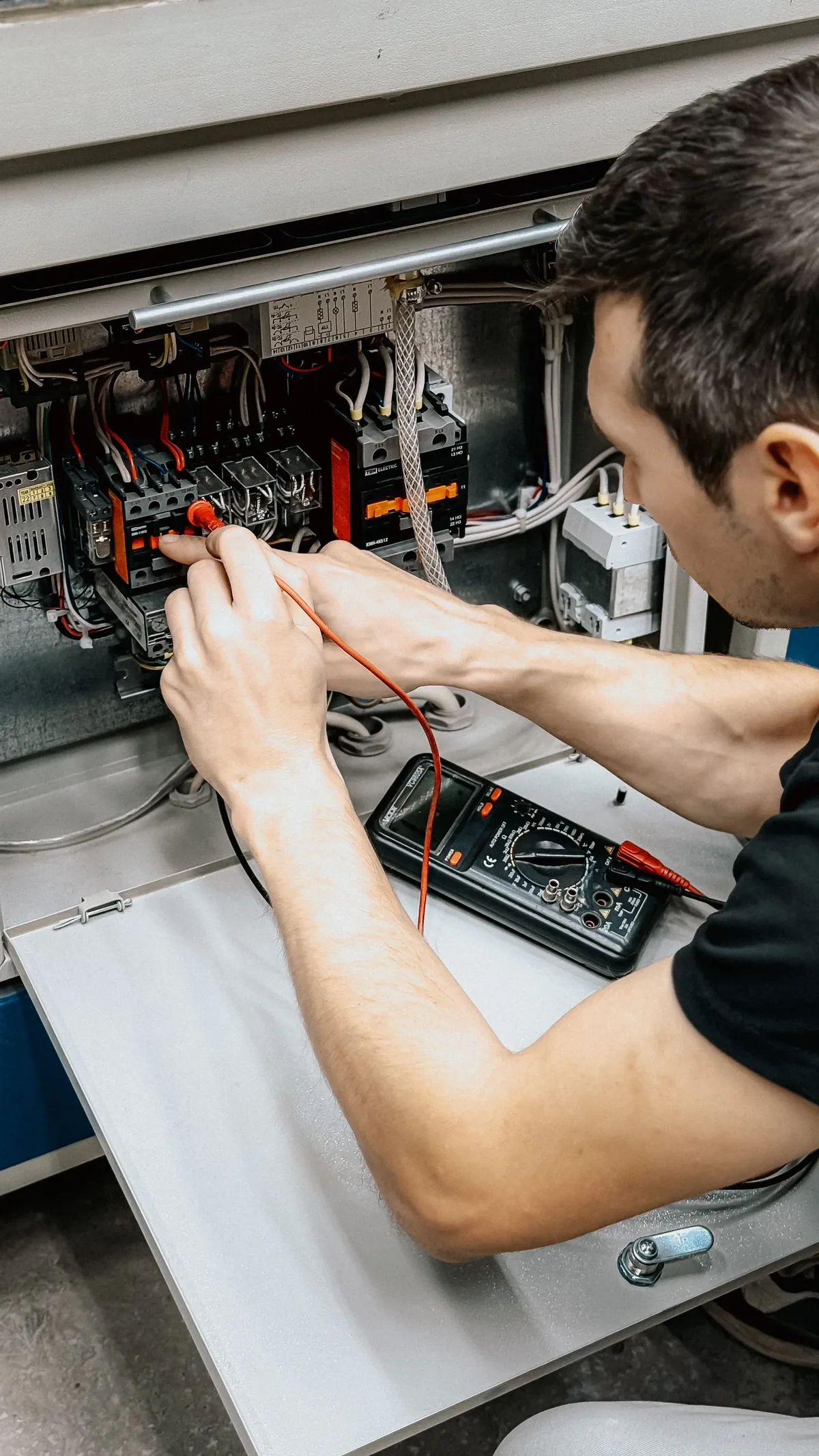
Find the panel, label the circuits that feed the fridge, the well pump, medical equipment, the home office, and the pool equipment, and clear the space in front of it so it can be reached in the dark. Then walk the outdoor boxes and meter: look for rust, loose covers, water marks, or scorching, and photograph anything odd to describe on the call. Never open a panel or work on live wiring yourself, and never touch a wet or damaged box. If anything looks wrong, leave it alone and call (772) 218-3629. We are open 24 hours a day, 7 days a week, with same-day service offered, and we have served Fort Pierce homes for 23 years as a licensed and insured local team holding Master Electrician Certification.
Test the generator and the surge plan together
A generator that has sat unused since last season is a guess, not a plan. Run it outdoors only, well away from windows, doors, and vents, and never in a garage or enclosed space, even with the door open, because carbon monoxide has no smell and kills without warning. Confirm which circuits the transfer setup actually feeds, let the unit cool before refuelling, and keep fuel outside. Pair that test with a surge check: lightning is a Fort Pierce fact of life, and a whole-house surge plan protects the fridge, the air-conditioning controls, and the home office gear that a checklist alone cannot. See our whole-house surge protection service, our generator size estimator, and our generator maintenance and monitoring service before the season, when there is still time to fix what the test finds.
- Label the panel in daylight and keep a torch beside it, not somewhere else in the house.
- Charge every spare battery, power bank, and device battery before the forecast tightens.
- Store drinking water early if you are on well water, and rotate stored food and pet supplies.
- Secure pool items, outdoor furniture, and anything that can blow into a meter or box.
- Print two copies of the finished checklist and put one with the storm kit.
After the storm: what to check, and what to leave alone
After a Fort Pierce storm, the safest first move is to look without touching, because wet panels, damaged meters, and downed lines can look harmless while still carrying danger, and resetting a breaker into a damaged circuit can make the damage worse.
Stay clear of downed lines and flooded areas, and keep children and pets away from damaged wiring, wet outlets, and any box that looks scorched or swollen. Check outdoor boxes and meters for damage first, and do not reset a breaker feeding a damaged, wet, or scorched circuit. If there is fire or smoke at any point, call 911 first, then call us at (772) 218-3629. If a circuit trips again after one careful reset of an undamaged circuit, leave it off and call us rather than resetting it repeatedly. Our breaker troubleshooter and emergency triage quiz walk through those stop points, and our emergency electrician service is the call when anything is hot, smelling, sparking, or wet.
Safety disclaimer: never open an electrical panel or work on live wiring yourself, never run a generator in a garage or enclosed space, and always call 911 first for fire or smoke. This checklist is a preparation aid, not a substitute for an electrician visit, and real sizing and load calculations are confirmed on the call and on site.
When the power returns, go room by room rather than switching everything on at once. Check the fridge, the well pump, the pool equipment, and the home office circuits one at a time, and watch for flickering, buzzing, or a breaker that trips again. Anything odd stays off until it has been checked. Call (772) 218-3629, describe what you see in your own words, and we will confirm what your home actually needs.
Frequently asked questions
What should be on a Fort Pierce storm outage checklist?
Flashlights and batteries, charged phones and power banks, stored drinking water if you are on well water, pet supplies, medical device batteries and backup plans, and generator safety rules. The generator above builds that list around your household, and you can print it.
How long should supplies last for a Fort Pierce storm outage?
Plan for at least three days of food, water, medicines, and pet supplies, and longer if you can manage it. Outages after a major storm can last well beyond three days, and shops may be closed or hard to reach.
Can I use my generator to power my well pump during an outage?
Only if the wiring and transfer setup have been checked and are safe for it. A generator-powered well pump needs the right connection, not an improvised one. Call (772) 218-3629 before the storm and we will confirm what your setup supports.
What should I do after the storm before resetting breakers?
Check outdoor boxes and meters for damage first, and stay clear of downed lines. Do not reset a breaker feeding a damaged, wet, or scorched circuit. If anything looks damaged, leave it off and call us. Damaged or wet circuits must stay off until inspected.
Where do I keep a printed outage checklist?
Print one copy for the kitchen or utility area, and one for your storm kit, so it is findable in the dark. The generator above prints from your browser, and nothing you tick is stored online. Keep one copy with your storm kit for easy finding.
What if I have medical equipment that needs power?
List every device, its battery life, and its backup plan on paper before the storm, charge spares, and test the device on battery power. Tell us on the call that medical equipment is involved, so the visit and any generator plan are built around it.
Ready to talk?