
Electrical Panel Buzzing or Humming Fort Pierce
Electrical panel buzzing or humming Fort Pierce homeowners hear in older Downtown and Lincoln Park homes, ZIPs 34950 and 34945, is usually a loose connection, a failing breaker, or salt-air corrosion — and a new buzz, crackle, or hum that grows louder is a same-day call, not a wait-and-see sound.
Call Now to Speak to a Specialist
Open 24 hours a day, 7 days a week.
A soft, steady hum that has always been there is often normal, but a new buzz, a crackle, or a hum that grows louder over days usually means a loose connection, a failing breaker, or arcing inside the panel. Electrical panel buzzing or humming Fort Pierce homeowners notice should be checked promptly — never open the panel yourself.
The sounds a panel makes, and what each one means
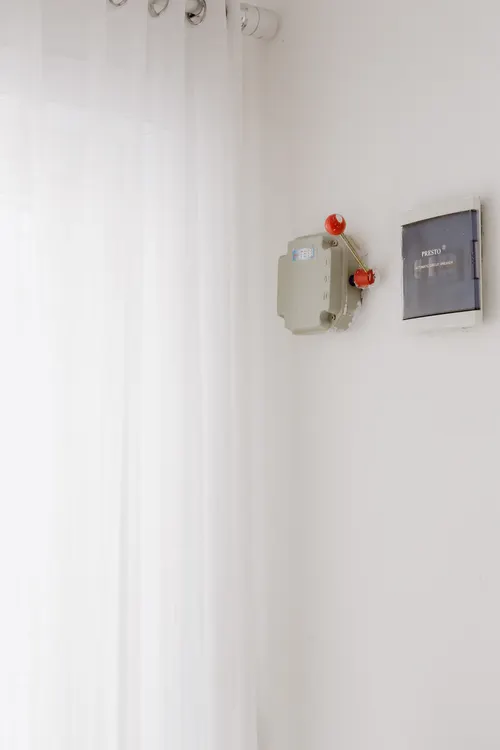
A panel can hum, buzz, crackle, or click, and the sound tells you which problem you are hearing. A soft, steady hum is the common one: magnetic forces inside breakers and panel components vibrate a little whenever current flows, and a low hum under heavy load — air conditioning, dryer, oven — is often just the panel working. A normal panel is close to silent, so a hum you have to stand next to the panel to hear is a different thing from a hum you can hear across the room.
A buzz is louder and harder than a hum, and it usually means a connection or a breaker is struggling. A crackle or sizzle is the sound of arcing: current jumping across a gap, like bacon frying behind the panel cover, and it is the sound to act on fastest. Clicking or popping is a breaker tripping and trying to reset, or arcing between a loose connection. Electrical panel buzzing or humming Fort Pierce homeowners hear in the evening, between about 5 and 10 pm when the air conditioning, cooking, and laundry run together, is often loudest at peak load — and that timing is itself a clue for the visit.
The one rule that covers every sound is the change rule. A sound that has always been there, at the same volume, is less urgent than a sound that is new, that has grown louder over days or weeks, or that has changed character. A panel that was quiet last month and buzzes this month has changed, and the change is the reason to call — even if nothing else has gone wrong yet.
Why a panel hums or buzzes: the four causes
The first cause is heavy load vibration. When a circuit pulls a lot of current, the magnetic forces inside breakers and panel components can make a low, smooth hum, and the hum stops or drops when the heavy load shuts off. That is the benign end of the scale, and it is the cause the visit rules out first by checking what was running when the noise started.
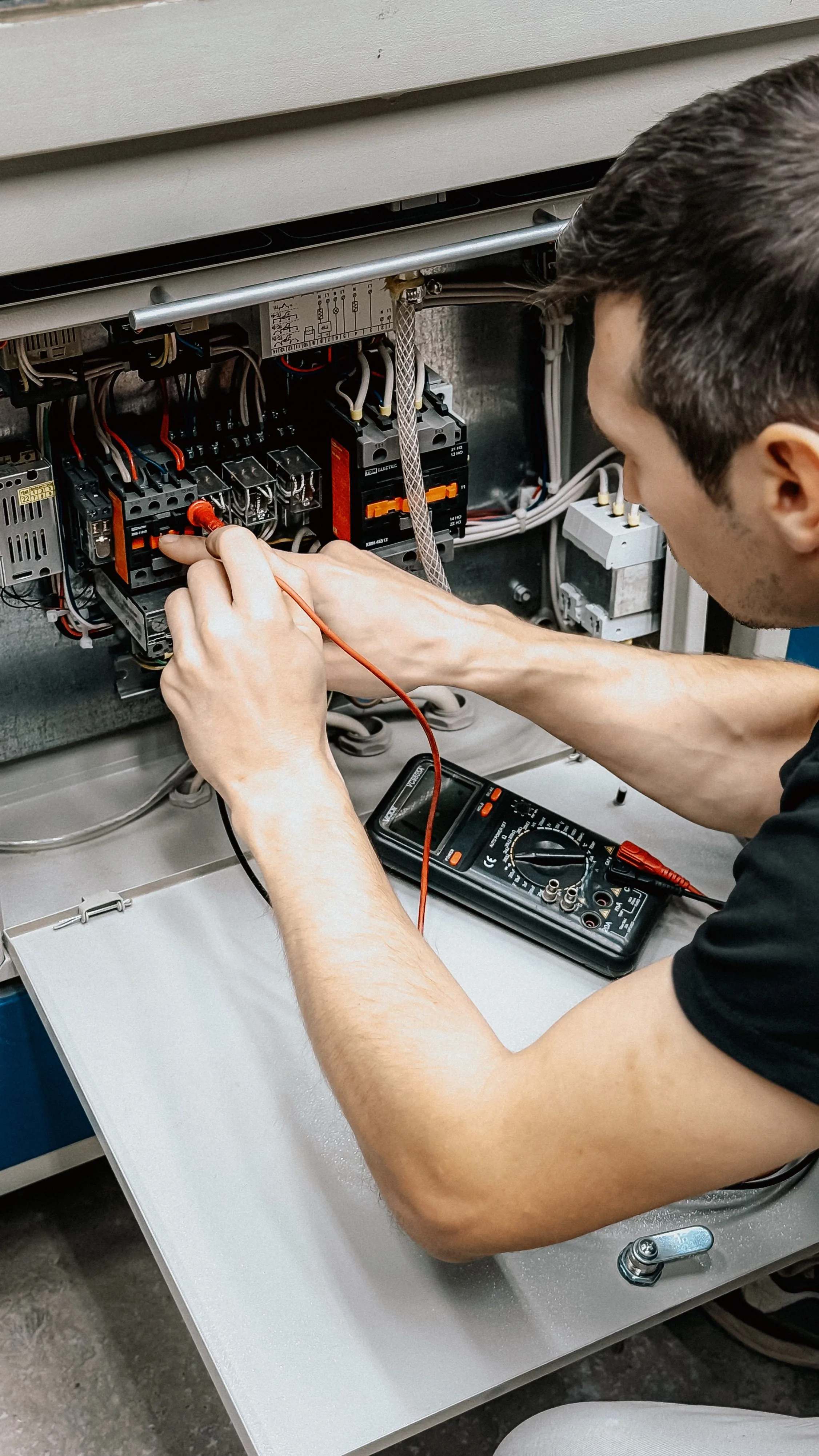
The second cause is a loose connection, and it is the most common cause of a real buzz. Terminal screws back out a fraction over years of heating and cooling, and once a connection loosens, current arcs across the gap, making a buzz or crackle and generating heat at that point. In Fort Pierce the same loosening is sped up by salt air: humid, salt-laden air corrodes terminals and connections, which is why our salt-air electrical corrosion guide starts at the outdoor panel. A loose connection cannot be confirmed without removing the cover, and that is electrician territory.
The third cause is a failing or overloaded breaker. Breakers wear out: springs fatigue, contact surfaces pit, and plastics age from heat cycles, and a breaker near the end of its life can buzz under a normal load, run hot, or trip for no obvious reason. The fourth cause is the electronics inside AFCI and GFCI breakers, which can make a faint sound with certain loads. Our electrical panel repair guide explains which panel faults are repaired and which findings mean replacement or upgrade instead.
A panel that is louder than it was last week?
When a buzzing panel is an emergency
A buzzing panel becomes a same-day call the moment it is joined by another warning sign. A burning smell — often described as fishy or electrical — heat on the panel cover, scorch marks, visible smoke, flickering lights across the whole house, or a breaker that will not stay reset are all signs that the fault is already making heat, and heat near wiring and insulation is how electrical fires start. A buzzing panel on its own is a fault; a buzzing panel with a smell or heat is an emergency.
If you hear crackling or sizzling, or you see sparking through the panel cover, do not open the panel. The bus bars inside carry 240 volts at up to 200 amps, and contact with a bus bar can be instantly fatal — and turning off the main shuts down the branch circuits but leaves the service conductors ahead of the main energised. Stop using the circuit that is buzzing, keep clear of the panel, and call (772) 218-3629. Our emergency electrician service takes calls around the clock, and a panel with a smell or heat is a same-day visit, not a next-week one.
What the visit checks
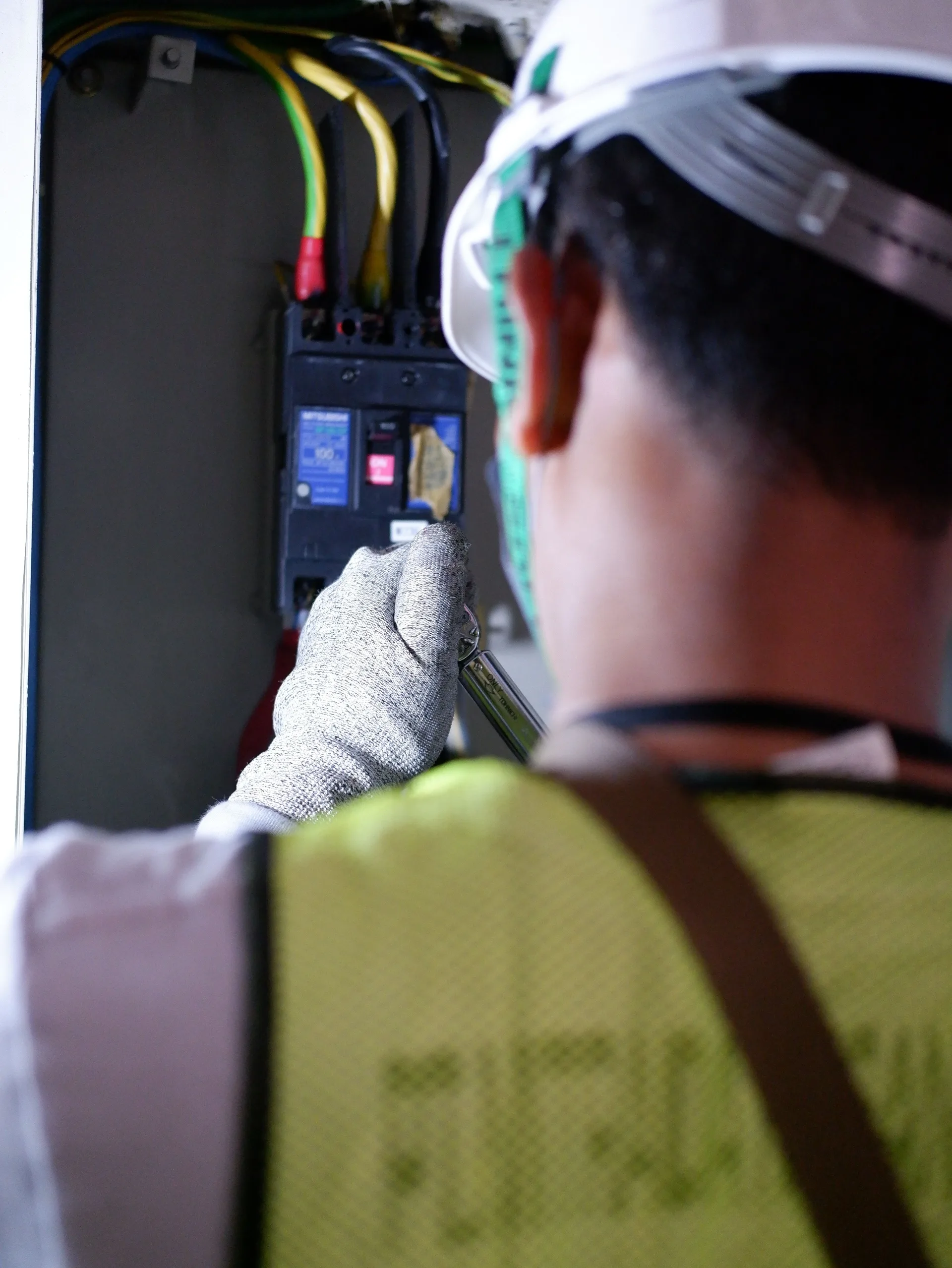
The visit starts with questions, then with the panel — from the outside. When the noise started, whether it changes with load, whether it comes with a smell, heat, or flicker, and which circuits are affected. Electrical panel buzzing or humming Fort Pierce homeowners report is checked from outside the panel first — the visit never asks you to open it. Those answers decide what the electrician checks first, and they matter because a noise that follows a load points one way and a noise that never stops points another.
At the panel the electrician checks the main breaker, the circuit that serves the noise, and the condition of the panel itself: whether it is full, whether any breaker is warm or damaged, and whether the panel brand or age changes the scope. Federal Pacific and Zinsco panels are the two brands that come up most in older Fort Pierce homes, and both change the scope from a repair to a replacement conversation — our Federal Pacific vs Zinsco guide explains why insurers and inspectors flag them. The visit also checks the load on the noisy circuit, because a breaker carrying a load near its maximum rating will hum under everyday use. Our breaker keeps tripping guide explains when to stop resetting and call.
A panel that is louder than it was last week?
What moves the quote
The quote for a buzzing panel is moved by the fault found, not by the noise itself. A single breaker replaced is a smaller job than a loose connection traced through the panel, and a loose connection is a smaller job than a panel whose bus bar or main lugs are damaged. The parts, the access to the panel, and whether the panel needs work first are the cost factors, and the exact price is confirmed on the call and the visit, in a written, itemised estimate.
If the visit finds that the panel itself is the problem — full, obsolete, or damaged — the conversation becomes a panel decision, and our electrical panel upgrade page explains how that decision is made and what a load calculation checks. Either way, the visit ends with the fault made safe, the findings written down, and a written estimate for whatever follows, so the decision is made with the facts in front of you.
What to have ready when you call
A buzzing-panel visit goes faster when five things are ready. When the noise started, and whether it is new or has grown louder. Whether it changes with load — louder in the evening, quieter when the air conditioning is off. Whether it comes with a smell, heat, flicker, or a breaker that trips. The panel's brand and size, if you can read them from the label without opening anything. And your street and ZIP, so the visit is booked for the right home.
Those answers turn a call into a visit that starts with the right check, instead of a visit that starts by searching for the problem. If the panel is outside, say so on the call, and say whether it can be reached safely. If the noise is in a room that is dark, say so too. Flickering lights often come with a buzzing panel, so note whether the flicker is in one room or across the whole house. Call (772) 218-3629 and describe the sound and your street, and we will confirm the next visit we can offer.
Electrical Panel Buzzing or Humming Fort Pierce: frequently asked questions
Is a humming electrical panel normal?
A soft, steady hum that has always been there, especially when big loads are running, is often normal: magnetic forces inside breakers and panel components vibrate a little whenever current flows. A hum that is new, louder than usual, or growing over days or weeks is not normal, and a hum joined by a smell, heat, or flicker is a same-day call.
Why is my breaker box buzzing?
The most common cause is a loose connection at a breaker terminal, the neutral bus bar, or the main lugs: when a wire connection is not tight, current arcs across a small gap, making an audible buzz and generating heat at that point. A failing or overloaded breaker is the second most common cause, and arcing inside the panel is the most serious one.
Can a buzzing panel cause a fire?
Yes. Buzzing, humming, or crackling from a panel means arcing or a loose connection is already making heat, and heat near wiring and insulation is how electrical fires start. A panel that buzzes will not fix itself, and a buzz joined by a burning smell, heat, scorch marks, or smoke should be checked the same day, not left over the weekend.
Should I turn off the main breaker if my panel buzzes?
If you can reach the main breaker safely without touching the panel itself, turning it off stops the branch circuits, but the service conductors ahead of the main stay energised, so the panel is still dangerous inside. Do not remove the cover or touch anything inside the panel. Turn the main off only if you can do it safely, then call (772) 218-3629.
Why does my panel buzz more in the evening?
Evenings are peak load in a Fort Pierce home: the air conditioning, cooking, laundry, and entertainment all run together between about 5 and 10 pm, and a panel hum rises with load and falls when the load drops. A hum that follows the load is a load clue; a hum that stays loud after the loads switch off points to a connection or breaker fault instead.
What should I tell you when I call about a buzzing panel?
When the noise started and whether it is new or growing louder, whether it changes with load, and whether it comes with a smell, heat, flicker, or a tripping breaker. The panel brand and size help too, if you can read them from the label without opening anything. With those answers, the call ends with a clear scope and a visit time. Call (772) 218-3629, 24/7.
Ready to talk?