
Electrical Safety After Flooding Fort Pierce
Electrical safety after flooding Fort Pierce starts with one rule: water and electricity do not mix. A wet outlet, a flooded panel or a GFCI that will not reset means stop and call. This guide covers Hutchinson Island, ZIPs 34949 and 34950, and what the visit checks before power returns.
Call Now to Speak to a Specialist
Open 24 hours a day, 7 days a week.
Electrical safety after flooding Fort Pierce means treating every wet outlet, switch and panel as live until an electrician clears it, because floodwater hides damage you cannot see. Cut power only from a dry, safe position, stay out of standing water near electrical gear, and call (772) 218-3629 before anything is switched back on.
Why floodwater and electricity are a dangerous pair
Water conducts electricity, and floodwater is worse than clean water because it carries silt, salt and contaminants that leave conductive residue behind after the water itself is gone. A floor that looks dry can hide a wet outlet box, a soaked switch, or wiring that sat in water for hours. That is why the first rule after any flooding is to assume the electrical system is unsafe until it has been checked, not to assume it is fine because the lights still work.
The danger is not only shock. Water inside a panel, an outlet or a junction box corrodes metal, weakens insulation and leaves deposits that can cause a short or a fire weeks later, long after the flood is forgotten. Salt water, which matters for homes near the Indian River Lagoon and on Hutchinson Island, corrodes faster than fresh water. Our salt air corrosion guide explains how coastal exposure wears outdoor gear down over time; floodwater does the same work in hours.
Flooding in Fort Pierce does not only come from hurricanes. Heavy rain can flood a street faster than it drains, a burst pipe can soak a room overnight, and a storm surge can push lagoon water into low ground. Whatever the source, electrical safety after flooding Fort Pierce follows the same response: stay clear, cut power safely if you can, and get the system checked before it is used again. Our hurricane electrical prep checklist covers the storm-season steps; this guide covers what happens once water is actually in the home.
What to do first when water reaches outlets or the panel
If water is rising toward outlets, switches or the panel, the first step is to get people and pets out of the water, not to wade in and switch things off. Electricity can travel through standing water, so a flooded room with live circuits is dangerous to enter. If you can reach the main breaker from a dry floor, without standing in water and without touching wet equipment, switching it off removes power from the affected circuits. If the panel itself is wet, flooded or out of reach, do not touch it at all.
When the panel cannot be reached safely, the power company can disconnect power from outside the home. Call them and explain that water has reached the electrical system, then call us at (772) 218-3629 so the house-side work can be planned. If there is sparking, smoke or a burning smell, leave the building and call 911 first; an electrical fire is not a job for a household extinguisher or a wet towel.
Do not touch a wet outlet, a wet switch or a wet appliance to turn it off, and do not press a GFCI reset button on a wet outlet. The reset button is not a way to make a flooded outlet safe, and pressing it while the device is wet can expose you to the fault it is trying to stop. Photograph the water line on walls and the affected outlets if you can do so safely, because the photos help the visit, but never step into standing water to take them.
Water reached an outlet or your panel?
Wet outlets and switches: dry-looking does not mean safe
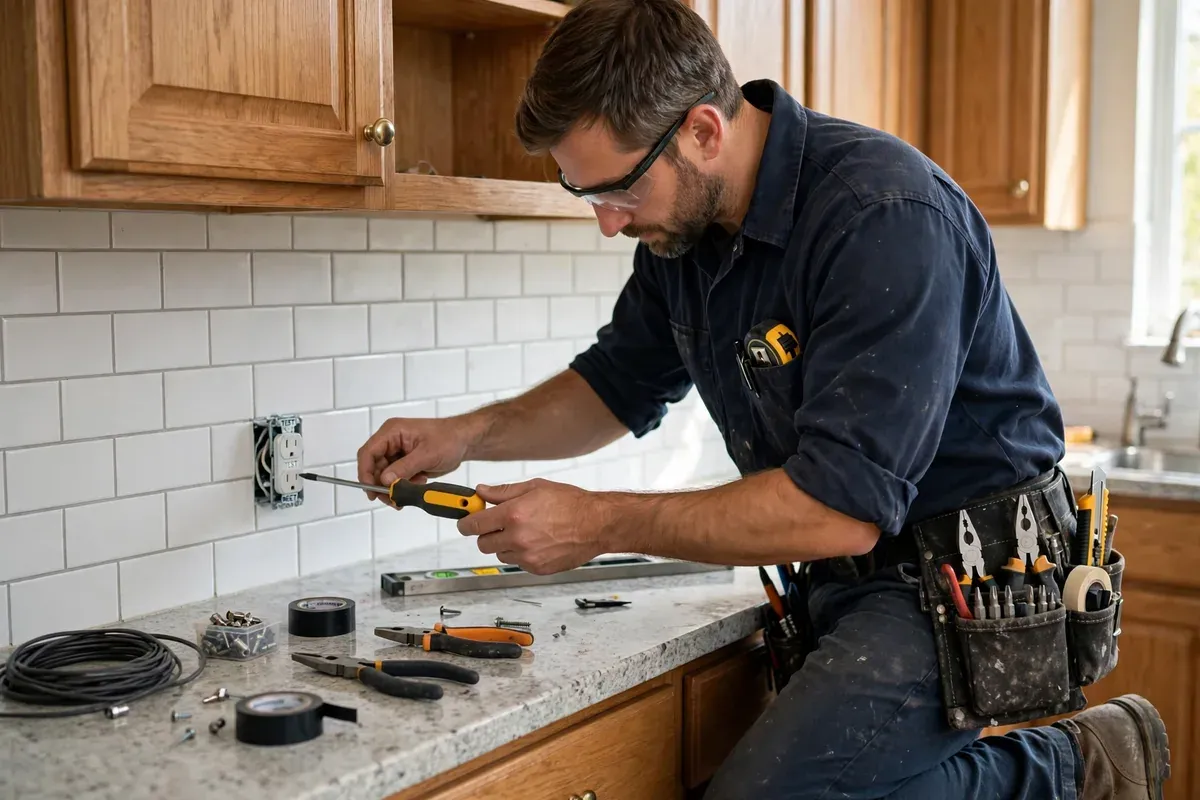
An outlet that was under water needs a professional check before it is used again, even if the cover plate looks dry and the room has aired out. Water gets inside the box behind the plate, where it corrodes terminals, leaves silt on contacts and weakens the insulation on the wires. That damage is invisible from the room, and it can sit quietly for weeks before it shows up as a tripping breaker, a warm outlet or a short.
A GFCI outlet that will not reset after flooding is usually doing its job, not failing. The GFCI is detecting a genuine ground fault, which is exactly what it is built to do, and repeatedly pressing reset will not clear a fault caused by water inside the device or its wiring. A GFCI that trips again after the water is gone is a reason to call, not a reason to keep resetting it. Our GFCI versus AFCI guide explains what each protection does and why a circuit can need both.
Outlets and switches that were submerged are normally replaced, not dried out and reused. The visit checks which devices were under water, which wiring runs below the water line, and whether the damage stops at the device or reaches further into the circuit. That check is what decides whether a room needs a few new devices or a larger repair, and it cannot be done from the cover plate alone.
The panel after flooding: what the visit checks
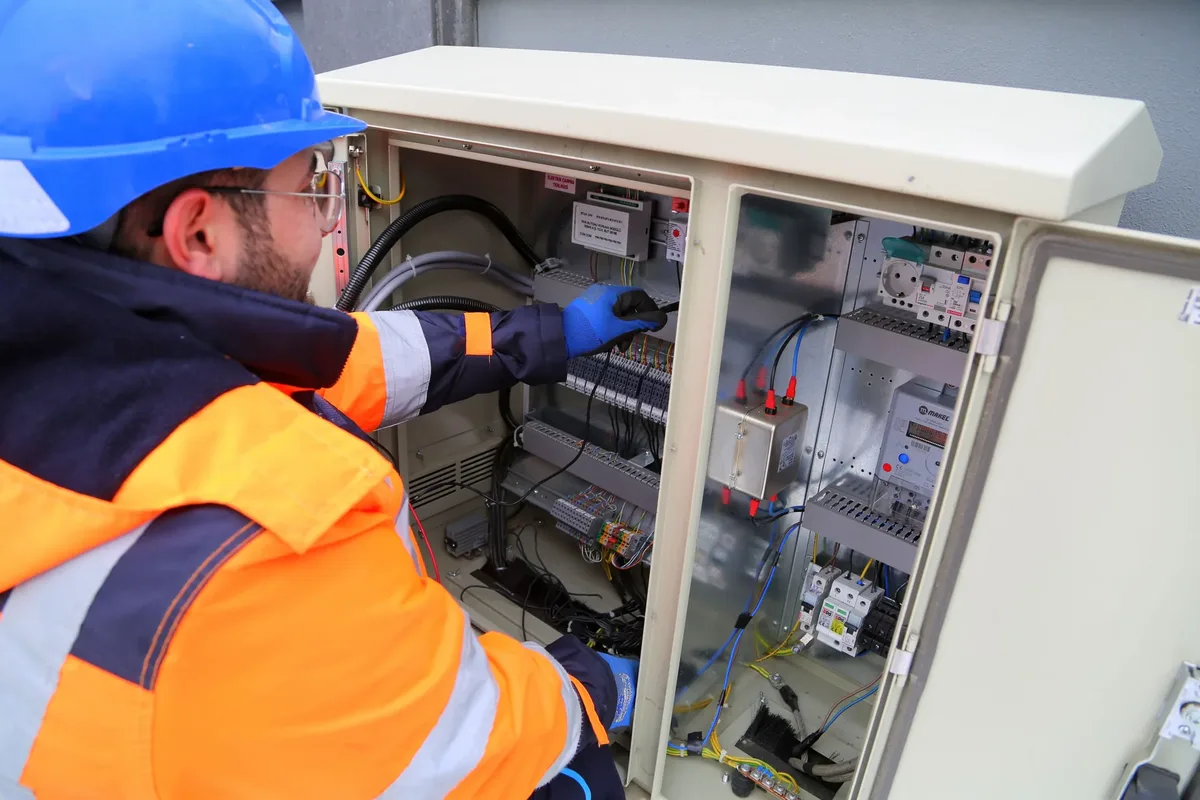
A breaker panel that has been in contact with floodwater needs an inspection before the power is restored, because the breakers, the bus bars and the connections inside are all vulnerable to water. Corrosion on a bus bar or a breaker contact may not be visible at first, but it raises resistance, creates heat and can cause a breaker to fail when it is needed most. The visit opens the panel only after the power is off and the area is dry, and checks each breaker, the bus bars and the main connections for water marks, corrosion and damage.
Panel work after flooding is not a drying job. A panel that sat in water is assessed device by device, and parts that were submerged are replaced rather than cleaned and trusted again. If the panel itself is badly damaged, the visit will say so plainly and explain the replacement route, including the inspection steps that follow. Exact price and timing are confirmed on the call and the visit, because the scope depends on how high the water reached and what it touched.
The same check covers the meter and the service entry where they can be reached. If water reached the meter base or the overhead service drop, that is utility-side work first, and the house-side inspection follows once the utility has cleared its side. Do not try to open the panel, dry it with a heater, or switch the main breaker back on to test it yourself; a panel that looks dry can still hold moisture and contamination inside.

Water reached an outlet or your panel?
Power back on: the re-energizing check
Power should only return after the affected circuits have been inspected and cleared. The visit works circuit by circuit: the devices that were wet are replaced, the wiring below the water line is checked, the panel is inspected, and the GFCI and AFCI protection is tested. Only then is a circuit switched back on, one at a time, so a fault on one circuit does not hide behind another. That order matters, because switching everything on at once can mask the circuit that is still damaged.
Expect the visit to take its time. A single wet room may clear quickly, while a home where water reached the panel, several rooms and the outdoor equipment needs a longer inspection. If the visit finds damage beyond the obvious wet devices, it will be explained before any further work starts, with a written, itemised estimate for the repair. Our electrical repair page covers the wider repair work that a flood check sometimes leads into.
After the power is back, watch for the late signs: a breaker that trips again, an outlet that feels warm, a buzzing switch, or a smell of burning. Any of those means the circuit goes off again and we come back. Flood damage can take time to show itself, and a circuit that was cleared once is not a circuit that can be ignored if it starts misbehaving.
Preparing for the next flood: what to raise on the visit
Once the immediate danger is past, the visit is also the time to ask what would help next time. Homes in low ground, near the lagoon or on Hutchinson Island can ask about raising the height of outdoor equipment, about GFCI protection on ground-floor circuits, and about a sump pump circuit that keeps working when water rises. Those are questions for the visit, because the right answer depends on the home, the panel and the circuits already in place.
A sump pump is only as good as its circuit. If the pump shares a circuit that trips, or its outlet sits where floodwater reaches it first, the pump can fail exactly when it is needed. The visit can check the pump's circuit, its GFCI protection and whether it has the dedicated circuit it needs, and say what would change. Our electrical inspection page covers the wider checks that a flood-prone home benefits from.
Keep a simple record after any flood: the date, how high the water reached, which rooms and devices were wet, and what was replaced. That record helps the next visit, helps an insurance conversation, and helps you spot a pattern if the same room floods twice. It costs nothing to keep, and it turns a stressful night into information the next electrician can use.
What to have ready when you call
- Which rooms have water, and how high it reached.
- Whether the water touched outlets, switches, the panel or appliances.
- Whether the power is still on, and whether any breaker has tripped.
- Whether the water is still rising or has stopped, and where it came from if you know.
- Photos of the water line and the affected outlets, taken from a dry, safe position.
A flooding electrical safety Fort Pierce call with those answers takes minutes and ends with a clear next step. Exact price and timing are confirmed on the call, and nothing is switched back on until the visit has cleared it. Call (772) 218-3629 to start.
Electrical Safety After Flooding Fort Pierce: frequently asked questions
Can I use an outlet that got wet once it looks dry?
No. An outlet that was under water needs a professional check before it is used again, because water gets inside the box behind the cover plate, corrodes the terminals and weakens the insulation. A cover plate that looks dry says nothing about the wiring behind it, and using the outlet before it is cleared risks a shock or a short. Call (772) 218-3629 and describe which outlets were wet.
Should I turn off the main breaker when flooding is expected?
Only if you can reach it safely from a dry floor, without standing in water and without touching wet equipment. If flooding is expected to reach the panel or the ground-floor outlets, switching the main breaker off before the water arrives can reduce damage. If the panel is already wet or out of reach, do not touch it, and call your utility to disconnect power from outside.
Why will my GFCI not reset after flooding?
Because it is detecting a genuine ground fault, which is what it is built to do. Water inside the device or its wiring creates a fault that the GFCI correctly refuses to ignore, so repeatedly pressing reset will not clear it. A GFCI that will not reset after flooding is a reason to call, not a device to work around. The visit tests the GFCI and the circuit behind it.
Can a flooded breaker panel be dried out and reused?
Not by drying alone. A panel that has been in contact with floodwater needs an inspection before power is restored, and parts that were submerged are normally replaced rather than cleaned and trusted again. Corrosion on bus bars and breaker contacts can be invisible at first and cause heat or failure later. Whether the panel can be saved or needs replacing is decided on the visit.
When can power be turned back on after flooding?
Only after the affected circuits have been inspected and cleared by an electrician. The visit replaces wet devices, checks the wiring below the water line, inspects the panel and tests the GFCI and AFCI protection, then switches circuits back on one at a time. Switching everything on at once can hide a fault on one circuit behind the others.
Does floodwater damage wiring inside the walls?
It can. Water that reaches an outlet box can travel along the cable and affect wiring below the water line, and silt and contaminants left behind can corrode conductors and weaken insulation over time. The visit checks the wiring runs that sat in water and says whether the damage stops at the devices or reaches further into the circuit.
Ready to talk?