
Electrical Safety in Fort Pierce, FL
Electrical safety Fort Pierce FL starts with the habits that stop a fault becoming an emergency: for homes in 34950 and 34946, from Downtown Fort Pierce to Lakewood Park and Hutchinson Island, the panel, the outlets, and the outdoor circuits each have checks worth knowing.
Call Now to Speak to a Specialist
Open 24 hours a day, 7 days a week.
Electrical safety in Fort Pierce, FL, is mostly about knowing what to check, what to leave alone, and when to call. This guide covers the panel, the outlets, the outdoor circuits, and the storm-season checks — the same ground our electricians walk on every visit, in plain words.
The three rules that come before everything
Three rules sit underneath every other piece of electrical safety advice in Fort Pierce, and they are worth learning before anything else. First, never open the panel yourself: the fault is found with the power on, and that test is the electrician's job, not a homeowner's. Second, water and electricity never mix — wet hands, wet floors, and wet outlets are all stop conditions, not inconveniences. Third, a burning smell, heat, buzzing, or scorch marks mean stop and call now, not after one more reset.
The order of the calls matters as much as the rules. Fire, smoke, or injury means 911 first. A downed line or a sparking meter means the utility first. Then call us on (772) 218-3629, any time — we are open 24/7, and same-day service is available. Our emergency electrician page and our electrical emergency guide set out the same order in full, including what to tell us when you call.
Your panel: what to look at and what to leave alone
The panel is the one place in the house you should look at but never work on. What you can do is read it: the directory card that says which breaker feeds what, the main breaker size, and whether the card matches the rooms it claims to cover. A directory that is wrong is a safety problem on its own, because the next person to switch a circuit off trusts it. What you never do is remove the cover, tighten anything inside, or force a breaker that will not stay on — the service conductors feeding the panel stay live even with the main breaker off.
The panel also tells you when it needs an electrician, if you know what to look for. A buzz or hum, a panel door that feels warm, scorch marks around a breaker, rust on the panel edges, or a breaker that trips again and again on its ordinary load are all call-now signs. A Federal Pacific Stab-Lok or Zinsco panel is a replace-first panel, not a repair job. Our Federal Pacific versus Zinsco guide explains why those two brands are flagged, our electrical panel repair guide explains which faults are repaired and which mean replacement, and our electrical inspection page covers the visit that reads the whole panel properly.
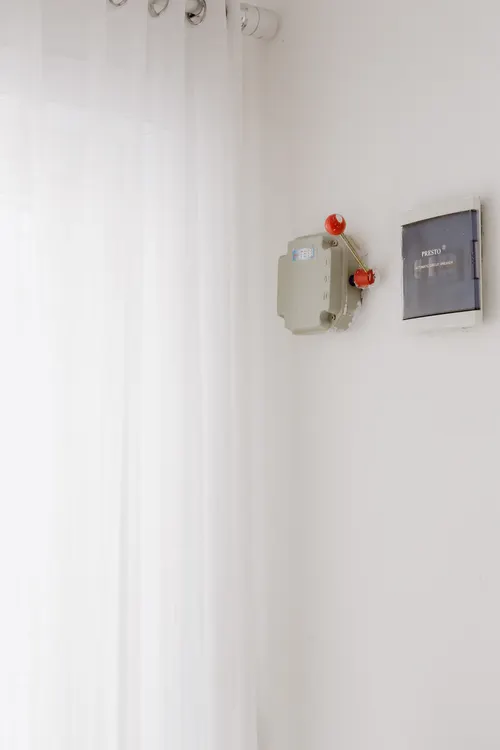
A warm outlet, a buzzing switch, or a panel that smells hot?
Outlets and switches: the warning signs in plain sight
Most electrical faults announce themselves at the outlet or the switch, in plain sight, weeks before they become an emergency. An outlet that feels warm, a switch that buzzes, a plug that sparks when it goes in, an outlet that holds its plug loosely, or scorch marks around a socket are all signs the connection behind it is failing. A dead outlet is the same story from the other side: it usually traces back to a tripped GFCI or a loose wire upstream, not to the outlet itself. Our warm outlet guide explains what causes the heat, and our outlet and GFCI reset guide explains the safe reset steps and the point at which you call instead.
Two habits cause most outlet trouble in older Fort Pierce homes. The first is the two-prong outlet with no ground, still common in the oldest houses, which leaves the appliance and the person using it without the safety path a grounded outlet provides. The second is the extension cord treated as permanent wiring — run under a rug, daisy-chained to another cord, or carrying a heater or an air conditioner it was never sized for. A cord that feels warm, or an outlet that only works when the plug is held at an angle, stays off until the visit. Our signs your house needs rewiring guide lists the ten warning signs together, and our electrical repair page covers the visit that traces them.
GFCI and AFCI protection, room by room
A GFCI outlet cuts the power in a fraction of a second when current leaks where it should not — through water, or through a person — which is why it belongs in every room where water and electricity meet: kitchens, bathrooms, outdoor outlets, garages, and laundry areas. Test each one monthly: press TEST, and the outlet should trip; press RESET, and it should come back. A GFCI that will not trip, will not reset, or trips again and again is telling you something, and the visit finds what. Our GFCI versus AFCI guide explains the two protections side by side, and our GFCI outlet installation page covers the fitting work.
AFCI protection covers a different fault: the arc, the tiny spark inside a damaged wire that a standard breaker cannot see. It belongs in bedrooms and living areas, where a damaged cord can sit unnoticed behind furniture, and many older Fort Pierce homes have none of it. The same monthly habit covers the other alarms in the house: test the smoke alarms and the carbon monoxide alarms, and change the batteries when they chirp. Our smoke and carbon monoxide detector page covers the fitting and placement of both.
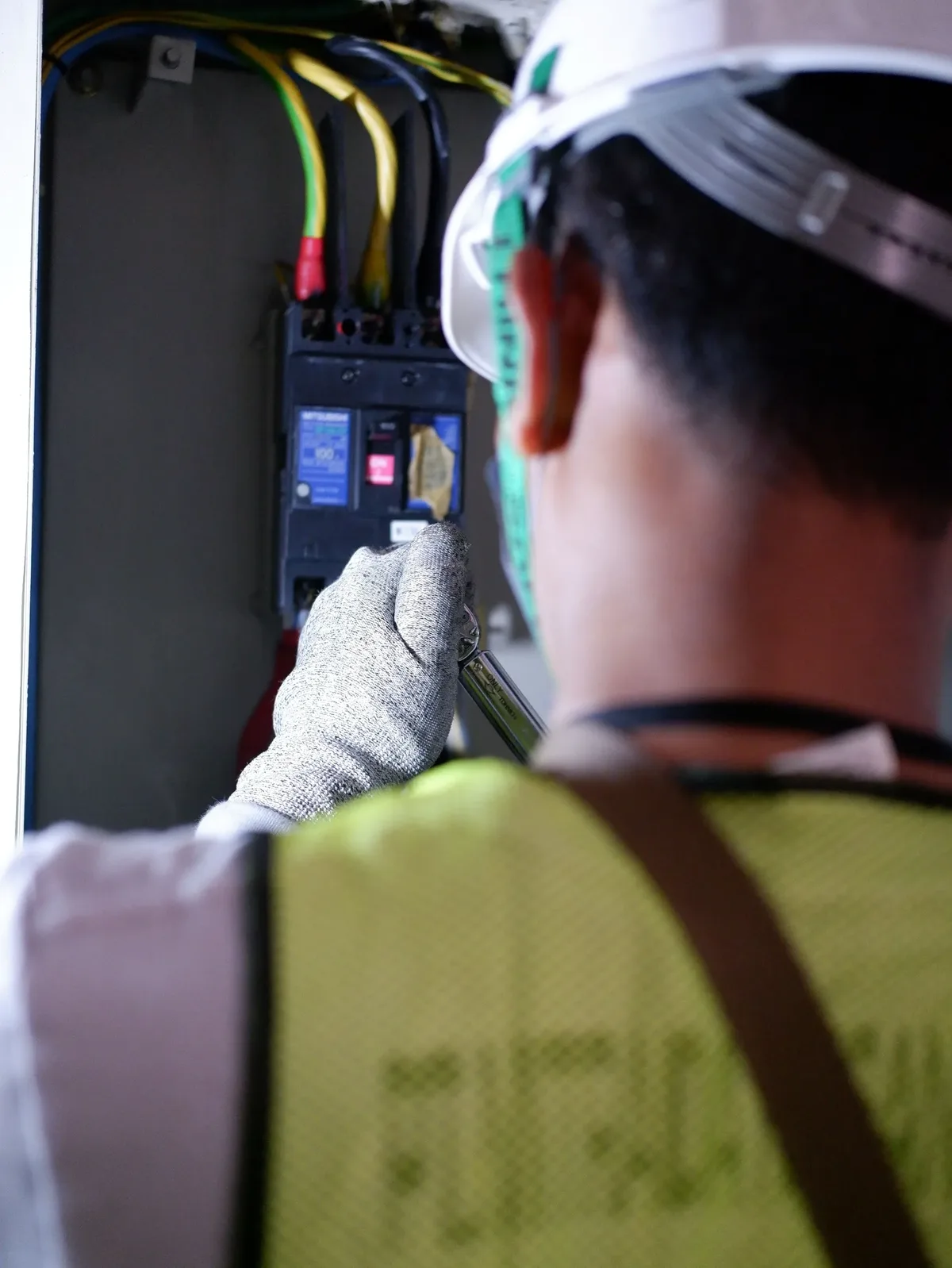
Not sure your home has GFCI protection where it needs it?
Outdoor, pool, and hot tub circuits on the Treasure Coast
Outdoor circuits in Fort Pierce live a harder life than indoor ones. Salt air works on fixture housings, panel edges, and outdoor fittings all year, rain finds every weak seal, and a fitting that only ever trips in wet weather is pointing at a joint or a fitting somewhere along that outdoor run. Outdoor fixtures need wet-location ratings, sealed housings, and in-use covers that keep rain out of the box itself, which is where corrosion does the most damage. Our salt-air corrosion guide explains how the coast wears outdoor gear, and our landscape and outdoor lighting page covers the fittings that last here.
Pool and hot tub circuits follow the same rule, with higher stakes. A pool pump, a pool light, and a hot tub each need their own dedicated circuit and GFCI protection, and the pool bonding — the wiring that keeps every metal part of the pool at the same voltage — is checked, not assumed. Never work on pool or hot tub electrical yourself, and never use a pool light that flickers or a pump that trips its breaker. Our pool and spa electrical page covers the work, our pool bonding and GFCI guide explains the bonding, and our hot tub electrical safety guide covers the hot tub circuit in full.
Older Fort Pierce homes: aluminum wiring and old panels
Fort Pierce has homes from every decade, and the oldest ones carry wiring the newer ones never had. Aluminum wiring, fitted in many homes in the 1960s and 1970s, expands and loosens at its connections over time, and the warning signs are warm outlets, flickering lights, and scorch marks at switches and outlets. An inspection reads those connections with the power on and says whether the wiring can be repaired at its terminations or needs a wider rewire. Our aluminum wiring repair page covers the work, and our signs your house needs rewiring guide lists what to watch for.
The oldest homes can also carry knob-and-tube wiring, and the panels in those homes are often the Federal Pacific or Zinsco units that insurers and inspectors flag. A pre-purchase inspection is the moment these surface most often, and a seller's check that finds them is doing its job — the panel question is settled before the sale, not after the move. Our knob-and-tube replacement page covers that wiring, our Federal Pacific versus Zinsco guide compares the two panel brands, and our pre-listing inspection guide covers what a seller's check looks for.
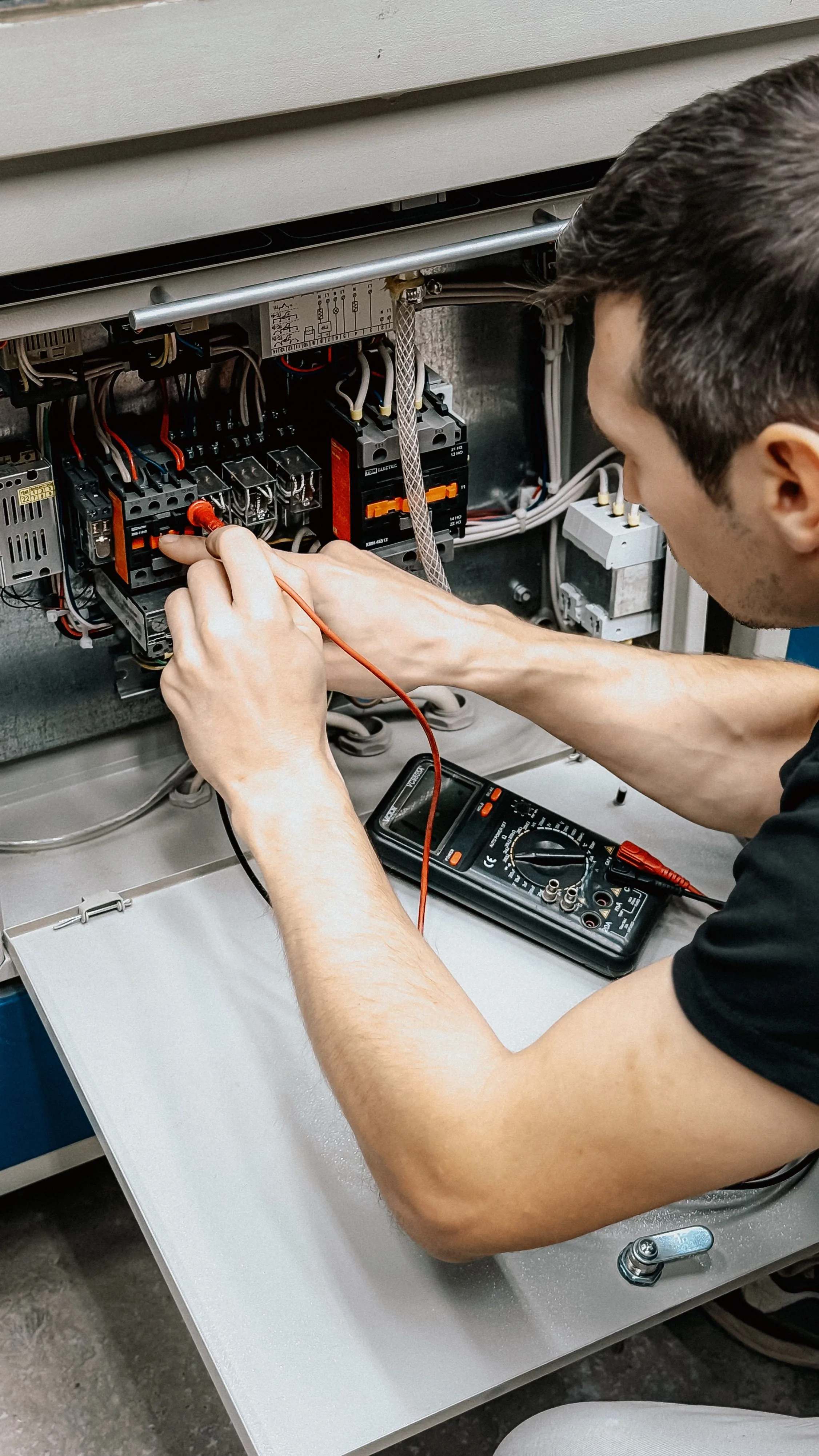
Storm season coming and the panel unchecked?
Storm season: the safety checks before and after
Hurricane season is when Fort Pierce electrical safety earns its keep, and the checks happen before the storm, not during it. Panel-level surge protection guards the circuits downstream of the panel, including the charger and the generator transfer switch, and it works best when the panel, the grounding, and the outdoor disconnects are sound — so the visit checks all three before fitting it. A generator plan is settled the same way: a standby unit on a transfer switch, or a portable unit run outdoors only, well away from windows, doors, and vents, never in a garage or carport, because carbon monoxide has no smell. Our whole-house surge protection and Florida lightning guide explains what panel protection does, our storm outage checklist tool walks the before-and-after order, and our hurricane electrical prep checklist covers the full list.
After the storm, the rules change. Never step into standing water near an outlet, a panel, or any electrical equipment, and never switch a breaker back on in a wet panel — the inspection comes before the power does. Test your GFCI outlets once the power returns, note anything that trips more than once, and do not keep resetting a tripping breaker. Our electrical safety after flooding guide covers the wet-panel and wet-outlet checks in full, and our portable generator safety guide covers placement, cords, refuelling, and shutdown during an outage.
A room-by-room safety check you can do this weekend
The whole guide folds into one weekend check, and none of it needs tools. Test every GFCI outlet — TEST, then RESET — and note any that will not trip or will not come back. Look at the panel without opening it: warmth, buzzing, scorch marks, or rust all mean call. Feel the outlets and switches you use most for warmth, check the cords for damage and for heaters running on extension leads, and look at the outdoor covers and fittings for cracked seals. Test the smoke and carbon monoxide alarms, and write down anything that looks wrong, with the room it is in.
When you call, bring the list: your street and ZIP code, the panel brand and size if the directory card shows it, what you saw or smelled, and which rooms it affects. The visit starts with that list and ends with a written price before any work starts — no dollar figure is given here, because the exact price is held for the call. Call (772) 218-3629 any time; we are open 24/7, same-day service is available, and we are licensed and insured, with 23 years of experience and Master Electrician Certification. Our electrical inspection page covers the full visit, the flooding safety guide covers the wet-weather checks, and the Fort Pierce Electric Pros homepage covers the rest.
Electrical Safety in Fort Pierce, FL: frequently asked questions
What should I do first if I smell burning from an outlet or panel?
Stop using that outlet or circuit, and do not keep resetting a breaker that trips. If there is smoke or flame, call 911 first, then get everyone out. If there is only the smell, leave the circuit off and call us on (772) 218-3629 — a burning smell means a connection is failing, and the visit finds it with the power on, which is the electrician's test, not a homeowner's.
How often should I test my GFCI outlets?
Once a month. Press TEST and the outlet should trip, then press RESET and it should come back. A GFCI that will not trip, will not reset, or trips again and again on its ordinary load needs a visit — the device, the wiring behind it, or the circuit it protects is telling you something. Note which outlets you tested and which ones failed, and bring the list when you call.
Is it safe to reset a tripped breaker more than once?
No. One reset, with everything on that circuit unplugged, and if the breaker trips straight back, it stays off. Each reset after a fault wears the breaker and hides the cause, and a breaker that will not stay on is pointing at the breaker, the bus, or the wiring — not at the reset. Call us with the panel brand and which breaker it is.
Does my Fort Pierce home need AFCI protection?
Bedrooms and living areas are where AFCI protection belongs, because it catches the arc faults a standard breaker cannot see — the tiny spark inside a damaged wire behind furniture. Many older Fort Pierce homes have none of it, and the inspection is what says whether your panel takes it. The visit checks the panel brand and the circuits room by room before anything is fitted.
What makes Fort Pierce homes different for electrical safety?
Three things: salt air, storm season, and age. Salt air corrodes outdoor fittings and panel edges all year, hurricane-season storms test the panel, the surge protection, and the generator plan, and the oldest homes still carry aluminum wiring, knob-and-tube wiring, or Federal Pacific and Zinsco panels. The checks in this guide follow that pattern — outdoor circuits first, then the panel, then the storm plan.
When should I book an electrical inspection?
Book one when you buy or sell a home, when breakers trip often, when the panel is a Federal Pacific or Zinsco unit, when outlets feel warm or switches buzz, or after flooding or storm damage. The inspection reads the panel, tests the GFCI and AFCI protection, and checks the wiring room by room — and it ends with a written list of what is urgent, what can wait, and what it costs.
Ready to talk?