
EV Charger Installation in Lakewood Park, Fort Pierce
EV charger installation Lakewood Park Fort Pierce starts with the panel, for family homes in Lakewood Park and Fort Pierce North, ZIPs 34946 and 34982. This guide explains the load calculation, the driveway or garage charger, and what the survey checks first.
Call Now to Speak to a Specialist
Open 24 hours a day, 7 days a week.
EV charger installation Lakewood Park Fort Pierce is a panel question before it is a charger question. A Level 2 charger is a heavy, sustained load, and the visit checks the panel, the cable route, and the parking space before anything is fitted. Exact price is confirmed on the call.
The panel check comes first
Lakewood Park is a neighbourhood of family homes, and family homes change. A second car becomes an electric car, a garage becomes a workshop, and a spare room becomes an office, and each change asks the panel for more. That is why EV charger installation Lakewood Park Fort Pierce starts with the panel, not with the charger: a Level 2 charger is a heavy, sustained load, and the panel has to carry it alongside everything the house already runs.
The check is a load calculation, which weighs the charger against the air conditioning, the water heater, the cooking, and every other load the panel already serves. It has three outcomes: room for the charger as it stands, room with a smaller charger or managed charging, or a panel upgrade first. A full panel does not always mean a full upgrade, and the visit says which outcome your home falls into. Our EV charger panel capacity guide explains that calculation and the three outcomes.
The panel's size is the first number the visit looks for, usually 100 or 200 amps, marked on the main breaker. A home with 200 amps and open breaker spaces is usually straightforward; a home with 100 amps, a full panel, or a panel brand that needs attention is a longer conversation. Either way, the answer comes from the calculation, not from a guess about the age of the house.
Level 1 or Level 2 for a Lakewood Park home
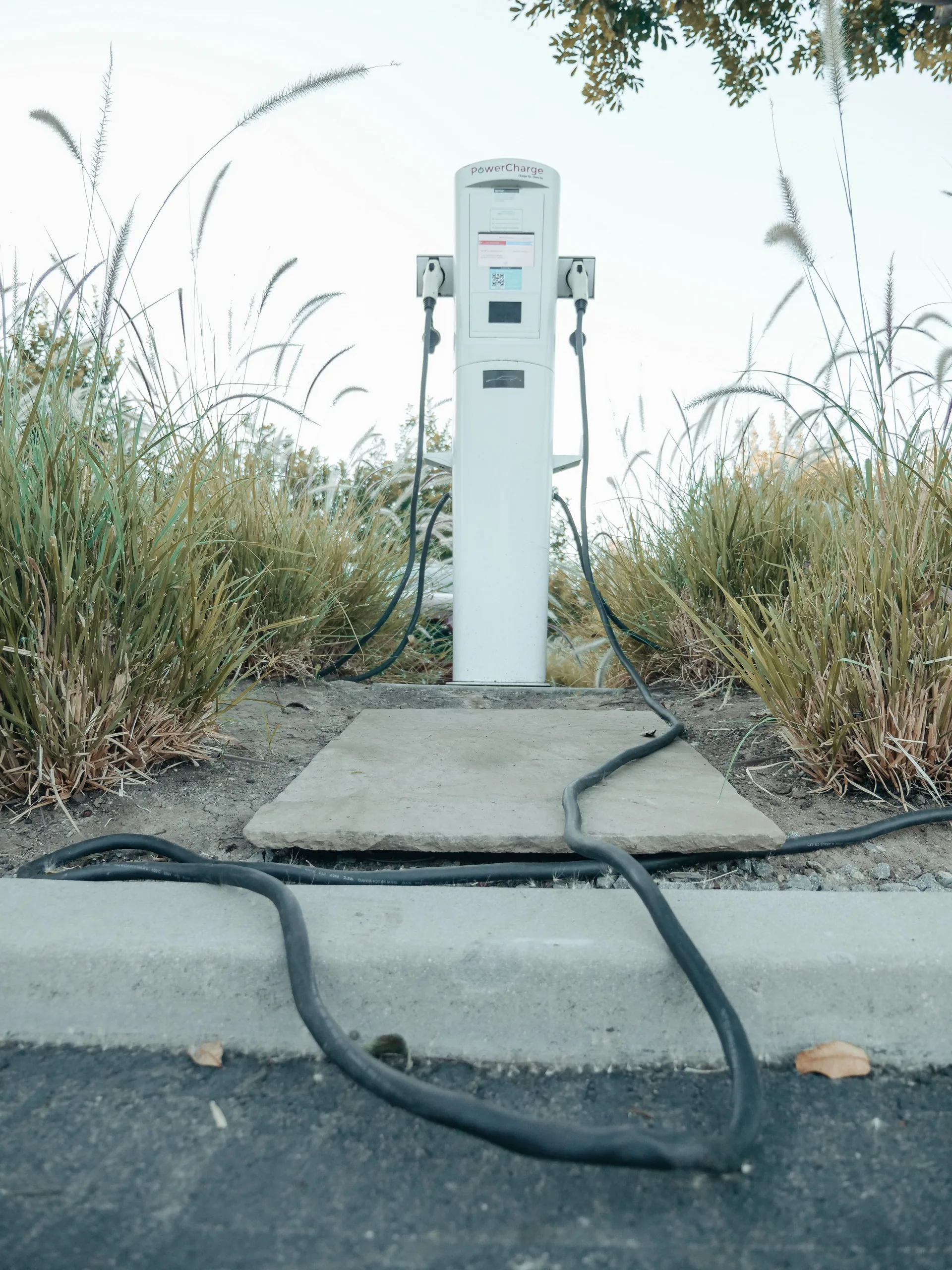
A home charger is usually one of two kinds. Level 1 charging uses an existing outlet and adds range slowly, overnight, which suits a driver whose daily driving is short and whose parking is close to a socket. It needs no new circuit and no alteration, which makes it the simple route, though the car should still be charged from an outlet that is in good condition.
Level 2 is a wall charger on its own dedicated 240-volt circuit, and it charges far faster than Level 1, adding roughly twenty to forty miles of range per hour, so the car is ready by morning without thinking about it. It needs the panel check, the cable route, and the permit route, because it is a fixed installation. A Level 2 charger cannot share its circuit with anything else, and because charging counts as a continuous load, the breaker is sized above the charger's rating.
Which one fits a Lakewood Park home depends on the daily driving, the parking, and the panel, and the survey decides from those facts. A driver with a short commute and a garage socket may be well served by Level 1, while a driver who covers more miles each day, or a household with two electric cars, will usually want Level 2. Our Tesla vs universal charger guide compares the two plug types and the panel and app questions that come with them.
A second car that is now electric, and a panel that has never met a charger?
Garage, driveway, or outside wall: where the charger goes
Where the charger sits decides how long the cable run is, and the cable run is one of the things that moves the quote. A charger on the garage wall beside the panel is a short run and a simple job. A charger on an outside wall by the driveway is a longer run, and it needs weatherproofing: an outdoor-rated enclosure, a cable route that is protected from damage, and a position clear of vehicle damage and standing water.
The charger should sit where the car's charge port can reach it without a cable trailing across a walkway, and where it is sheltered where possible. A driveway charger needs a cable that reaches the car without stretching, and a garage charger needs a wall that can carry the unit and a route the cable can follow without crossing a doorway. The survey walks the route and agrees the position with you before anything is priced.
The parking itself matters too. A home with a garage and a home with a driveway are different jobs, and a home where the car parks on the street is a different question again, because the cable cannot cross public ground. Say where the car parks on the call, and the survey will say what is possible from there. Our EV charger cost-factors guide explains what moves a home charger quote, including the cable run.
The cable route: what a long run changes
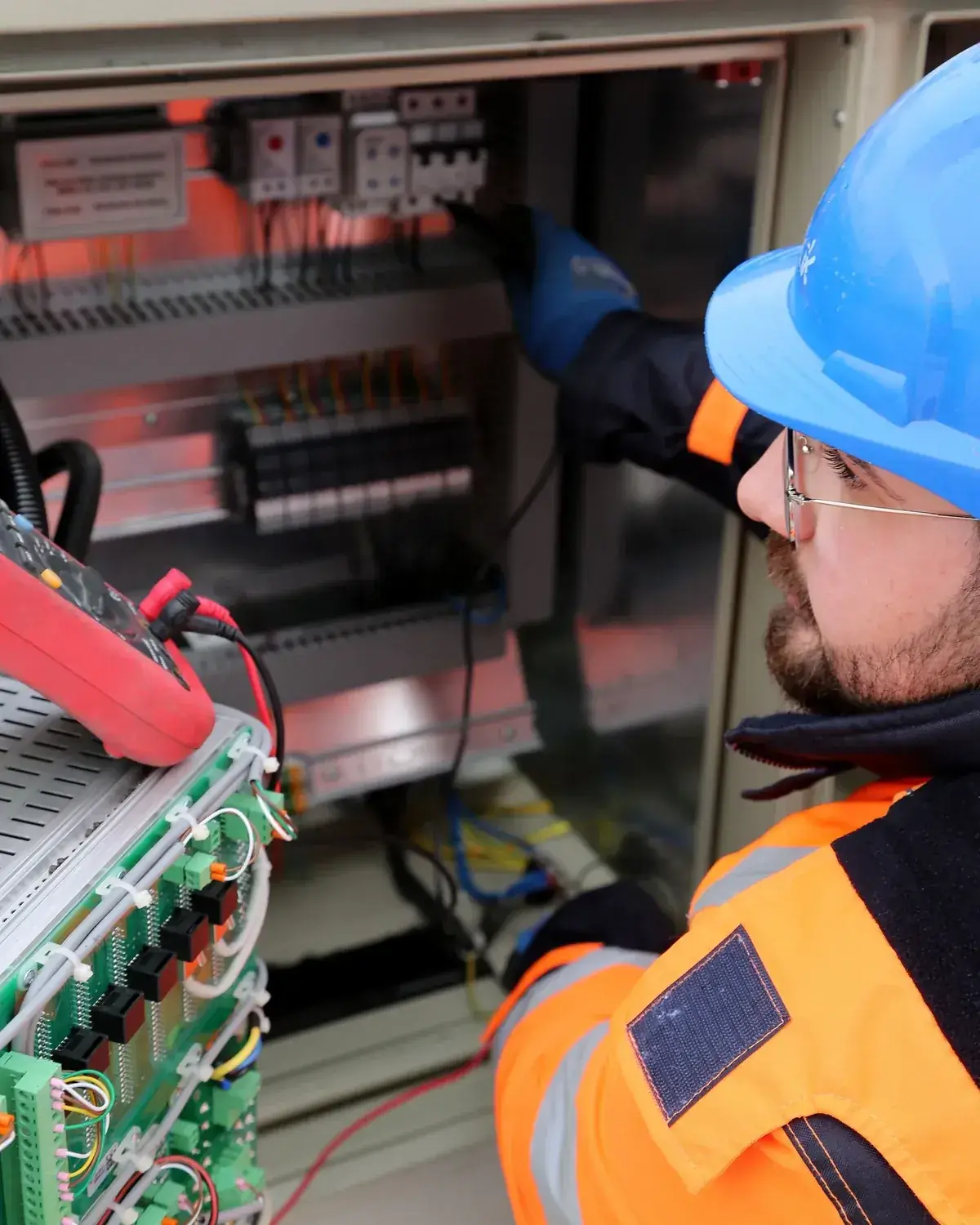
The cable route is the part of the job that most often surprises a homeowner, because it is invisible until it is measured. A short run through a garage wall is a morning's work. A long run across a property, through a wall, under a driveway, or to a detached garage is a different job, and the route has to be safe, weatherproof, and agreed before work starts.
A long run changes three things: the length and size of the cable, the conduit or trenching needed to protect it, and the time the job takes. None of those is a reason not to fit a charger, but all of them belong in the written estimate before work starts, not discovered halfway through the job. The survey measures the route, so the estimate is for the route your home actually needs.
If the panel is on the opposite side of the house from the parking space, say so on the call, because that is the single fact that most changes the route. A panel beside the garage is a short job; a panel at the far end of the house is a long one. Either way, the route is walked on the survey, and the estimate follows the route.
A second car that is now electric, and a panel that has never met a charger?
Permits and inspection for your address
Whether a charger install needs a permit, and who pulls it, is confirmed on the call and the visit for your address. A new charger circuit usually needs an electrical permit and an inspection, because it is a new circuit carrying a heavy, sustained load, and the inspection is what confirms the work meets the code for your home. Our EV charger permit guide explains the permit route and how to check which jurisdiction covers your address.
The permit route is part of the job, not an afterthought, and it is one of the reasons the work is done by a licensed electrician rather than fitted as a DIY job. The installer files the paperwork, the inspection follows the install, and the charger is tested before it is handed over. A charger fitted without the permit route is a charger that can cause trouble later, with an insurer or a buyer, and it is not a saving worth making.
What the permit office asks for depends on the property and the scope, so we do not name a specific office, fee, or portal here. What we can say is that the route is confirmed on the call and the visit, and that it is included in the written estimate, so there are no surprises after the work starts.
What moves the quote
The quote for an EV charger install is moved by the same factors in every Lakewood Park home: the panel room, the cable run, the charger choice, and the inspection steps. A panel with room and open breaker spaces is a shorter job than a panel that needs work first. A short cable run is a shorter job than a long one across the property. A standard wall charger is a different price from a premium model with load management, and the permit and inspection route adds its own steps.
Load management deserves a mention, because it is the answer for a home whose panel is close to its limit. A load-managed charger shares the available capacity with the rest of the house, slowing the charge when the house is busy and speeding it up when it is not. Whether it fits your home is confirmed on the visit, and it can be the difference between a charger now and a panel upgrade first.
Exact price is confirmed on the call and the visit, in a written, itemised estimate before work starts. EV charger installation Lakewood Park Fort Pierce is priced on the survey, and our EV charger installation service page explains the fitting itself, and the estimate is where the scope, the materials, and the labour are set out, so you can see what the price covers and what could change it.
What to have ready when you call
A charger survey in Lakewood Park goes faster when five things are ready. Your street, so the survey is booked for the right home. Where the car parks: garage, driveway, or shared space. What the panel is like, if you know it: its size if it is marked on the main breaker, whether it looks full, and whether it is a brand you have heard questions about. How far you drive each day, because that decides Level 1 or Level 2. And whether the home is yours or a rental, because a rental needs the landlord's written permission first.
Those answers turn a call into a survey that starts with the right check, instead of a survey that starts by searching for the problem. If the parking is a shared space, say so, because shared parking needs the question of who charges when answered before the first charger goes in. If the panel is in a garage that is used as a workshop, say so too, because the loads in the garage are part of the calculation.
Call (772) 218-3629 and describe the panel, the parking, and the driving, and we will confirm the next survey we can offer. The Lakewood Park area page shows the neighbourhood this guide covers, and the survey is where the panel, the route, and the charger are settled together.
EV Charger Installation in Lakewood Park, Fort Pierce: frequently asked questions
Will my Lakewood Park panel handle a Level 2 charger?
That is decided by a load calculation on the survey visit, which weighs the charger against everything the panel already serves. The outcomes are room for the charger, room with a smaller charger or managed charging, or a panel upgrade first. A home with 200 amps and open breaker spaces is usually straightforward; a home with 100 amps or a full panel is a longer conversation.
How long does a home EV charger install take?
The install itself is usually a day's work once the survey is done, but the full sequence takes longer: survey, charger and parts, permit and inspection, then the fitting and testing. The exact timing for your home is confirmed on the call and the survey, because the panel, the cable route, and the permit route all move it. Nothing is fitted on a survey visit.
Do I need a permit for an EV charger in Lakewood Park?
Whether the job needs a permit, and who pulls it, is confirmed on the call and the visit for your address. A new charger circuit usually needs an electrical permit and an inspection, because it is a new circuit carrying a heavy, sustained load. The permit route is part of the job, and it is included in the written estimate.
What does an EV charger install cost in Lakewood Park?
Exact price is confirmed on the call and the visit, in a written, itemised estimate. What moves the quote is the panel room, the cable run, the charger choice, and the inspection steps. A short run from a panel with room is a different job from a long run to a driveway charger, and the survey prices the route your home actually needs.
Level 1 or Level 2: which charger fits my driving?
Level 1 suits a driver whose daily driving is short and whose parking is close to an existing socket, because it adds range slowly overnight. Level 2 suits a driver who covers more miles each day, or a household with two electric cars, because it charges far faster on its own dedicated circuit. The survey decides from your driving, parking, and panel.
Can a charger go on a driveway with no garage?
Yes, with an outdoor-rated charger on an outside wall, a weatherproof cable route, and a position clear of vehicle damage and standing water. The cable must reach the car's charge port without trailing across a walkway. The survey walks the route and agrees the position with you before anything is priced.
Ready to talk?