
Home Battery Backup Fort Pierce
Home battery backup Fort Pierce stores power so chosen circuits keep running when the grid goes out, for homes in 34950 and 34946 including Lakewood Park and Fort Pierce North, and this guide compares batteries with generators before you call.
Home battery backup Fort Pierce is a battery system wired into your home that takes over silently and automatically when the grid fails, keeping the circuits you chose running until the grid returns or stored power runs out. It needs no fuel and works with or without solar, so call (772) 218-3629 to check fit.
Home battery backup Fort Pierce: the short answer
A home battery is stored electricity, ready to use. While the grid is up, the battery charges from the grid, or from solar panels if you have them, and sits ready. When the grid goes out, an inverter converts the stored direct current into the alternating current your home uses, and a backup panel sends that power to the circuits you selected in advance. The rest of the house stays off, which is how a battery of ordinary size can carry the important loads rather than trying to carry everything at once.
That circuit choice is the whole idea, and it is also where a battery differs most from a generator. A whole-home generator can carry a house for days on fuel, while a battery carries chosen circuits for a shorter stretch, quietly, with nothing to refuel and nothing to start. Neither is the right answer for every home, and this post explains the trade-off honestly so the call can settle which one fits your house, your panel, and your outage worries.
Do you need solar to have a home battery?
No, and this is the misunderstanding that stops many homeowners asking. A standalone home battery backup Fort Pierce system charges from the grid, just as a phone charges from an outlet, and waits for an outage. Solar is an addition, not a requirement: if you have panels, they can recharge the battery during the day, but a home without panels still gets the same silent, automatic switchover when the grid fails.
The standalone route suits a home whose main worry is a short outage: keeping the fridge cold, the router and phones alive, a bedroom circuit lit, and a medical device or fan running while the utility restores power. It suits a home that wants backup without a fuel tank, an engine, or the noise and exhaust of a generator. What it does not do is run a whole house indefinitely, and any post that promises that from a single battery is overstating what stored power can do.
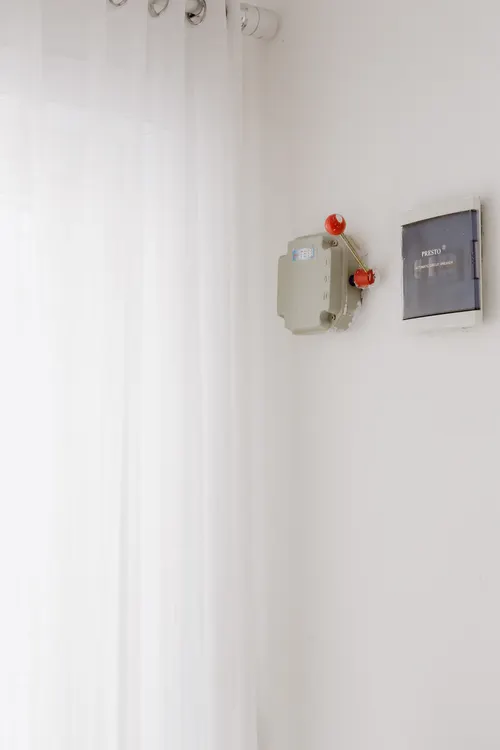
Not sure which option fits your home? Call and ask.
Home battery backup with new solar, or added to existing solar
If you are planning solar, designing the battery in from the start is the tidiest route, because the panel, inverter, and backup circuits are planned together rather than fitted around each other later. The battery stores the power your panels make during the day so it is available in the evening and during an outage, instead of all of it going straight to the grid. The backup circuit list is still chosen in advance, and the same question applies: which loads matter most when the grid is down?
Adding a battery to solar you already have is a different check, and compatibility is the word that matters. Not every existing solar inverter pairs with every battery, and the panel, wiring, and monitoring may need changes before a battery can join the system. That is a site check, not a guess from a product page, and it is confirmed on the call before any battery is recommended. Our smart panel guide explains how a panel with circuit control can manage backup priorities during an outage, which is the same idea a battery system uses when it sheds lower-priority circuits to stretch its runtime.
Battery backup vs generator: which fits your home?
A generator runs on fuel and can keep going through a long outage, as long as fuel is available, while a home battery backup Fort Pierce system runs silently on stored power and stops when the stored power is spent. A generator suits a home that must ride out a multi-day outage with air conditioning and a full house load, and our generator sizing guide explains how that load is worked out. A battery suits a home that wants quiet, automatic cover for chosen circuits through shorter outages, without fuel storage, engine maintenance, or exhaust.
Some homes are better off with both, and that is not a sales line, it is a load answer: a battery covers the first hours silently and instantly, and a generator carries the longer stretch if the outage runs on. Other homes need only one, and the deciding facts are the loads you cannot lose, how long outages usually last at your address, whether you have fuel available, and what your panel can support. Those facts are gathered on the call, and the recommendation follows them rather than preceding them.
Sizing a battery: circuits first, capacity second
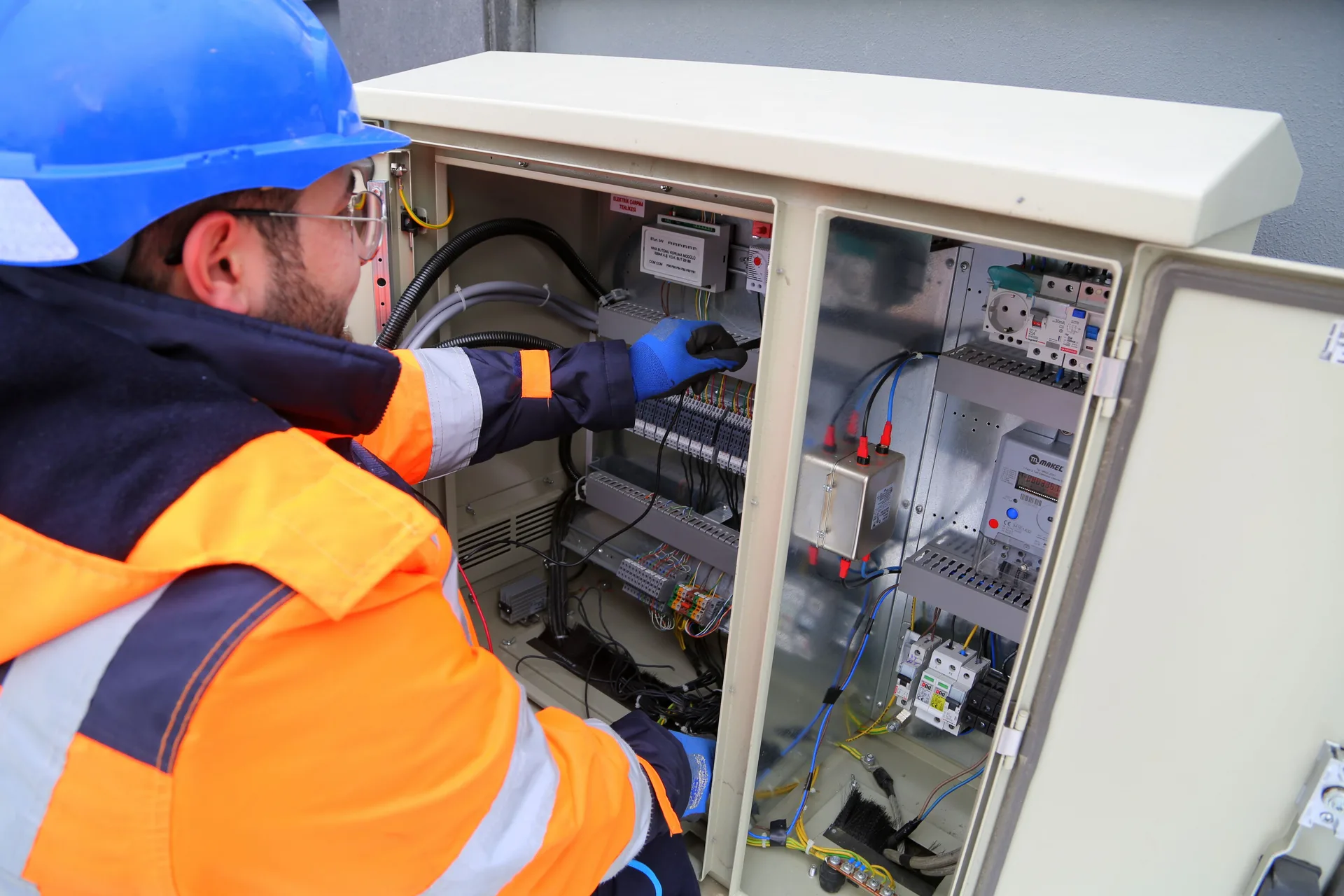
Battery sizing starts with the circuit list, not with a product size. The visit, or the call that plans it, works through what must stay on: fridge, router, lighting for one or two rooms, a fan, phone charging, and any device that cannot safely lose power. Each of those loads draws power, and together they decide how much stored energy the battery must hold and how quickly it will be spent. A battery sized for a fridge and lights will last far longer than the same battery asked to carry air conditioning as well, and that trade-off should be stated plainly before anything is chosen.
The panel is the second half of sizing. A battery needs a backup panel or a panel arrangement that can separate backed-up circuits from the rest of the house, and it needs headroom for the battery connection itself. An older or full panel may need work first, and that work is part of the quote, not a surprise found later. Our EV charger panel capacity guide explains how a load calculation settles what a panel can carry, and the same calculation logic applies when a battery joins the system.
Not sure which option fits your home? Call and ask.
What a battery installation visit involves
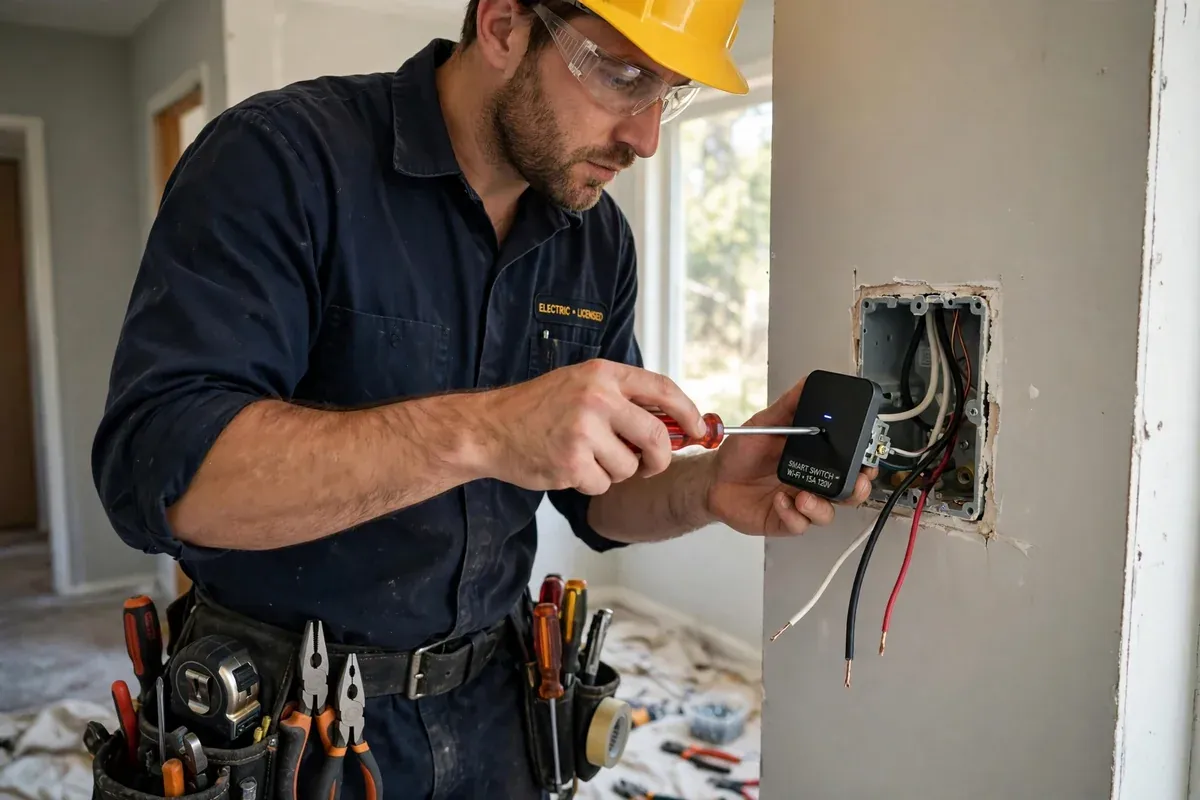
A home battery backup Fort Pierce installation starts with the panel, the loads, and the place the battery will live. The battery is wall-mounted, usually in a garage or on a suitable exterior wall, close enough to the panel to keep the wiring run sensible and in a spot that stays dry and accessible. The backup panel is wired so backed-up circuits can be separated from the rest of the house, and the inverter and monitoring are set up so the system can switch automatically when the grid fails.
The permit and inspection route is confirmed on the call, because it depends on the system type and the property, and no specific office or fee is stated here. Testing matters as much as the fitting: the system is tested by simulating an outage so the homeowner sees which circuits stay on and which go off, rather than discovering the list during a real storm. If that test shows a circuit missing from the list, it is corrected then, while the installer is still on site.
What happens during an outage with a battery
When the grid fails, a battery system switches over automatically, usually in a fraction of a second, and the backed-up circuits keep running without anyone touching a switch. Lights on those circuits stay on, the fridge keeps running, and the router stays alive, while the rest of the house goes dark. That automatic switchover is the main comfort advantage over a portable generator, which must be started, connected, and refuelled by hand, and our hurricane preparation checklist explains where backup power sits in a wider storm plan.
Runtime is the honest limit, and it depends on the battery size, the loads running, and whether solar is recharging it during the day. A battery carrying a fridge, lights, and a router will run far longer than one carrying those loads plus air conditioning, and no fixed hour figure is given here because the loads decide it. When the grid returns, the system switches back and recharges, ready for the next outage. If the battery runs out before the grid returns, the backed-up circuits go off just as they would without a battery, which is why the circuit list and the runtime expectation are agreed before installation, not after.
Battery cost factors, and what to have ready for the call
Exact price and timing are confirmed on the call, and cost factors are the battery size, the panel and backup-panel work, the wiring run to the battery location, any inverter or monitoring changes, and whether solar is being added or already exists. A small battery on a panel with spare room is a different job from a larger system that needs panel work and a new backup panel, and quoting one figure for both would be dishonest. No price range is stated here, because the site rule is cost factors only, and the quote follows the panel and load check.
Have three things ready when you call: the circuits you cannot lose in an outage, whether you have solar now or plan it, and what your panel looks like, including its age or brand if you know it. A photo of the panel label helps, taken without opening any live cover. With those facts, the call can say whether a battery fits your home, whether a generator fits better, or whether both together are the honest answer, and that is the point of the call: a recommendation that follows your loads, not a product pushed before them.
Frequently asked questions
Do I need solar panels to have home battery backup?
No. A standalone battery charges from the grid and takes over automatically when the grid fails. Solar is an addition that can recharge the battery during the day, not a requirement for backup.
How is a battery different from a generator?
A battery runs silently on stored power and carries chosen circuits until that power is spent. A generator runs on fuel and can keep going through a longer outage while fuel is available. Some homes suit one, some suit the other, and some suit both.
Which circuits stay on during an outage with a battery?
The circuits you choose in advance, typically the fridge, router, lighting for one or two rooms, and any device that cannot safely lose power. The rest of the house stays off, which is how the battery stretches its stored power.
Can a battery be added to solar panels I already have?
Sometimes, and compatibility is the check that decides it. Not every existing solar inverter pairs with every battery, so the panel, inverter, and wiring are checked on site before a battery is recommended.
Does a battery run the whole house?
A battery sized for chosen circuits does not run a whole house indefinitely. Whole-home cover for a long outage is a generator answer, or a battery-plus-generator answer, and the load list decides which one fits your home.
What should I have ready when I call about battery backup?
The circuits you cannot lose in an outage, whether you have solar now or plan it, and what your panel looks like, including its age or brand if known. A photo of the panel label, taken without opening a live cover, helps.
Your next step for home battery backup in Fort Pierce
Home battery backup Fort Pierce is at its best when it is sized to a real circuit list: quiet, automatic cover for the loads that matter, without fuel, noise, or a manual start in the dark. It is at its worst when it is sold as whole-home cover it cannot deliver, which is why the panel check and the load conversation come first. Call (772) 218-3629, list the circuits you cannot lose, and we will compare battery, generator, and both together for your home in Lakewood Park and Fort Pierce North in 34950 and 34946, open 24 hours a day, 7 days a week, with same-day service offered and exact timing confirmed on the call. For the full service list, start at our Electrician in Fort Pierce, FL homepage.
Call Fort Pierce Electric Pros for help in Fort Pierce.