
Best Time to Install a Standby Generator in Fort Pierce
The best time to install a standby generator in Fort Pierce is spring, before hurricane season, for homes in Hutchinson Island and Fort Pierce South, ZIPs 34949 and 34947. This guide explains why early booking beats a storm-season rush, and what the install needs time for.
Call Now to Speak to a Specialist
Open 24 hours a day, 7 days a week.
A standby generator should be installed, tested, and ready before a storm of the season, not during it. In Fort Pierce, book in spring: the survey, transfer switch, fuel work, and inspection all happen without a storm on the forecast. The best time to install a standby generator in Fort Pierce is the spring before you need it.
Why spring is the best time to install a standby generator
Spring is the best time to install a standby generator in Fort Pierce because the whole job can be finished before hurricane season starts. The Atlantic hurricane season runs June through November, and a generator booked in spring is surveyed, installed, and tested while the forecast is still quiet. That is the point of backup power: it is ready before the first storm, not ordered after it.
Booking early also means the visit happens on your schedule, not on the storm's. In spring the survey can be booked at a time that suits you, the panel and fuel questions can be answered properly, and the test run under load can happen in daylight with no pressure. A spring install leaves the summer free for the generator's exercise runs and the checks that keep it ready, which our generator exercise and battery guide explains.
The same logic applies on the Treasure Coast generally, but it matters most in Fort Pierce because the summer storms arrive with little warning. A generator that is installed in April or May has months of quiet weather to prove itself. A generator ordered in August is a race against the next forecast, and a race is a poor way to buy backup power.
What the install sequence needs time for
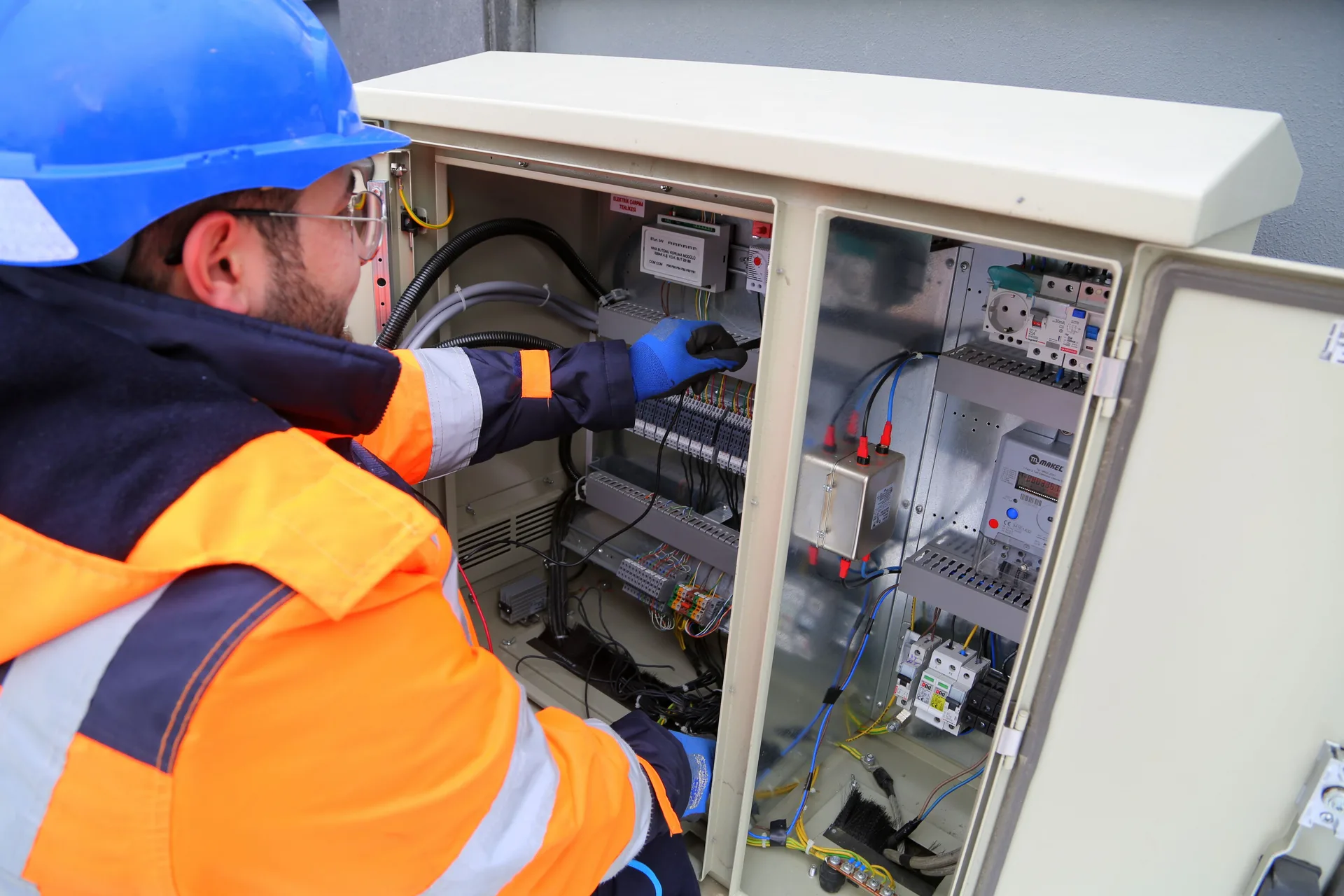
A standby generator install is a sequence, not a single visit, and each step needs its own time. It starts with a survey and a must-run list: the circuits the generator will carry, such as refrigeration, cooling, lights, and internet. Then comes the transfer switch, which moves the home between grid and generator power, and the fuel work, natural gas where it reaches the home or propane from a tank where it does not. Our home generator installation guide walks through that sequence step by step.
The unit also needs a pad to sit on, a cable route from the unit to the panel, and a permit and inspection route, which is confirmed on the call and the visit for your address. None of these steps is slow on its own, but they do not all happen on one day, and the test run under load comes last, after everything else is in place. That is why the best time to install a standby generator is measured in weeks before the season, not days before a storm.
The transfer switch choice is part of that timing. An automatic transfer switch starts the generator and moves the circuits without anyone going outside, while an interlock kit is a manual route that needs someone at the panel. Our transfer switch vs interlock kit guide compares the two, and the choice is made at the survey, not on install day. Deciding it in spring leaves time to get the right switch, not the one that happens to be available.
Planning backup power before storm season?
Autumn and winter: the quiet-season option
If spring has already passed, the next best time to install a standby generator in Fort Pierce is autumn or winter, after hurricane season ends. The same sequence applies, and the same survey, switch, fuel, and inspection steps are needed, but there is no storm on the forecast while they happen. An autumn install is tested through the quiet months and is ready long before the next June.
Winter is also the practical time to replace an ageing generator. If your current unit has become unreliable, struggled to start, or needed repeated repairs, the quiet season is when a replacement can be surveyed and installed without leaving the home uncovered during storm season. Our generator repair signs guide explains which symptoms point to repair and which point to replacement, and the visit decides from the condition of your unit.
One caution applies in every season: do not treat the quiet months as a reason to wait. A generator booked in January is ready for June, but a generator put off until May is already late, because the spring queue fills with the same homeowners who decided at the same time. The quiet season is an opportunity, not a reason to delay.

The worst time to book: when a storm is named
The worst time to install a standby generator is after a storm has been named. Once a storm is on the forecast, every homeowner in the county wants the same work at the same time, and the queue for surveys, equipment, and inspections fills in days. An install booked then may not be surveyed, permitted, and tested before the storm arrives, and no honest electrician will promise otherwise.
That is not a reason to do nothing. If a storm is coming and you have no generator, call us about the steps that still help: the hurricane electrical prep checklist covers the panel, surge protection, and outage plan in order, and a survey booked now puts you first in the queue once the storm has passed. What a storm-season call cannot do is turn a multi-step install into a same-day job.
The same applies after an outage. The days after a long outage are the busiest of the year for generator calls, and the homeowners who book then join the same queue as everyone else. The lesson is not that generators are hard to get; it is that the time to book one is when nobody else is trying to.
Planning backup power before storm season?
What to decide before the survey visit
Before the survey, decide which circuits you cannot do without. The must-run list is what sizes the generator: refrigeration, cooling, lights, internet, and any medical or work equipment that must stay on. A list made at the kitchen table is worth more than a guess at the panel, because the generator is sized for the loads it will actually carry. Our Generac sizing guide explains how the must-run list decides the size.
Also note what fuel reaches the property, where the unit could sit, and the condition of your panel. Fuel is either natural gas where it reaches the home or propane from a tank, and the route for the fuel line is part of the survey. The unit needs a clear, accessible spot with room for service, and coastal homes in Hutchinson Island should expect the salt-air question to come up, because outdoor gear near the water ages faster. Our salt-air corrosion guide explains what that means for outdoor equipment.
If your panel is ageing, has a brand your insurer has flagged, or is already full, say so on the call. Panel work can be part of the install, but it is found at the survey, not assumed. A survey that knows about the panel in advance is a survey that ends with a real scope and a written, itemised estimate, not a second visit to look again.
What changes the timing of your install
Several factors move the timing of a standby generator install, and all of them are found at the survey. Panel work is the first: a panel that needs upgrading or replacing adds steps before the generator can be connected. The fuel run is the second: a long run from the meter or tank to the unit takes more work than a short one, and the route has to be agreed and safe. The pad, the transfer switch type, and the permit and inspection route each add their own time.
Unit availability is the factor most people forget. A popular size or brand can have a lead time, and that lead time is longest in the weeks before hurricane season, when demand is highest. That is another reason spring booking matters: the unit is ordered while stocks are normal, not while every installer in the county is ordering the same unit. Exact timing and exact price are confirmed on the call and the visit, never guessed on a web page, and our Generac cost-factors guide explains what moves the quote.
The permit and inspection route is confirmed for your address on the call and the visit. We do not name a specific office, fee, or portal here, because the route depends on the property and the scope. What we can say is that the route is part of the sequence, it takes time, and it is one more reason to start in spring.
If you missed spring: what to do now
If spring has passed, book the survey now anyway. The queue is first-come, and a survey booked today is ahead of every survey booked next week. The visit will confirm the scope, the fuel route, the switch, and the written estimate, and the install will be scheduled from there. Waiting for the next spring only adds a full storm season with no backup power.
While the install is being arranged, there are steps that still help. Surge protection guards the panel and the hardwired appliances against Florida lightning, and our surge protection and lightning guide explains how layered protection works. If you already own a generator, test it: the exercise and battery checks in our maintenance guide are the difference between a generator that starts and one that does not. And keep an outage plan, with the fridge closed, a torch to hand, and the utility's number saved for a street-wide outage.
The best time to install a standby generator in Fort Pierce is spring, the next best time is now, and the worst time is during a storm. Call (772) 218-3629 and describe your home, your must-run list, and your fuel situation, and we will confirm the next survey we can offer. The Hutchinson Island area page shows one of the neighbourhoods this guide covers.
Best Time to Install a Standby Generator in Fort Pierce: frequently asked questions
When is the best time to install a standby generator in Fort Pierce?
Spring, before hurricane season starts in June. A spring install leaves time for the survey, the transfer switch, the fuel work, the permit and inspection route, and the test run under load, all without a storm on the forecast. Autumn or winter is the next best window. Exact timing for your home is confirmed on the call.
Can a standby generator be installed during hurricane season?
Yes, installs happen year-round, but a summer booking joins the busiest queue of the year, and equipment and inspection lead times are longest then. If a storm is already named, an install may not be finished before it arrives. Book the survey now and we will confirm the next install we can offer.
How far ahead should I book a generator install?
Book in spring for the June season, or as soon as you decide, because the install is a sequence: survey, switch, fuel, pad, permit and inspection, then a test run. The exact sequence and timing for your home are confirmed on the call and the survey visit, never guessed in advance.
Does a standby generator install need a permit?
Whether the job needs a permit, and who pulls it, is confirmed on the call and the visit for your address. The permit and inspection route is part of the install sequence and takes time, which is one more reason to start in spring rather than during a storm.
What should I decide before the survey visit?
Your must-run list: the circuits the generator will carry, such as refrigeration, cooling, lights, and internet. Also note what fuel reaches the property, where the unit could sit, and the condition of your panel. Those answers turn the survey into a real scope and a written, itemised estimate.
What if a storm is coming and I have no generator?
Call us about the steps that still help, starting with the hurricane electrical prep checklist: panel, surge protection, and an outage plan, in order. Book the survey now so you are first in the queue once the storm has passed. A storm-season call cannot turn a multi-step install into a same-day job.
Ready to talk?