
Generator Repair Signs Fort Pierce
Generator repair signs Fort Pierce: a standby generator that will not start, will not stay on, or runs with no power is reporting a fault, for homes in 34950 and 34949 including Hutchinson Island and Fort Pierce South, and when to call for each sign.
Generator repair signs Fort Pierce are easy to miss until the power goes out and the generator does not take over. This guide explains the signs that mean a standby generator needs repair, safe owner checks, and symptoms that mean stop and call. Call (772) 218-3629 if your generator will not start or shows an unfamiliar alert
Generator repair signs Fort Pierce: the short answer
A standby generator is a machine that sits idle for months and is then expected to carry a house, so its faults usually announce themselves in advance. The most common generator repair signs homeowners here see are a generator that will not start, one that starts and then stops, one that runs but delivers no power, a controller alert or warning light, a fuel or oil leak, and visible damage to wiring or components. Each sign points to a different part of the system, and the repair follows the symptom, not a guess.
This post is the symptom guide that sits beside our other generator pages. Our generator exercise and battery guide covers the routine checks that keep a healthy generator ready, our home generator installation guide covers what an install involves, and our generator installation in Fort Pierce page covers the service itself. This post owns the question those pages do not answer: the generator is showing a fault, so what is wrong and what happens next?
Sign 1: the generator will not start
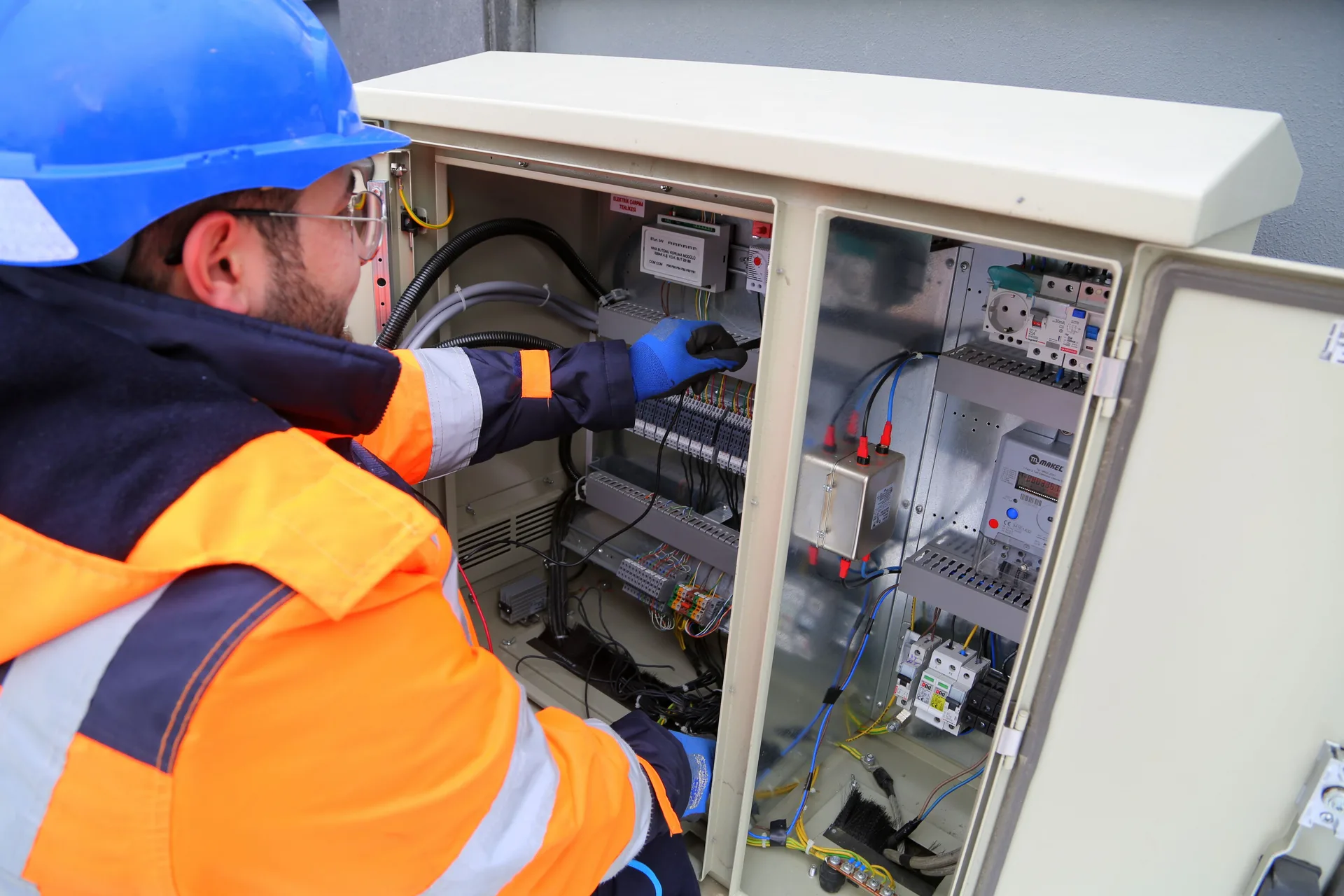
A generator that will not start at all is the clearest of the generator repair signs Fort Pierce callers report, and it has several distinct causes. A weak or dead battery is the most common: standby generators start on a battery, and a battery weakened by Fort Pierce heat or age may turn the engine slowly or not at all. A controller that shows no life, or a generator that does not even attempt a crank, points to battery or control power before it points to the engine.
Fuel is the second cause to consider, and it is checked by asking, not by opening anything. A propane tank that is empty or a natural gas supply that has been interrupted will leave a healthy engine with nothing to burn, and the call should say which fuel the generator uses and whether the tank gauge or supply looks different from usual. A generator that cranks strongly but never fires is a different symptom from one that does not crank at all, and telling the electrician which one you have saves a wasted visit.
Do not keep cranking a generator that will not start. Repeated failed starts drain the battery further and can flood or stress an engine that already has a fault. Note what happens when you try once: silence, slow cranking, normal cranking with no fire, or a controller message, and then call. That one observation narrows the fault more than any further attempt will.
Sign 2: the generator starts, then stops
A generator that starts and then stops within seconds or minutes is reporting a protection trip, not a lack of trying. Low oil level is a frequent cause on standby units, because many controllers shut the engine down to protect it, and the same shutdown can follow overheating, a blocked air path, or a controller fault. The pattern matters: a generator that stops at the same point every time is behaving consistently, which helps diagnosis, while one that stops at random points under different loads points elsewhere.
Load is the other half of this symptom. A generator that runs happily with nothing connected but stops when the house load transfers onto it may be overloaded, or may have a transfer problem rather than an engine problem. That distinction is why the call should mention what was running when it stopped: air conditioning, well pump, or the whole house at once. Our transfer switch vs interlock guide explains how the transfer step itself can be the fault, and a generator that dies at transfer deserves that check before any engine part is blamed.
Never bypass a shutdown to keep a generator running. The shutdown is the protection working, and forcing past it risks engine damage or a fault in the house wiring. Switch the generator off, note the controller message and the load at the time, and call.
Not sure what the symptom means? Call before it gets worse.
Sign 3: the generator runs, but the house has no power
An engine running with no power at the house is a transfer or output fault, and it is one of the most confusing generator repair signs Fort Pierce homeowners face, because the machine sounds fine. The first question is whether the transfer switch moved: a standby generator that runs but never transfers leaves the house dark while the engine works perfectly. A tripped breaker on the generator itself, or a transfer switch that has failed to close, produces exactly this picture.
The second question is whether part of the house has power and part does not. Whole-house silence points to transfer or output, while a single dead circuit after a generator run points to a house-side breaker or connection, and the two lead to different repairs. Note which circuits are live and which are dead before calling, and do not move transfer equipment by hand: transfer switches carry live utility and generator power, and manual operation by a homeowner risks backfeed, which can energise lines a utility worker believes are dead.
If the generator is running and the house is dark, leave the generator running only if it is outdoors, ventilated, and showing no alarm, and call promptly. Shutting it down without advice is safe, but the transfer fault will still be there when it restarts, so the call, not another start, is the fix.
Sign 4: controller alerts, warning lights, and strange noises
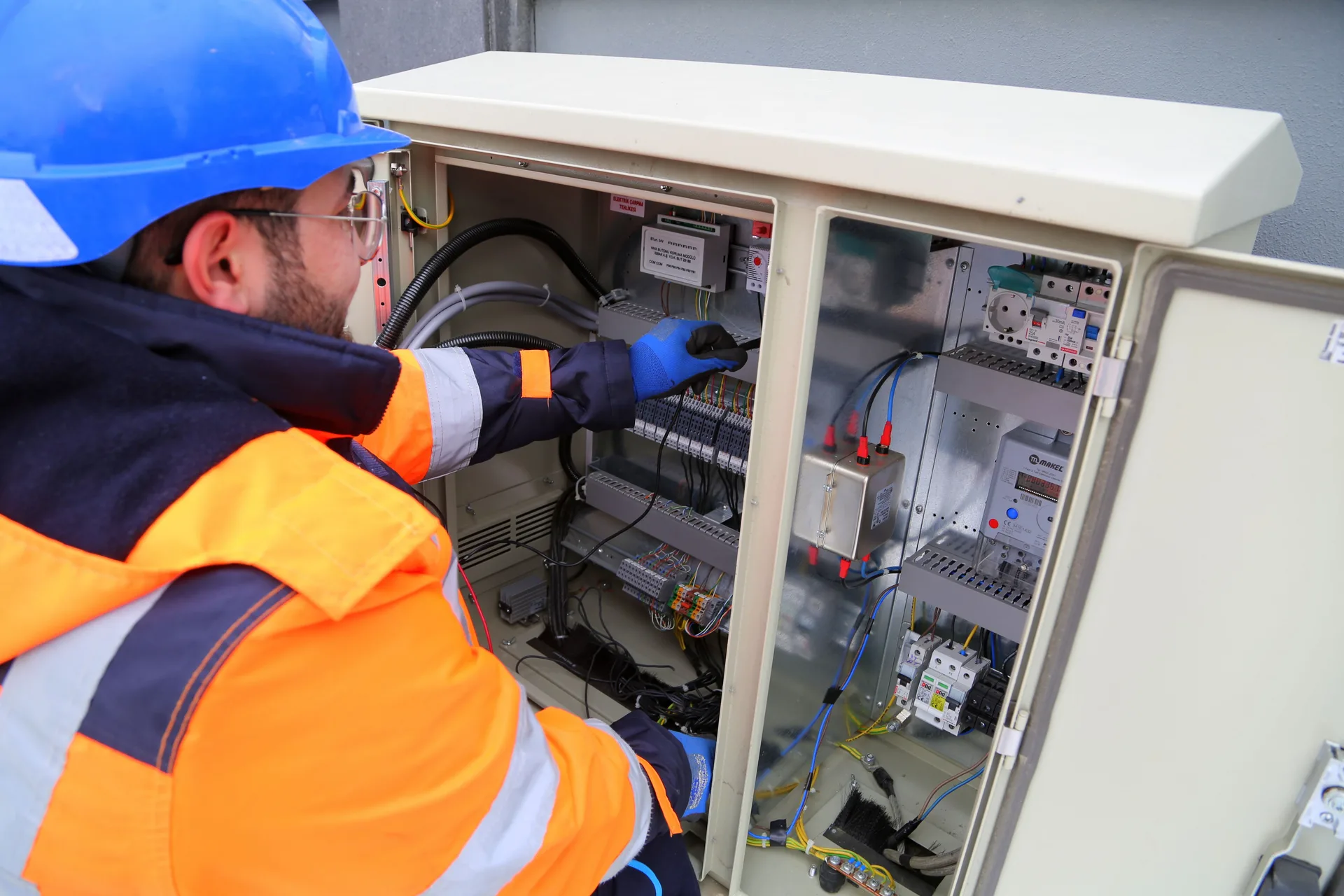
A controller alert is the generator speaking plainly, and it should be read, not reset away. Yellow or red lights, a fault code, or a message about battery, oil, overspeed, or low voltage each name a system, and the code plus the colour is the most useful thing you can report on the call. Our maintenance guide explains controller lights in routine terms; on a repair call, the same light means a fault has already been found by the machine itself, and the job is to find why.
New noises belong in the same category. Knocking, surging, hunting up and down in speed, or a change in exhaust note all say something has changed since the last healthy run, and a generator that sounds different is a generator that needs a look before the next outage, not during it. Do not ignore a noise because the generator still produces power: a fault that is merely noisy today can be a failure on the next run.
Write the alert down exactly as shown, including any code numbers, and do not clear it repeatedly. Clearing an alert without fixing its cause only erases the evidence the repair visit needs.
Sign 5: leaks, smells, and visible damage
Any fuel or oil leak near a generator is a repair sign that outranks convenience. Fuel leaks are a fire risk, oil leaks starve the engine and stain the pad, and both say a line, seal, or tank fitting has failed. A generator with a visible leak should be switched off, kept away from ignition sources, and reported promptly, and fuel work is never a homeowner job: fuel lines, tanks, and connections are confirmed and repaired on the visit.
Visible damage counts too, and Fort Pierce weather supplies it. Salt air corrodes outdoor connections, storm debris damages housings and wiring, and rodents damage insulation and small lines. Our salt air corrosion guide explains how coastal air attacks outdoor gear, and a generator housing that shows corrosion, a chewed wire, or a cracked fitting is a generator whose next run is not guaranteed. A quick look at the outside of the unit, without opening panels, is a safe owner check; anything behind a cover belongs to the visit.
A burning smell, hot housing, or scorching near a generator is a same-day call, not a next-week one. Switch off, keep people clear, and call (772) 218-3629.
Not sure what the symptom means? Call before it gets worse.
Repair, maintenance, or replacement: how the visit decides
Not every fault is a repair, and an honest visit says so. A battery, a sensor, a fuel component, or a transfer-switch part is a repair: the faulty part is replaced and the generator is tested under load. A generator that has missed maintenance for years, or one whose faults return after repair, may need a maintenance catch-up first, because a neglected machine can show several faults at once, and fixing one without servicing the rest leaves the next failure waiting.
Replacement enters when the engine or alternator itself is damaged, when parts are no longer available for the model, or when repeated repairs cost more than the reliability they buy. That decision is made after testing, not on the phone, and it is helped by the age of the unit, its service history, and whether it has been exercised regularly. A generator that has been maintained and shows a single fault is almost always a repair; a generator that has never been serviced and shows several is a conversation.
Cost follows the same rule as every page on this site: exact price and timing are confirmed on the call, and cost factors are the fault found, the parts matched to the model, access to the unit, and any panel or transfer work the repair reveals. No fixed figure is given here, because a battery and an alternator are different jobs, and quoting one price for both would be dishonest.
What to have ready when you call about generator repair
The generator brand and model, if you can read them from the outside label, and whether it is a standby unit with an automatic transfer switch or a portable unit. The symptom in plain words: will not start, starts then stops, runs with no power, alert code, leak, or damage. When it last ran successfully, and whether it has had an exercise run since, because a generator that failed on its weekly exercise is a different story from one that failed in a storm.
The fuel type, natural gas or propane, and for propane, whether the tank gauge looks low. The load at the time of the fault, and which circuits, if any, still have power. A photo of the controller display helps, but only take one if you can do so without opening any panel or touching live parts. With those five facts, the visit arrives as a diagnosis, not an exploration, and the repair starts sooner.

Frequently asked questions
What are the most common generator repair signs?
A generator that will not start, one that starts and then stops, one that runs with no house power, a controller alert or warning light, a fuel or oil leak, and visible damage to wiring or components. Any one of these is a reason to call, because each points to a fault that will still be there at the next outage.
My generator will not start. Is it always the battery?
Not always, but the battery is the most common cause: a weak battery turns the engine slowly or not at all. Fuel supply, controller power, and engine faults can produce the same silence, so the call should say whether the generator cranks, cranks slowly, or does nothing at all.
Should I keep resetting a generator alert?
No. An alert is the generator reporting a fault it has found, and clearing it repeatedly erases the evidence the repair visit needs. Note the code and colour exactly as shown, switch the generator off if it is alarming, and call (772) 218-3629.
Can a generator be repaired, or does it need replacing?
Most single faults are repaired: a battery, sensor, fuel component, or transfer-switch part is replaced and the unit is tested under load. Replacement enters when the engine or alternator is damaged, parts are unavailable, or repeated repairs no longer buy reliability, and that decision follows testing on the visit.
Is a fuel leak near a generator an emergency?
Yes. Switch the generator off, keep ignition sources away, and call promptly. Fuel lines, tanks, and connections are never a homeowner repair, and a leak is a fire risk that outranks waiting for the next scheduled visit.
What should I tell the electrician when I call?
The brand and model if known, the symptom in plain words, when it last ran successfully, the fuel type, the load at the time of the fault, and any controller code. Those facts turn the visit into a diagnosis rather than an exploration.
Your next step for generator repair in Fort Pierce
Those generator repair signs are warnings, not inconveniences: a generator that will not start, will not stay on, or runs with no power is telling you its next run is not guaranteed, and the fix is a call before the next outage, not a hope during it. Call (772) 218-3629, describe the symptom, and we will diagnose it in Hutchinson Island and Fort Pierce South in 34950 and 34949, open 24 hours a day, 7 days a week, with same-day service offered and exact timing confirmed on the call. For the full service list, start at our Electrician in Fort Pierce, FL homepage.
Call Fort Pierce Electric Pros for help in Fort Pierce.