
Circuit Breaker Replacement in Fort Pierce North, Fort Pierce
Circuit breaker replacement Fort Pierce North Fort Pierce starts by reading the breaker, not swapping parts: for family homes in ZIP 34946 and 34950, around Lakewood Park and St. Lucie Village, the handle, heat, and trip pattern say whether the breaker is worn, the circuit stretched, or the panel tired.
Call Now to Speak to a Specialist
Open 24 hours a day, 7 days a week.
Circuit breaker replacement Fort Pierce North Fort Pierce begins at the breaker handle and the trip record, not at the parts shelf. A northern home gives three possible answers: a breaker that has worn out, a circuit carrying more than it was built for, or a panel that can no longer hold the load.
The northern pattern: family homes, garages, and heavy evening loads
Fort Pierce North is a belt of family subdivisions around Lakewood Park and St. Lucie Village, reached from US 1 and I-95 Exit 126, across ZIPs 34946, 34950, and 34982. The homes here were built for family life, and their garages have grown into workshops, storage rooms, and charging bays since. When the air conditioner and the EV charger run together on a heavy evening, the panel carries both at once, and a breaker that was already tired is the first part to give way. The Fort Pierce North area page maps that picture street by street, and our electrical repair guide for Fort Pierce North follows the load that trips it. This post stays with the breaker itself: what it tells you, and when it is the part that needs changing.
The pattern to watch is timing. A breaker that only ever trips on heavy evenings, with the cooling running and the car charging, is reporting a load that arrives together, and the visit still has to decide whether the breaker is worn or the circuit is simply carrying too much. A breaker that trips at random hours, on a quiet circuit, is reporting something else entirely, and the answer usually sits inside the breaker or on the bus bar behind it. Our EV charger guide for Fort Pierce North covers the charger side of the evening load, including scheduling and load management, so this post does not repeat it. What follows is the breaker side: the signs, the single test, and the visit that settles it.
Reading the breaker: the signs that point at the part itself
The bad circuit breaker signs Fort Pierce North homeowners report most often start at the handle. A toggle that feels loose or mushy under the finger, or will not click firmly into the on position, has worn out inside, and no amount of resetting brings the spring back. A breaker that trips with nothing running, or trips again the moment it is reset, is showing the same wear from a different angle. Add heat to the list: a breaker, or the panel door beside it, that runs warm to the touch means resistance is building at the connection, and heat is the sign that turns a nuisance into a call now.
Sound and smell finish the reading. A buzz or crackle from the panel, scorch marks on the breaker face, or a burning smell near the panel all say the same thing: stop using that circuit and call. A GFCI or AFCI breaker that will not pass its own test button has lost the protection it was fitted to provide, even if the circuit still works. The quiet failure is the one to respect most: a breaker that has stopped tripping at all leaves the wiring unprotected while the house carries on as normal. Our breaker keeps tripping Fort Pierce North guide sorts the trip causes, and our buzzing panel guide sorts the sounds, so a tripping breaker in a northern home gets read against both.
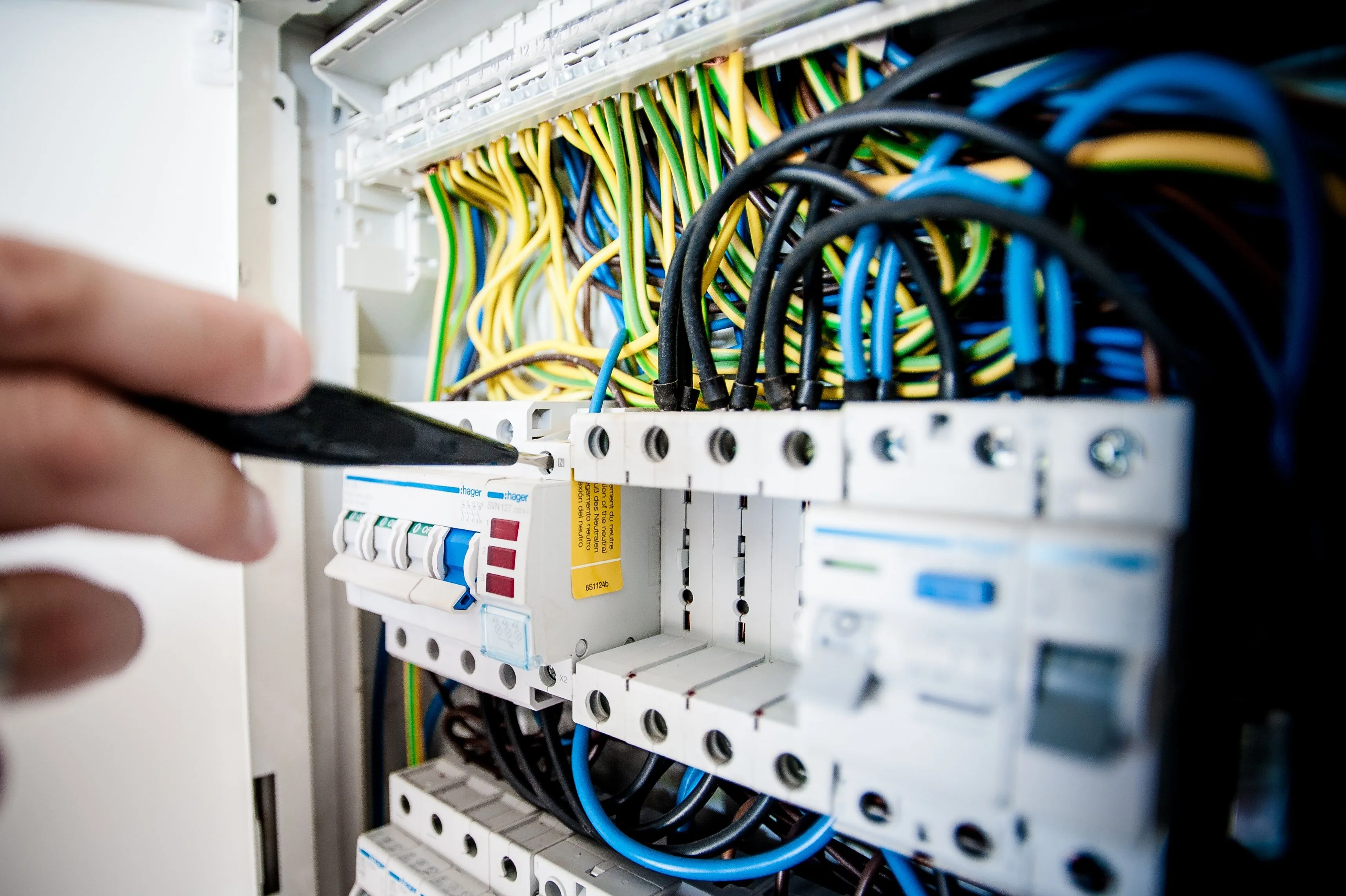
A breaker that will not stay on?
The one-reset test: what to do, and what never to do
When a breaker trips, run one test and only one. Unplug everything on that circuit, switch the breaker fully off and then firmly on, and watch what happens. If it holds with nothing plugged in, plug things back one at a time until the trip returns, and you have found the load that tips it. If it trips straight back with nothing connected, leave it off: the fault sits in the breaker, the bus, or the wiring, and further resets only wear the breaker and hide the cause. When the breaker will not reset, the Fort Pierce North rule is the same as anywhere else in the city: one test, then stop, then call.
Three things are never part of the test. Never tape a breaker in the on position or hold the handle up: a breaker held on cannot protect the circuit, and the wiring overheats with nothing to stop it. Never fit a larger breaker to end the trips: the wiring was sized for the breaker that is there, and a larger one lets the wire overheat before anything trips. Never open the panel to look inside: the main lugs stay live even with the breakers off, and the testing is done with the power on, which makes it the electrician's job. A burning smell or scorching around a breaker makes it an emergency, so leave the circuit off and call now. Our breaker troubleshooter tool walks through the same checks, and our emergency electrician page covers the call-out.
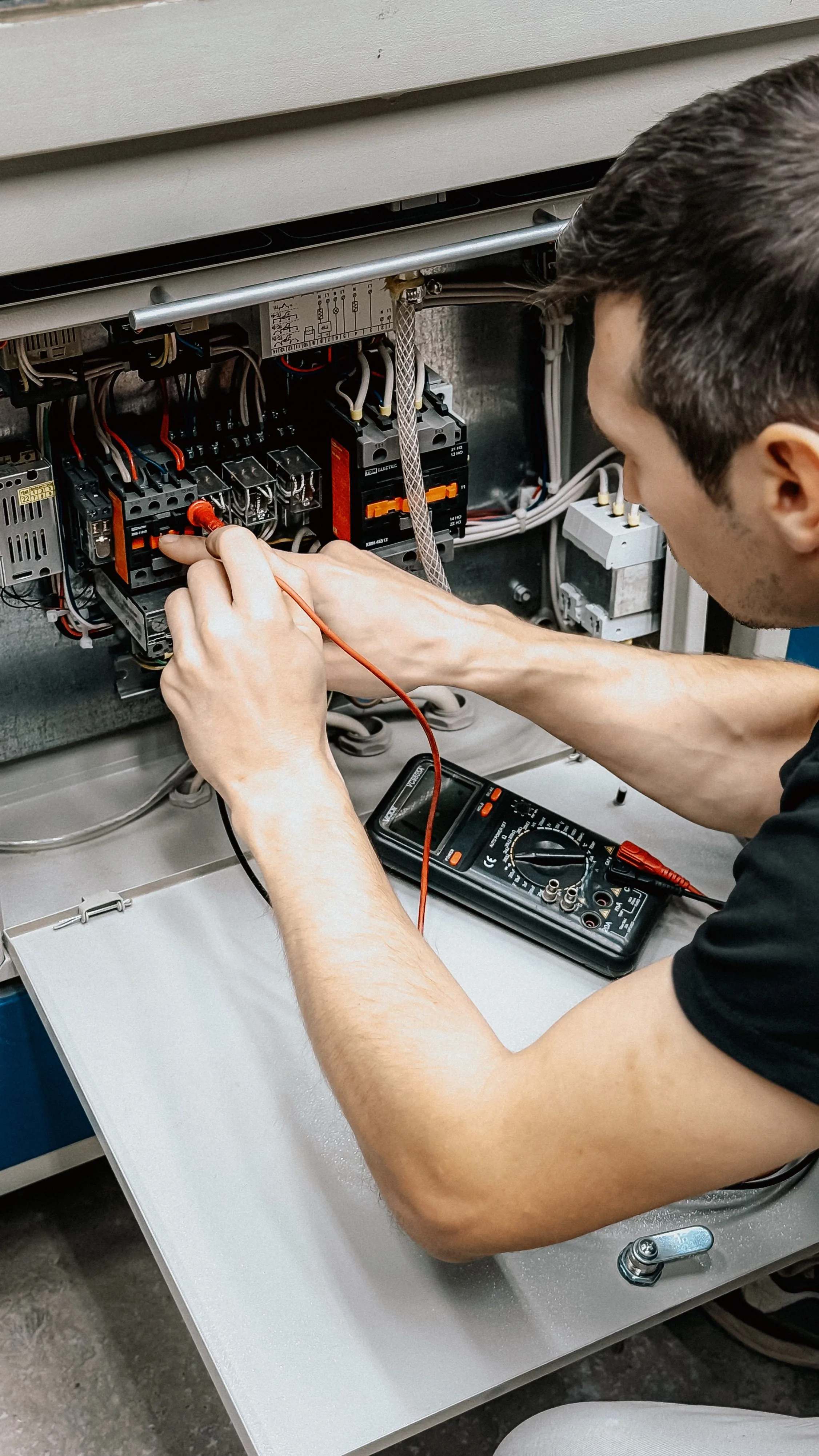
Warm breaker, buzzing, or a burning smell?
Healthy breaker, faulty breaker, or undersized circuit: the three-way call
Every tripping breaker lands in one of three buckets, and the visit sorts it before any part is ordered. A single trip after an obvious overload, with a reset that holds, is a healthy breaker doing its job, and the fix is whatever caused that one trip. In the middle bucket sits the faulty breaker, and circuit breaker replacement Fort Pierce North Fort Pierce is the fix for that bucket alone: a breaker that trips below its rated load, will not reset, or runs warm on an ordinary circuit. The third bucket is the undersized circuit, which trips every time the same big appliance starts, and the fix there is a dedicated circuit, never a bigger breaker.
The bus bar is the part this three-way call cannot see from the front. A breaker clip that has loosened arcs against the bus, burns the finger it sits on, and a new breaker fitted onto that pitted finger fails again within days, which is why the visit checks the bus stab before anything is swapped. Heat loosens connections over the years as they warm and cool, and a loose connection arcs the same way. Our city-wide circuit breaker replacement Fort Pierce guide works through the same three-way call, our electrical panel repair Fort Pierce North guide explains which panel faults a repair can settle, and our guide to reading breaker panel labels shows where the directory card and the main breaker number live.
The replacement visit, step by step
A replacement visit runs in a fixed order, and the order is the point. The power comes off before the panel cover moves, and the first job is reading the panel: its brand, the state of the bus, and a directory card that may or may not match what the breakers actually feed. The new part is the breaker listed for that exact panel, not a breaker that happens to clip in, because a wrong-brand breaker can sit loosely on the bus and arc from day one. The stab it will sit on gets inspected for pitting and burn marks first, and the wire connections get checked at the same time. The visit also checks whether the circuit is missing protection it should have had: arc-fault cover in living areas, ground-fault cover where water and damp are near.
Proof closes the visit. Once the breaker is fitted, the circuit goes back on and runs under the load it normally carries, so the electrician leaves knowing it holds, not assuming it does. The directory card is corrected on the spot, because a wrong label sends the next person to the wrong breaker. And a breaker that tripped once and then held is left alone: one trip can follow a surge or three kitchen appliances starting together, and swapping a healthy breaker for that one trip fixes nothing. If the panel is full rather than faulty, our subpanel installation Fort Pierce North page covers the room-maker route, and our panel upgrade page covers the capacity question.
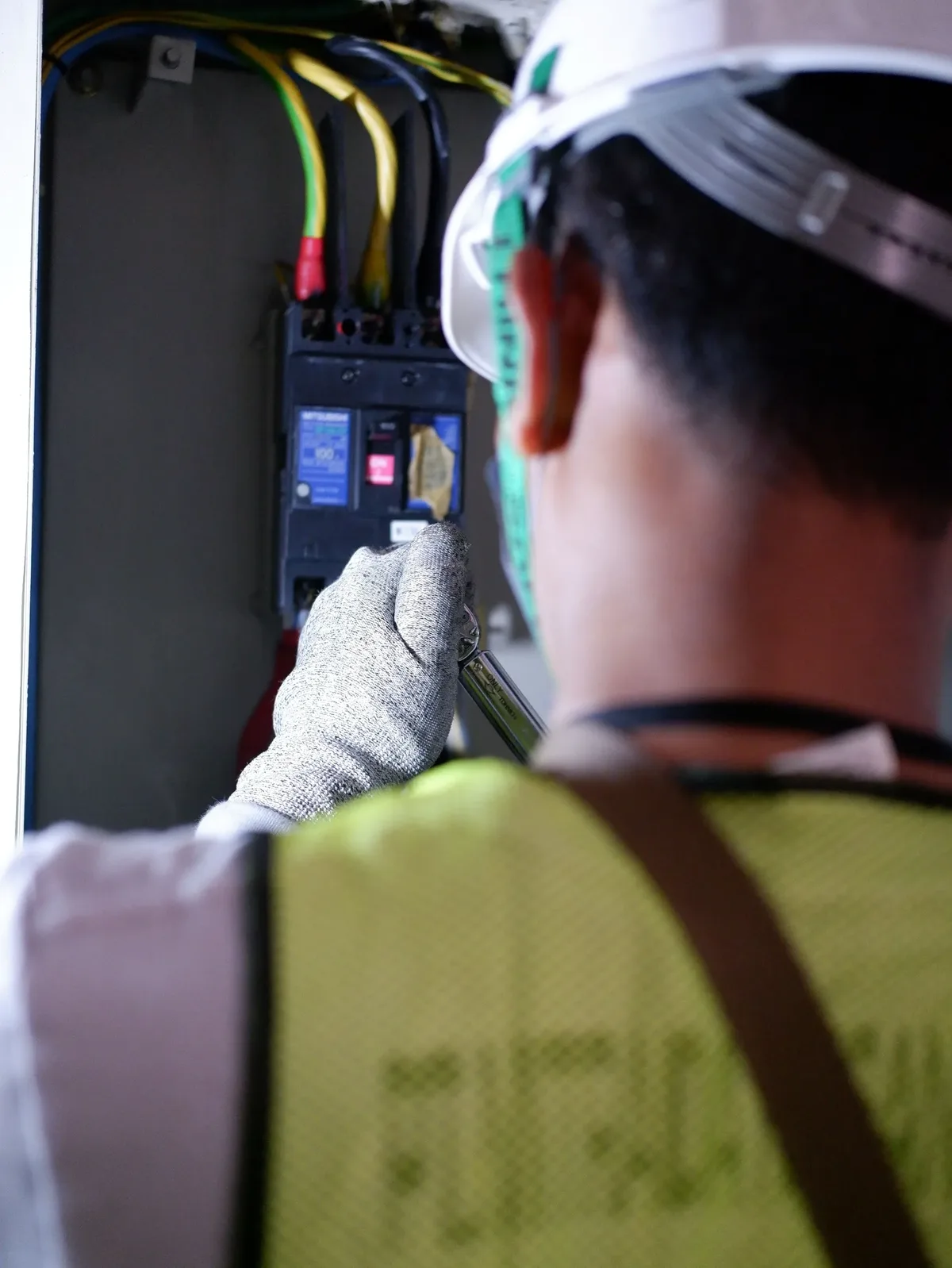
One breaker, or the whole panel?
When one breaker is not the fix, and what to tell us when you call
A single failed breaker is usually a single job, finished in one visit. Four situations turn it into a panel decision instead: several breakers acting up at once, a panel with no open slots left, a major load being added to the house, or a Federal Pacific panel Fort Pierce North home or a Zinsco panel Fort Pierce North home, where one more breaker is the wrong fix. A Federal Pacific Stab-Lok or Zinsco panel, a fuse box, or a bus bar that is pitted and overheated is not a one-breaker job: another breaker fitted onto failing equipment only moves the failure along, and the honest call is a panel replacement. Our Federal Pacific versus Zinsco guide explains why those two brands are replace-first, and our Federal Pacific replacement, Zinsco replacement, and fuse box replacement pages cover the work.
Circuit breaker replacement Fort Pierce North Fort Pierce is decided by what the breaker, the bus bar, and the load calculation show together, and the visit begins with testing, not with ordering a part. The factors behind the quote are the listed part for your panel, the state of the bus, the panel brand, and whether a dedicated circuit or panel work follows the swap, and your exact figure is held for the call. We answer around the clock, same-day visits are available, and the team is licensed and insured with 23 years of experience and Master Electrician Certification. Call (772) 218-3629 and tell us your street and ZIP, 34946, 34950, or 34982, which breaker trips, and what runs on it, or start at the Fort Pierce Electric Pros homepage and the Fort Pierce North area page.
Circuit Breaker Replacement in Fort Pierce North, Fort Pierce: frequently asked questions
What are the signs of a bad circuit breaker in a Fort Pierce North home?
Start at the handle. A toggle that feels loose or mushy, or will not click firmly on, has worn out inside. A breaker that trips with nothing running, trips again the moment it is reset, or runs warm to the touch is failing the same way. A buzz or crackle, scorch marks, a burning smell, or a GFCI or AFCI breaker that will not pass its test button all point the same way. One sign puts replacement on the radar, and two together mean do not wait.
My breaker will not reset. What should I do?
Unplug everything on that circuit and reset it once only. If it holds with nothing connected, plug things back one at a time until the trip returns. If it trips straight back, or refuses to stay in the on position, leave it off and call us with the panel brand and which breaker it is. Never tape the handle up or hold it on, and never fit a larger breaker. A burning smell or scorching around the breaker makes it an emergency, so leave the circuit off and call now.
How can I tell a faulty breaker from an overloaded circuit?
Watch when it trips, not just that it trips. A breaker that goes once when too much runs at once, then holds after a reset, protected the circuit exactly as designed. A breaker that goes on a normal load, will not stay on, or feels warm while it runs has failed itself. A breaker that goes every time one appliance starts is protecting a circuit that is too small for that appliance, and the answer is a circuit of its own. The visit runs this test before ordering any part.
Can I replace a circuit breaker myself?
No, and the reason is the testing, not the swap. Fitting the part takes minutes with the power off, but proving it takes the power on, with a meter on a live panel, and that is work for the electrician alone. The visit also checks the bus stab the new breaker will sit on, fits only the breaker listed for that panel, and corrects the directory card before leaving. Short job, skilled hands, and never a homeowner job.
Does a Federal Pacific or Zinsco panel change the fix?
Yes, and it changes the answer before anyone touches a breaker. Those panels, and any panel whose bus bar is pitted or scorched, cannot be fixed one breaker at a time, because the fault lives in the panel itself rather than in the part that tripped. Fitting a fresh breaker onto a failing bus only buys a short quiet spell before the same failure returns. The visit reads the panel brand first, and when it is one of those, the conversation turns to replacement.
What should I tell you when I call about a breaker in Fort Pierce North?
Your street and ZIP, 34946, 34950, or 34982, and whether the home is a lived-in repair or a pre-purchase check. Your panel brand and size, which breaker trips and what runs on that circuit, and whether it feels loose, warm, or smells of burning. Tell us if the trip follows the air conditioner, the charger, or the garage tools. With those answers, the call ends with a clear scope and a written price. Call (772) 218-3629, 24/7.
Ready to talk?