
Electrical Repair in Fort Pierce North, Fort Pierce
Electrical repair Fort Pierce North Fort Pierce starts with the load, not the breaker. For family homes in ZIPs 34946 and 34982, around Lakewood Park and St. Lucie Village, here is how the visit finds which load trips the breaker and what the panel can carry.
Call Now to Speak to a Specialist
Open 24 hours a day, 7 days a week.
Electrical repair Fort Pierce North Fort Pierce follows the load. The visit asks which load was running, when the breaker tripped, and what else was on — then checks the panel first, because the fix depends on what the panel can carry.
The northern load picture: air conditioning, garage, and a charger
Fort Pierce North homes run heavier household loads than the house was first wired for. Central air, a garage workshop, and now an EV charger on top — each one draws from the same panel, and the panel is where those loads meet. The Fort Pierce North area page sets out that picture: breakers that trip when the air conditioner and another big load run together, garages with too few circuits for tools and charging, and panels with no room left for the next addition.
The repair visit does not start at the charger, and it does not start at the air conditioner. It starts with the load list: what runs, what runs at the same time, and what the panel can carry. Our EV charger installation guide for Fort Pierce North covers the charger side of that question, and it starts from the same panel check — this post stays on the repair side: which load trips the breaker, when it trips, and what the panel check finds.
The same load-first triage runs in our other neighbourhood repair guides — Lakewood Park, Maravilla, White City, Downtown, Fort Pierce South, Hutchinson Island, Lincoln Park, South Beach, and St. Lucie Village — each one shaped by the loads its homes actually run.
Which load, and when it trips: the triage the visit runs
The visit's first question is always which load, and its second is always when. A breaker that trips at the same hour each day, with the same equipment running, is telling you about load. A breaker that trips the moment the air conditioner starts is a different story from one that trips after the system has run for an hour. And a breaker that only trips when the charger and the air conditioner run together is telling you about the total, not about either appliance on its own.
The pattern is the diagnosis, so the visit records it before touching the panel. What was running, what had just started, what else changed at the same moment — lights dimming, another breaker tripping, a garage tool stopping mid-cut. Our breaker keeps tripping guide separates the harmless causes from the warning signs, and our flickering lights guide covers the dimming pattern that points to load or a loose connection. The visit tests the pattern, not the guess.
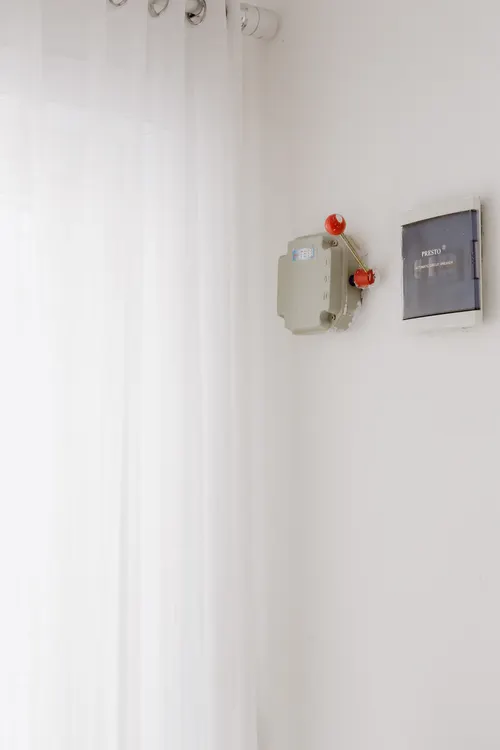
Breaker tripping at the same hour every day?
The panel check comes first
A panel check comes first, because the fix depends on what the panel can carry. The visit looks at the main breaker size, the spare breaker spaces, and the wiring feeding the panel, then runs a load calculation that adds up the real draws and compares them with the panel size. The answer is a number, not a guess — and it decides whether the new circuit fits as it is, needs room made, or needs a panel decision first.
That calculation is the same ground our EV charger panel capacity guide covers, and this post links to it rather than repeating it: the three outcomes are the same whether the new load is a charger, a workshop circuit, or a second air conditioner. Our 100 amp vs 200 amp service guide explains how the calculation settles the service size, and our electrical panel upgrade page covers the capacity question itself. A full panel is not a dead end — it is a decision with a number behind it.
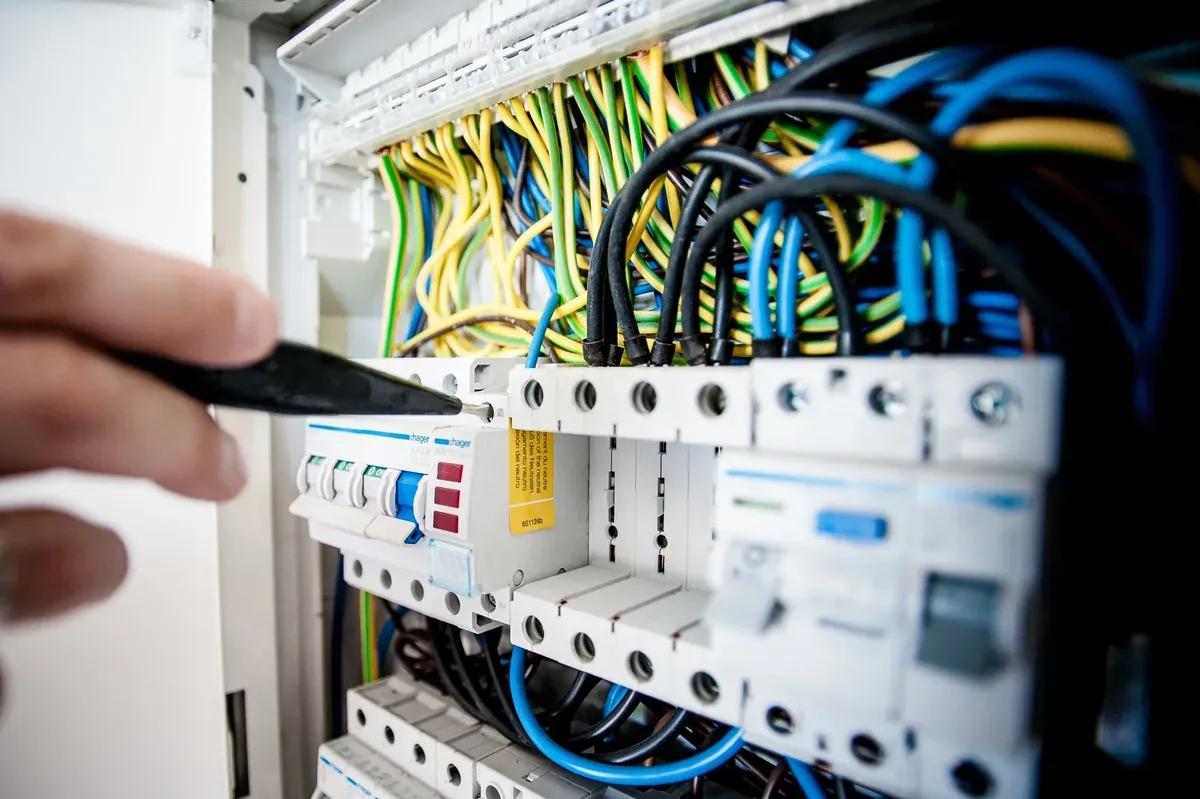
Panel full, or charger waiting on room?
Garage circuits: tools, charging, and too few circuits
The garage is where northern repair calls pile up. A workshop circuit that also feeds the garage lights, a freezer, and a charger is one tool away from tripping all day, and the trip usually lands at the worst moment — mid-cut, mid-charge, or both. The visit checks what the garage circuits actually feed, because the fix is often a circuit of its own for the tools, not a bigger breaker on a shared run.
A garage that keeps outgrowing its circuits usually needs a subpanel of its own, fed from the main panel, so the tools and the charger stop borrowing capacity from the house. Our subpanel installation page covers that work, and our appliance dedicated circuits guide covers why some loads need a circuit of their own. The visit checks the load calculation first, then sizes the answer to the garage — and the charger stays on its own dedicated circuit either way, as our EV charger installation service page sets out.
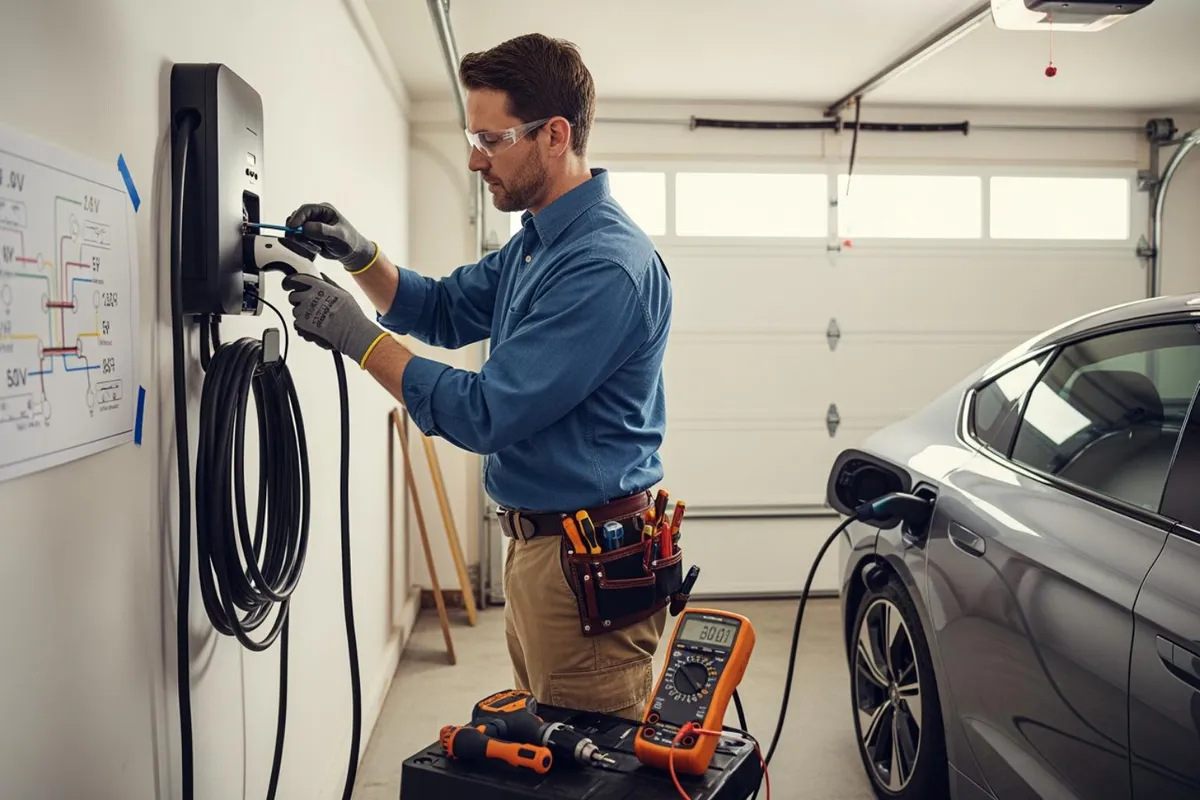
Garage tools and charger sharing one circuit?
Warm breakers, buzzing, and the signs that mean stop
Some signs end the triage and start the call. A breaker that feels warm, a panel door that is hot to the touch, a buzz or crackle from the panel, or a burning smell near an outlet or the panel are call-now signs, not monitor-it signs. Heat means resistance is building somewhere in the circuit, and a breaker that has stopped tripping when the circuit is clearly overloaded cannot protect the wiring. Our panel buzzing guide covers what each sound means, and our warm outlet guide covers what heat behind the wall means.
Do not keep resetting a breaker that trips straight back, and never fit a larger breaker to stop the trips: the wiring is sized for the original breaker, and a larger one lets the wire overheat before anything trips. Never open the panel yourself to look — the main lugs stay energised even when individual breakers are off, and the inspection is the electrician's job. If the fault is urgent, our emergency electrician service covers the call-out, and our emergency guide covers what counts as urgent.
What the fix looks like: a dedicated circuit, a subpanel, or an upgrade
Most northern repair visits end in one of three fixes. A dedicated circuit fits when one load is overloading a shared run and the panel has the room and the capacity for it. A subpanel fits when the main panel is sound but full, and the garage or the workshop needs room of its own. An upgrade fits when the load calculation shows the service itself is at its limit — and the calculation, not the slot count, decides which one.
The visit shows you the reasoning in plain words before any work starts, and the exact figure for your home is held for the call — our panel upgrade cost factors page covers the factors that move a panel quote, and our electrical panel repair guide covers the faults a repair can settle. A breaker that trips once and resets is usually an overload. A breaker that trips again as soon as it is reset, or feels warm, is a failing breaker or a loose connection — and that needs a visit, not another reset.
What to have ready when you call
Electrical repair Fort Pierce North Fort Pierce is settled by the load, the timing, and the panel check — in that order. The visit finds which load trips the breaker, when it trips, and what the panel can carry, then fixes the cause instead of swapping parts and hoping. A tripping breaker, a dead outlet, and a flickering light can each have several causes, and the right fix depends on which one the testing finds.
Bring your street and your ZIP, 34946 or 34982, what trips and when it happens, and whether anything feels warm, smells of burning, or buzzes. Tell us whether you are adding an EV charger or a workshop, whether the fault is in the garage or the house, and whether the panel is Federal Pacific, Zinsco, or a fuse box if you know. Call (772) 218-3629 any time; we are open 24/7, and same-day service is available. Our Fort Pierce North area page covers the work we do in the northern suburbs, and the Fort Pierce Electric Pros homepage covers everything else we do in Fort Pierce.
Electrical Repair Fort Pierce North Fort Pierce | 24/7: frequently asked questions
Why does my breaker trip when the air conditioner and the EV charger run together?
The two loads add up. An air conditioner and a Level 2 charger are both heavy draws, and when they run together they can push a panel past what it can carry — even when each is fine alone. The visit runs a load calculation that totals the real draws and compares them with the panel size, then names the fix: a dedicated circuit, a subpanel for the garage, or a panel upgrade. The calculation decides, not the slot count.
The breaker trips at the same time every day. What does that mean?
A pattern that repeats at the same hour is telling you about load, not about chance. Note what was running when it tripped — the air conditioner starting, the charger running, a garage tool, the dryer — and what else changed at the same moment, like lights dimming. Tell us that pattern when you call, and the visit arrives already knowing where to test first. A fault that follows the clock is the easiest kind to find.
Can I just charge the car at night instead of upgrading the panel?
Sometimes, and the visit checks whether it works for your home. Charging at night helps when the air conditioner is off and the panel has room overnight — but it does not help when the panel is already full, or when the household still needs the charger and the cooling at the same time. Our EV charger guide for Fort Pierce North covers smart scheduling and load management, and the visit applies that ground to your panel.
My garage has too few circuits for tools and charging. What are my options?
A garage that keeps outgrowing its circuits usually needs a subpanel, fed from the main panel, so the tools and the charger stop borrowing capacity from the house. A single overloaded run may only need a dedicated circuit for the tools, and the visit checks the load calculation first to tell the two apart. Either way, the charger stays on its own dedicated circuit, the workshop stops sharing with the house, and the trips stop with it.
The breaker feels warm. Should I keep using the circuit?
No. Stop using the circuit, switch the breaker off if you can do so safely, and call. A warm breaker means heat is building at the connection, usually a loose wire or a worn breaker, and heat is what starts fires. Do not keep resetting it, and never fit a larger breaker to stop the trips — the wiring is sized for the original breaker, and a larger one lets the wire overheat before anything trips.
What should I tell you when I call about a repair in Fort Pierce North?
Your street and ZIP, 34946 or 34982, what trips and when it happens, and whether anything feels warm, smells of burning, or buzzes. Tell us whether you are adding an EV charger or a workshop, whether the fault is in the garage or the house, and whether the panel is Federal Pacific, Zinsco, or a fuse box if you know. With those answers, the call ends with a clear scope, and your exact figure is held for the call.
Ready to talk?