
Electrical Repair in Fort Pierce South, Fort Pierce
Electrical repair Fort Pierce South Fort Pierce homes need starts with one of a few signs: a breaker that keeps tripping, lights that flicker when the AC starts, or a warm outlet. In established and pool homes, ZIP 34947 and 34950, the visit traces the circuit before anything is replaced.
Call Now to Speak to a Specialist
Open 24 hours a day, 7 days a week.
Electrical repair Fort Pierce South Fort Pierce jobs start the same way: a fault gives a warning first — a trip, a flicker, a smell — and the warning tells the electrician where to look. This guide covers the signs that matter, what to note before you call, and how the visit decides between repair and replacement.
The warning signs, and what each one means
A breaker that trips again and again, especially when the same appliance runs, points to an overloaded circuit, a failing breaker, or a fault on that circuit. Lights that flicker or dim when the air conditioner starts point to a voltage dip — the AC’s starting surge pulling the circuit down — or a loose connection that needs finding. A warm outlet or switch cover, or a warm panel cover, means heat where there should be none: a loose or corroded connection, or a breaker carrying more than it should.
A burning smell or scorch marks near an outlet, a switch, or the panel are the signs to act on the same day: stop using that circuit and call. Buzzing, crackling, or sizzling sounds mean arcing — electricity jumping a gap it should not cross. Dead outlets or dead lights in one area of the home point to one circuit, not the whole house. And a breaker that will not reset, or feels loose or damaged, may itself have failed — a breaker that cannot trip is the most dangerous failure of all, because it stops protecting the circuit.
What to note before you call
Four facts make the call shorter and the visit faster. Which breaker trips — the number on the panel directory, or the room it serves. What was running when it happened — the AC, the pool pump, the dryer, a space heater. Whether it is one room or the whole house — one room points to one circuit, the whole house points to the service or the panel. And whether the problem repeats — once after a storm is different from every evening at the same hour.
Note the smell and the sounds too, and where they come from: an outlet, a switch, the panel, or a light fitting. If you can, note when it started — after a storm, after a new appliance, after work on the house. You do not need to open the panel or remove its cover to gather any of this; everything worth noting is visible from outside it.
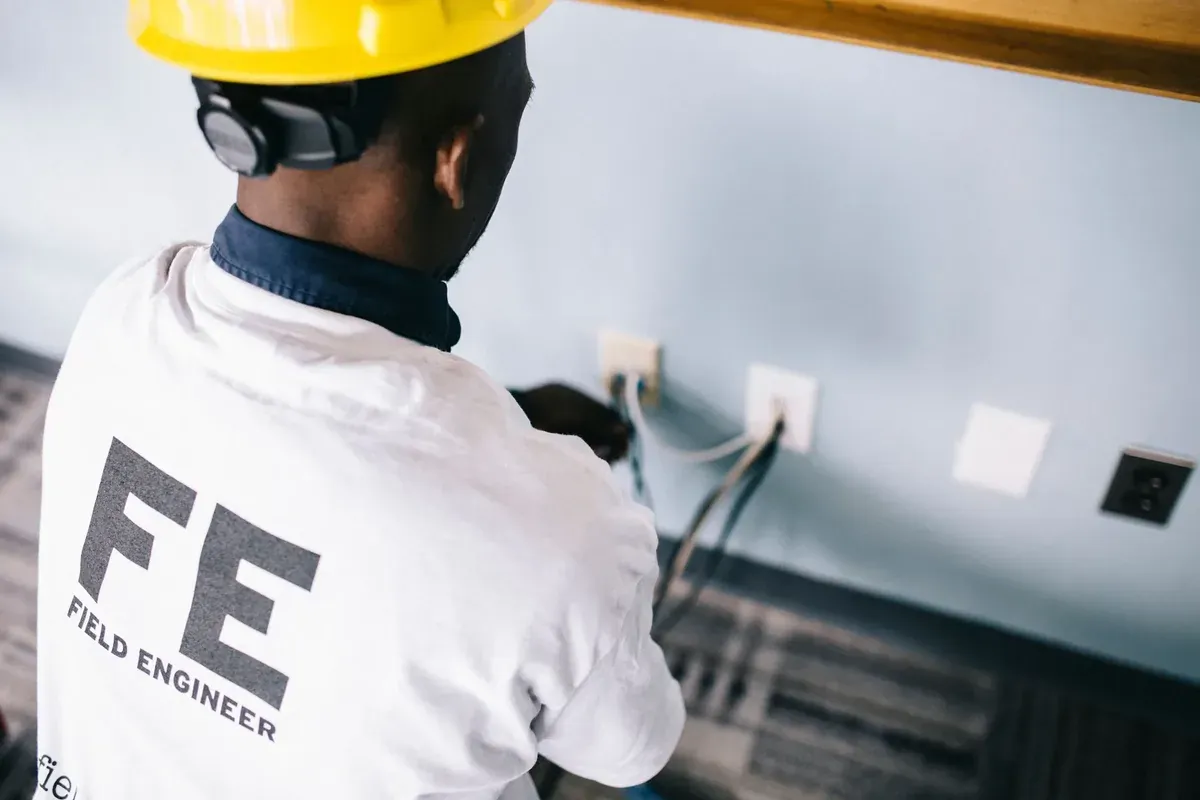
Breaker tripping again, or a smell you cannot place?
How the visit finds the fault
The visit traces the circuit to find the fault, and the fault is usually one of five things: an overloaded circuit carrying more than it was built for; a breaker that has failed and trips under normal load, or will not trip at all; a loose or corroded connection heating up behind an outlet, a switch, or in the panel; a damaged cable, nicked or chewed or worn through; or moisture in outdoor wiring, which Fort Pierce South sees after summer storms and around pool equipment.
Tracing means testing, not guessing: the electrician checks the load on the circuit, the condition of the breaker and its connections, and the wiring between the panel and the fault. Salt air matters here — corrosion builds up on connections in coastal homes, and a connection that was sound five years ago can be the fault today. Our electrical panel repair guide explains which panel faults are repaired and which mean replacement, and our circuit breaker replacement guide covers the signs that the breaker itself has failed.
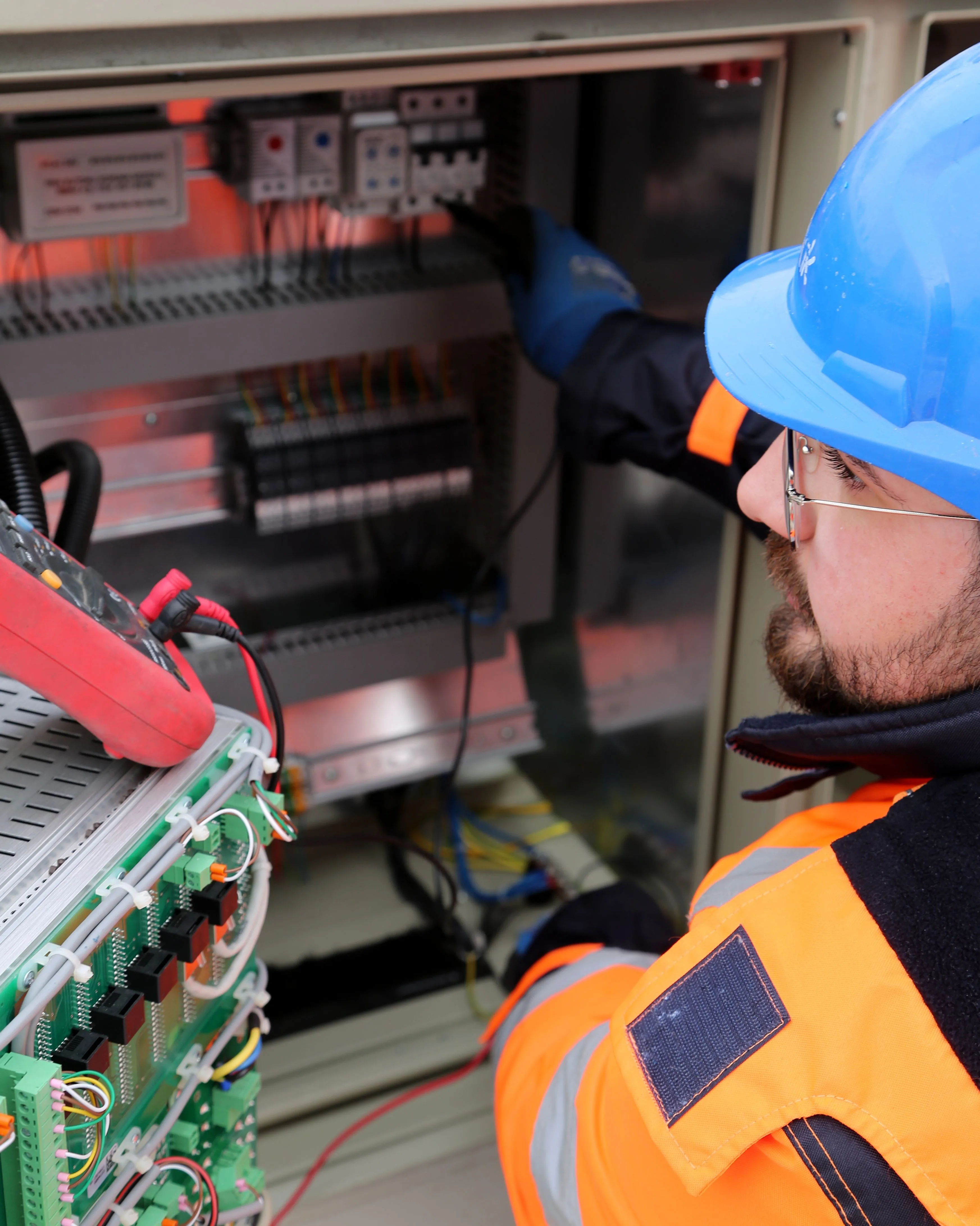
Repair or replacement: how the visit decides
The decision is a simple one, and the visit makes it on what the fault is, not on what is easiest to sell. Repair fits a localized, serviceable fault: one bad breaker, one loose connection, one damaged cable on one circuit. The circuit is fixed, tested, and left in service. Electrical repair Fort Pierce South Fort Pierce homes most often need is this kind — a single fault, found and fixed.
Replacement or an upgrade fits equipment that is unsafe, obsolete, damaged, or capacity-limited. A Federal Pacific Stab-Lok or Zinsco panel, burn marks or heat in the panel, corrosion through the bus bars, or a panel with no room for the circuits the home needs — those are replacement findings, not repair findings. A panel that cannot carry the home’s loads safely is not fixed by swapping one breaker. Our Federal Pacific vs Zinsco guide explains how to spot each panel brand, our panel upgrade page covers what a service upgrade involves, and our breaker keeps tripping guide and flickering lights when the AC turns on guide cover the two most common symptoms in depth.
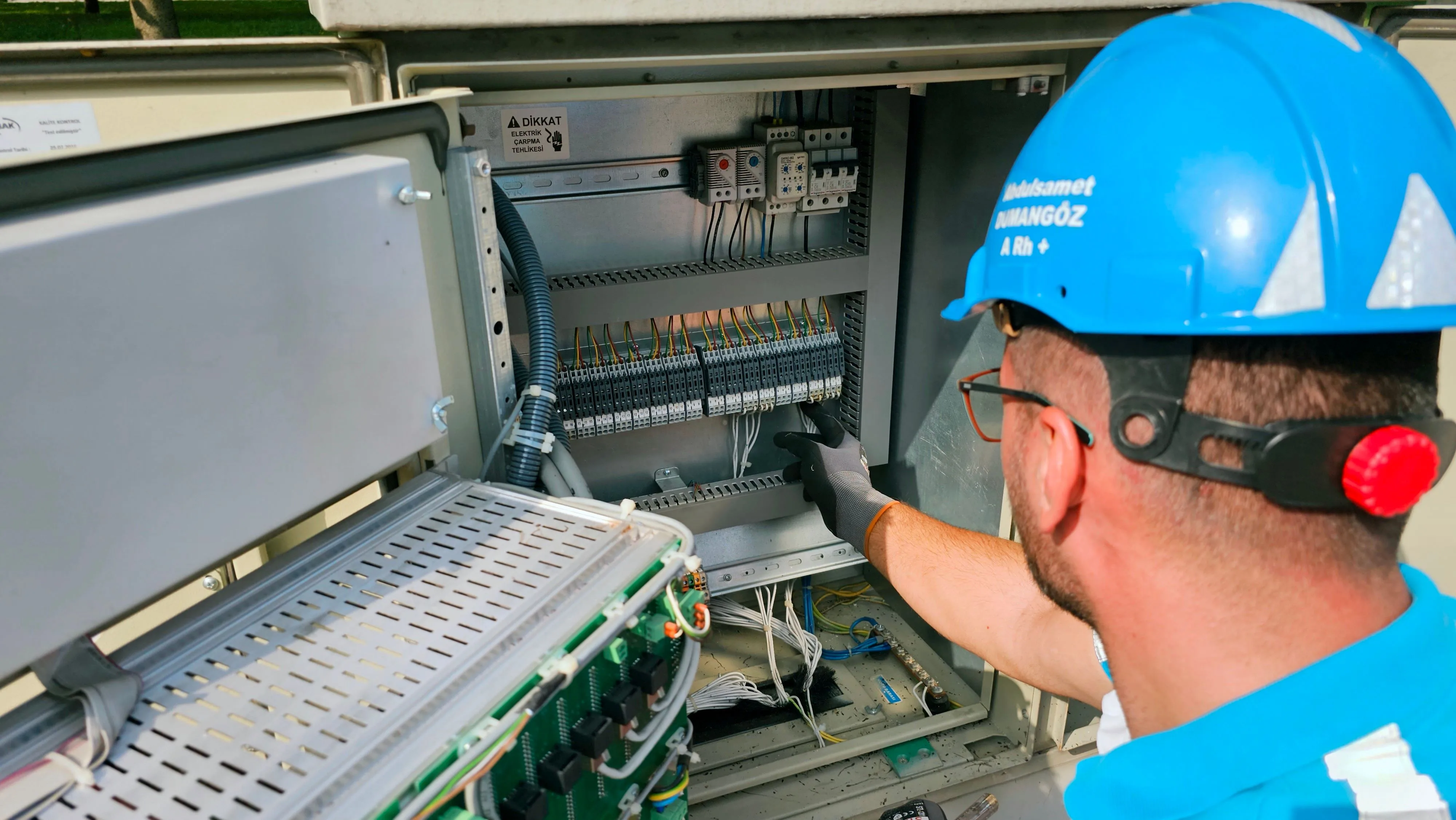
Not sure whether it is a repair or a replacement?
Fort Pierce South homes: what the visit usually finds
Fort Pierce South is established homes and pool homes, and the visit usually finds the faults that come with both: pool and spa circuits that have spent years in salt air and summer storms, outdoor wiring that has taken storm water, and panels that have grown by addition — a circuit here, a circuit there — until there is no room left for the next one. The same family of posts covers electrical repair in Downtown Fort Pierce and electrical repair in Lincoln Park — same faults, different neighbourhoods.
None of that is a diagnosis of your home. The specifics of any house — its panel brand, its service size, its pool equipment, its wiring age — are questions the visit confirms on the call, not facts this guide can state. What the guide can say is where the visit looks first: the pool and outdoor circuits, the panel, and the circuits that carry the heaviest loads. See the Fort Pierce South area page for the neighbourhood’s coverage, and for shops and offices in the area, our commercial electrical repair guide covers business premises.
What the visit covers, and what it costs
The visit runs in an order: the notes you made before the call, the fault traced to its circuit, the repair or the replacement decision, and the work itself — a breaker swapped, a connection remade, a cable replaced, or a panel scoped for replacement. The permit and inspection route is confirmed on the call for the exact job: a panel replacement usually needs a permit and an inspection, and the visit confirms which office and which steps apply to the address.
Cost is cost factors, not a price: the fault’s location, the part that failed, the panel’s condition, and whether the answer is one circuit or the whole panel. No single Fort Pierce figure fits every home, so the honest answer is the factors and a call. The visit ends with a written price for the job as scoped, and the exact figure is confirmed on the call. Our electrical repair service page covers the service itself, and our emergency electrician page covers same-day calls when the fault cannot wait.
Electrical Repair in Fort Pierce South, Fort Pierce: frequently asked questions
Why does my breaker keep tripping in Fort Pierce South?
For electrical repair Fort Pierce South Fort Pierce calls, the cause is usually an overloaded circuit, a failing breaker, or a loose or corroded connection on that circuit. Note which breaker trips and what was running when it happened, then call — a breaker that trips again and again is a fault to find, not a nuisance to live with. Call (772) 218-3629, 24/7.
Is a warm outlet or a burning smell an emergency?
A burning smell, sparking, or scorch marks mean a same-day call: stop using that circuit and call now. A warm outlet or switch cover also needs a visit soon — heat where there should be none means a loose or corroded connection. Do not open the panel or remove its cover.
When is an electrical repair enough, and when is a panel replacement needed?
Repair fits a localized, serviceable fault — one bad breaker, one loose connection, one circuit. Replacement fits equipment that is unsafe, obsolete, damaged, or capacity-limited: Federal Pacific or Zinsco panels, burn marks, heat, corrosion, or no room for the circuits the home needs. The visit decides on what it finds.
Should I keep resetting a breaker that trips?
No. One reset after a trip is reasonable; repeated resets are not — each reset re-energizes the fault. If the breaker trips again, or will not reset at all, leave it and call. Never fit a higher-rated breaker to stop tripping.
What should I note before I call about an electrical fault?
Which breaker trips, what was running when it happened, whether it is one room or the whole house, and whether the problem repeats. Note any smell or sound and where it comes from. Everything worth noting is visible without opening the panel.
How much does electrical repair cost in Fort Pierce South?
The price moves on the fault’s location, the part that failed, the panel’s condition, and whether the answer is one circuit or the whole panel. Exact price is confirmed on the call — the visit ends with a written price for the job as scoped. Call (772) 218-3629, 24/7.
Ready to talk?