
Electrical Repair in Lincoln Park, Fort Pierce
Electrical repair Lincoln Park Fort Pierce starts with the older homes around Avenue D and Orange Avenue, ZIPs 34945 and 34950. This guide explains the faults Lincoln Park homes show most, what the visit checks first, and when to call now instead of waiting.
Call Now to Speak to a Specialist
Open 24 hours a day, 7 days a week.
Electrical repair Lincoln Park Fort Pierce is usually a fault in an older home: a breaker that trips, an outlet that dies, or lights that flicker when the air conditioning starts. The visit finds the fault, makes it safe, and fixes what can be fixed that day. Call (772) 218-3629 and describe the fault.
The faults Lincoln Park homes show most
Lincoln Park is one of Fort Pierce's historic neighbourhoods, and its homes were wired to the standards of their time, which means electrical repair Lincoln Park Fort Pierce usually starts with a fault that has been building quietly for years. The common ones are a breaker that trips when the air conditioning starts, an outlet that dies without warning, lights that flicker in one room, and a switch or outlet that feels warm or buzzes when it is touched.
Older wiring hides its history inside walls and panels, so a fault in a Lincoln Park home is rarely just the device you can see. A dead outlet can be a loose connection behind it, a tripping breaker can be a circuit that has been outgrown by the loads on it, and flickering lights can be a loose connection that needs finding before it becomes a fire risk. That is why the visit starts with an inspection, not with a replacement part.
Some older homes still carry wiring types that insurers and inspectors flag, such as knob-and-tube wiring, and some carry panels from brands that insurers have questions about. Neither is a verdict on its own, and neither is fixed by guessing. The visit finds what is actually in the home, and the written estimate follows from what is found, not from what the house looks like from the street.
What the visit checks first
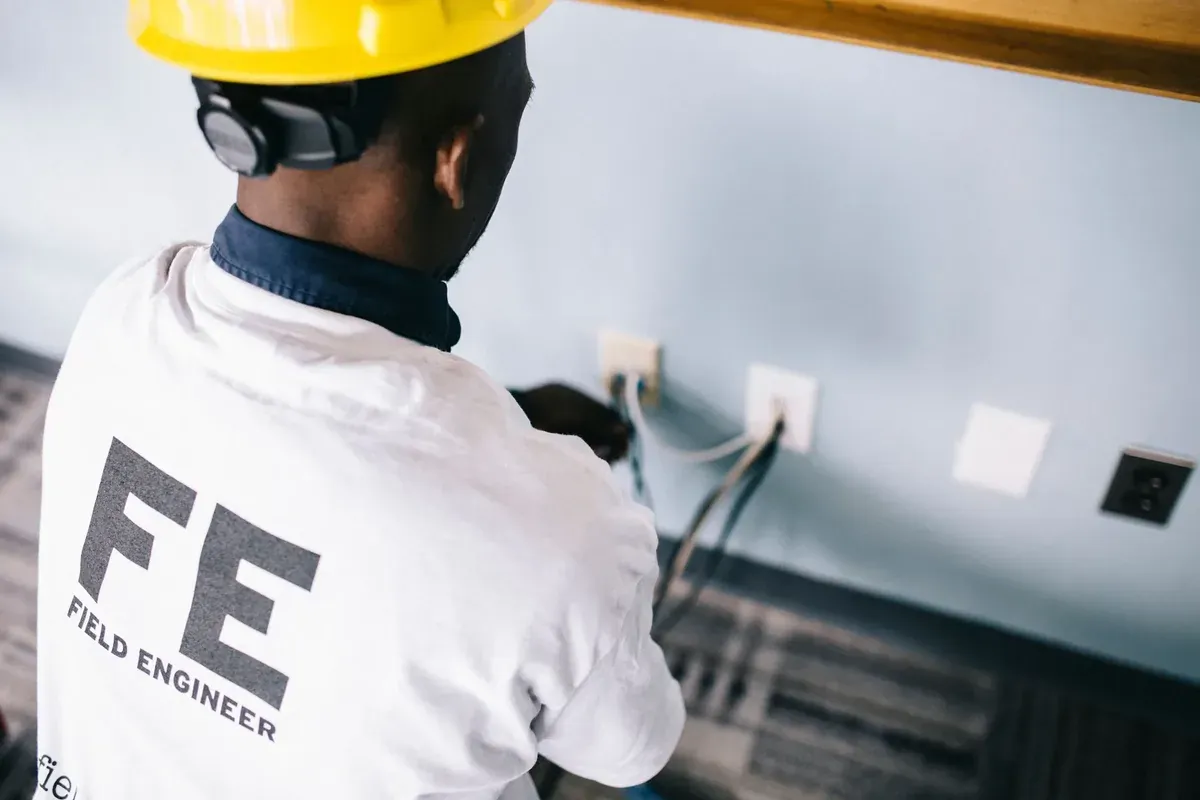
Every electrical repair Lincoln Park Fort Pierce visit starts the same way: with questions, then with the panel. What happened, when it started, which rooms or circuits are affected, and what still works. Those answers decide what the electrician checks first, and they matter more in an older home, because the fault is often in a place nobody has looked at in years.
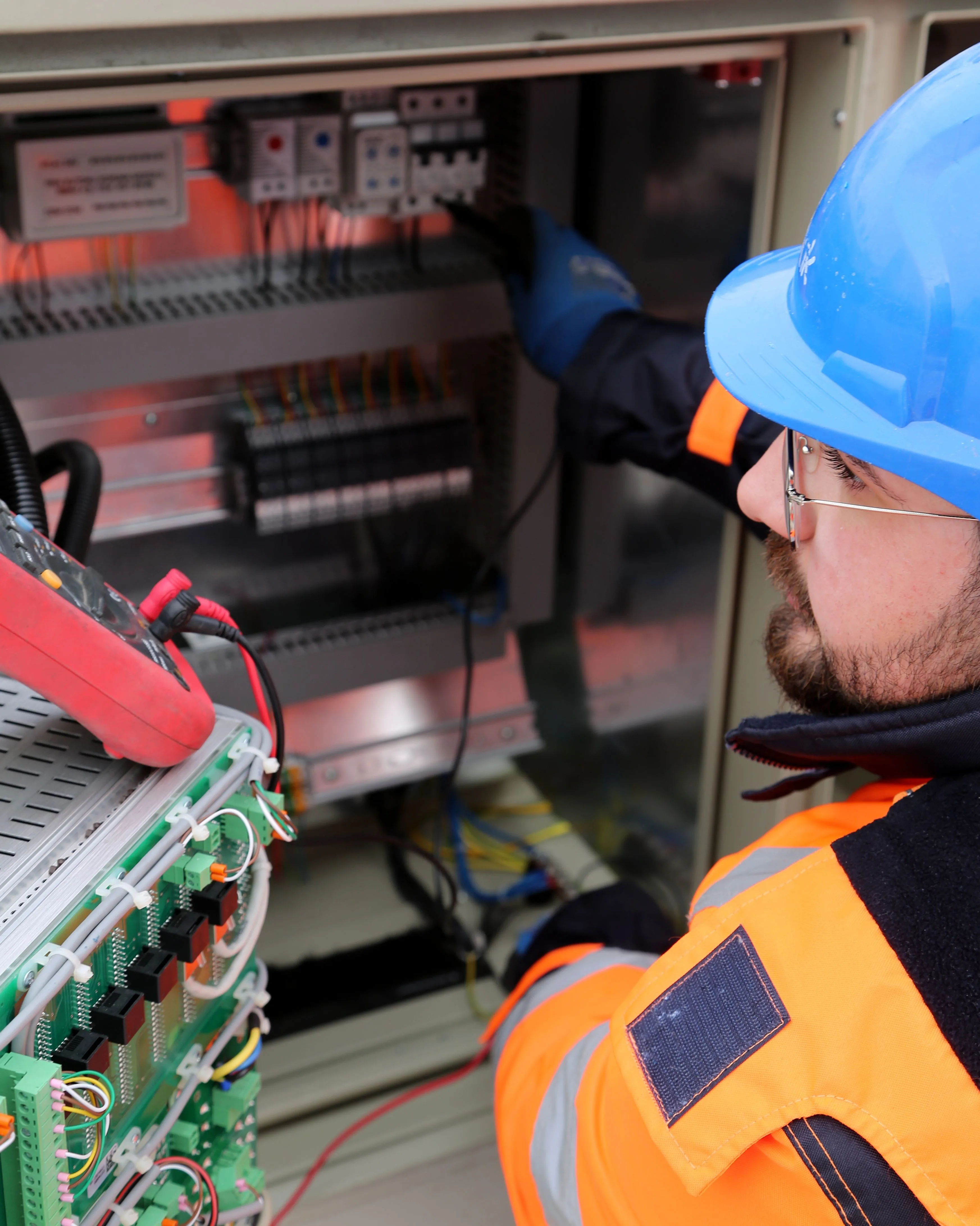
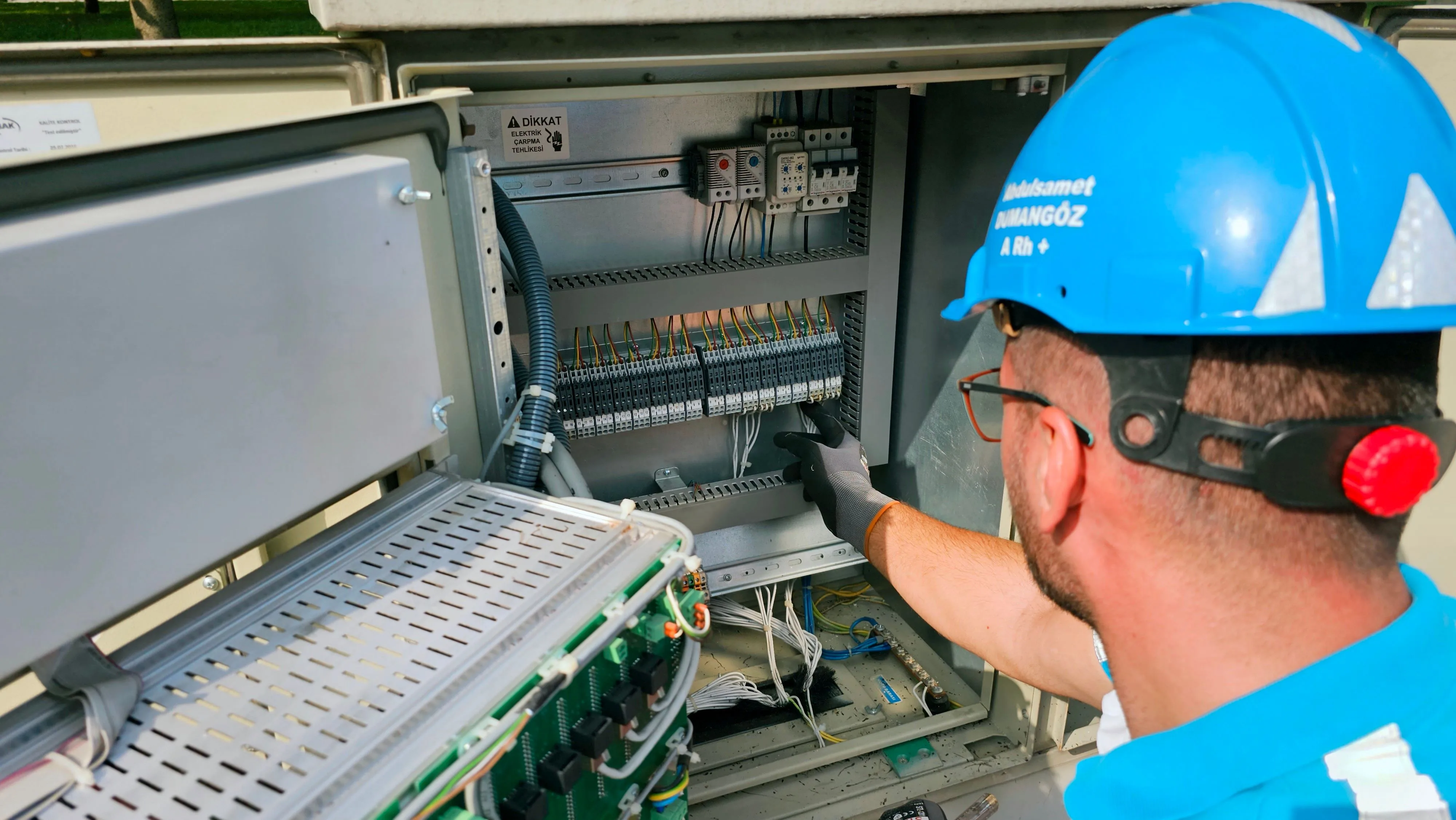
At the panel the electrician checks the main breaker, the circuit that serves the fault, and the condition of the panel itself: whether it is full, whether any breaker is warm or damaged, and whether the panel brand or age changes the scope. The affected circuit is then traced, outlet by outlet and fitting by fitting, until the fault is found. A loose connection, a damaged cable, or a failed device each leaves different signs, and the visit reads them before anything is replaced.
The visit ends with a clear note of what was found and what follows: what was fixed on the day, what was made safe, and what needs a return visit. The full repair is quoted in writing, with the scope and the materials itemised, so you can see what the price covers. Our electrical repair page explains the same visit in full, for any Fort Pierce home.
A breaker that trips, an outlet that died, or lights that flicker?
Breakers that trip, and when to stop resetting
A breaker trips because something on its circuit drew more current than the breaker allows, and the first question is always why. An overload, where too much is running at once, is the common cause, and a breaker that trips once after an overload and resets cleanly is doing its job. A short circuit or a ground fault is a different matter, and a breaker that trips the instant it is reset, or trips again under a normal load, is telling you the fault is still there.
The rule for a homeowner is short: reset once, and if it trips again, stop resetting and call. A breaker that is reset again and again can mask a fault that is getting worse, and a breaker that runs warm on a normal load is a breaker that needs checking, not resetting. Our breaker keeps tripping guide explains each cause and when to stop resetting.
In an older Lincoln Park home there is one extra question, which is whether the circuit has been outgrown. A circuit that trips every time the same large appliance starts may not have a bad breaker at all: the circuit may simply be carrying more than it was built for. That is a panel and load question, not a breaker question, and it is answered by a load calculation on the visit, not by fitting a bigger breaker, which would be a fire risk.
Dead outlets and GFCI resets: what is safe to try
A dead outlet in a Lincoln Park home is often a tripped GFCI, and a GFCI can be reset safely from the outlet itself. The reset button is on the outlet, usually in a kitchen, bathroom, or outdoor location, and a reset that holds means the protection did its job. If the reset will not hold, or the outlet stays dead after a reset, the fault is further along the circuit, and that is where the homeowner stops and the electrician starts.
What not to do is as important as what to do. Do not open an outlet or a switch to look inside, do not keep pressing reset on a GFCI that will not hold, and do not use an outlet that is warm, buzzing, or smells of burning. Those are the signs that the fault is in the wiring, not in the device, and a device swap will not fix it. Our outlet not working and GFCI reset guide walks through the safe reset steps and the point at which to call.
Outlets in older homes also show their age in simpler ways: a plug that falls out, a faceplate that is cracked, or an outlet with no earth where a modern one should have it. Those are all worth mentioning on the call, because they change what the visit brings and how long it takes. A visit that knows about the loose outlet in the spare room as well as the dead one in the kitchen is a visit that fixes both.
A breaker that trips, an outlet that died, or lights that flicker?
Flickering lights: when it is normal and when it is not
Not all flicker is a fault. Lights that dim briefly when the air conditioning starts are usually a voltage dip at startup, and a short, regular dip is the normal sign of a large motor starting. The flicker that matters is the one that is new, that happens in one room only, or that comes with a buzz, a smell, or a breaker that trips. That flicker is a loose connection until proven otherwise.
A loose connection is the fault a flicker most often points to, and it is also the fault that should not wait. A connection that is loose arcs, and arcing makes heat, and heat is what turns a flicker into a fire risk. The visit traces the flicker to its source, which can be a fitting, a switch, a junction, or the panel, and makes it safe before anything else. Our flickering lights guide explains which patterns are normal and which point to a loose connection.
If the flicker is across the whole house rather than one room, say so on the call, because that changes the check. A house-wide flicker can be a panel question or a supply question, and the visit will say which it is. Either way, the answer comes from checking, not from living with it.
When repair is enough, and when the panel decides
Most electrical repairs in Lincoln Park are repairs: a failed device replaced, a loose connection made good, a circuit traced and fixed. The visit fixes what can be fixed that day, and the home goes back to normal. But some visits find something bigger, and the honest answer then is that the panel, not the device, is the problem.
A panel decides the scope when it is full, when its breakers are no longer made, when it is a brand that insurers flag, or when its condition means a repair would not last. Federal Pacific and Zinsco panels are the two names that come up most, and both change the scope from a repair to a replacement conversation. Our electrical panel repair guide explains which panel faults are repaired and which findings mean replacement or upgrade instead.
That conversation is not a sales pitch, and it is not made on the doorstep. The visit ends with the fault made safe, the findings written down, and a written, itemised estimate for whatever follows, so the decision is made with the facts in front of you. Exact price is confirmed on the call and the visit, never guessed in advance.
What to have ready when you call
A repair visit in Lincoln Park goes faster when five things are ready. Your street, so the visit is booked for the right home. The age of the home, if you know it, because an older home changes what the visit brings. What the panel looks like, if you can describe it without opening anything: its brand if it is marked, whether it looks full, and whether anything on it is warm or buzzing. Which rooms or circuits are affected, and what still works. And what the fault does: trips a breaker, flickers, smells, or stays dead.
Those answers turn a call into a visit that starts with the right check, instead of a visit that starts by searching for the problem. If the panel is outside, say so on the call, and say whether it can be reached safely. If the fault is in a room that is dark, say so too. The electrician brings light and tools, but a call that mentions the dark corners is a call that ends with a visit prepared for them.
Call (772) 218-3629 and describe the fault and your street, and we will confirm the next visit we can offer. The Lincoln Park area page shows the neighbourhood this guide covers, and the electrical repair service page explains the visit itself.
Electrical Repair in Lincoln Park, Fort Pierce: frequently asked questions
How fast can an electrician reach Lincoln Park in Fort Pierce?
We take calls around the clock, every day of the week, and same-day service is offered. The exact timing is confirmed on the call, because it depends on the day's visits, and we do not promise a response time in minutes. Call (772) 218-3629, describe the fault, and the call ends with the next visit we can offer for your job.
What does electrical repair cost in Lincoln Park?
Exact price is confirmed on the call and the visit, in a written, itemised estimate. What moves the quote is the fault found, the parts needed, and whether the panel or wiring changes the scope. A failed device is a different job from a wiring fault traced through a wall, and the visit prices what it finds, not what it guesses.
Why does my breaker keep tripping in Lincoln Park?
Usually an overload, a short circuit, or a worn breaker, and the visit finds which one. A breaker that trips once after an overload and resets cleanly is doing its job. A breaker that trips the instant it is reset, or trips under a normal load, is telling you the fault is still there. Reset once, then stop resetting and call.
Can I reset a GFCI outlet myself?
Yes, a GFCI can be reset safely from the outlet itself, and a reset that holds means the protection did its job. If the reset will not hold, or the outlet stays dead after a reset, stop and call, because the fault is further along the circuit. Do not open the outlet, and do not use an outlet that is warm, buzzing, or smells of burning.
Are flickering lights dangerous?
A brief dim when the air conditioning starts is usually normal, but flicker that is new, in one room only, or comes with a buzz, a smell, or a tripping breaker can mean a loose connection, and a loose connection arcs and makes heat. If the flicker is new or comes with any of those signs, call and describe it, and the visit will trace it to its source.
Do older Lincoln Park homes need rewiring?
Not necessarily, and the answer comes from an inspection, not from the age of the house. Many older homes need a repair, a panel decision, or a targeted rewire of one circuit, not a whole-house rewire. The visit checks the panel, the wiring type, and the faults found, and the written estimate follows from what is actually in the home.
Ready to talk?