
Electrical Repair in Waterstone, Fort Pierce
Electrical repair Waterstone Fort Pierce homes need is usually a newer-home fault, not old wiring: a breaker that trips under load, a dead outlet, or lights that flicker, in a subdivision home off Midway Road, in ZIP 34951 or 34950 — call and tell us the symptom.
Call Now to Speak to a Specialist
Open 24 hours a day, 7 days a week.
Waterstone is a newer subdivision in southwest Fort Pierce, so the faults here are newer-home faults: a panel short of spare capacity, a circuit that trips when the air conditioning starts, a GFCI that will not reset. Electrical repair Waterstone Fort Pierce homeowners call about starts with the panel, and this guide explains what the visit checks first.
What Waterstone repair visits usually find
The Waterstone area page says it plainly: this is a newer subdivision, so the issues are newer-home issues rather than old-wiring issues. The calls we get from Waterstone are about panel capacity for an EV charger and a growing household, whole-home surge protection for subdivision homes, generator readiness, and lighting and smart-home wiring planned room by room. The repair calls follow the same pattern: a breaker that trips when the air conditioning starts beside the dryer, a dead outlet in a room that worked last week, lights that dim or flicker when a large load starts.
None of that points to failing wiring. It points to a system that has gained loads faster than its circuits were planned for — a charger one year, a bigger cooling load the next, a workshop circuit after that. Waterstone homes tend to gain loads over time rather than all at once, and each new load asks the same question of the panel: is there room, and is there capacity? The visit answers that question with a load calculation, not a guess, and the repair follows from the answer.
The panel-capacity check comes first
Most Waterstone jobs begin with one question: can the panel carry the new load? A newer panel is usually in good condition — the question is whether it has room for the next circuit and enough total capacity to run everything at once. The visit looks at the panel label, counts the spaces in use, adds up the loads already served, and works out what the new circuit adds. That is a load calculation in plain terms: the panel, the circuits, and the loads, set against each other.
If the numbers fit, the job stays a circuit job. If they do not, the real options are load management, a subpanel, or a full panel upgrade, and the visit explains what each one changes before anything is fitted. A charger fitted to a full panel will trip, and a panel replaced for no reason wastes your money — so the capacity check is the part of the visit that saves the rest of it. Our panel upgrade service covers the upgrade route, and the 100-amp versus 200-amp guide explains how service size is decided.
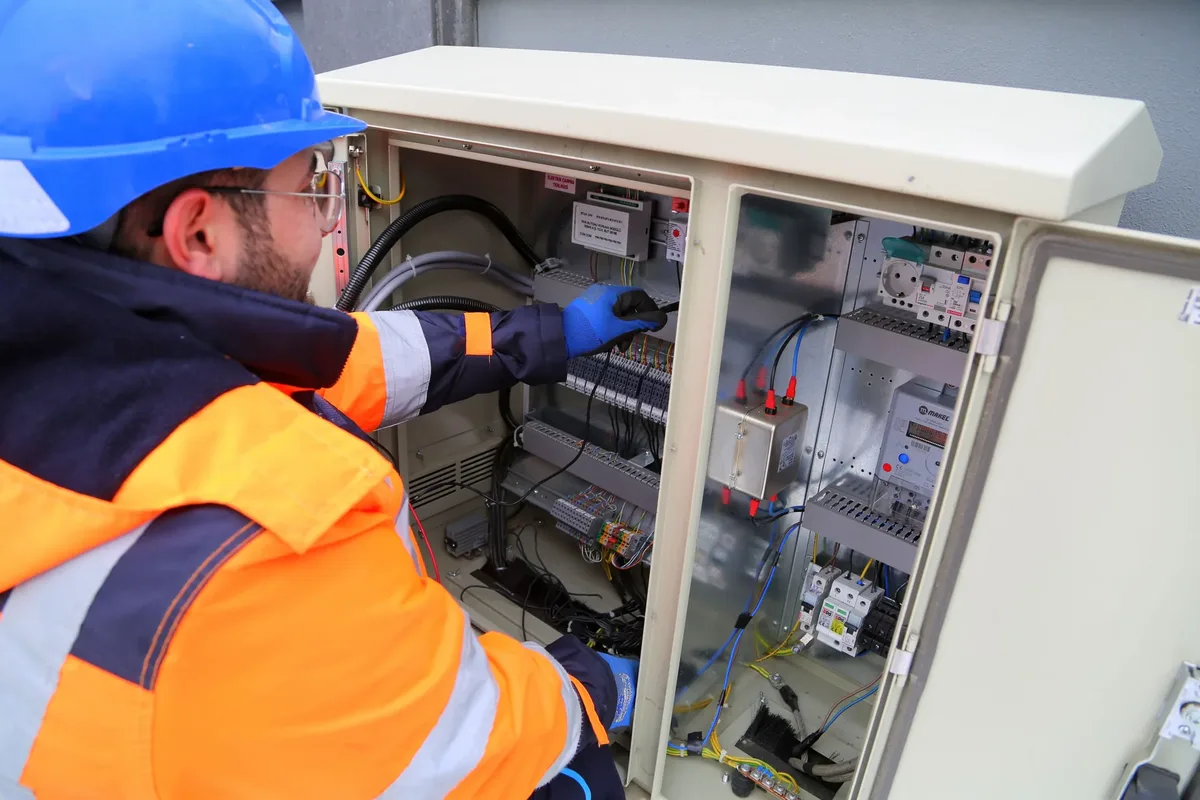
Breaker tripping under load in Waterstone?
Tripping, flicker, dead outlet: what each one means
A breaker that trips when the air conditioning starts is usually an overload: the circuit is carrying more than it was built for at the moment the compressor draws its starting surge. Lights that dim for a second when the air conditioning starts are often the same story — a brief voltage dip at startup — while lights that flicker at random point to a loose connection instead. A dead outlet is usually one of three things: a GFCI that has tripped and needs a reset, a breaker that has tripped on that circuit, or a connection that has failed inside the box.
The visit tells them apart by testing rather than by guessing. A guide can narrow the cause, but the meter settles it: the load on the circuit, the condition of the breaker, and the state of the connections. Our breaker-tripping guide explains what each kind of trip looks like and when to stop resetting, our flickering-lights guide covers the voltage-dip question, and our dead-outlet guide walks through the safe GFCI reset steps — all three end at the same place: a fault that repeats is a visit, not a reset.
Repair or replace: how the visit decides
Most Waterstone repairs end in a repair: the outlet is replaced, the connections are remade properly, the breaker is swapped for one that holds, and the circuit is tested before the visit ends. A circuit that keeps overheating because it carries more than it was built for needs the load split across more circuits, not a new outlet. A panel with a damaged bus, or a panel that is simply full, needs the panel conversation rather than another device swap — and wiring that fails outlet after outlet, room after room, points toward a bigger answer than a single repair.
The visit is honest about which it is. A repair that will run warm again in a month is not a repair, and a panel that has no spare spaces is not fixed by fitting a device that needs one. Electrical repair Waterstone Fort Pierce homeowners book is priced the same way it is decided: exact price is confirmed on the call, after the symptom and the panel are described, so the visit arrives with the right scope. The electrical panel repair guide covers the panel-fault side, and the wiring repair guide explains how a fault is traced when the problem is in the circuit rather than the device.
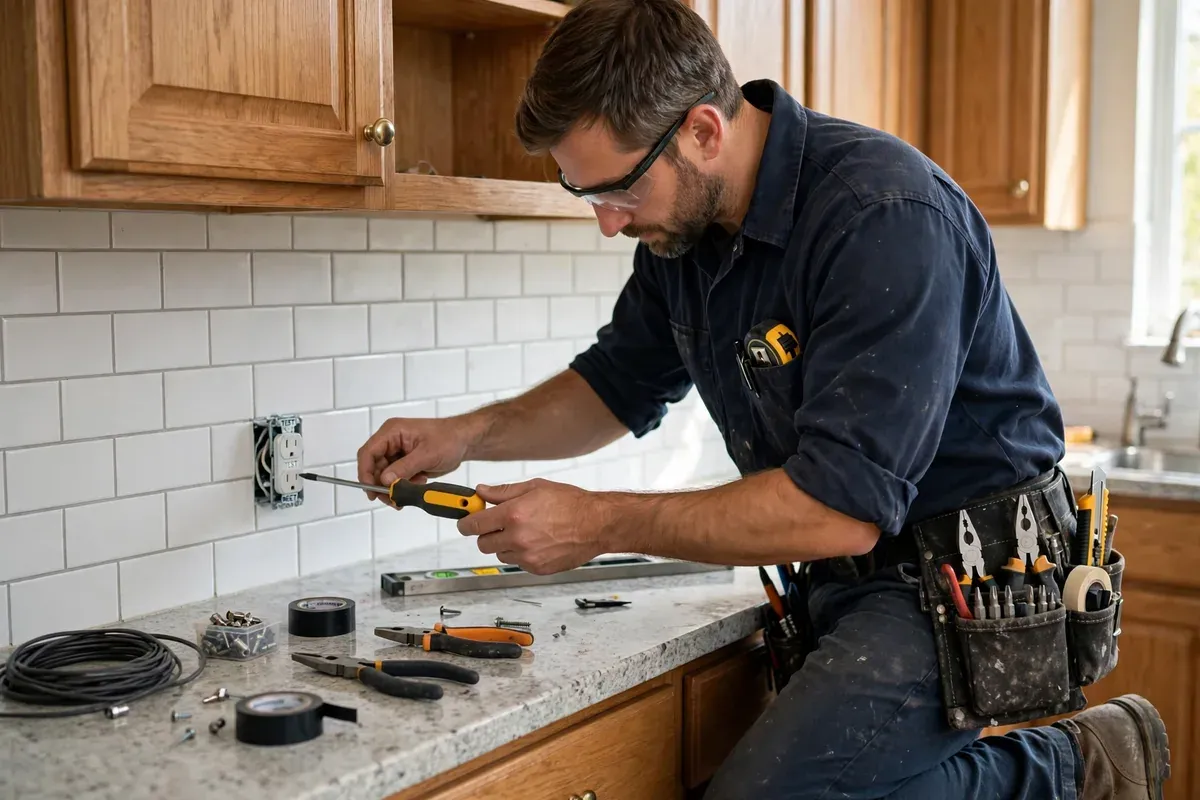
Not sure whether it is the outlet or the circuit?
When it is a same-day call
Some Waterstone faults can wait for a scheduled visit; others cannot. Call the same day when an outlet is hot rather than warm, when there is a burning smell or scorch marks, when the outlet buzzes, crackles, or sparks, when the breaker for a circuit trips again and again, or when the warmth has spread to the switch plate beside the outlet or to the wall around it. The same applies when more than one outlet on the same circuit feels warm: that points to the circuit, and a circuit fault is not a next-week job. If there is smoke or any sign of fire, call 911 first, then call us.
A fault is still worth a prompt call even when none of those signs is present. A connection that is loose today is looser in a month, and a breaker that trips once a week will trip once a day. Note which outlet it is, which room it is in, what was running when you noticed it, and whether the breaker for that circuit has tripped — those four answers are what the call needs, and they are what the visit starts from. The emergency guide covers what to do when an electrical fault turns urgent, and it is the page to read if you are unsure whether your fault is a same-day call or a scheduled one.
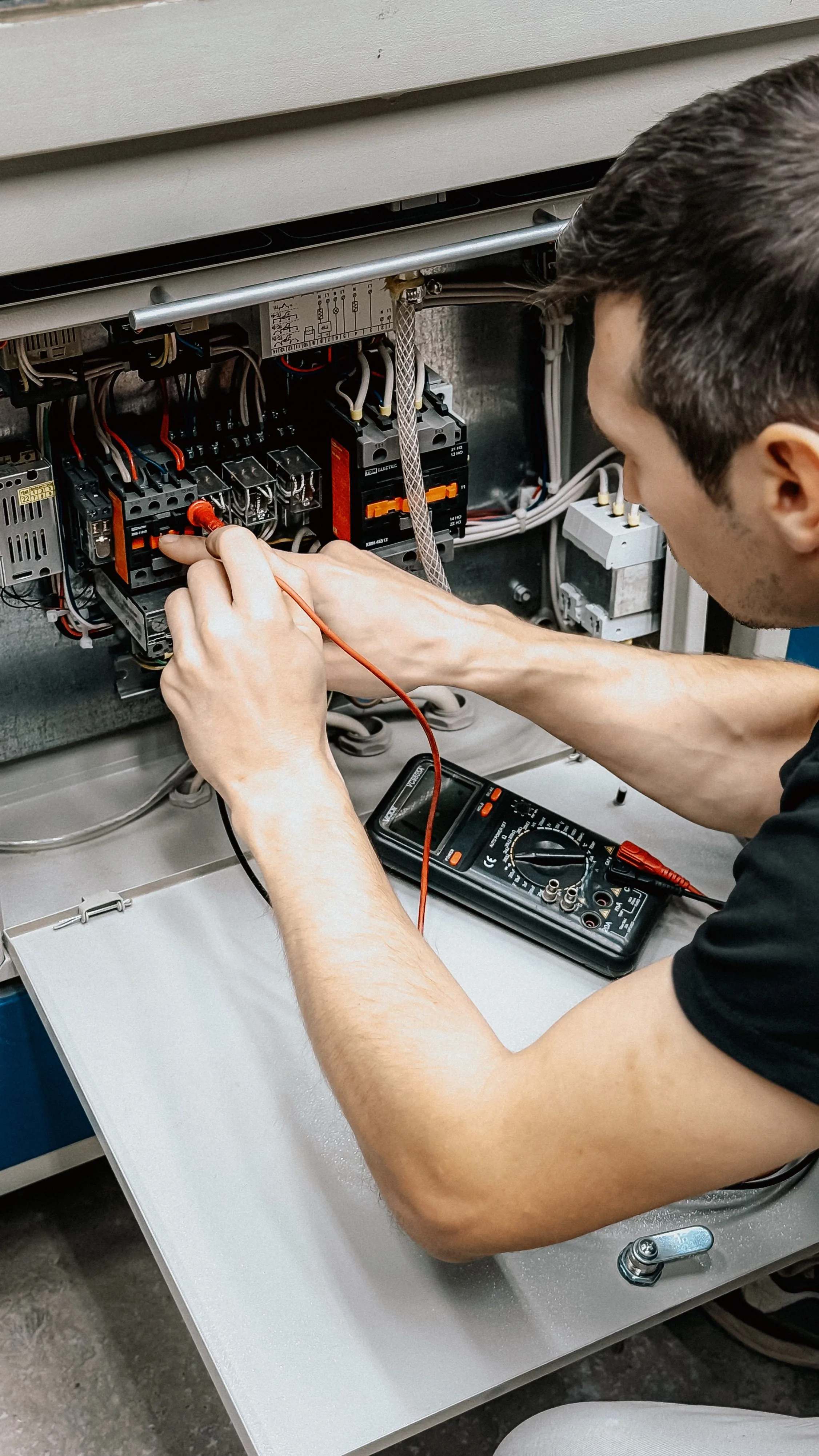
Seeing one of these signs now?
What to tell us when you call
The call is short when you have four answers ready. Your street — Waterstone sits off Midway Road and Jenkins Road, and the street tells us which side of the subdivision you are on — and the ZIP, 34951 for most Waterstone homes, with 34950 on the edges. The symptom, in plain words: what trips, what flickers, what stopped working, and when it started. What was running when it happened: the air conditioning, the dryer, the charger, or nothing at all. And whether the breaker for that circuit has tripped, and how often.
With those answers, the call ends with a clear scope and a visit time, and the visit starts from what you already know rather than from scratch. Waterstone homes gain loads over time, and the panel is the question behind most of the calls — so the visit checks the panel first, the circuit second, and the device third, in that order. Call (772) 218-3629 any time; we are open 24/7, and same-day service is available.
Electrical Repair in Waterstone, Fort Pierce: frequently asked questions
What electrical faults are most common in Waterstone?
Electrical repair Waterstone Fort Pierce homeowners call about most often is a newer-home fault: a breaker that trips under load, a dead outlet, lights that flicker when the air conditioning starts, or a panel short of spare capacity for the next load. Waterstone is a newer subdivision, so the faults are load and capacity faults rather than old-wiring faults, and the visit starts with a load calculation.
Why does my breaker trip when the air conditioning starts?
Usually an overload at the moment the compressor draws its starting surge — the circuit is carrying more than it was built for at that instant. If it happens once after a storm, note it; if it happens every time the air conditioning starts, stop resetting and call. The visit measures the load on the circuit and tests the breaker, because a worn breaker trips at a lower load than a sound one.
My lights dim when the AC starts. Is that normal?
A brief dim for a second at startup is often just the voltage dip of the compressor starting, and it is common in homes where the air conditioning shares a service with the rest of the house. Lights that flicker at random, stay dim, or flicker in one room only point to a loose connection instead. If the pattern changes or spreads, call — a loose connection gets worse, not better.
A GFCI outlet will not reset. What should I do?
First check whether the breaker for that circuit has tripped, and whether anything plugged into the circuit is wet or damaged. Press reset once, firmly. If it will not stay in, or it trips again as soon as you plug something in, stop resetting and call — the GFCI is doing its job, and the fault is in the circuit or the device it protects. Never remove the outlet or open the panel yourself.
My panel is full. Do I need a bigger panel?
Not always. A full panel can sometimes take a subpanel for the new circuits, or a load-management device that sheds a large load when the panel nears capacity. The visit decides by counting the spaces in use, adding up the loads, and working out what the new circuit adds. If the numbers do not fit, the options are a subpanel or a full upgrade, and the visit explains what each one changes.
What does electrical repair cost in Waterstone?
Exact price is confirmed on the call, because it depends on the fault, the circuit, and whether the fix is a device, a circuit, or the panel. A single outlet repair is a smaller visit than a panel-capacity job, and the call ends with a clear scope before anything is booked. Tell us the symptom, the street, and what was running when it happened.
Ready to talk?