
How Often Should Your Electrical System Be Inspected in Fort Pierce?
How often electrical inspection Fort Pierce homes need depends on the age of the wiring, the panel, and what has changed since the last check — in Lincoln Park or Downtown, in ZIP 34945 or 34950, the answer starts with the home, not the calendar.
Call Now to Speak to a Specialist
Open 24 hours a day, 7 days a week.
There is no single schedule that fits every home, and a date on the calendar is the wrong place to start. How often electrical inspection Fort Pierce homes need comes down to the age of the wiring, the panel brand, and loads added since the last check. This guide gives you the intervals, the triggers, and what the visit covers.
The short answer: there is no single schedule
The honest answer is the one our electrical inspection service gives: there is no single schedule that fits every home. A house built five years ago with a modern panel and no changes since needs a different interval from a 1960s home with its original wiring, and both need a different interval from a shop that runs commercial loads all day. The calendar matters less than the condition of the system, and the condition is what the visit measures. That is why this guide works in intervals and triggers rather than one date for everyone.
Think of the schedule in two parts. The first part is the routine interval: a regular check at a spacing that fits the age and type of the home. The second part is the trigger: a change or a symptom that brings the next inspection forward, whatever the calendar says. A home can be on a ten-year interval and still need a visit this month, because a symptom beats a schedule every time. The sections below give you both parts, so you can see where your home sits and what would move it sooner.
What sets the interval for your home
Age is the biggest factor. Wiring and panels do not fail on a date, but they do wear: connections loosen with years of heating and cooling, insulation hardens, and devices reach the end of their working life. A home built in the last ten years with copper wiring and a modern panel is in a different position from a home built before 1970, when two-prong outlets and older cable types were normal and grounding was often absent. The older the system, the shorter the interval — and a home that has never been inspected at all starts with a visit now, not with a place on a schedule.
The panel brand matters too. Some panels from past decades are the ones inspectors flag — Federal Pacific and Zinsco panels are the names that come up most often in Fort Pierce — and a home with one of those panels is inspected on a shorter interval until the panel is replaced. Aluminium wiring, found in some homes from the 1960s and 1970s, is another reason to shorten the gap: aluminium expands and contracts more than copper, so its connections loosen over time. And the loads matter as much as the wiring: a home that has gained an EV charger, a tankless water heater, a generator, or a workshop circuit since its last check has a system working harder than the one that was inspected.
Not sure when your home was last inspected?
The intervals guides commonly suggest
Electrical safety guides do not agree on one number, and that disagreement is useful: it tells you the interval is a judgement, not a rule. The pattern across the guides is consistent. A newer home with modern wiring and a modern panel is commonly put on a ten-year interval. A home between ten and forty years old, or one with a panel that is full or ageing, is commonly put on a five-year interval. A home older than forty years, a home with knob-and-tube or aluminium wiring, or a home with a flagged panel is commonly put on a three- to five-year interval. Commercial buildings, which run heavier loads for longer hours, are commonly put on a three- to five-year interval as well.
Treat those numbers as a starting point, not a promise. Those numbers come from general safety guidance, not from a look at your home — the right interval for your home is set on the visit, when the panel, the wiring, and the loads are all in front of the electrician. What the numbers above give you is a way to answer one question honestly: has it been longer than the interval your home's age suggests? If the answer is yes, the next step is a call, not another year of waiting. Call (772) 218-3629 and the visit starts with the age of the home and the date of the last check.
What an inspection covers
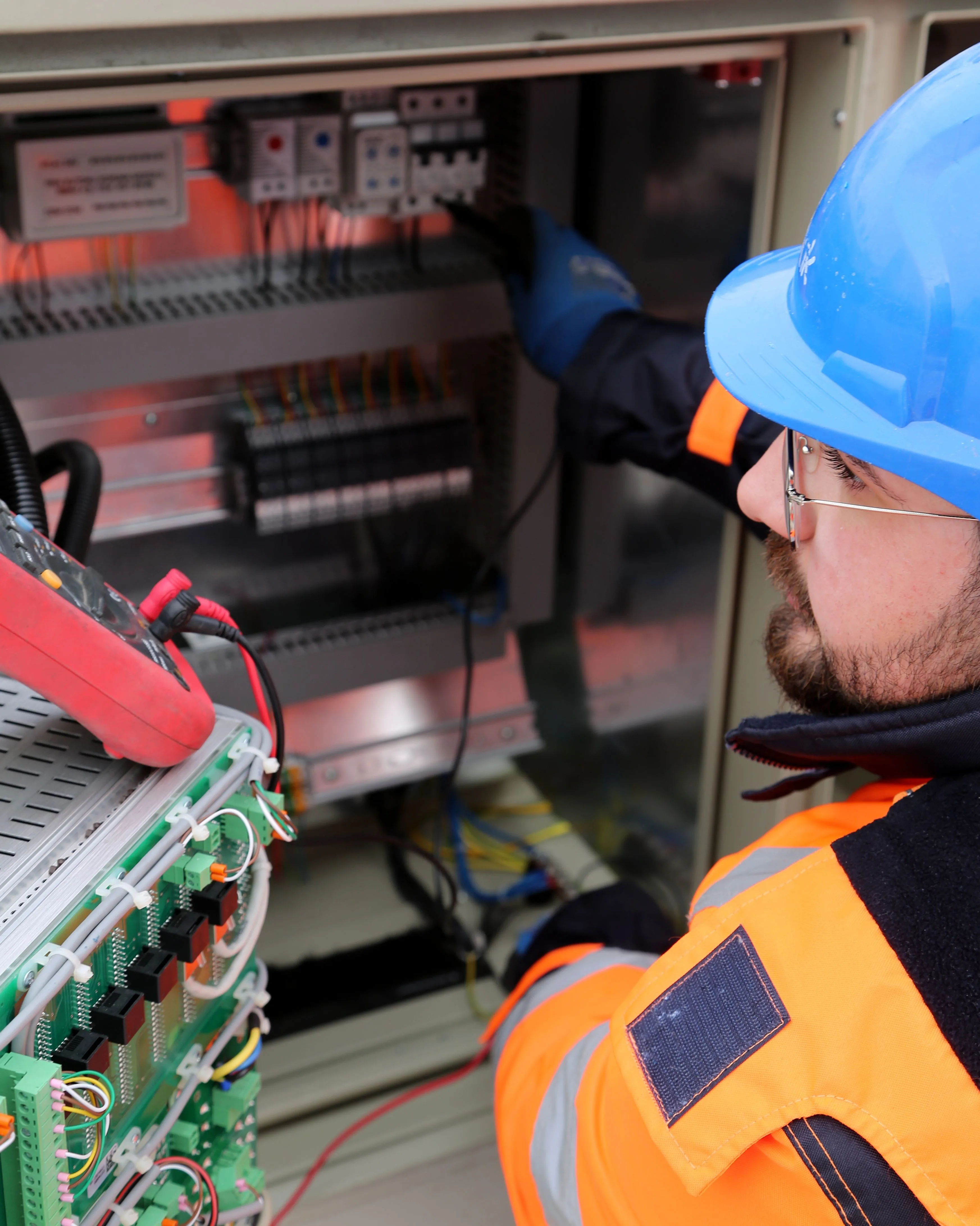
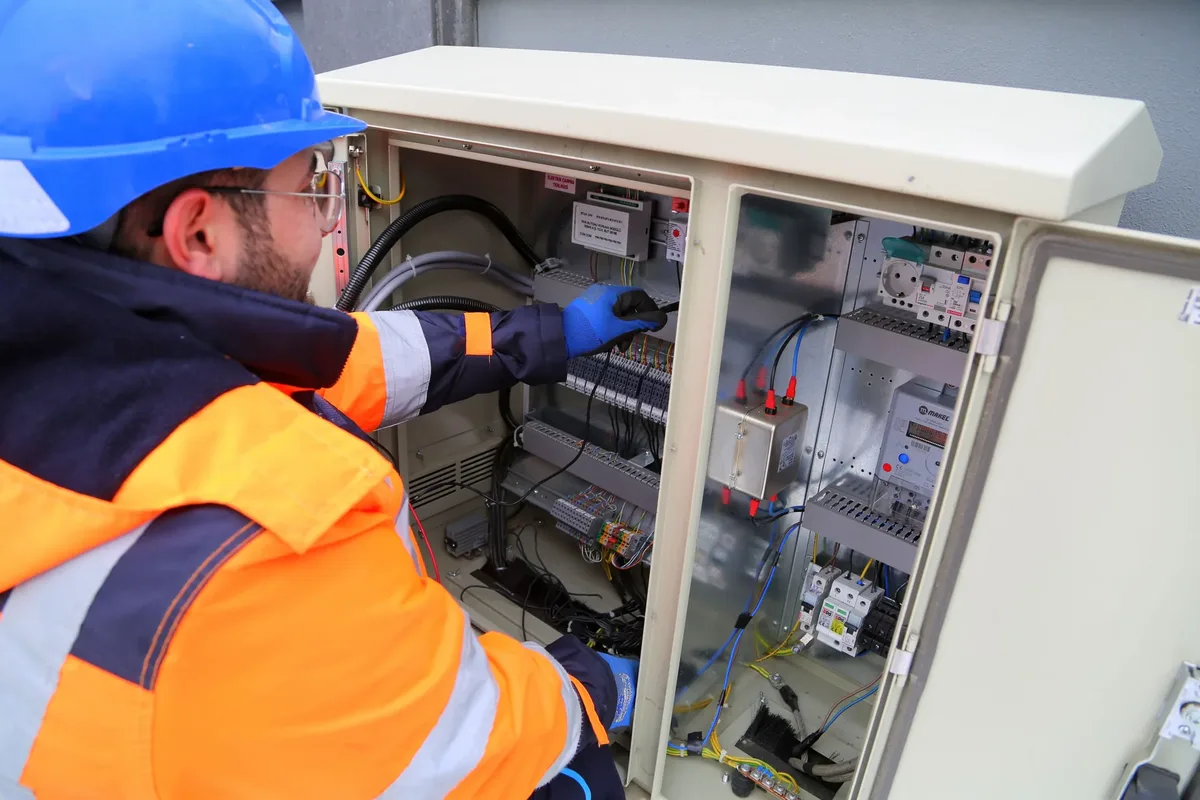
An inspection is a look at the whole system, not a single device. The visit checks the panel — its brand, its condition, and whether its labels match the circuits it serves — then the visible wiring, the grounding, and the GFCI and AFCI protection that guards the kitchen, the bathrooms, and the outdoor circuits. Outlets and switches are tested, detectors are checked, and the visit looks for the signs that matter: heat, scorching, and amateur work that was never inspected. Circuits are tested with a meter, not by eye, because a connection can look sound and still fail under load.
What you get at the end is a prioritised list, not just a pass or a fail. The list separates the faults that need a visit soon from the ones that can wait for a planned job, and it says which is which in plain language. That list is also the record for the next inspection: it shows what was found, what was fixed, and what to watch. The next section explains how this visit differs from the 4-point inspection, which is the report most homeowners meet first.
Has it been longer than your home's interval?
Inspection or 4-point inspection: not the same job
The 4-point inspection is the one most Fort Pierce homeowners meet first, because an insurer asks for it — usually when a policy is written or renewed, or when a home changes hands. It covers four systems: the roof, the plumbing, the heating and cooling, and the electrical system. The electrical part is a snapshot: the panel brand and age, the wiring type, and whether the system shows the faults insurers flag. It is a short report for a specific purpose, and it is not a full inspection of your electrical system.
A full electrical inspection is broader and on your schedule, not the insurer's. It goes circuit by circuit, tests outlets and protection devices, and ends with the prioritised list the last section described. The two are not substitutes: a clean 4-point report does not mean the system needs nothing, and a full inspection does not replace the 4-point report your insurer asked for. If you are buying or selling, read our 4-point inspection guide first — it explains what the insurer's report looks for — and our pre-listing inspection guide covers the seller's side of the same check. If you are planning the next few years in a home you already own, the full inspection is the one to book.
Book sooner when you see these signs
A symptom beats a schedule. Book sooner — this month, not at the next interval — when lights flicker or dim when the air conditioning starts, when a breaker trips more than once, when an outlet feels warm or smells of burning, or when the panel buzzes or hums. The same applies after a flood or a storm that put water near the panel or the outlets, and after any work that added a large load: an EV charger, a tankless water heater, a generator, or a new workshop circuit. A home that has never been inspected, or one you have just bought, is also a book-sooner case rather than a wait-for-the-interval case.
Two of those signs are same-day calls, not inspection bookings. A burning smell, scorch marks, or an outlet that is hot rather than warm means the circuit is faulting now, and the right call is the emergency visit, not a scheduled inspection. The same applies to smoke or any sign of fire: call 911 first. Everything else on the list above is a reason to bring the inspection forward, and the call takes five minutes: the age of the home, the last inspection date if you know it, and the symptom or change that brought you to the phone. Our breaker-tripping guide explains what each kind of trip looks like, and our warm-outlet guide covers what to do when an outlet runs hot.
Seeing one of these signs now?
What to tell us when you call
The call is short when you have four answers ready. The age of the home, or the decade it was built in. The date of the last inspection, if there was one — and ‘never’ is a useful answer too. The panel brand, if you can read it from the label without opening anything. And the reason for the call: a symptom, a change, a sale, or simply that the interval your home's age suggests has passed. With those four answers, the call ends with a clear scope and a visit time, and the visit starts from what you already know rather than from scratch.
How often electrical inspection Fort Pierce homes need is a question with a personal answer, and the personal answer is set on the visit. Book the interval your home's age suggests, bring forward any visit a symptom or a change demands, and keep the list from the last inspection as the record for the next one. That is the whole schedule: a routine check at the right spacing, and a sooner visit whenever the system gives you a reason. Call (772) 218-3629 any time; we are open 24/7, and same-day service is available.
How Often Should Your Electrical System Be Inspected in Fort Pierce?: frequently asked questions
How often should I have my electrical system inspected?
How often electrical inspection Fort Pierce homes need depends on the age of the wiring, the panel, and the loads added since the last check. Safety guides commonly suggest every ten years for a newer home, every five years for a home between ten and forty years old, and every three to five years for an older home or one with a flagged panel. The right interval for your home is set on the visit. Call (772) 218-3629, 24/7.
Is there a set schedule I have to follow?
No single schedule fits every home, and the intervals above come from general safety guidance, not from a look at your panel. The visit sets the interval that fits your home, and a symptom or a change — flickering lights, a tripping breaker, a new EV charger — brings the next visit forward whatever the calendar says. Book the interval your home's age suggests and move it sooner when the system gives you a reason.
What is the difference between an electrical inspection and a 4-point inspection?
A 4-point inspection is a short report for an insurer, covering the roof, plumbing, heating and cooling, and the electrical system — the electrical part is a snapshot of the panel brand, wiring type, and flagged faults. A full electrical inspection is broader and on your schedule: it tests circuits, outlets, and protection devices and ends with a prioritised list of findings. One does not replace the other.
What does an inspection cost?
Exact price is confirmed on the call, because it depends on the size of the home, the number of circuits, and how easy the panel and outlets are to reach. A small home with a modern panel is a shorter visit than a large older home with a full panel and several faults to trace. The call ends with a clear scope before any visit is booked, so there are no surprises on the day.
Should I get an inspection before buying a home in Fort Pierce?
Yes — before you buy is one of the best times to inspect. The visit shows the panel brand and age, the wiring type, and whether the system carries the faults that insurers flag, and that list is useful twice: it tells you what the home needs, and it tells you what to ask the seller about before you sign. The pre-listing inspection guide on this site covers the seller's side of the same check.
What happens after the inspection?
You get a prioritised list of findings, not just a pass or a fail. The list separates the faults that need a visit soon from the ones that can wait for a planned job, and it says which is which in plain language. Keep the list as the record for the next inspection: it shows what was found, what was fixed, and what to watch next time.
Ready to talk?