
Propane Generator Gas Line Installation Fort Pierce
Propane generator gas line installation Fort Pierce is the fuel side of a standby generator install, for homes in 34949 and 34950 including Hutchinson Island and Fort Pierce South, covering tank siting, route questions, and which trade does the fuel work.
Propane generator gas line installation Fort Pierce is the fuel side of a standby generator install: the tank, the gas line to the generator, and coordination between the electrical install and the fuel trade. It is not a homeowner job, so call (772) 218-3629 and agree the fuel scope first.
Propane generator gas line installation Fort Pierce: the short answer
A standby generator needs two supplies to run: electricity wiring that connects it to the house through a transfer switch, and fuel that feeds its engine. For a propane generator, that fuel supply is a tank, a gas line from the tank to the generator, and the regulators and connections that deliver fuel at the pressure the generator needs. The electrical side and the fuel side are different trades with different skills, and a clean install agrees both scopes in advance, so neither side discovers the other half missing on install day.
This post owns the fuel side only, and it deliberately does not instruct readers to size, run, or connect a gas line themselves. Fuel work is confirmed and carried out by the fuel trade on the visit, and the permit and inspection route is confirmed on the call. What this post does is give you the questions that make that conversation useful: tank or natural gas, tank siting, line route, generator size and fuel demand, and what happens at testing, so the quote you receive covers the whole install, not just the electrical half of it.
Propane or natural gas: the first fuel question
The first question is whether natural gas is available at your property at all, because that decides whether propane is a choice or the only fuel. A home with a natural gas supply can weigh a gas connection against a propane tank, while a home without one will use propane, and the generator model and fuel scope follow that fact. Fuel availability is a property question, not a preference question, and it is settled early, before a generator size is chosen, because the fuel type affects the install scope even when the electrical load is the same.
Propane has one practical advantage worth stating plainly: the fuel is stored on your property in a tank, so a generator is not dependent on a utility gas supply during an outage. Natural gas has the matching advantage: no tank to monitor or refill, because the supply arrives through a line. Neither advantage is a reason to choose a fuel on its own, and the call weighs fuel availability, tank space, and the generator size together. Our Generac installation cost factors guide explains how fuel scope sits among the other factors that move an installed generator quote.

Not sure which option fits your home? Call and ask.
Tank siting and the gas line route: what to ask
A propane tank needs a spot that works for the tank, the line, and the generator together, and siting is agreed on the visit rather than assumed from a photo. The questions to ask are where the tank will sit, how far it is from the generator, what the line route crosses on its way there, and whether the route needs trenching or runs above ground, because distance and route both affect the scope. A tank close to the generator with a short, clear route is a different job from a tank placed far away across a driveway or patio, and the quote should reflect that difference.
Clearance and access matter too, and they are checked on site: the tank must be reachable for delivery and service, the generator must stay accessible for maintenance, and the line route must avoid anything that would make future service difficult. Salt air is a local factor for outdoor equipment in Fort Pierce, and our salt air corrosion guide explains how coastal air attacks outdoor gear, which is one reason outdoor fuel and electrical equipment both get a proper outdoor-rated treatment. None of this is a homeowner layout exercise: the siting and route are proposed on the visit, and the homeowner's job is to say what must not be disturbed, such as a patio, a garden bed, or a parking area.
Who does the fuel work, and who does the electrical work?
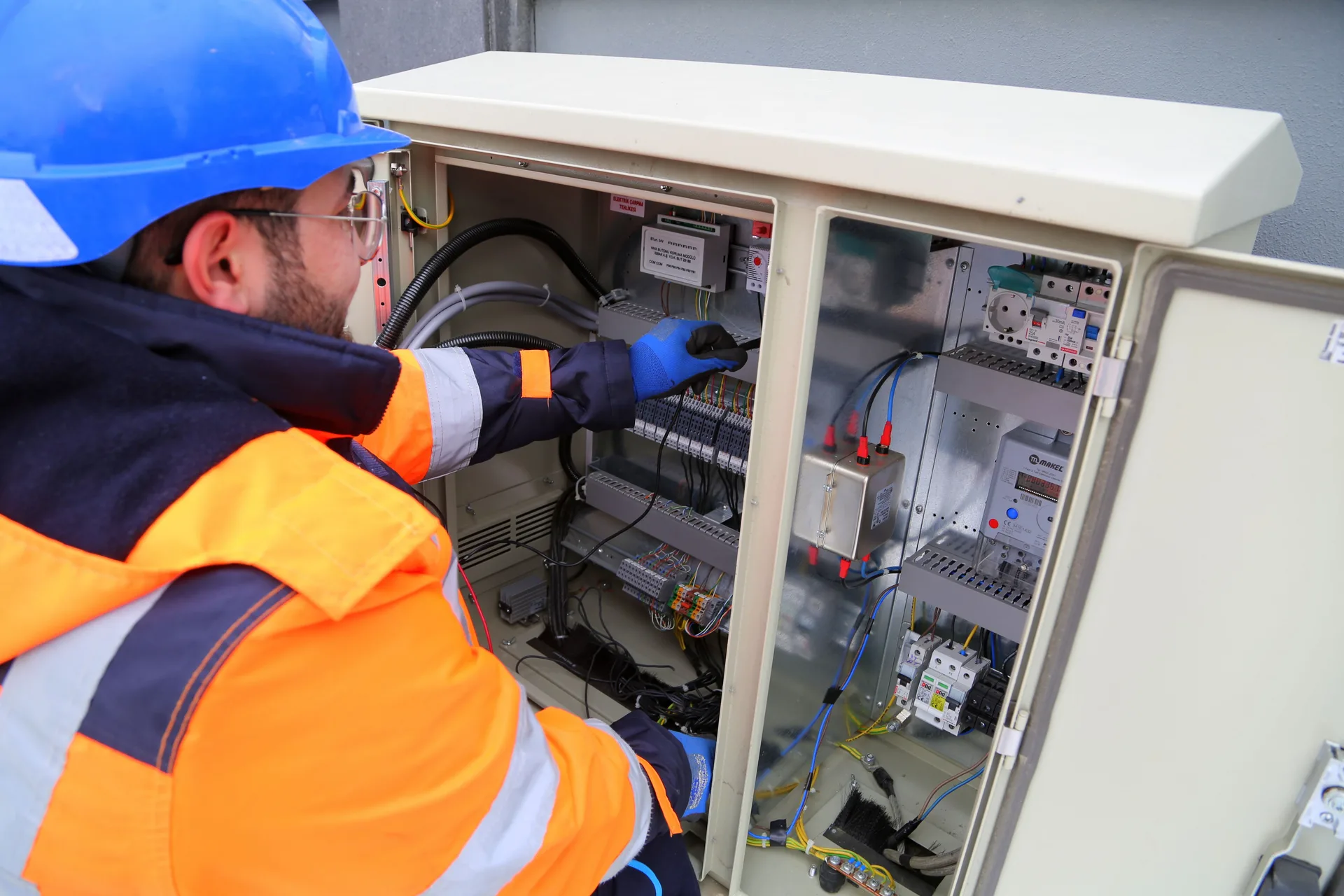
The electrical work and the fuel work are done by different hands, and knowing which is which stops the most common install-day surprise. The electrician handles the generator's electrical connection, the transfer switch, the panel work, and the testing of the electrical side, as our home generator installation guide explains. The fuel trade handles the tank, the gas line, the regulators, and the fuel connections, and the two sides coordinate so the generator is tested with its real fuel supply, not just run dry or on a temporary feed.
Coordination is the practical point, and it is worth asking about directly on the call: who arranges the fuel trade, in what order the two sides work, and who tests the complete system once both sides are done. A generator that has been electrically tested but never fuel-tested is not a finished install, and a fuel line that has been run but never tested under the generator's load is not proven either. The finished test runs the generator on its fuel, transfers the house load, and confirms the fuel supply keeps up, and that joint test is what the homeowner should expect to see.
Generator size and fuel demand: why size changes the fuel scope
A larger generator burns more fuel at full load than a smaller one, so the generator size chosen from the electrical load also shapes the fuel scope: the tank size that makes sense, the line capacity, and how long the stored fuel lasts at a given load. That is why the fuel conversation happens alongside sizing, not after it, and our generator sizing guide explains how essential-circuit cover differs from whole-home cover, which is the same distinction that decides fuel demand.
This is also why fuel scope cannot be priced from a product page alone. Two homes with the same generator model can have different fuel jobs if one tank sits close to the generator and the other sits far away, or if one home needs whole-home cover and the other needs essential circuits only. The call gathers the load list, the fuel availability, and the tank location together, and the quote follows all three, rather than quoting the generator and discovering the fuel scope afterwards.
Not sure which option fits your home? Call and ask.
Transfer switch, fuel, and the finished test
The transfer switch is the electrical heart of a standby install, and it interacts with the fuel side in one practical way: the generator must start, transfer the house load, and keep running on its fuel while that load is carried. Our transfer switch vs interlock guide explains how the transfer step works and why it must never be operated by hand, and the fuel test is the matching check on the other side: does the fuel supply deliver steadily while the generator carries the house?
A proper finished test answers that question in front of the homeowner: the generator starts on its own signal, transfers, carries the agreed circuits, and the fuel side shows no leak, no pressure problem, and no starvation under load. If any part of that test fails, the install is not finished, whatever the paperwork says. Homeowners should ask what the finished test covers before the install starts, because a test agreed in advance is far easier to hold to than one invented on the day.
When the fuel supply is the fault: signs to report
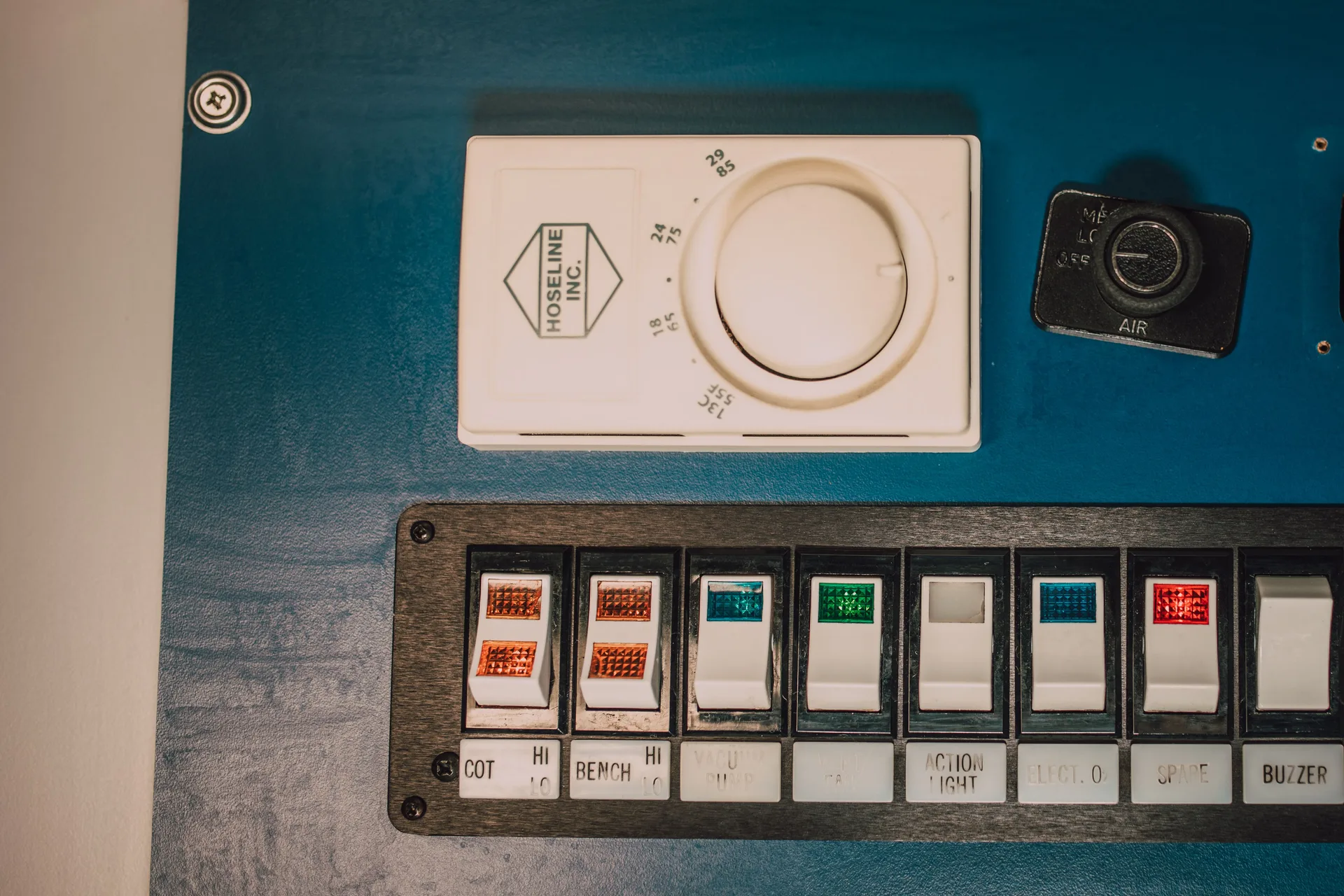
Fuel problems announce themselves, and the signs are worth knowing even though the repair is never a homeowner job. A generator that cranks strongly but never fires, one that starts and then stops under load, or one that runs weakly when the house load transfers, can all point to a fuel supply fault rather than an engine fault, and our generator repair signs guide explains how each symptom narrows the fault. The call should say which fuel the generator uses, whether a propane tank gauge looks low, and what the generator does when it tries to run.
A fuel leak is a different category from a fuel shortage, and it outranks convenience entirely: switch the generator off, keep ignition sources away, and call promptly, because fuel lines, tanks, and connections are never a homeowner repair. A smell of gas near a tank or generator is reported the same way, without delay and without investigation by hand. The same rule covers any visible damage to a tank, line, or regulator after a storm: report it, do not touch it, and let the fuel trade decide whether the system is safe to run.
Propane gas line cost factors, and what to have ready for the call
Exact price and timing are confirmed on the call, and cost factors for the fuel side are the tank size and siting, the line distance and route, whether trenching is needed, the generator size and fuel demand, and the coordination and testing of the complete system. A short route to a nearby tank is a different job from a long route across a property, and a whole-home generator is a different fuel job from an essential-circuits unit, so no single figure is stated here. The site rule is cost factors only, and the quote follows the property check.
Have four facts ready when you call: whether natural gas is available at your property, where a propane tank could sit, the generator size or the loads you want covered if you already know them, and anything the line route must avoid, such as a driveway, patio, or garden. With those facts, the call can say whether the fuel scope is straightforward or needs a site visit first, and the install can be quoted as one complete job, electrical and fuel together, rather than as two halves discovered separately.
Frequently asked questions
Is a propane gas line part of a generator installation?
Yes, for a propane generator it is the fuel half of the install: the tank, the gas line from tank to generator, and the regulators that deliver fuel at the right pressure. It is quoted and tested as part of the complete install, not as an afterthought.
Can I run or connect a propane gas line myself?
No. Fuel work is carried out by the fuel trade, and the permit and inspection route is confirmed on the call. Homeowners should never size, run, or connect a gas line themselves.
Propane or natural gas: which should I choose for a generator?
It starts with availability: a home without a natural gas supply uses propane. A home with gas weighs a stored tank against a line supply, together with tank space and generator size, and that choice is made on the call.
Does generator size change the fuel scope?
Yes. A larger generator burns more fuel at full load, so size shapes the tank that makes sense, the line capacity, and how long stored fuel lasts at a given load. That is why fuel is discussed alongside sizing, not after it.
What does the finished fuel test check?
That the generator starts, transfers the house load, and keeps running steadily on its fuel, with no leak, pressure problem, or starvation under load. If any part fails, the install is not finished.
What should I have ready when I call about a propane generator?
Whether natural gas is available at your property, where a propane tank could sit, the loads you want covered, and anything the line route must avoid, such as a driveway or patio.
Your next step for propane generator fuel in Fort Pierce
Propane generator gas line installation Fort Pierce is the half of a standby install that is easiest to overlook and hardest to add afterwards, so settle it before the generator is chosen: fuel availability, tank siting, line route, and who tests the complete system. Call (772) 218-3629, describe your property and the loads you want covered, and we will talk through the fuel scope for your home in Hutchinson Island and Fort Pierce South in 34949 and 34950, open 24 hours a day, 7 days a week, with same-day service offered and exact timing confirmed on the call. For the full service list, start at our Electrician in Fort Pierce, FL homepage.
Call Fort Pierce Electric Pros for help in Fort Pierce.