
Underground Electrical Service in Fort Pierce: A Homeowner's Guide
For homeowners in ZIP 34945 and 34950, near the Indian River Lagoon and US 1, the power arrives through a buried service lateral instead of an overhead drop — and that buried feed is what underground electrical service Fort Pierce means in practice, under FPUA's underground rule for new services.
Call Now to Speak to a Specialist
Open 24 hours a day, 7 days a week.
Homes fed through a buried lateral get the same power at the panel as overhead-fed homes, with one difference that matters: the cable you cannot see. This guide explains what underground electrical service Fort Pierce requires under FPUA's policy, who handles which part, and the warning signs that mean call now.
What underground service is: the buried lateral, the meter base, and the panel
Power reaches a home in one of two ways. An overhead service runs a visible cable, the service drop, from a pole to a mast on the house, then down into the meter base. A buried service runs the same power through conduit under the yard, rising into the meter base from below, with no cable in the air. The buried part is the service lateral, and the meter base, service entrance conductors, and breaker panel beyond it work exactly as on an overhead-fed home.
FPUA's published electric-service page lists roughly 266 miles of overhead lines and 151 miles of underground circuits across about 35 square miles, serving around 28,000 customers. A buried service is no rarity in Fort Pierce, and many homeowners only learn which kind feeds their home when a project or a fault raises the question. The practical difference is visibility: an overhead drop can be seen sagging after a storm, while a buried lateral hides its faults until the power misbehaves or the meter base shows heat.
Overhead vs underground: what actually changes at your home
That is the comparison behind overhead vs underground electrical service Fort Pierce homeowners ask about when a project or a fault forces the choice. Overhead wins on one thing: you can see it — a damaged drop is obvious from the driveway. Underground wins on storm exposure: no wind, branch, or debris can strike a cable below grade, which is why FPUA has pushed new services underground.
| Overhead service | Underground service | |
|---|---|---|
| Storm exposure | Wind and debris can strike the drop | Cable runs below grade |
| Visible damage | Sagging or a pulled mast is easy to spot | Faults stay hidden |
| Flooding | Mast and drop stay above water | Water can reach the meter base |
| Digging risk | None | A shovel can strike the lateral |
| Repair access | Reached without digging | Testing, then digging |
Underground service is not storm-proof. Buried cable still meets water, and a lateral struck by digging fails just as completely as a drop torn down by wind. The trade is that faults hide and finding them takes testing, not a look from the driveway.
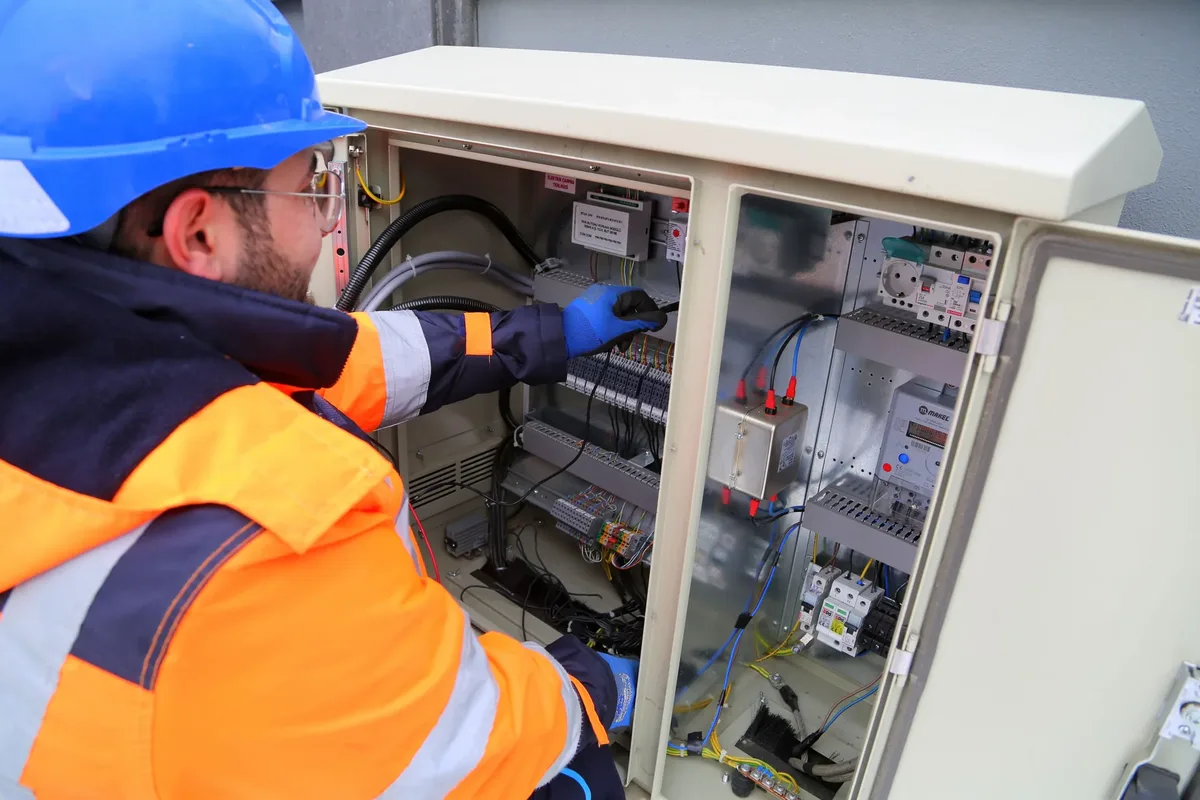
Not sure whether your home is fed overhead or underground?
What FPUA's underground policy actually requires
FPUA's Electric Service Policy, published by the utility's Electric and Gas Engineering department and released in October 2024, is the document that settles this question. It sorts customers into residential and commercial: a home used for residential purposes with a single meter can counts as residential, while a gang-metered property, or a home with more than one meter on a parcel used commercially, counts as commercial.
For a residential home the policy sets three cases: a new structure with no previous FPUA service goes underground; an existing home with previous service but no FPUA facilities on the property for the old means of service also goes underground; and an existing home where FPUA facilities do exist keeps its current configuration — the case most Fort Pierce homeowners live in.
The policy also draws one responsibility line in plain words: the customer is responsible for providing and installing conduit from an agreed point of demarcation to the meter base. The demarcation point is agreed with FPUA for the address, not guessed from the yard. The policy we read spells out no general rule that a panel upgrade or a service-size change on its own converts an existing overhead service to underground, so we state none here. If your project touches the meter equipment or the service size, the question goes to FPUA engineering before the permit is filed. The reason is storm performance: at FPUA's June 2022 board meeting, staff called the service the last link of cable to the customer. FPUA underground service Fort Pierce homeowners meet on a new build is that policy in action. FPUA's own electric service page gives the system figures quoted here; our 100 amp vs 200 amp guide shows how the load calculation picks the size, and our electrical panel upgrade page covers the upgrade itself.
Who handles what: the honest boundary between FPUA and your electrician
The boundary every homeowner wants is a single line, and the honest version is less tidy. FPUA owns and maintains the distribution system up to the agreed demarcation point, transformer and street lines included. From the demarcation point to the meter base, the policy puts the conduit on the customer. The meter base underground service Fort Pierce homes use matches an overhead-fed home's, fed from below; the service entrance conductors and the panel connection are the electrician's work.
Where the line falls for your home is confirmed for the address — not guessed from a neighbour's setup. A fault on the utility side is FPUA's repair; a fault in the meter base or the service entrance conductors is ours. Calling the wrong side first costs a day, so bring the facts that sort it: the meter base, how much of the house is out, and whether the street is dark. Our no-power guide walks through that sorting, our electrical panel repair guide covers a fault in the panel itself, and our electrical repair page covers the wider repair work.
Fault at the meter base, or only your home dark?
Signs of underground service trouble: partial power, heat, and smell
A buried fault announces itself through the power. The pattern to learn is partial power: half the house dark while the other half works, some rooms glowing too bright while others fade dim, or the air conditioner and dryer dead while some outlets still work. That split usually means one leg of the supply or the neutral has been lost. Voltage swings can harm appliances, so power down computers and televisions and call us.
Heat, smell, and sound at the meter base are urgent. A burning smell, warmth, buzzing, or scorching at the meter base or conduit entry means the connection is failing: leave the circuit off, keep people away, and do not open the meter base or the panel yourself. Flickering after wet weather is a quieter warning — water finding a joint along the buried run. A breaker that trips the moment it is reset tells the same story; our breaker-tripping guide sorts the causes. For urgent faults with sparks, smell, or damage, our emergency electrician page covers the first five minutes.
Flooding and storm exposure: what underground service does not protect against
Buried cable escapes the wind and meets the water instead. In a downpour, water can pool around the meter base, the conduit entry, and the panel, and salt air corrodes the same gear near the Indian River Lagoon. Flooding around electrical equipment is a call-now situation: do not touch anything wet, and if you can reach the main breaker from a dry, safe spot, switch it off and leave it off.
After the water clears, the equipment still needs a check before power goes back on — see our flooding safety guide and our electrical inspection page.
What happens during an underground service repair visit
When underground electrical service repair Fort Pierce homeowners need starts with a phone call: how much of the house is out, what the meter base looks and smells like, whether the street is dark, and whether anything was dug or flooded nearby.
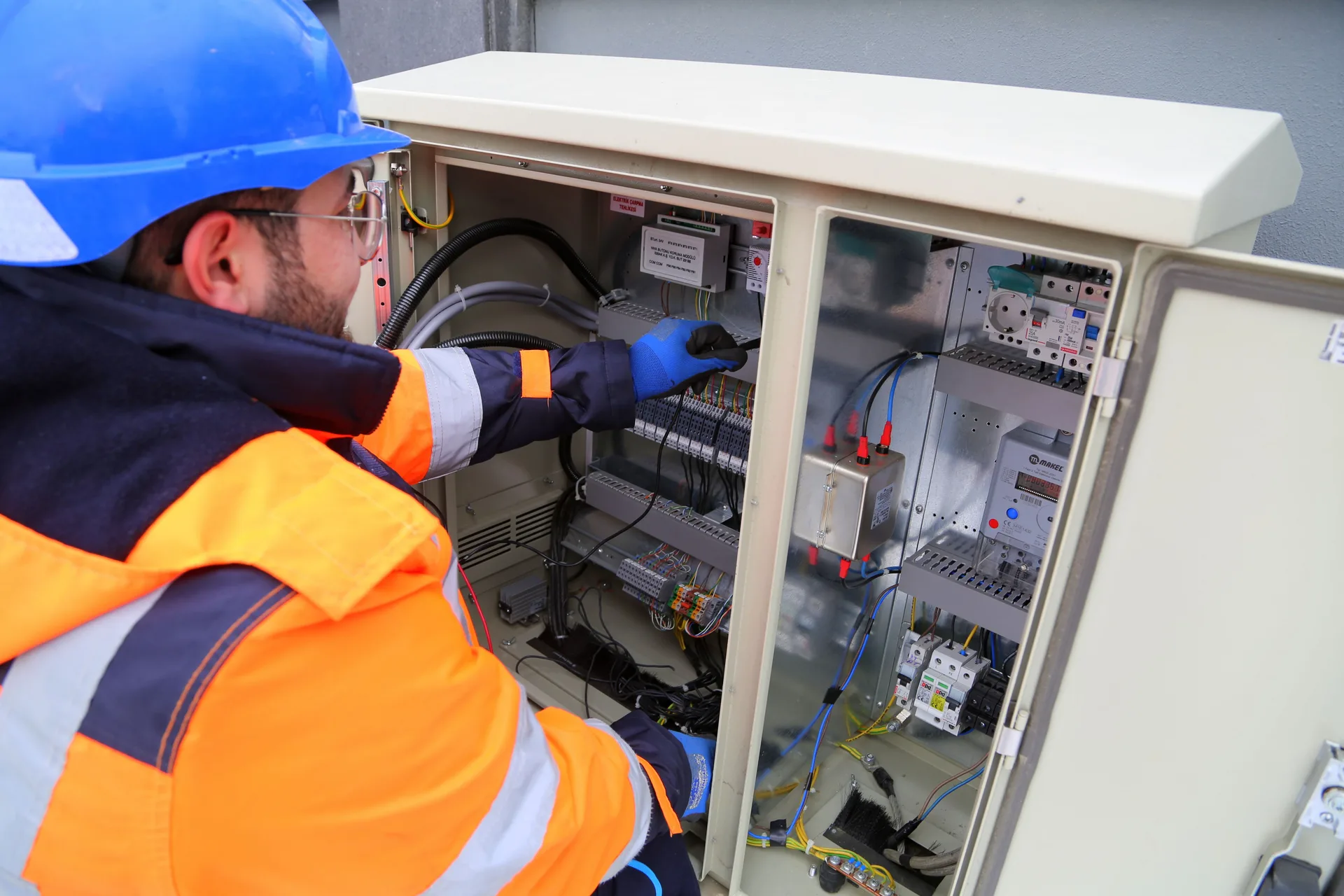
On site, the safety check comes first, then meter testing across the panel, the service entrance conductors, and the meter base. The underground service lateral Fort Pierce homes rely on cannot be inspected by looking at it, so testing carries the diagnosis, and the fix is agreed in writing before work starts. If the tests point past the meter to the utility side, we say so and the next step is FPUA. Where the fault is ours, the repair is made or made safe and tested under load.
Digging near a service line: call 811 before you dig in Fort Pierce
The call before you dig Fort Pierce rule is simple: call 811 at least two full business days before you dig, and the utilities mark their buried lines for free, electric lines in red. Wait for the marks and dig carefully within two feet of any mark.
Underground service line damage Fort Pierce homeowners face most often starts with a shovel. The call covers any digging that disturbs the ground — a fence, a planting, a patio, a pool, a trench — and the digger makes the call. One limit: utilities mark their own lines, not private ones, so a line installed privately after the meter may not be marked.
Planning to dig, or hit something buried?
When to call FPUA first, and when to call your electrician
An FPUA power outage underground Fort Pierce homes share with the whole street is FPUA's call first: the whole street dark, a line down, or a wider outage on the map. Call us first when only your home is out or half the house is out, or when you see heat, smell burning, or find damage at the meter base. A downed line is the exception: keep everyone well clear, call 911 if there is fire or injury, then call the utility.
Unsure? Call us, describe the street and the meter base, and we will point you at the right call.
Cost factors for underground service work in Fort Pierce
No fixed figure can be printed for buried-service work, so your exact price and timing are set on the call. What moves the figure is the fault found, the trench and conduit route, yard restoration, the meter base and service entrance work, and any permit, inspection, or FPUA coordination. A meter-base repair is a different job from a new buried run.
What to have ready when you call about underground service
- Your street and ZIP, and whether your service is overhead or buried.
- How much of the house is out, which rooms are affected, and whether the street is dark.
- What the meter base looks and smells like: heat, burning smell, buzzing, or water.
- Whether anything was dug or flooded near the service route.
- The panel brand and size if you know them, and whether a charger, workshop, or bigger air conditioner is planned.
Our licensed electrician guide covers what to check before hiring, and our Downtown Fort Pierce area page covers ZIP 34950 around US 1.
Your next step for underground service in Fort Pierce
In the end, underground electrical service Fort Pierce homeowners live with is the quiet kind: nothing to see in a storm, until the day the power behaves strangely or the meter base smells hot. Knowing which kind feeds your home, what FPUA's policy requires of a new one, and which call fits the fault is the whole job. Call (772) 218-3629 any time; we are open 24/7, same-day service is offered, and exact timing is confirmed on the call.
Underground Electrical Service in Fort Pierce: frequently asked questions
Does FPUA require underground service for every home in Fort Pierce?
No. FPUA's policy requires underground construction for a new residential service, and for an existing home with no FPUA facilities for the previous means of service. Where FPUA facilities exist, the service stays at its current configuration. Whether a project changes that is decided by FPUA engineering, so confirm before the permit is filed.
What is an underground service lateral?
A service lateral is the buried cable carrying power from FPUA's distribution point to your home's service equipment, usually through conduit to the meter base. It replaces the overhead service drop, the visible cable from pole to house. Below grade it has no mast, and damage stays hidden until the power misbehaves or the meter base shows heat.
Who repairs a damaged underground service line at my home?
That depends on where the damage sits; the split is confirmed for your address. Under FPUA's policy, the customer provides and installs the conduit from the agreed demarcation point to the meter base, and our electricians handle the homeowner-side equipment: meter base, service entrance conductors, and panel connection. Call us first, and we will say whether the next call is ours or FPUA's.
What are the signs of underground service trouble?
Partial power is the classic sign: half the house out, some rooms glowing too bright while others fade dim, or large appliances dead while outlets work. A burning smell, warmth, buzzing, or scorching at the meter base is urgent, as is flooding around the equipment. Flickering after wet weather can point at a buried fault. Any of these means call now.
Can I dig in my yard if I have underground service?
Only after you call 811. Florida's Sunshine 811 takes your locate request at least two full business days before you dig, then the utilities mark their buried lines for free, electric lines in red. Wait for the marks and dig carefully within two feet of any mark. Never dig blind near a service route or a meter base.
Should I call FPUA or an electrician first?
Call FPUA first when the whole street is dark or a line is down, or when the outage map shows a wider outage. Call us first when only your home is out or half the house is out, or when you see heat or smell burning at the meter base. Unsure? Call us and describe the street and meter base.
Ready to talk?