
Aluminum Wiring Repair in Fort Pierce
Aluminum wiring repair Fort Pierce for an older home in ZIP 34945 or 34950, in Lincoln Park or Downtown, where single-strand aluminum branch wiring from the 1960s and 1970s still feeds the outlets: the signs, the three permanent repairs, and the insurance questions.
Call Now to Speak to a Specialist
Open 24 hours a day, 7 days a week.
Aluminum wiring repair Fort Pierce is the answer when the wiring itself is the fault: single-strand aluminum branch wiring, common in homes built from the mid-1960s to the mid-1970s, fails at the connections — not along the wire — as the metal expands, loosens, and corrodes. The visit finds every connection, then picks one of three permanent repairs.
What aluminum wiring is, and which Fort Pierce homes have it
In the mid-1960s a copper shortage pushed builders to wire ordinary 15- and 20-amp branch circuits — the circuits that feed outlets, switches and lights — in aluminum instead of copper. The result is single-strand aluminum branch wiring, and it went into homes built roughly from 1965 to the mid-1970s. The United States Consumer Product Safety Commission describes it in Publication 516, and that publication is the reference for everything in this post: the dates, the failure, and the three repairs.
In Fort Pierce the homes most likely to carry it are the older ones: Lincoln Park and Downtown, in ZIP 34945 and 34950, where houses from that era still stand. A newer subdivision home in Waterstone or Fort Pierce South is not a candidate — the wiring era had passed before those streets were built. But not every older home has it, and the build date alone never proves it: the visit reads the cable jacket in the attic or garage, where the printing says “AL” or “ALUMINUM”. Our Lincoln Park area page and Downtown area page frame the older-home work in those neighbourhoods; this post owns the wiring question inside it.
Why it fails at the connections, not along the wire
Aluminum behaves differently from copper at a connection, and the difference is cumulative. It expands and contracts more as it heats and cools, so a connection that starts tight works loose over years of heating cycles. It oxidises where it meets air, and the oxide layer adds resistance. And it creeps under pressure, so a screw that was torqued correctly can lose its grip over time. Each effect on its own is small; together they raise the resistance at the connection, and resistance turns into heat whenever current flows.
The damage builds slowly, which is why a house can run for decades on aluminum wiring and then start showing signs in one room: a connection can get gradually worse for years before anything visible happens, and the heat is at the outlet, the switch or the splice, hidden inside the wall. A national survey done for the CPSC found that homes built before 1972 and wired with aluminum were 55 times more likely to have one or more outlet connections reach “fire hazard conditions” than homes wired with copper — and the survey covered outlet connections only, not the splices in junction boxes, light fixtures or appliance connections, which can fail too.
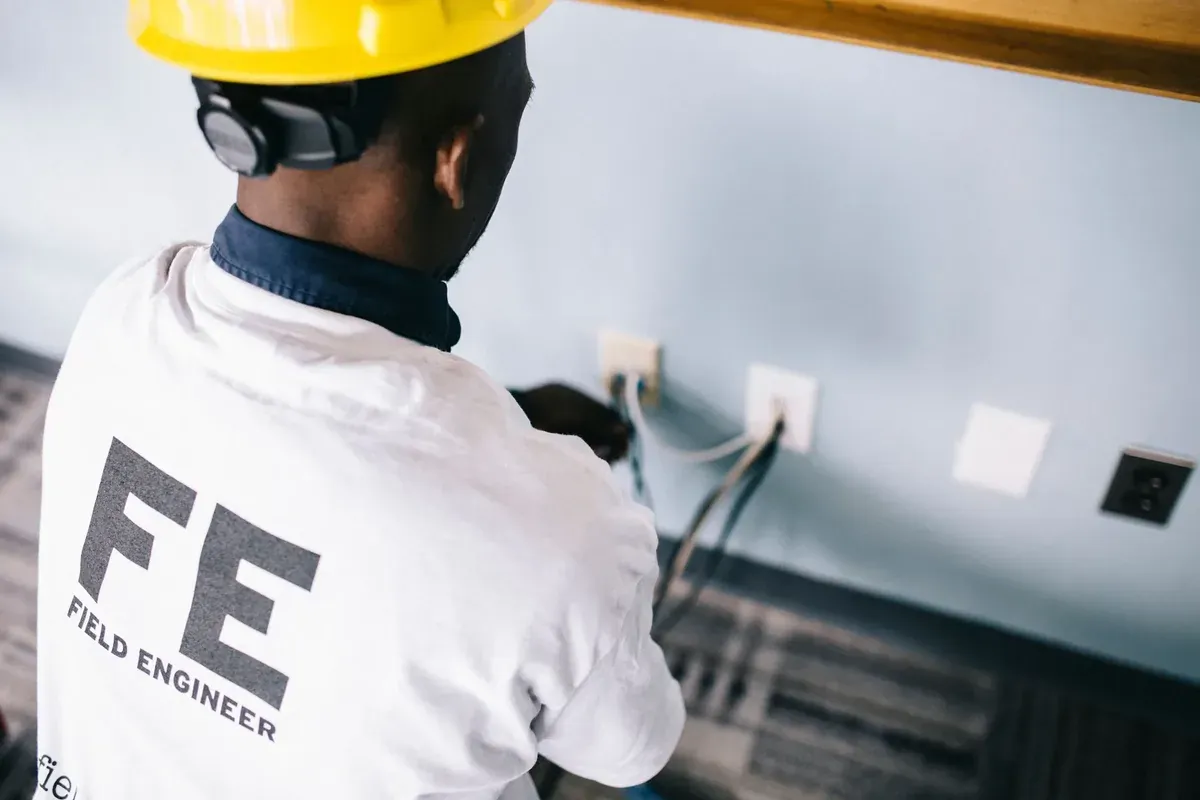
Warm outlet covers, a burning smell, or flickering lights?
The signs: warm covers, a burning smell, flickering lights
The warning signs show up at the devices, the fixtures and the panel before a fire starts. Outlet or switch cover plates that feel warm to the touch. A burning plastic smell near outlets, switches or the panel. Lights that flicker or dim without an obvious cause. Outlets or circuits that stop working and then come back. Discoloured, melted or sparking outlets or switches. A breaker that trips for no clear reason. Any one of these is a reason to look; two together are a reason to call.
Two of those signs carry a safety rule that does not bend. If you notice smoke or a hot, smelling device, turn off that circuit at the panel if it is safe to reach, and call — sparks or smoke mean 911 first. Never pull an outlet out of the wall to look at the wiring behind it, and never open the panel to check the wire ends yourself: the bus bars behind the cover stay live even with the main breaker off, so the cover stays on and the panel stays our job. One symptom never settles the question on its own — flickering lights also follow an air conditioner starting, and a warm outlet has other causes too — so the signs point to the visit, not to a diagnosis from the doorway. Our lights-flicker guide and warm outlet guide cover the other causes.
How the visit confirms it — and what it does not do
The visit confirms aluminum wiring in three steps, and none of them involves guesswork. First the build date, from the deed, the tax record or the home inspection report — a house built before 1965 is unlikely to have aluminum branch wiring, while cables installed between 1965 and the mid-1970s may contain it. Then the cable jacket, read in the attic, the garage or a crawl space, where the printing says “AL” or “ALUMINUM” every few feet. Then the devices themselves: every outlet, switch, fixture and junction box on the affected circuits is opened and read, because the repair touches every connection on those circuits.
What the visit does not do is just as important. It does not tighten a loose connection and close the box — a tightened aluminum connection loosens again, because the metal keeps moving. It does not call the job done from one warm outlet: the signs may show in one room while the connections in the next room are already heating. And it does not start from a price: the scope is the number of circuits and devices, and which of the three repairs the circuits need. The visit also checks what else the house carries, because aluminum rarely travels alone in an older home: a Federal Pacific or Zinsco panel, knob-and-tube wiring in an older section, or a fuse box are all findings that change the order of the work. Our knob-and-tube wiring and insurance guide covers the older-wiring ground.
The three permanent repairs the CPSC recognises
CPSC Publication 516 lists three permanent repairs for aluminum branch wiring, and the visit picks between them on the condition of the circuits and what the insurer asks for. That choice — rewire, COPALUM, or AlumiConn — is the aluminum wiring repair Fort Pierce decision, made circuit by circuit.
First, rewire with copper: the most complete fix, replacing the aluminum branch circuits with new copper ones. It is the answer when the wiring is widespread, when the house is being opened up anyway, or when the insurer asks for a full replacement. Our whole-house rewiring page and signs-your-house-needs-rewiring guide cover the rewire and how the decision is reached. Second, the COPALUM crimp: a short copper pigtail is joined to each aluminum wire with a special crimp connector, fitted by a trained electrician with a dedicated tool. Third, AlumiConn connectors: a listed three-port lug connector that joins a copper pigtail to the aluminum wire at each device and splice.
Both pigtail methods touch every connection on the affected circuits — outlets, switches, fixtures, fans and smoke alarms — because a repair that leaves one connection untouched leaves the fault in place. Our aluminum wiring repair page covers the job itself. Two things are not permanent repairs, whatever a past visit may have left behind: splices wrapped only in tape, and plain twist-on wire nuts joining copper to aluminum, are red flags from an earlier quick repair — both mean the connection should be redone properly, not tightened and closed up. And devices rated CO/ALR are made for direct connection to aluminum wire, but they only cover receptacles and switches: they do not repair the splices, the fixtures or the panel connections, so they are not a complete fix on their own.
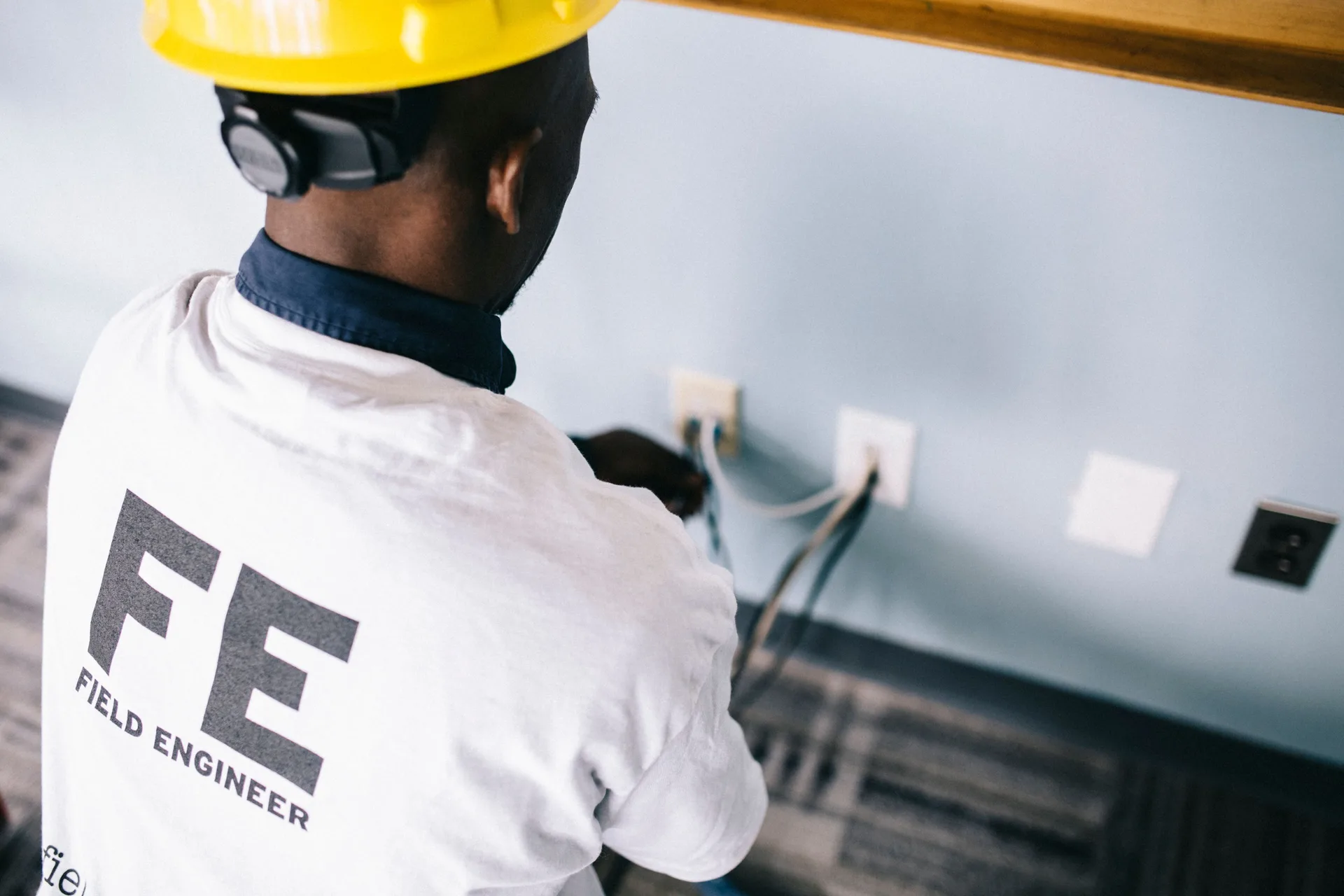
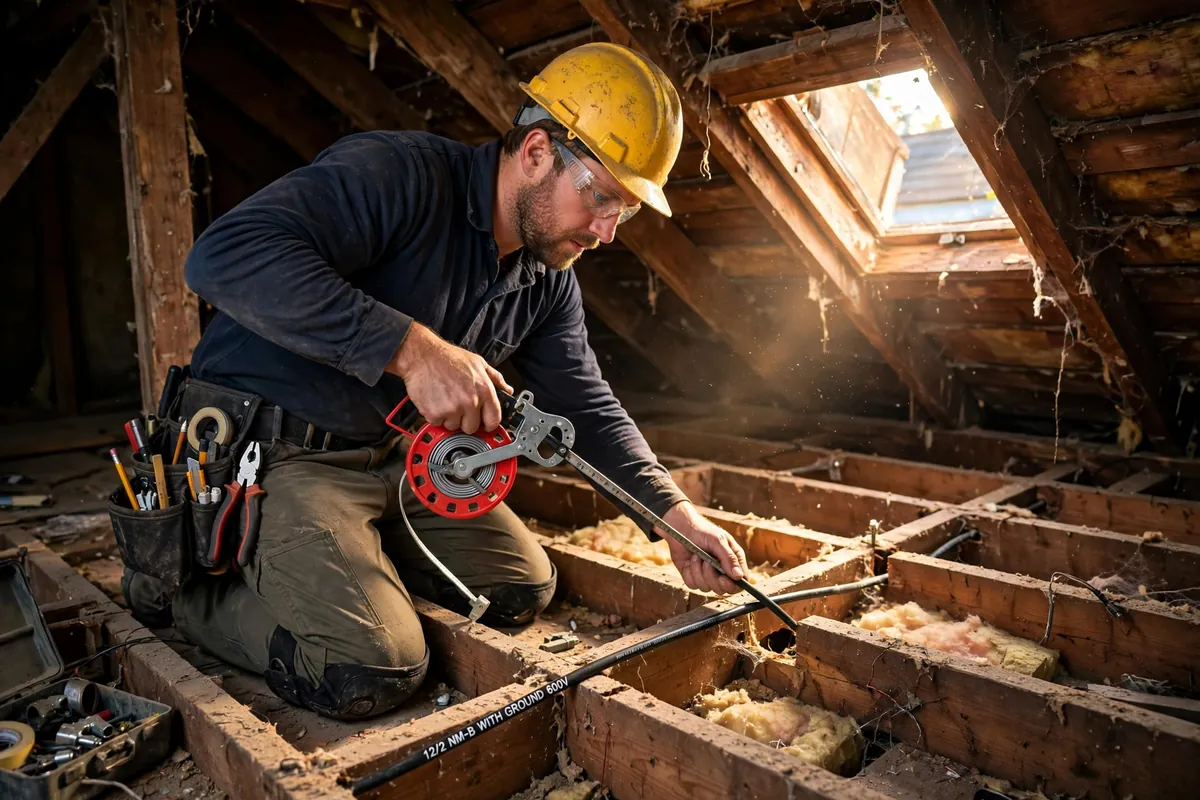
An inspector flagged aluminum wiring, or an insurer asked about it?
Insurance and the 4-point inspection
The standard Florida 4-point inspection form asks about wiring type, including single-strand aluminum branch wiring — so the question usually arrives on paper, from an inspector or an insurer, before the homeowner sees a sign. Citizens Property Insurance lists COPALUM and AlumiConn repairs on its form, and each insurer sets its own rules, so the right move is to ask your agent exactly what they need and bring that answer to the visit. The visit produces the documentation the insurer asks for: which circuits carry aluminum, which repair was applied at each connection, and the sign-off that follows the inspection.
The same paperwork matters at a sale: a pre-listing inspection that flags aluminum wiring becomes a negotiation point unless the remediation is already documented, and a buyer whose insurer declines cover over undocumented aluminum wiring is a sale that stalls. Our pre-listing inspection guide covers what a seller checks before listing, and our 4-point inspection guide covers what the form asks. None of this is a reason to panic, and it is not a reason to hide the wiring either: aluminum branch wiring is a known, repairable condition with three recognised permanent repairs and a paper trail insurers understand.
What sets the cost — cost factors only
No price is printed here: the exact figure is held for the call, once the visit has set the scope. The number of circuits and devices comes first — a pigtail repair is priced by the connection, and a house with aluminum on every circuit is a different scope from a house with one affected run. Then the access: attic, crawl space and garage runs are straightforward, while circuits buried behind finished walls take longer. Then which of the three repairs the circuits need, and whether the panel or the service needs work in the same visit. Homeowners usually ask about aluminum wiring repair cost factors at this point; the honest answer starts from the circuit count, the access, and the repair the circuits need — not from a printed figure. Our cost-factor estimator works through the factors for a job like this.
The visit sequence — and what to have ready for the call
The visit starts with the signs and the build date, then reads the cable jacket and the panel label area from a distance, then opens the devices on the affected circuits one by one. The repair choice follows the reading: rewire, COPALUM, or AlumiConn, circuit by circuit, with the paperwork the insurer asks for produced as the work is signed off.
A call goes faster with four things ready: your street in ZIP 34945 or 34950, and the age of the house; the signs you have seen — warm covers, a smell, flickering lights, dead outlets — and where they showed up; whether an inspector flagged the wiring, and what the form said; and what your insurer asked for, if they have asked. The electrical inspection page covers the assessment; the hiring checks are in our licensed electrician guide.
An older home, connections that have been loosening for decades, and three permanent repairs to choose between — that is the Fort Pierce aluminum decision in one line. Aluminum wiring repair Fort Pierce is not a one-outlet job: every connection on the affected circuits is part of it, and the visit is what turns the signs into a repair plan. Call (772) 218-3629 any time; we are open 24/7, licensed and insured, with 23 years of experience and Master Electrician Certification. For everything else, the Fort Pierce Electric Pros homepage is the starting point.
Aluminum Wiring Repair in Fort Pierce: frequently asked questions
How do I know if my Fort Pierce home has aluminum wiring?
Start with the build date: homes built roughly from 1965 to the mid-1970s may carry single-strand aluminum branch wiring, while homes built before 1965 are unlikely to have it. Then look for exposed cable in the attic or garage — the jacket printing says “AL” or “ALUMINUM”. The visit confirms it device by device.
Is aluminum wiring dangerous, or just old?
It is a real hazard, not just an age. The metal expands, loosens and oxidises at the connections over years, raising resistance until the connection heats. A national survey done for the CPSC found homes built before 1972 with aluminum wiring were 55 times more likely to have an outlet connection reach “fire hazard conditions” than copper-wired homes.
What are the three permanent repairs for aluminum wiring?
CPSC Publication 516 lists three: a full copper rewire, which replaces the aluminum branch circuits; the COPALUM crimp, which joins a copper pigtail to each aluminum wire with a special crimp; and AlumiConn connectors, a listed three-port lug that joins a copper pigtail to the aluminum wire at each device and splice. All three touch every connection on the affected circuits.
Will my insurer cover a home with aluminum wiring?
It depends on the insurer and the documentation. The Florida 4-point inspection form asks about wiring type, and Citizens Property Insurance lists COPALUM and AlumiConn repairs on its form — but each insurer sets its own rules, so ask your agent exactly what they need. A documented remediation is what insurers ask for; an undocumented quick fix is what stalls a policy or a sale.
Can I just replace the outlets with CO/ALR devices?
No — not as a complete fix. Devices rated CO/ALR are made for direct connection to aluminum wire, but they only cover receptacles and switches. They do not repair the splices, the fixtures, the fans, or the panel connections, so the fault stays in the rest of the circuit. A permanent repair — rewire, COPALUM or AlumiConn — works on every connection.
What should I have ready when I call about aluminum wiring?
Start with your street in ZIP 34945 or 34950 and the age of the house. Add the signs you have seen — warm covers, a burning smell, flickering lights, dead outlets — and where they showed up. Bring what the inspector wrote, if one flagged the wiring, and what your insurer asked for, if they have asked. Call (772) 218-3629, 24/7.
Ready to talk?