
Electrical Repair in South Beach, Fort Pierce
Electrical repair South Beach Fort Pierce starts outdoors, where salt air reaches the panel, the meter equipment and the pool circuits first. For beach homes in ZIP 34950 near Jetty Park and Fort Pierce Inlet State Park, we diagnose the symptom.
Call Now to Speak to a Specialist
Open 24 hours a day, 7 days a week.
A beach home's repair starts outdoors: corrosion on the panel and meter equipment, a pool circuit that trips after hours of running, or surge damage after a storm. Electrical repair South Beach Fort Pierce means testing first, then checking capacity and condition together before any bigger load is added.
A South Beach repair starts outside the house
Fort Pierce's South Beach sits on the south barrier island, reached from the mainland by US 1, between Jetty Park, Fort Pierce Inlet State Park, the Inlet and the Indian River Lagoon. This is Fort Pierce's South Beach — not Miami's South Beach — and its electrical work follows the island, not the name. Wind drives salt into every outdoor box.
That is why a repair visit here starts outdoors, at the panel, the meter equipment and the disconnects, before anyone looks at a switch or an outlet inside. The most-called-for work tells the same story: corrosion repair, pool and spa circuits, outdoor and security lighting, surge protection, generator readiness and panel work. An electrician South Beach Fort Pierce homeowners call first checks the outside of the system, because an indoor symptom often starts there — a flicker can trace back to a corroded outdoor connection. Our South Beach area page covers the work we do on the island, and our electrical repair service covers what a repair visit involves.
Read the symptom first: what each sign points to
Beach-home faults announce themselves in a small set of symptoms, and the same symptom can come from more than one cause. The visit's first job is to read the symptom properly — when it happens, what was running, whether it follows rain or a humid evening. Match what you see below.
| Symptom | What it usually points to | First step |
|---|---|---|
| Green or white crust on terminals, stiff disconnect | Salt-air corrosion raising resistance | Call; note the fitting |
| Breaker trips after a storm | Water in an outdoor box | Reset once; call if it trips back |
| Lights flicker on a humid evening | A loose connection, or a load problem | Note which rooms; call the same day |
| Pool circuit trips while the pump runs | GFCI fault, corrosion, or a failing pump motor | Reset once; leave off if it trips again |
| Dead outdoor outlet | A tripped GFCI upstream | Reset the GFCI once, then call |
| Burning smell, scorching or crackling | A hot connection — an emergency | Leave the circuit off and call now |
Two rules sit behind that table. Never open the panel to look for the cause yourself — parts inside a panel stay live even when one breaker is off — and never keep resetting a breaker that trips straight back, because each reset wears the breaker and hides the cause. A burning smell, a warm or discoloured plate, or a switch that buzzes or crackles is the stop sign: leave the circuit off and call. Our breaker tripping guide explains each cause.
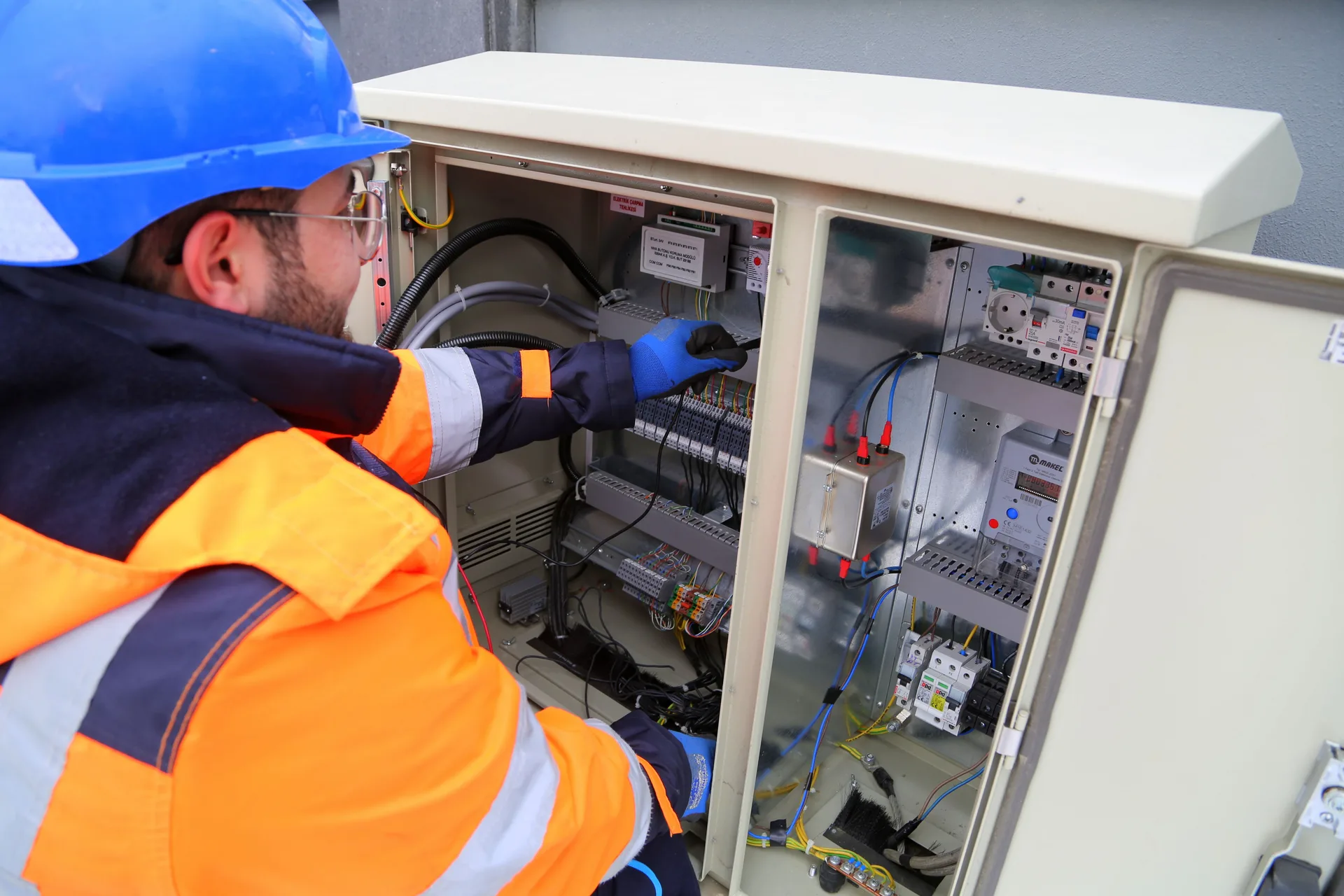
A breaker that trips after every storm?
Salt-air corrosion: clean and test, or replace
Salt air does not break a panel in a day. It works slowly on terminals, screws and disconnects, raising resistance until a connection runs hot or a breaker trips. The signs are worth knowing: a green or white crust on terminals, a disconnect that feels stiff, lights that flicker on a humid evening, or a breaker that trips after a storm.
The repair sequence for corrosion repair South Beach Fort Pierce homes need is test first, then decide. We open the outdoor equipment safely and test each connection before anything is replaced. A terminal that still tests sound after cleaning stays, with its seal put right; a terminal that tests hot, a disconnect that will not move freely, or a fitting eaten through is replaced with corrosion-resistant, wet-rated gear, in a sealed, coast-rated box. That sequence is what electrical repair South Beach Fort Pierce means on the island: test first, then decide. Our salt-air corrosion guide explains how coastal corrosion forms, and our electrical panel repair guide explains which panel faults are repaired and which mean replacement.
Pool and spa circuits that trip
Pool and spa circuits carry a double duty on the island: they run every day, where water, people and electricity meet. A pool pump runs for hours each day through summer, so its circuit works harder than most, and it lives outdoors where salt air, water and storms reach it. When one trips, the cause is usually a GFCI that has done its job, corrosion, a pump motor on its way out, or a bonding fault.
Pool circuit repair South Beach Fort Pierce visits follow a fixed order. We test the GFCI device first, then the circuit, to find which one it is. A device that trips with nothing plugged in, or the moment a load is plugged in, is a fault: leave the circuit off and call. Bonding ties the metal parts of a pool system together; a bonding fault is found by testing. The spa disconnect gets the same check: a stiff or corroded disconnect is a South Beach regular. Our pool and spa electrical page covers the pump, lighting and spa circuits, and our pool bonding and GFCI guide explains how the two protections work together.
Flickering lights, dead outdoor outlets and warm plates
Three indoor symptoms show up again and again in South Beach calls. A flicker that follows a tap on the switch, a flicker in one room only, or a flicker that grows worse over weeks is a loose connection, and a loose connection is a heat source — so it belongs on the same-day list. The other pattern is the brief dim when the air conditioner starts: the compressor draws a large starting surge, the lights dip for a second, then recover. That dip is normal on most homes. Our flickering lights guide explains which pattern is which.
A dead outdoor outlet is usually not dead at all — a GFCI upstream has done its job. The device that tripped may sit in another room or in the garage, so press reset once on the GFCI itself. If it trips again the moment a load is plugged in, or with nothing plugged in at all, the fault is damp in an outdoor box, a corroded connection, or a GFCI at the end of its life. The outdoor GFCI South Beach Fort Pierce homes rely on sits in the weather, so its seal matters as much as the device. A warm or discoloured outlet plate is the third symptom, and the one to take most seriously: a failing device or a loose wire behind the plate, checked with the power on, so it is not a homeowner job. Our outlet and GFCI reset guide walks through the safe steps.
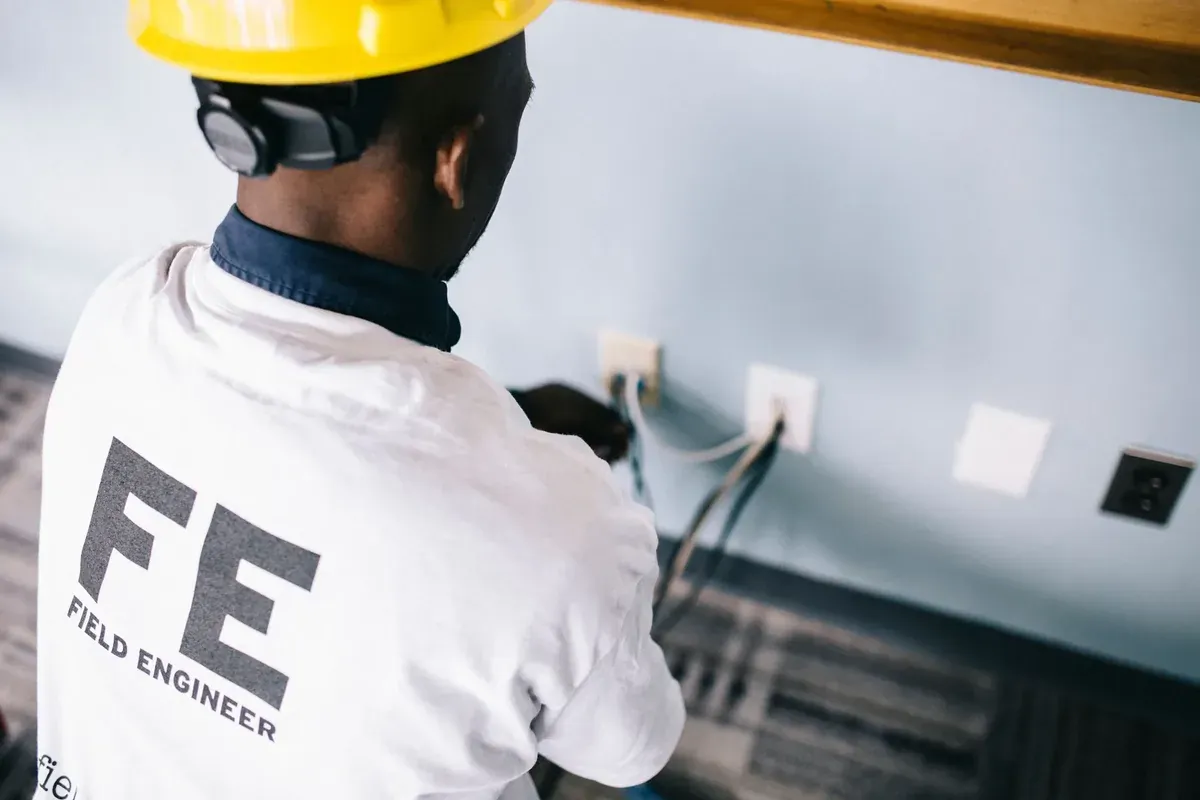
Lights flickering, or an outdoor outlet gone dead?
Surge damage after a storm: the repair order
Afternoon thunderstorms and hurricane-season surges hit island homes hard, because the supply runs exposed to the same weather. A single nearby lightning strike can damage a television, a router or an air conditioner control board, and the damage often shows up days later. Surge damage repair South Beach Fort Pierce visits therefore start with what survived, not only with what failed: we check the panel, the grounding and the outdoor disconnects together, because panel surge protection works best when all three are sound.
The repair order after a storm is fixed. First, the safety check: do not touch wet equipment, do not open the panel, and do not keep resetting a breaker that trips straight back. Test your GFCI outlets. Second, the damage survey: which circuits took the surge and whether the panel shows heat or corrosion the surge has exposed. Third, the fix: replace what the test shows is damaged and fit corrosion-resistant, wet-rated gear where the old gear was not. Generator readiness is the other half of storm preparation: a standby generator with an automatic transfer switch keeps chosen circuits running when the supply drops, and a portable generator must never be backfed through a household outlet. Our whole-house surge protection guide explains how panel protection works; our whole-house surge protection page covers what we install; and our surge protector cost-factors guide explains what moves a quote — cost factors only.
Capacity and condition, judged together
A beach-home panel has two questions to answer: can it carry the loads, and is it still in good condition? Capacity covers the air conditioner, the pool pump, the water heater and any new load. Condition covers corrosion, heat damage and an obsolete brand. A panel can fail either question on its own, and the fix is different for each.
Panel capacity South Beach Fort Pierce households ask about is settled by a load calculation, not by counting empty breaker spaces. The calculation totals what the home already draws, what the new circuit will draw, and what spare capacity the panel truly has, and it decides whether the new circuit fits or needs a panel decision first. One worn breaker is a repair; a bus bar eaten by corrosion is a replacement. The electrical repair cost factors Fort Pierce homeowners ask about are the same facts that decide the scope: the job type, the panel and wiring condition, access, the corrosion found on site and any permit step for your address. A beach address on its own never makes a job cheap or expensive, and we do not quote a firm figure until we have seen the home. We are licensed and insured, with 23 years of experience and Master Electrician Certification, and we put the agreed scope in writing before work starts. Our electrical panel repair guide explains which panel faults mean replacement, and our electrical panel upgrade page covers the capacity question.
Thinking about a bigger load?
What to tell us when you call
Six things make a South Beach repair visit faster: your street address, because no ZIP is assigned to the South Beach page, so the street is what places your home; what fails and when — which breaker trips, which outlet died, whether the fault follows rain or the air conditioner starting; whether the problem is indoors or outdoors, and whether anything got wet; any new load on the way; and whether anything smells hot or looks scorched — if it does, say so first and leave the circuit off.
Those answers turn a call into a visit that starts with the right check, outdoors. That is what same-day electrical repair South Beach Fort Pierce means in practice: a fault found by its symptom, tested before it is fixed, and repaired with gear rated for the coast. If you are looking for electrical repair near South Beach Fort Pierce, call (772) 218-3629 any time; we are open 24 hours a day, 7 days a week, and same-day service is available. For the wider picture, our electrical repair on Hutchinson Island guide covers the same symptoms across the Inlet, and the South Beach area page covers the work we do on the island.
Electrical Repair in South Beach, Fort Pierce: frequently asked questions
What electrical problems are most common in South Beach homes?
Corrosion on outdoor panels, meter equipment and disconnects, pool and spa circuits that trip, outdoor lighting that fails, surge damage after storms, and panels that need a capacity and condition check before a bigger load is added. Salt air works slowly on terminals and disconnects, raising resistance until a connection runs hot or a breaker trips. Each symptom needs its own diagnosis.
Why does my pool circuit keep tripping in South Beach?
A pool pump runs for hours each day through summer, and its circuit lives outdoors in salt air and storms. The usual causes are a GFCI that has done its job, corrosion in an outdoor box or disconnect, a failing pump motor, or a bonding fault. Reset once; if it trips straight back, leave it off and call.
My lights flicker on humid evenings — is that an emergency?
A brief dim when the air conditioner starts is normal, but a flicker that grows worse over weeks, a flicker in one room only, or a flicker that follows a tap on the switch points to a loose connection, and a loose connection is a heat source. It belongs on the same-day list. A burning smell, scorching or crackling is an emergency: leave the circuit off and call.
What should I do after a storm damages my outdoor electrics?
Do not touch wet equipment, do not open the panel, and do not keep resetting a breaker that trips straight back. Test your GFCI outlets and note any breaker that trips more than once or any outlet that has gone dead. Then call and say exactly what got wet, because a wet panel or disconnect needs a different approach from a dry one.
Can I add a bigger load to my beach home's panel?
Only after capacity and condition are judged together. A load calculation totals what the home already draws, what the new load will draw, and what spare capacity the panel truly has, while the condition check looks at corrosion and heat damage. The answer may be a repair, a subpanel, load management or a panel upgrade, and the exact figure follows the visit, never a phone guess.
What should I tell you when I call about a repair in South Beach?
Your street address, because no ZIP is assigned to the South Beach page, so the street is what places your home. Then what changed and when, whether the problem is indoors or outdoors, whether anything got wet, and whether anything smells hot or looks scorched — say that first and leave the circuit off. Call (772) 218-3629, 24/7.
Ready to get the fault found?