
Fuse Box Replacement in Fort Pierce
Around Lincoln Park and Downtown, many older homes still run on a fuse box, and fuse box replacement Fort Pierce is the decision that follows when the panel is too small, too old, or flagged on inspection — in ZIPs 34945 and 34950.
Call Now to Speak to a Specialist
Open 24 hours a day, 7 days a week.
A fuse box is a panel that protects circuits with fuses instead of breakers, and replacing it means fitting a modern breaker panel — usually with a larger service behind it. The decision is not about fuses being broken. It is about age, capacity, and what an inspection or an insurer says about the panel.
How a fuse box works — and where it falls short
A screw-in fuse protects its circuit with a thin metal strip, visible through a small window in the fuse face. When too much current flows, the strip melts apart and the circuit goes dead, and the fix is a new fuse of the same rating. That one-time design is the fuse box's strength and its weakness: it works, and it gives you nothing after it works — no reset button, no trip indicator, no spare capacity.
The deeper problem is the base the fuse screws into. The common Edison-base socket accepts any rating that fits the thread, so a 15-amp circuit can end up carrying a 30-amp fuse when someone is tired of replacing blown ones — and the wire behind it is still rated for 15 amps. Tamper-resistant Type S adapters fix the mismatch by locking each socket to one rating, but they do not fix the panel's age or its size. Most fuse boxes still in service carry a 30, 60, or 80-amp service, built for a house that ran far less than a modern home does.
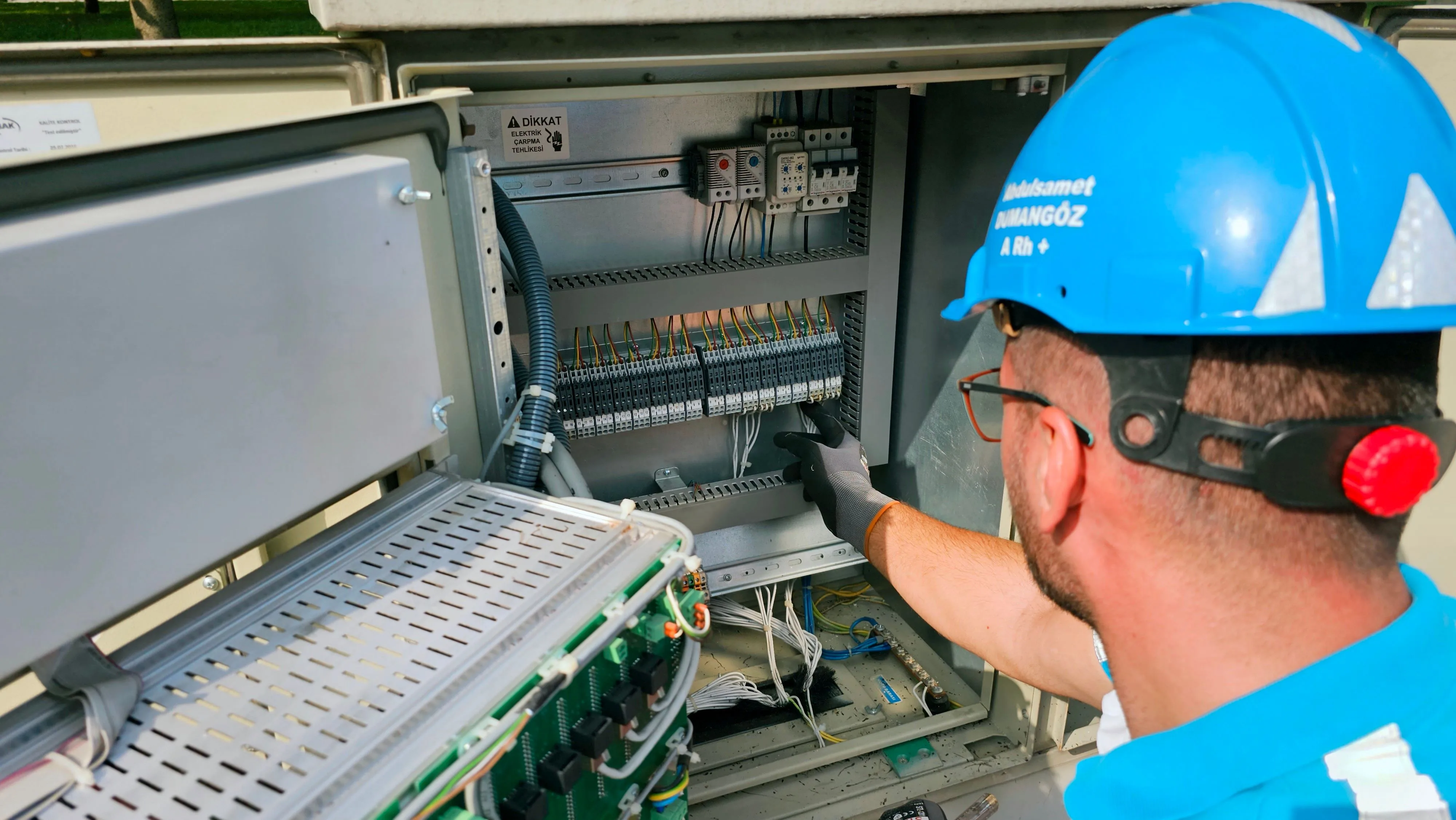
Fuses blowing again and again under normal use?
The signs your fuse box is finished
Fuses that blow again and again under normal use are the first sign: a circuit that keeps blowing is overloaded or faulty, and a bigger fuse is never the answer. Scorch marks or discolouration around the fuse sockets, a panel that feels warm, a buzzing or crackling sound, and a smell of burning are all warnings to act on the same day. Lights that dim when a big appliance starts, and no spare space for a new circuit, say the service has run out of room.
Two findings end the discussion outright. The first is a bridged fuse — a coin, foil, or copper wire put across the fuse to keep power flowing — which removes the only protection the circuit has. The second is double-tapping, where two wires share one fuse terminal built for a single wire. Both are flagged on inspection, and both mean the panel needs a visit, not another fuse. Do not open the panel yourself; describe what you see when you call.
The 4-point inspection and insurance questions
In Florida, a fuse box usually surfaces during a sale or an insurance renewal rather than during a failure. Insurers commonly ask for a 4-point inspection on older homes, covering roof, plumbing, HVAC, and the electrical system, and the electrical section records the panel type, brand, amperage, and wiring. A fuse panel under 100 amps is commonly flagged, and an insurer may decline the policy, charge more, or ask for replacement before renewal.
That is why the fuse box decision is often a deadline decision, not a preference: the inspection report sets the clock. The paper trail matters here — a replacement done by a licensed electrician, with the permit and inspection report to show for it, is what the insurer and the buyer want to see. Our knob-and-tube insurance guide works through the same inspection-and-insurer ground for older wiring, and our 4-point inspection guide covers what the electrical section checks.
Fuses vs breakers: what actually changes
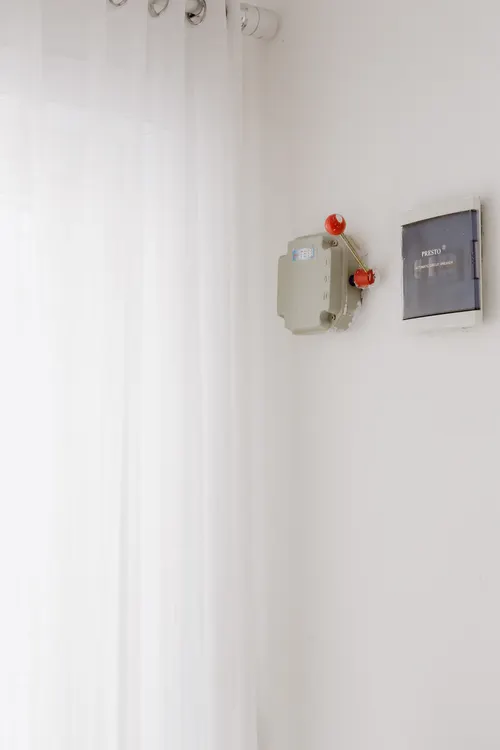
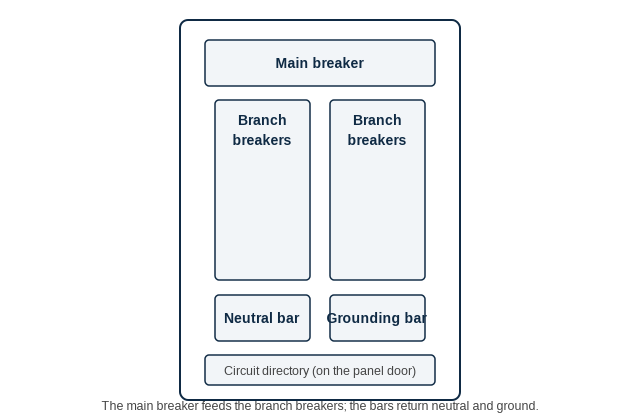
The change is bigger than the device on the wall. A breaker panel gives every circuit a switch you can reset, instead of a fuse you replace, and it brings the protections a fuse box never had: GFCI protection where water is near, AFCI protection where damaged wiring could arc, and dedicated circuits for the loads a modern home runs. The panel is labelled circuit by circuit, so the next fault is found in minutes rather than by trial and error.
The service usually grows with the panel. A fuse box replacement Fort Pierce job most often moves the home from a 60-amp service to 100 or 200 amps, because the load calculation behind the new panel counts the air conditioner, kitchen circuits, water heater, dryer, and charger together. Our 100-amp versus 200-amp guide works through the comparison, and our expand-versus-upgrade guide covers adding spaces against adding capacity.
Fuse box, Federal Pacific, and knob-and-tube: three different problems
Three older-home problems are often confused, and they have three different fixes. A fuse box is a panel type: fuses instead of breakers, usually on a small service. Federal Pacific and Zinsco are breaker-panel brands with a known failure history, treated as replace-first. Knob-and-tube is a wiring method, not a panel at all. A home can carry one, two, or all three, and each needs its own verdict.
That is why the visit inspects the panel and the wiring together, instead of pricing a panel from a phone description. Our Federal Pacific versus Zinsco guide explains the brand problem, and our signs a house needs rewiring guide covers the wiring side. The fuse box post owns the panel-type decision; the other two guides own theirs.
Panel too small, too old, or flagged on inspection?
What the replacement changes in your home
A replacement swaps the fuse box for a breaker panel, and usually raises the service behind it: a larger meter base, new service entrance conductors, and grounding to match, with the permit and inspection steps confirmed for the exact address. The branch circuits are inspected as part of the job, and rewiring happens only where the wiring itself is unsound — a panel change does not force a whole-house rewire on its own.
What the household notices is room: room for the air conditioner and the charger to run together, room for kitchen circuits after a remodel, room for the next circuit without doubling up. Our electrical panel upgrade service page sets out what the job itself covers, and our panel repair guide covers the faults that stay repairs rather than replacements.
What sets the cost — cost factors only
No dollar figure appears on this page, because the exact price is given on the call. What shapes the scope is the service size first: a 60-amp fuse box moving to 200 amps is a bigger job than a 100-amp panel changing like for like, because the meter base, service cable, and grounding all grow with it. Then come the panel's condition, the wiring's condition, and access.
The scope of a fuse box replacement Fort Pierce job depends on those same factors, plus what the inspection finds in the branch wiring and whether the job also adds circuits for a charger or a remodel. Our panel upgrade cost-factors guide sets out each factor in full, and it invents no price. Call (772) 218-3629 with the fuse type, the service size if you know it, and what keeps blowing, and we will talk through the scope and the visit.
The visit, and what to have ready when you call
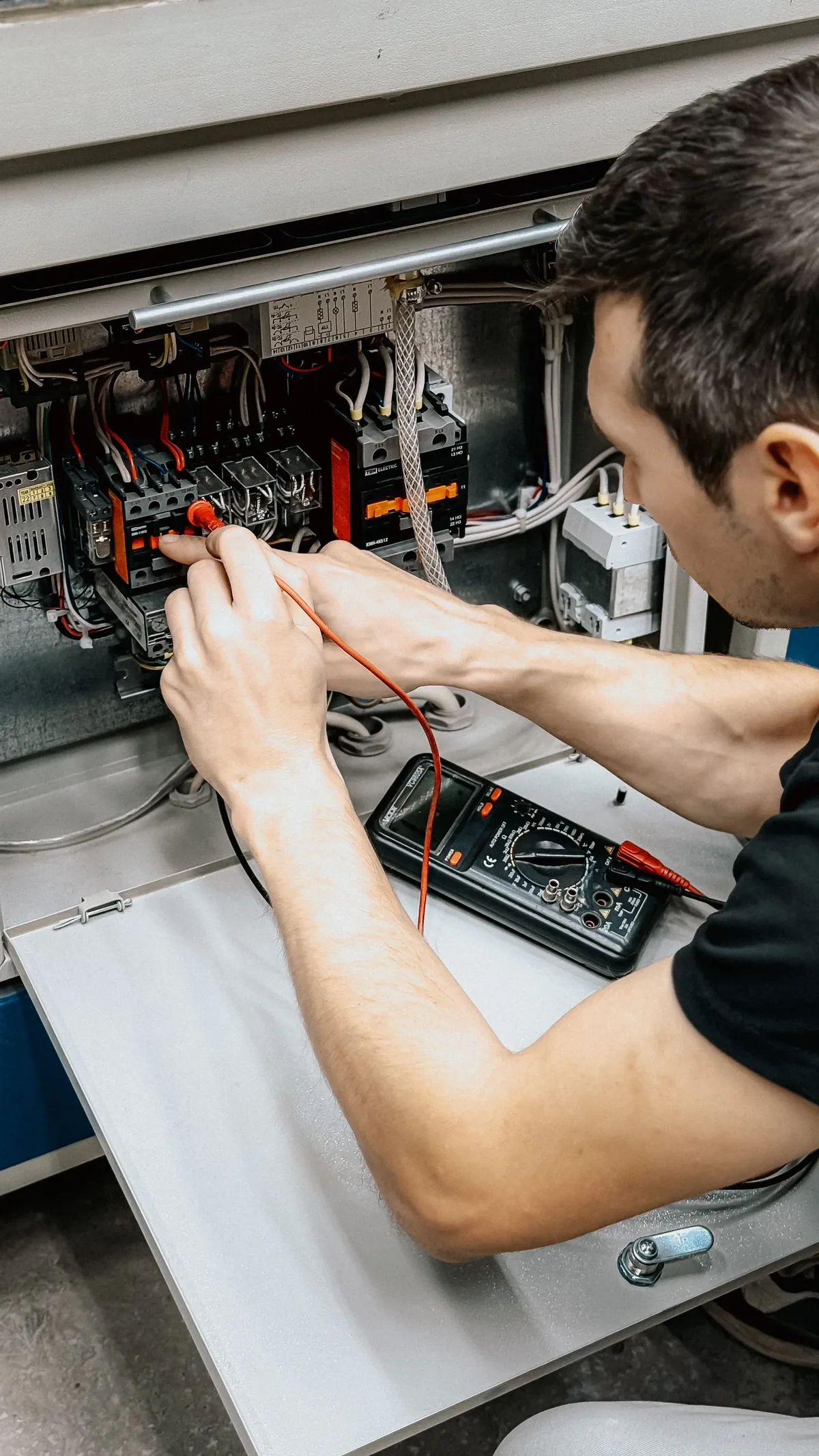
The visit starts at the panel: fuse type, service size, and condition, including scorch marks, double-taps, and any sign of bridging. Then the load list: what the house runs together, and what it plans to add. The calculation sets the running total against the service size, and the verdict follows: replace the panel, raise the service, or both.
An electrical inspection is the sensible first move when you are buying, selling, or facing an insurer's deadline, and our licensed-electrician guide covers what to check before hiring. A call goes faster with four things ready: your street in ZIP 34945 or 34950; the fuse type and service size if you can read them; what keeps blowing; and whether a sale or a renewal set the deadline.
The verdict for a fuse box replacement Fort Pierce job comes in plain language on the visit, with the exact price held for the call. Call (772) 218-3629 whenever suits you — we are open 24/7, licensed and insured, with 23 years of experience and Master Electrician Certification.
Fuse Box Replacement in Fort Pierce: frequently asked questions
How do I know if my home still has a fuse box?
Look for screw-in fuses with small glass windows instead of breaker switches, often in a grey metal box with a 60-amp main. The fuses unscrew by hand when they blow, and the panel usually has no reset switches at all. Do not open the panel to check: tell us what you can see from the outside, and the visit confirms the type, the service size, and the condition.
Can I just keep replacing blown fuses?
For a while, if every replacement matches the rating of the circuit it protects. A fuse that keeps blowing is telling you the circuit is overloaded or faulty, and fitting a higher-rated fuse is never the answer — the wire behind it is rated for the lower figure, and the fuse is the only thing stopping it overheating. Repeated blowing means the panel needs a visit, not another fuse.
Will my insurer ask me to replace a fuse box?
Often, through the 4-point inspection. The electrical section records the panel type, brand, amperage, and wiring, and a fuse panel under 100 amps is commonly flagged. An insurer may decline the policy, charge more, or ask for replacement before renewal. The insurer's own wording decides, so ask them directly — and bring the inspection report to the call.
Does a fuse box replacement always mean a bigger service?
Almost always. Most fuse boxes still in service sit on a 60-amp service, sized for a house that ran far less than a modern home does. The replacement panel is usually sized at 100 or 200 amps, and the load calculation behind it counts the air conditioner, kitchen circuits, water heater, dryer, and charger together. The calculation, not the old panel, sets the new size.
What happens to the wiring when the panel is replaced?
The panel and the service behind it are replaced: meter base, service entrance conductors, and grounding to match the new size. The branch circuits are inspected as part of the job, and rewiring happens only where the wiring itself is unsound — a panel change does not force a whole-house rewire on its own. Where the wiring is knob-and-tube or aluminium, the visit says so plainly and prices that work separately.
What should I have ready when I call about a fuse box in Fort Pierce?
Start with your street in ZIP 34945 or 34950, and the fuse type and service size if you can read them. Add what keeps blowing, and whether a sale, a purchase, or an insurance renewal set the deadline. Those four answers let the call set the scope and the visit time. Call (772) 218-3629, 24/7.
Ready to talk?