
Subpanel Installation in Waterstone, Fort Pierce
Subpanel installation Waterstone Fort Pierce — for a newer Waterstone home that has run out of breaker spaces but still has service capacity, a subpanel adds room without replacing the main panel: the Waterstone decision for homes in ZIP 34951, off Midway Road and Jenkins Road.
Call Now to Speak to a Specialist
Open 24 hours a day, 7 days a week.
Subpanel installation in Waterstone: the short answer
Subpanel installation Waterstone Fort Pierce is the answer when the breaker row is full and the service still has headroom: a smaller panel fed from the main panel, giving a Waterstone home more spaces for the next circuits without a full upgrade. This guide sets out when that fits, when it does not, and what the visit checks first.
Spaces or capacity: the one distinction that decides it
Subpanel installation Waterstone Fort Pierce rests on one distinction: a subpanel adds breaker spaces, and it does not add capacity. The feeder that supplies it still comes from the main panel, so the house keeps the service size it already has — a 60-amp subpanel on a 100-amp service is still a 100-amp house. The distinction is the whole decision, and it is settled by a load calculation, not by counting empty slots.
Out of breaker slots but with capacity left over, a subpanel fits. Out of capacity, the answer is an upgrade, because more spaces on a full service change nothing — the new circuits would still trip the main. Our expand-the-panel-or-upgrade guide owns that comparison in full, and this post links to it rather than repeating it. The 100-amp-vs-200-amp guide explains how the service size itself is settled.
When a subpanel is the answer in Waterstone
Waterstone is a newer subdivision in southwest Fort Pierce, off Midway Road (CR 712) and Jenkins Road (CR 611), and its homes tend to gain loads over time rather than all at once: a charger one year, a workshop circuit the next, an addition after that. The panels in these homes are usually in good condition — the question is whether they have room for the next load, and the answer comes from a load calculation, not a guess. That pattern is exactly where a subpanel fits: the house is sound, the service has headroom, and the breaker row is simply full.
The loads that push a Waterstone panel over the edge are familiar ones: an EV charger circuit, a workshop or garage circuit, pool equipment, a generator connection, or an addition with its own rooms. A subpanel in the garage keeps the long runs short and groups the new circuits where they are used, instead of running each one back to the main panel. Our EV charger installation in Waterstone guide covers the charger side of that decision, and the Waterstone area page sets out the panel-capacity questions these homes ask for most.
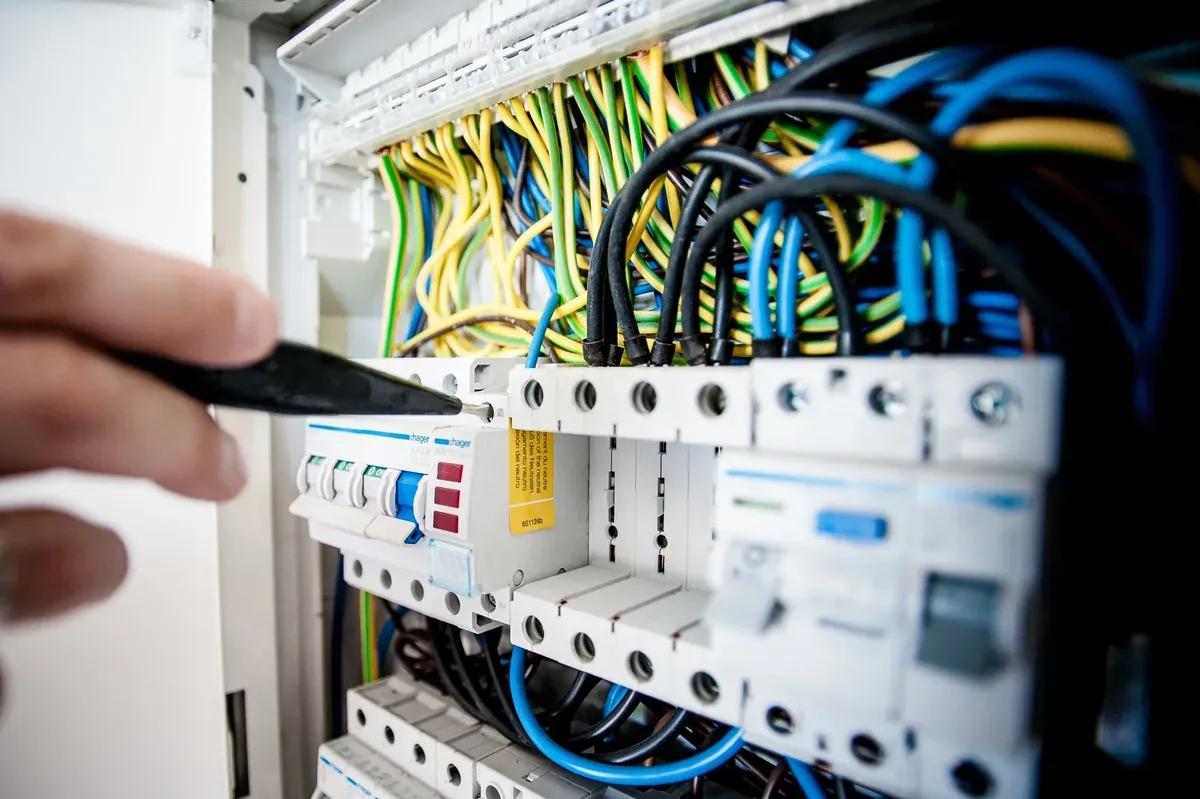
Breaker row full, but the panel itself is sound? A subpanel may be the answer.
When a subpanel is the wrong answer
A subpanel cannot fix a failing main panel, and fitting one to a panel that should be replaced only moves the problem. A Federal Pacific Stab-Lok or a Zinsco panel carries a failure record no repair can undo, so those two brands mean replacement before anything else — never an extension. A corroded, heat-damaged or obsolete panel is the same story: the subpanel would hang new work on a panel that is already past coping.
A service already at its limit is the other wrong answer. If the load calculation shows the house is already using everything the service can carry, a subpanel adds spaces the service cannot feed, and the main breaker will trip under the new load. That is when the upgrade is the honest answer, and the panel upgrade in Waterstone guide sets out the upgrade decision for these same homes. The panel upgrade page covers what a change of service involves.
How a subpanel is wired: feeder, neutral and ground
A subpanel is fed from the main panel by a feeder — a cable run with its own breaker in the main panel — and the subpanel's circuits then hang from its own breaker row. The feeder breaker sizes the subpanel: a 60-amp feeder makes a 60-amp subpanel, and the circuits inside it cannot draw more than the feeder allows. The feeder route matters as much as its size, because a long run through finished rooms is a different job from a short run through an unfinished garage wall.
The wiring rule that catches most DIY subpanels is the neutral and the ground. In a subpanel they must stay separate: they are bonded together only at the main panel, and that single bond is what keeps fault current on the path it belongs on. A subpanel with neutral and ground bonded together is a fault, and it is corrected rather than worked around. The subpanel also carries its own main breaker or disconnect as the install requires, and every circuit lands on its own labelled breaker.
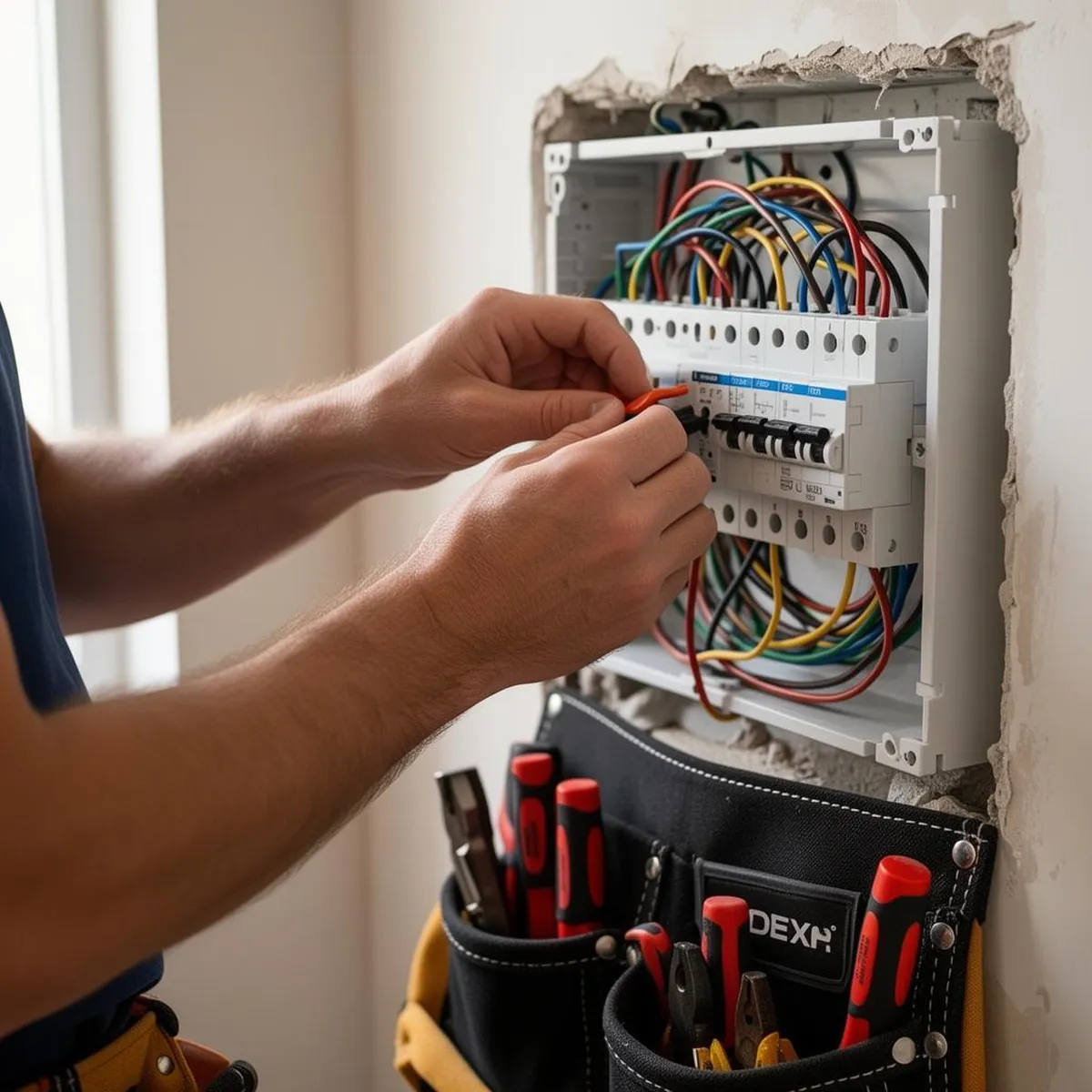
Where the subpanel goes
A subpanel goes near the loads it serves. In a Waterstone home that usually means the garage: the workshop circuits, the EV charger circuit and the outdoor circuits group there, the feeder run from the main panel stays short, and the subpanel sits where the new work is. A subpanel in a far corner of the house, fed by a long run past rooms that do not need it, costs more in cable and loses the point of grouping the circuits.
The spot itself has to meet the same rules as any panel: dry, accessible, with clear working space in front of it, and out of the way of anything that blocks access. An outdoor subpanel needs a weather-rated enclosure, and a subpanel in a damp or dusty spot needs the enclosure to match the location. The visit agrees the spot before the feeder is run, because moving a subpanel after the feeder is in costs more than choosing well the first time.
Cost factors only: what moves a subpanel quote
Exact price and timing are confirmed on the call, and a subpanel quote moves on a short list of factors: the feeder length and route, the subpanel size and breaker count, the condition of the main panel, and the permit and inspection route. A short feeder through an unfinished garage wall is a different job from a long route across finished rooms, and a subpanel fed from a sound main panel is a different job from one that needs the main panel put right first.
The load calculation sits underneath the quote, because it decides whether the job is a subpanel at all. Our panel upgrade cost-factors guide sets out the factors that move a full upgrade, for the homes where the calculation points that way, and the circuit breaker replacement in Waterstone guide covers the smaller job — a single failed breaker — that is sometimes mistaken for a full panel.
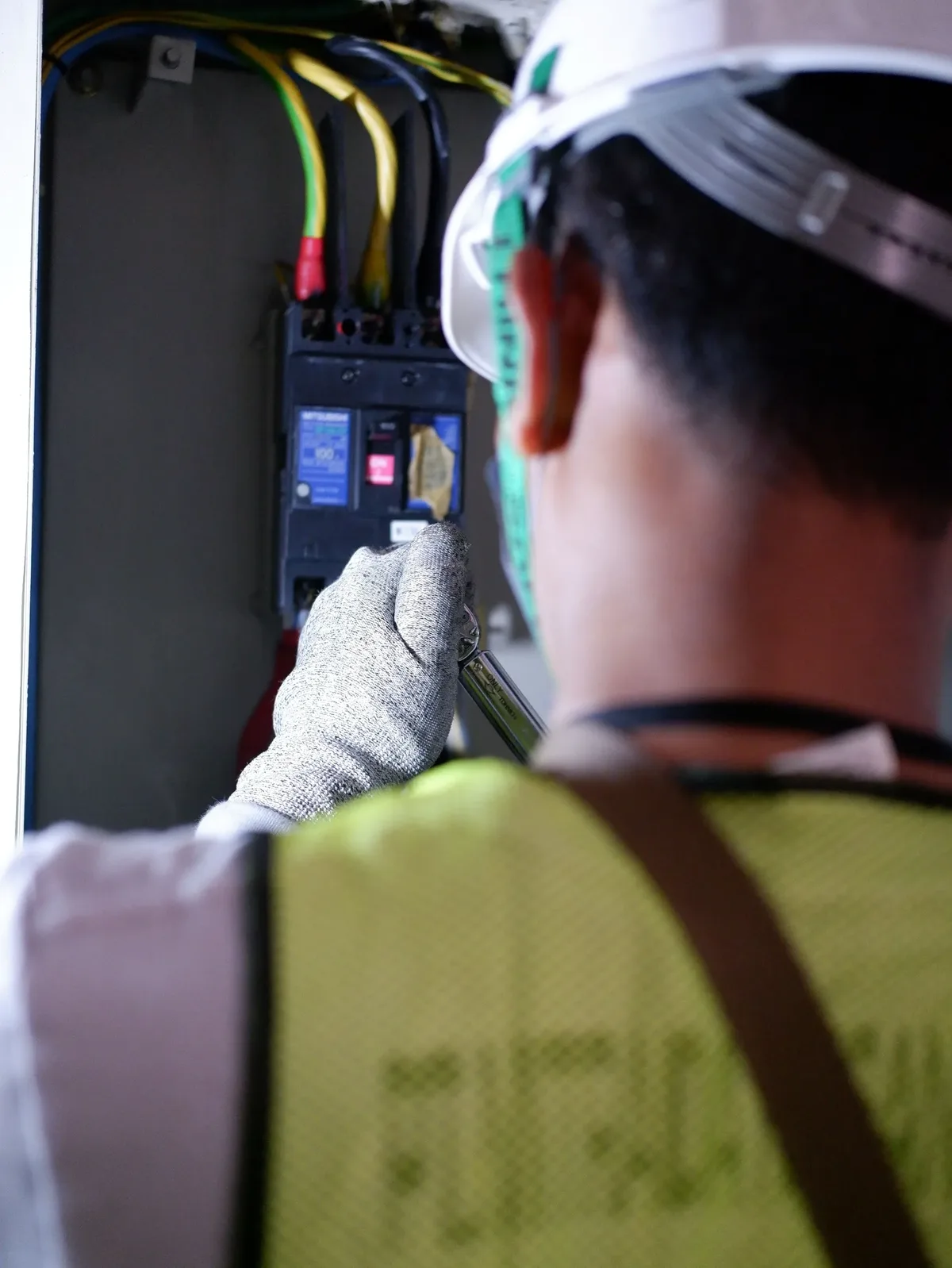
Adding a charger, a workshop circuit, or an addition in Waterstone? Check the panel first.
What the visit checks, and what to have ready for the call
The visit starts with the panel label and the load list: the panel brand and size, how many spaces are free, the loads already served, and what the new circuit adds. That is a load calculation in plain terms — the panel, the circuits and the loads, set against each other — and it settles whether the job is a subpanel, an upgrade, or a repair. The feeder route, the subpanel spot and the permit route follow from that calculation, and the quote follows the visit.
Subpanel installation Waterstone Fort Pierce is settled by the load calculation, not by the breaker count. Call (772) 218-3629 any time; we are open 24/7, licensed and insured, with 23 years of experience and Master Electrician Certification. The subpanel installation page sets out the fitting scope the visit agrees. See the rest of our work on the Fort Pierce Electric Pros homepage.
Subpanel Installation in Waterstone, Fort Pierce: frequently asked questions
Will a subpanel give my Waterstone home more power?
No. A subpanel adds breaker spaces; it does not add capacity. The feeder that supplies it still comes from the main panel, so the house keeps the service size it already has — a 60-amp subpanel on a 100-amp service is still a 100-amp house. If the load calculation shows the service is already full, the answer is an upgrade, not a subpanel, because more spaces on a full service change nothing.
How do I know if I need a subpanel or a panel upgrade?
A full breaker row with headroom in the service points to a subpanel; a service with no headroom points to an upgrade. A Federal Pacific or Zinsco panel, a corroded or heat-damaged panel, or a service already at its limit all point to replacement or upgrade instead. The load calculation decides, not the breaker count, and the visit runs it before either job is quoted.
Can a subpanel feed a detached garage or workshop?
Yes, and that is one of the best fits for a subpanel. The feeder runs from the main panel to a subpanel in the garage or outbuilding, and the workshop circuits group there instead of running back to the house panel one by one. The feeder size, the route and the subpanel's own protection are set on the visit, and the run is kept as short as the layout allows.
Why must neutral and ground stay separate in a subpanel?
They are bonded together only at the main panel, and that single bond is what keeps fault current on the path it belongs on. In a subpanel the neutral and the ground stay separate, so current that should return on the neutral cannot travel on the ground wire or on metal parts instead. A subpanel with the two bonded together is a fault, and the visit corrects it rather than working around it.
Does a subpanel need a permit and an inspection?
Panel work is permit work, and the permit and inspection route is confirmed on the call before the job is booked. The work is inspected before it is finished, and the finished subpanel carries a labelled directory, so every new circuit can be found and isolated. The exact office depends on the address, and the visit confirms which one handles the job.
What should I have ready when I call about a subpanel in Waterstone?
Your street in ZIP 34951, the panel brand and size, how many breaker spaces are free, and the loads being added — an EV charger, a workshop circuit, an addition, or pool equipment. Mention whether the panel has ever felt warm, buzzed, or smelled hot. Call (772) 218-3629, 24/7.
Ready to talk?