
Circuit Breaker Replacement in Waterstone, Fort Pierce
Circuit breaker replacement Waterstone Fort Pierce starts with the symptom read, not the part: for newer subdivision homes in ZIP 34951 and 34950, off Midway Road and Jenkins Road, a tripping breaker can mean a worn breaker, a loose connection, or a panel that has run out of room.
Call Now to Speak to a Specialist
Open 24 hours a day, 7 days a week.
Circuit breaker replacement Waterstone Fort Pierce begins at the panel door, not at the parts shelf: the visit works out whether the breaker has failed, the circuit is overloaded, or the panel itself has run out of room, and the answer decides whether one breaker, a panel repair, or a bigger panel job is the fix.
Waterstone setting: newer homes, loads added over time
Circuit breaker replacement Waterstone Fort Pierce starts with the subdivision, not the breaker. Waterstone is a newer subdivision in southwest Fort Pierce, reached by Midway Road and Jenkins Road, where homes gain loads over time rather than all at once — a charger one year, a generator plan the next, a workshop circuit after that — and the panel that was right for the house as built is the first thing each new load tests. Our Waterstone area page covers the work across the neighbourhood, and our Waterstone repair post covers the wider repair ground — this post owns the breaker diagnosis.
That pattern changes what a tripping breaker means. A newer panel is usually in good condition, so the fault is more often a breaker that has worn out, a circuit carrying more than it was planned for, or a panel with no room left for the next load. The diagnosis sorts those apart before any part is ordered, because each one points at a different fix — a breaker that trips only when the air conditioning and the charger run together is a different job from one that trips with nothing running.
Five signs the breaker itself has failed
The breaker gives itself away in five ways, and the visit reads them as a set. A toggle that will not click firmly into the on position has worn its latch. A breaker body that feels warm against the breakers beside it is carrying heat it should not carry. A reset that drops straight back out says the fault is still there. A breaker that lets go on its ordinary load, week after week, has drifted below the rating it was built to hold. And a burning smell, or scorch marks on the breaker face, says the heat has already done damage.
Homeowners describe the same five signs in their own words when they call — the breaker will not stay on, it trips when nothing is running, it feels hot, it buzzes, or there are scorch marks near it. One sign on its own means a replacement is worth planning; two together mean it should not wait. The failure nobody notices is the one an electrician fears most: a breaker that has stopped tripping at all, so the wiring can overheat with no safety shutoff while the house carries on. The visit checks with a meter whether the breaker still lets go when it should, and never forces the toggle to find out.
While you wait, two rules hold. Keep the panel cover on: the testing that finds the fault runs with the power on, so it belongs to the electrician, not the homeowner. And never hold, tape or force a breaker into the on position — a breaker that refuses to latch may be sitting on a fault it is doing its job to stop.
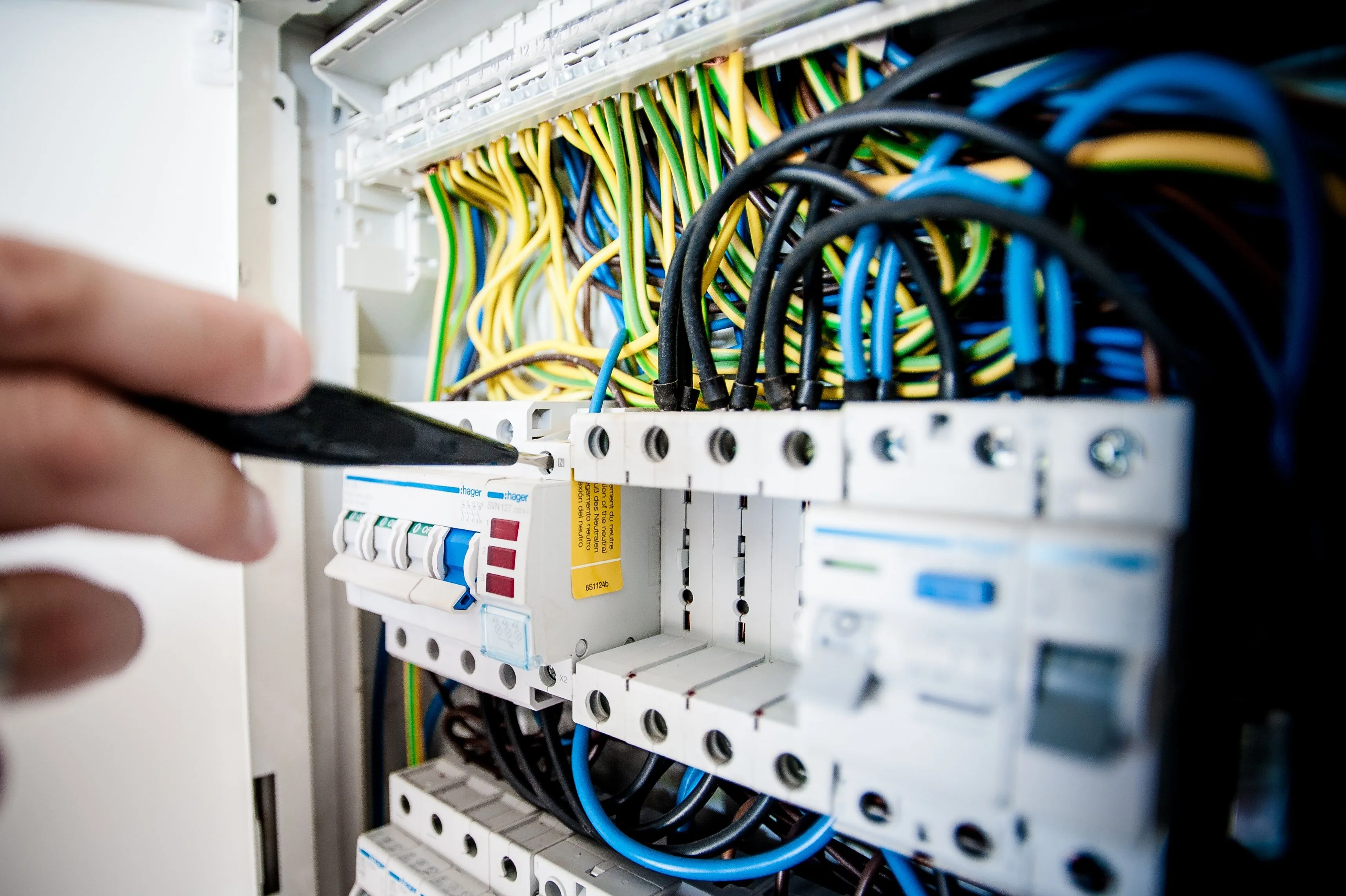
A breaker that runs warm, or lets go with nothing running?
Breaker or panel: the three outcomes
Whether the fix is one breaker or a bigger job is decided by what the bus bar and the panel show, and the visit runs a three-way test before any part is ordered. A single trip after a clear overload, with a reset that holds, means the breaker did its job — the work is finding what overloaded it. A breaker that lets go below its rating, will not stay reset, or runs warm on an ordinary load has failed, and the breaker listed for that panel is the answer. A circuit that drops out every time the same charger or tool starts is short of capacity — the answer is a dedicated circuit, never a larger breaker.
The bus bar sits behind the breakers, and it is where a straight swap can go wrong. A clip that has loosened arcs against the bus and burns the finger it sits on, so a fresh breaker fitted onto that damaged finger trips again within days — the bus stab is inspected before anything goes in. When the bus or a connection is damaged while the panel itself is sound, the middle outcome is a panel repair: the damage is fixed and the panel stays. Our electrical panel repair guide separates the faults that can be repaired from the ones that mean replacement, and our panel upgrade cost-factors guide works through what moves a quote.
The checks settle among three endings. A breaker-only job: the breaker has failed, the bus is clean and the panel is sound, so the listed replacement goes in and the circuit is proven under load. A panel repair: a bus finger or a connection is damaged while the panel itself is sound, so the damage is repaired first and no new breaker goes in until it is. A panel replacement: several breakers misbehaving at once, no open slots left, a major load being added, or a Federal Pacific Stab-Lok or Zinsco panel — one more breaker on failing equipment only moves the failure along. A Federal Pacific panel Waterstone visit and a Zinsco panel Waterstone visit both start the same way: the brand is confirmed first. Our Federal Pacific versus Zinsco guide lays out the case for treating those two brands as replace-first, our expand-or-upgrade guide covers the subpanel and upgrade routes, and our electrical panel upgrade page covers capacity.
The one-reset test — and what never to do
The test is one reset, done properly: switch the breaker fully to off, then firmly back to on, with every device on that circuit unplugged first. A breaker that trips straight back, or will not stay in the on position, stays off — the fault sits in the breaker, the bus or the wiring. A breaker that holds after one reset has done its job, and the visit looks for what caused the single trip instead of replacing a sound part.
Three things never help, whatever the hour: resetting again and again, taping or holding the toggle on, and fitting a larger breaker to stop the tripping. Repeated resets hide a short or an overheated wire. A held-on breaker cannot protect the circuit. A larger breaker leaves the wire to overheat instead of tripping, because the breaker was never sized for that wire. All three turn a small fault into a damaged circuit, and all three are reasons the call should come before the next reset. A burning smell, scorch marks, crackling from the panel, or a breaker hot to the touch means the circuit stays off and the call is urgent — say so at the start of the call, and if you see sparks or smoke, call 911 first. Our emergency electrician page covers urgent calls, and our breaker troubleshooter tool walks through the same one-reset test before you call.
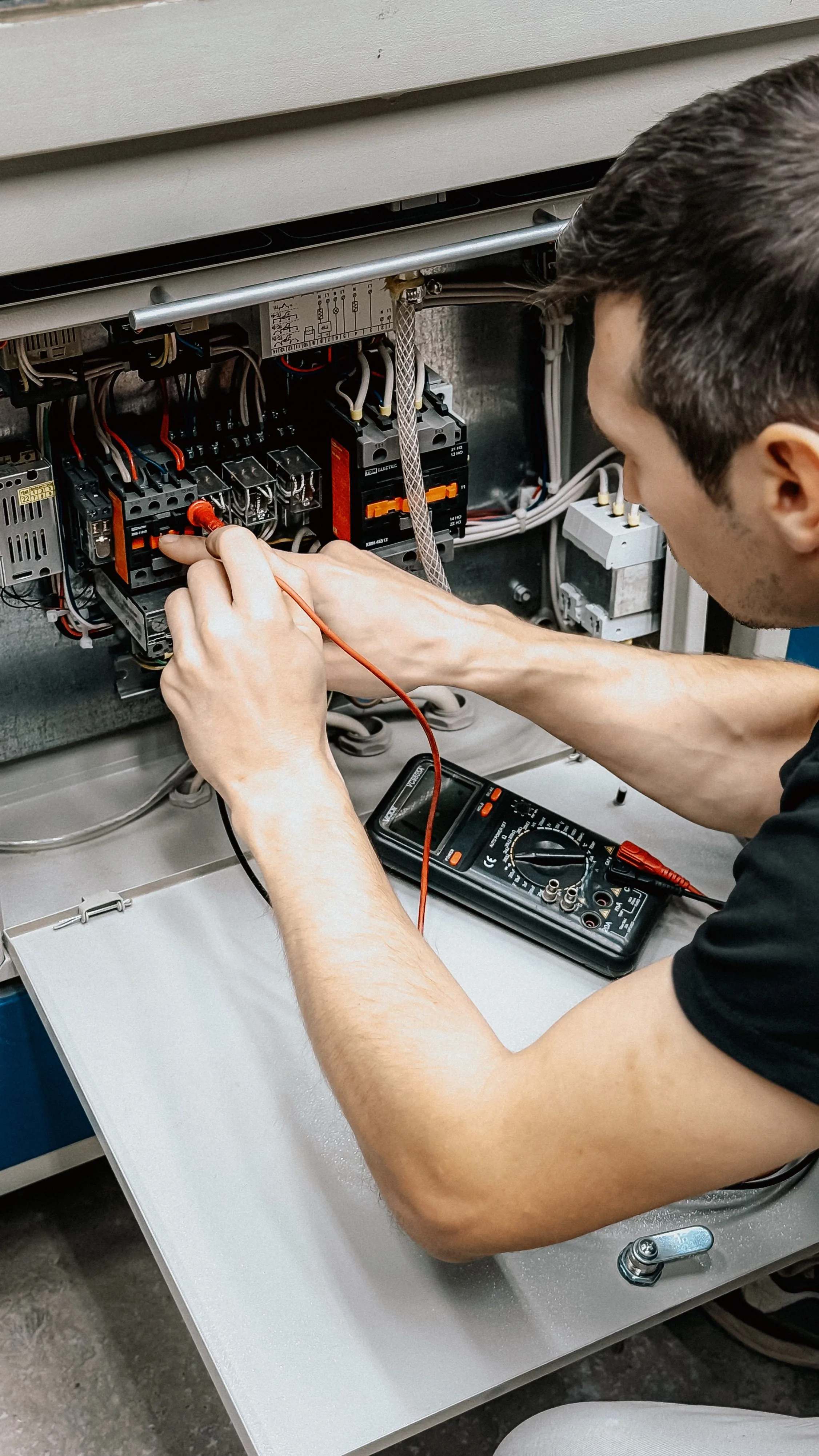
More than one breaker acting up at once?
What the visit checks, step by step
Fitting the breaker takes minutes; the checks around the fitting take the visit. The power goes off first, then the panel is read — brand, bus, and the directory card on the door. The replacement is the breaker listed for that panel, never a lookalike from another brand that happens to fit. Before it goes in, the bus stab it will sit on is checked for pitting and burn marks, and the connections beside it are checked too. Our general circuit breaker replacement Fort Pierce guide covers the same test for homes anywhere in the city.
The visit also checks the protection the circuit was fitted without: arc-fault protection for the living areas, ground-fault protection for the wet and damp ones. Our how-to-read-breaker-panel-labels guide shows where the main breaker number and the directory card sit, and our GFCI outlet installation page covers wet-area protection.
The last step is proof, not assumption. Once the new breaker is in, the circuit is switched back on and run under its usual load, so the visit ends knowing the breaker holds — and the panel directory is corrected before the visit ends. A subpanel installation Waterstone job is the answer when the panel is sound and the service has headroom but the row is full: the subpanel adds spaces, never capacity. Our electrical inspection page and our how-often-inspection guide cover the wider check.
Charger, cooling and smart-home circuits: the Waterstone trip pattern
The Waterstone trip pattern is a load pattern, not a wiring pattern. An EV charger with no spare panel space, air conditioning running hard through a summer afternoon, and smart-home additions on circuits that were never planned for them — each one loads a different circuit, and the breaker that trips may be answering to the charger, the cooling load, or the breaker itself. The visit tells those apart by testing the breaker, the circuit and the load separately, because a new breaker fitted onto a circuit that is simply overloaded trips again the same evening.
The other half of the pattern is timing. Waterstone homes gain loads one at a time — a charger this year, a generator plan next — and each addition is small on its own. The panel absorbs them until one more circuit tips the balance, and the breaker that trips is the one carrying the newest load, not necessarily the one that has failed. Our Waterstone generator post treats tripping breakers as the symptom that starts the backup-power plan, and the charger ground sits on our EV charger installation page — this post links to both, and owns only the breaker diagnosis.
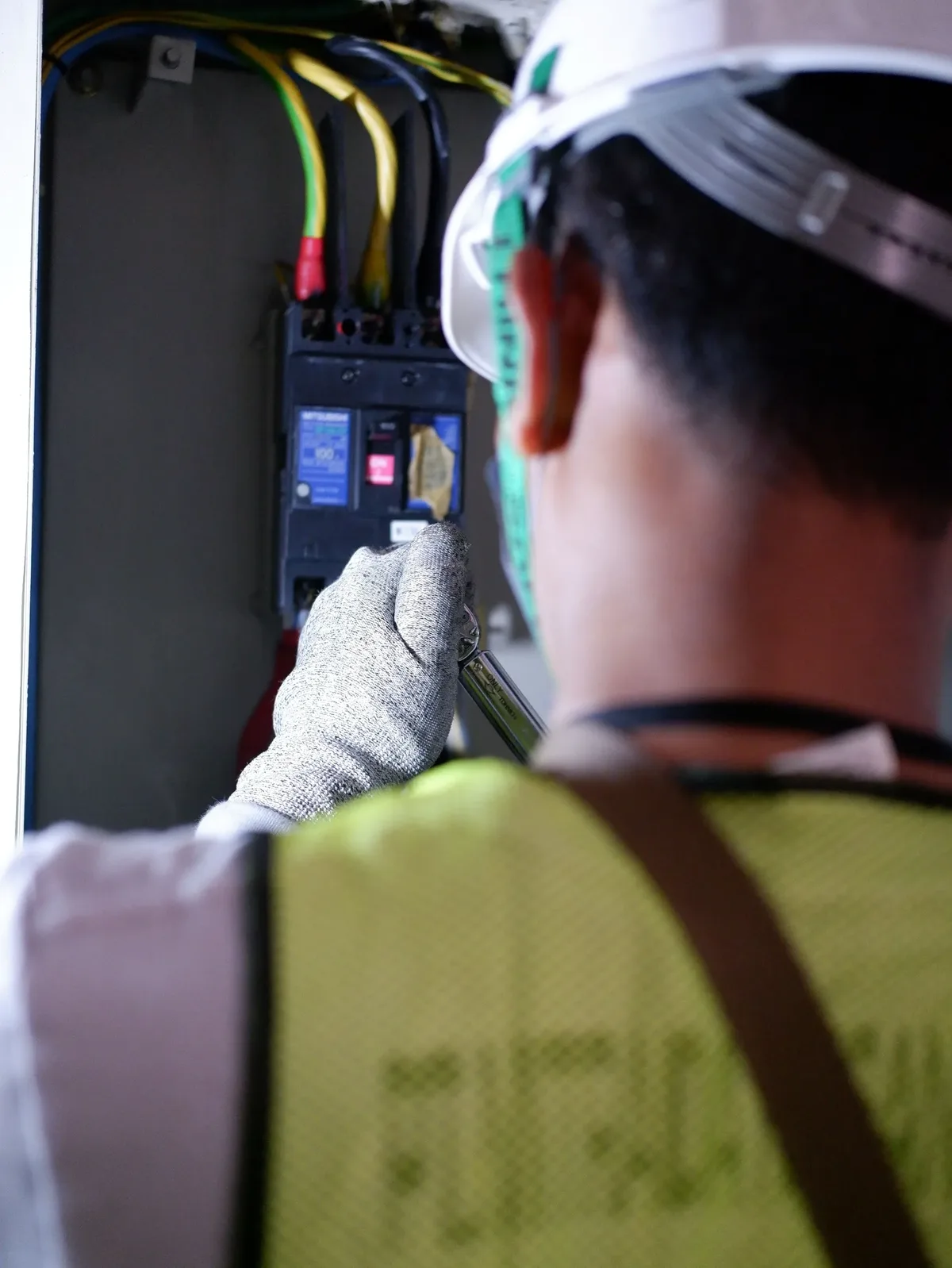
A charger circuit that trips every time the car plugs in?
Cost factors and what to have ready when you call
What moves the quote is the breaker and what sits behind it: the part listed for your panel, the bus bar's condition, the panel brand, and whether the swap leads to panel work. Where the panel sits matters too — a panel in a crowded garage takes longer to read than one on a clear wall. Our electrical repair page covers the wider repair work. No price appears here: the visit turns those factors into a price written for your address, after the testing, not before it.
Circuit breaker replacement Waterstone Fort Pierce is settled at the panel and the bus, and the call is the fastest way to start. We answer around the clock, same-day service is available, and the team is licensed and insured, with 23 years of experience and Master Electrician Certification. Call (772) 218-3629. Sister posts cover the same diagnosis on Hutchinson Island, in South Beach, in Downtown, in Fort Pierce North, in Fort Pierce South, in Lakewood Park, in Lincoln Park, in St. Lucie Village, in Maravilla and in White City — or start at the homepage.
Waterstone breaker replacement: frequently asked questions
What are the signs a breaker needs replacing in a Waterstone home?
Read the signs together, not one at a time. A toggle that will not click firmly on has worn out. A breaker that keeps tripping on its ordinary load, or will not stay on once reset, has failed. Heat, a burning smell, scorch marks, or a buzz from the panel all point the same way. One sign means a replacement is worth planning; two together mean it should not wait.
My breaker will not reset — what do I do?
Reset it once, and only once, with every device on the circuit unplugged: switch the breaker fully to off, then firmly back to on. If it trips straight back, or will not stay in the on position, leave it off — the fault sits in the breaker, the bus or the wiring. Never hold, tape or force it on. A burning smell or scorching around the breaker is an emergency: leave it off and call now.
Why would a breaker trip when nothing is running?
A breaker that trips with nothing running is usually answering a fault, not a load. A worn breaker trips below its rated amperage, a loose connection arcs and heats until the breaker lets go, and a damp joint can leak enough current to trip it. The visit tests breaker, connections and circuit separately. Leave the circuit off until it is checked.
Can I replace a circuit breaker myself?
No. The swap happens with the power off, with the breaker listed for your panel, and only after the bus stab and connections have been checked. The testing runs with the power on, which is why a homeowner never opens the panel. The visit fits the breaker, proves the circuit under load, and corrects the directory before leaving — quick work, but not a homeowner job.
Does a Federal Pacific or Zinsco panel change the fix in Waterstone?
Yes — it changes the fix before the visit starts. A Federal Pacific Stab-Lok or Zinsco panel, or a bus bar that is pitted and overheated, is not a one-breaker job: fitting another breaker on failing equipment only moves the failure along. The honest call is a panel replacement, and it starts by checking the panel brand.
What should I tell you when I call about a breaker in Waterstone?
Your street and ZIP 34951, which rooms lose power when the breaker trips, and what runs on that circuit — a charger, cooling, smart-home loads, or outdoor lighting. Add the panel brand and size, whether the breaker feels loose, warm, or smells of burning, and whether the panel sits indoors or outdoors. Those answers set the scope and visit time. Call (772) 218-3629, 24/7.
Ready to talk?