
Electrical Repair in Lakewood Park, Fort Pierce
Electrical repair Lakewood Park Fort Pierce starts with the panel, because growing households ask more of it every year. For family homes in ZIP 34946, in the northern Fort Pierce subdivisions, the visit checks capacity, tripping breakers, and dead outlets.
Call Now to Speak to a Specialist
Open 24 hours a day, 7 days a week.
The most common electrical repair in Lakewood Park is not one fault but a pattern: a panel that filled up as the household grew, a breaker that trips when the microwave and the air conditioner run together, and outlets that die after a storm. A repair visit starts at the panel, because that is where the load meets the house.
A panel that filled up as the household grew
Lakewood Park is a growing-household area: more people, more air conditioning, and now EV charging and garage power on top of the original panel. A second car becomes an electric car. A garage becomes a workshop. A spare room becomes an office full of equipment. Each change adds load, and the panel is where those loads meet — so the first question on a Lakewood Park repair visit is a practical one: can the panel carry everything the household now asks of it?
The answer comes from a load calculation, not from counting empty breaker spaces. The calculation totals what the home already draws, what the new circuit will draw, and what spare capacity the panel truly has — and it decides whether the new circuit fits as it is, needs load management, or needs a panel decision first. Our EV charger installation in Lakewood Park guide covers the charger side of that question, and our 100 amp vs 200 amp service guide explains how the calculation settles the service size.
Demand is moving the same way
Google Trends shows Florida searches for “emergency electrical repair” up 160%, “commercial electrical repair” up 140% and “residential electrical repair” up 130% over the past 12 months, with “electrical panel repair” up 80% over the past 90 days. Fort Pierce itself appears in the Florida city list for electrical repair — rank 13 of 22, value 57 — the only Fort Pierce city appearance in any Florida view checked this week. Those are relative search-interest figures, not volumes. The West Palm Beach–Ft. Pierce metro ranks 3rd of 10 in Florida for electrical repair over the past 90 days, which is metro strength, not Fort Pierce city evidence.
The direction is clear all the same, and it matches what Lakewood Park visits show: the repair that matters is the one that finds the capacity problem before it becomes a tripping problem. A panel that is full is not automatically a panel that must be replaced, and a panel that looks old is not automatically unsafe — the visit tests the panel, checks the breakers, looks at the bus and the connections, and then explains what fits: a new dedicated circuit, a subpanel, or a full panel upgrade.
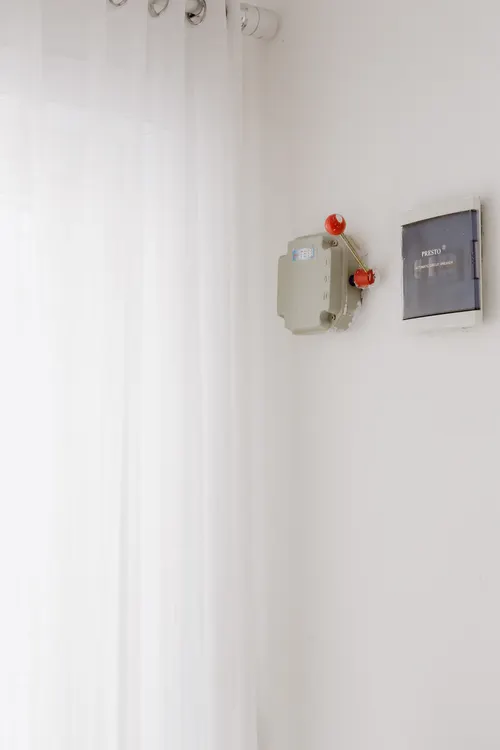
A breaker that trips when the house gets busy?
Breakers that trip when the house gets busy
A breaker that trips is doing its job — the question is why it had to. In Lakewood Park the usual answers are overload, a short circuit, a ground fault, or a breaker that has worn out from years of heat and humidity. A microwave and an air conditioner starting together can trip a breaker that handles each one alone, and a circuit that worked for years can start tripping when a new appliance joins it. Our breaker tripping guide explains what overload, short circuit, ground fault, and a worn breaker each look like, and when to stop resetting.
The rule that matters most: never keep resetting a breaker that trips straight back. Reset once, note what was running, and call if it trips again — each reset after a fault wears the breaker and hides the cause. Electrical repair Lakewood Park Fort Pierce visits start by finding which circuit trips and what runs on it, because the load list decides whether the answer is a repair, a dedicated circuit, or a breaker replacement. Our circuit breaker replacement guide explains the signs a breaker itself has failed.
Dead outlets and GFCI trips in family homes
A dead outlet in Lakewood Park is usually a GFCI story. Bathrooms, kitchens, patios, and garages all run through GFCI protection, and a GFCI that trips is often protecting a circuit that runs farther than the room you are standing in. The safe reset is simple: press reset once on the GFCI outlet itself — which may be in another room, or in the garage, feeding the dead outlet downstream — and if it holds, the circuit is protected and working. Our outlet and GFCI reset guide walks through the safe steps and the point at which you should call instead of trying again.
If the GFCI trips again the moment something is plugged in, or trips with nothing plugged in at all, stop: that is a fault, not a nuisance trip. Water in an outdoor box, a corroded connection, or a failing GFCI device each cause the same symptom, and they are told apart at the device, not from the outlet. A warm outlet plate, a burning smell, or a switch that buzzes means the same thing — stop and call, and leave the circuit off.
Flickering lights and what they mean here
Flickering lights in Lakewood Park have two usual causes, and they point in opposite directions. A brief dim when the air conditioner starts is a voltage dip — the compressor draws a large starting surge, the lights dip for a second, and the system recovers. That pattern is normal on most homes. A flicker that follows a tap on the switch, a flicker in one room only, or a flicker that grows worse over weeks is a loose connection, and a loose connection is a heat source — it belongs on the same-day list, not the watch list. Our flickering lights guide explains which pattern is which.
A bulb swap that does not end the flicker has already told you the answer — the fault is in the circuit, not the bulb. Never open the switch or the panel to look: the test is done with power on, and a hot or discoloured plate, a burning smell, or a switch that buzzes means stop and call. The visit checks the circuit, the connections, and the load on it, and the fix follows what the check finds.
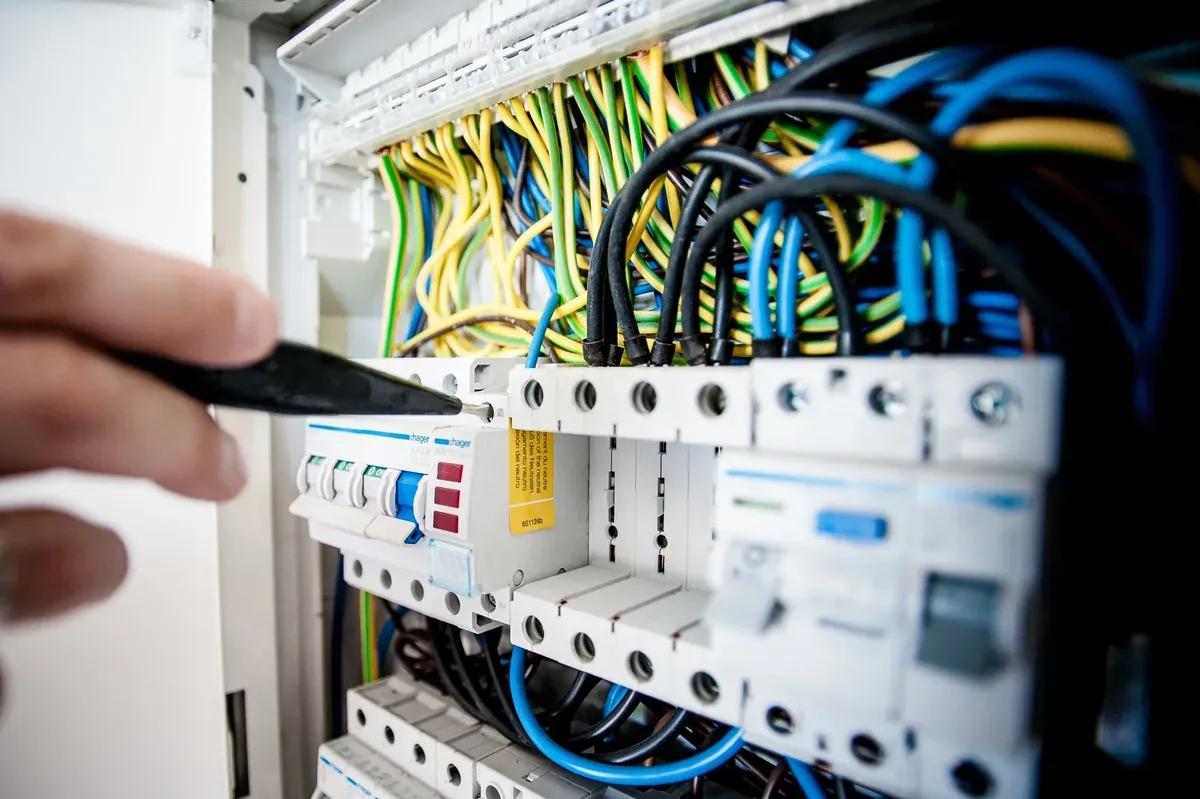
A panel with no spare space, or a flicker that keeps coming back?
Surge protection and storm-season checks
Summer storms send surges through a Lakewood Park home the way a growing household sends load — steadily, and mostly unseen. A single nearby lightning strike can damage a television, a router, an air conditioner control board, or a garage-door controller, and the damage often shows up days later as a device that works badly rather than one that fails outright. Whole-house surge protection at the panel gives surges a safer path, and layered protection — panel device plus point-of-use strips on sensitive electronics — covers what the panel device alone cannot. Our whole-house surge protection guide explains how panel protection works and what layered protection adds.
Surge protection is a repair topic in Lakewood Park because the household keeps adding the very things a surge damages: the office equipment, the smart-home gear, the EV charger, and the garage workshop. After any storm, check for water near panels or outlets, a burning smell, and breakers that trip straight back — if any of those appear, leave the circuit off and call. Our surge protector cost-factors guide explains what moves a quote — cost factors only, no dollar figures, because the panel, the layers, and the inspection differ by home.
The panel check comes first
Every Lakewood Park repair visit ends up at the panel, so the visit starts there. The check covers the panel brand and size, spare spaces, total load, and the condition of the breakers and connections — and it ends with a plain answer: what fits now, and what needs work first. Federal Pacific and Zinsco panels are obsolete, and our Federal Pacific vs Zinsco guide explains why they change the scope — the visit checks your panel, it does not re-explain them here.
The panel check also settles the repair-or-replace question. A single worn breaker is a repair. A panel with corrosion through its bus bars, or a panel that cannot take the circuits the household now needs, is a replacement — and our electrical panel upgrade Fort Pierce page covers the capacity question, while our electrical panel repair guide explains which panel faults are repaired and which mean replacement. The permit and inspection route is a question to confirm, because it depends on the job and the exact address.
What to have ready when you call
A repair visit in Lakewood Park goes faster when six things are ready. Your address in ZIP 34946, and whether the home is a house or a rental — a rental needs the landlord's written permission first. Your panel's brand and size, and whether it buzzes, hums, or runs warm. What fails, and when: which breaker trips, which outlet died, whether the fault follows rain or the air conditioner starting. Whether a new load is planned — an EV charger, a workshop, a second air conditioner — because the load list decides the fix. And whether anything smells hot or looks scorched — if it does, say so first and leave the circuit off.
Those answers turn a call into a visit that starts with the right check, instead of a visit that starts by searching for the problem. Electrical repair Lakewood Park Fort Pierce homes get right is settled at the panel, before the next load joins the household and before the next storm season tests it again. Call (772) 218-3629 any time; we are open 24/7, and same-day service is available. For the wider picture, our generator installation in Lakewood Park guide covers backup power for family homes, our electrical repair service covers what a repair visit involves, and the Lakewood Park area page covers the work we do in ZIP 34946.
Electrical Repair in Lakewood Park Fort Pierce: frequently asked questions
What electrical problems are most common in Lakewood Park?
Panels with no spare capacity as households grow, breakers that trip when big loads run together, dead outlets on GFCI circuits, and flickering lights from loose connections or a starting air conditioner. Electrical repair Lakewood Park Fort Pierce visits start at the panel, because the load list is usually the cause.
Why does my breaker keep tripping in Lakewood Park?
Usually overload, a short circuit, a ground fault, or a breaker worn out by heat and humidity — a microwave and an air conditioner starting together can trip a breaker that handles each one alone. Reset once, note what was running, and call if it trips again; never keep resetting a breaker that trips straight back.
My GFCI keeps tripping — is that normal?
A single trip that holds after one reset is the device doing its job. A GFCI that trips again as soon as a load is plugged in, or one that trips with the circuit empty, is pointing at a fault — moisture in an outdoor box, a connection gone bad, or a device that has reached the end of its life. Leave it off and call; the visit tests the device and the circuit to find which one it is.
Do I need surge protection in Lakewood Park?
A growing household keeps adding the things a surge damages: office equipment, smart-home gear, an EV charger, and a garage workshop. Whole-house surge protection at the panel gives surges a safer path, and layered protection — panel device plus point-of-use strips on sensitive electronics — covers what the panel device alone cannot.
My panel is full — can you still add a circuit?
It depends on the load calculation and the panel's condition. A full panel may take a subpanel, a load-management device, or a panel upgrade — the calculation decides, and the visit checks the panel brand, spare spaces, and total load before anything is promised.
What should I tell you when I call about a repair in Lakewood Park?
Your address in ZIP 34946, your panel's brand and size, what fails and when, whether a new load is planned such as an EV charger or a workshop, and whether anything smells hot or looks scorched. With those answers, the call ends with a clear scope and a written price. Call (772) 218-3629, 24/7.
Ready to talk?