
EV Charger Installation in Lincoln Park, Fort Pierce
EV charger installation Lincoln Park Fort Pierce starts at the panel: in one of Fort Pierce's oldest-home neighbourhoods, ZIP 34945 and 34950, around Lincoln Park, Avenue D and Orange Avenue, the inspection comes first and the charger second, because the panel verdict decides everything that follows.
Call Now to Speak to a Specialist
Open 24 hours a day, 7 days a week.
A Level 2 charger is a 240-volt dedicated circuit, so EV charger installation Lincoln Park Fort Pierce starts with a load calculation and a look at the panel's age and condition — then picks the charger, the placement, and the charging schedule around what the panel can carry.
The panel verdict comes first: capacity and condition
Lincoln Park has some of the oldest homes in Fort Pierce, and the electrical issues follow the age of the house: panels that are full or obsolete, wiring that predates modern kitchen and laundry loads, and outlets that need GFCI protection room by room. That is why the Lincoln Park area page puts inspection first and the panel decision second — and a charger job follows the same order, because older homes hide their history inside walls and panels, and none of it should be guessed at.
The visit ends in one of the three panel verdicts our generator installation guide for Lincoln Park sets out — room and sound, full but sound, or obsolete and unsafe — and the charger decision follows whichever one the inspection reaches. A Federal Pacific Stab-Lok, a Zinsco, or a fuse box is the stop condition: the panel is replaced before any charger work starts, because the charger circuit and the load it carries all sit on that panel. Our Federal Pacific versus Zinsco guide explains why those two brands are replace-first, and our electrical panel repair guide explains which panel faults are repaired and which mean replacement. Never open the panel yourself; the inspection is the electrician's job.
The Lincoln Park load stack: air conditioner, kitchen, and charger
The load list decides EV charger installation Lincoln Park Fort Pierce, not the charger. A Lincoln Park home runs its air conditioner through a Florida summer, a kitchen and laundry the original wiring was never sized for, and then a Level 2 charger on a 240-volt dedicated circuit. Each is manageable alone; together they are the load calculation, and the calculation is what says whether the charger fits as it is or waits for panel work.
The visit adds up what runs together — air conditioner, electric range, dryer, water heater, and the charger — and compares the total with the main breaker rating. A newer 100-amp panel with heavy existing load can be a worse candidate than an older 200-amp panel with spare capacity, so the service size alone never settles it. Our EV charger panel capacity guide explains what that check covers, and our 100-amp versus 200-amp guide explains the service sizes. The load calculation decides.
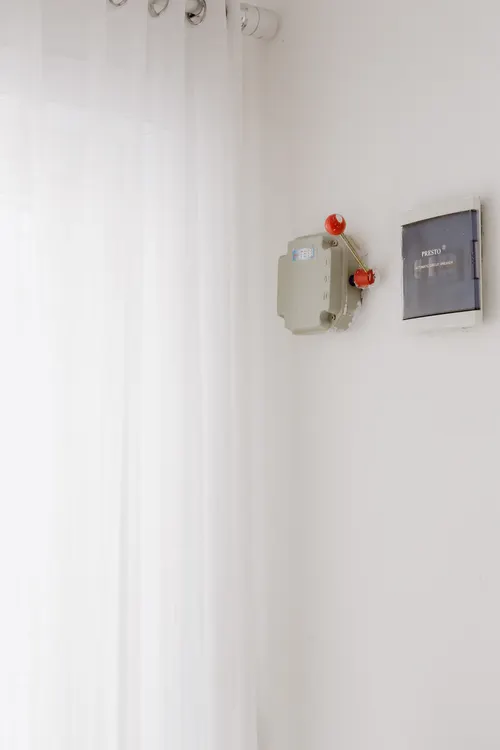
A 100-amp panel, or one you no longer trust?
Level 1 or Level 2 for a Lincoln Park home
The level follows the driving pattern. A car that is driven rarely, or a second car that can sit plugged in all day, can live on Level 1 — an ordinary outlet, slow but enough. A daily driver that comes home empty each evening needs Level 2, a 240-volt dedicated circuit that charges far faster, on the same electrical profile as a dryer or a range. A Level 2 charger is a continuous load, so its circuit is sized at 125 percent of the charger's draw — a 40-amp charger takes a 50-amp breaker — and that sizing is part of the load calculation, not an afterthought. The full comparison is on our EV charger installation service page.
The charger itself is the easier half: a Tesla Wall Connector or a universal charger. A Tesla Wall Connector in Lincoln Park suits a household that drives a Tesla and wants the car maker's own unit on the wall; a universal charger suits a household with more than one make, or one that may change cars next. Our Tesla versus universal charger guide compares the two; the panel check decides whether the charger goes straight in or waits.
Garage, driveway, or the front of the house: where the charger goes
The garage is the first choice when it has the room: it keeps the charger dry, the cable run short, and the car charging where it already parks. On a close-set older street the garage is not always the answer — some Lincoln Park homes park on a driveway, under a carport, or on the street, and the charger has to follow the car rather than the other way round. The visit works from the parking spot, not a standard drawing, and the charger sits where the car's charge port reaches it without the cable crossing a walkway.
An outdoor charger needs wet-rated gear, sealed boxes, and a GFCI-protected outdoor run, because the cable route sits where rain and storm water reach it — and on an older home the outdoor panel and disconnects get the same corrosion check as the charger itself. A long run to the far side of the driveway changes the work, and an outdoor run needs weatherproofing a garage run does not. Our salt-air corrosion guide explains how the coast wears outdoor gear, and our South Beach EV charger guide covers the same placement question on the barrier island.
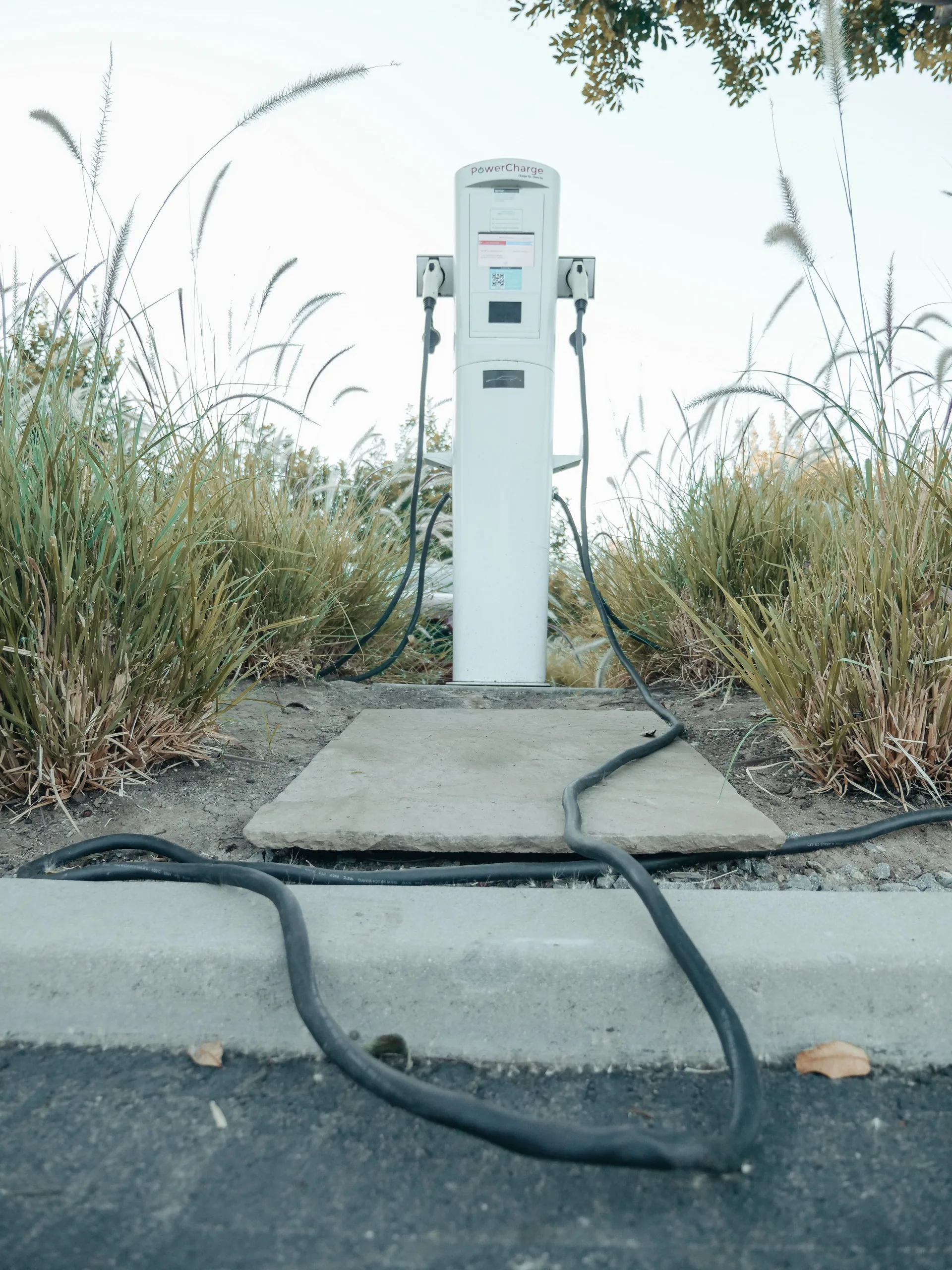
Air conditioner, kitchen, and a charger — all on one older panel?
Smart scheduling and load management
Overnight charging is what makes an older panel work. A smart charger set to run after dark, when the air conditioner is cycling down and the kitchen and laundry are quiet, never fights the rest of the house for the same capacity. Our EV charger time estimator tool gives a rough sense of charge times at each level, so the overnight window can be planned rather than guessed.
A load-management relay does the same job without anyone touching a setting: it watches the home's demand and pauses the charger while another big load runs, then resumes it once the panel has room. Either way the charger stops being a load that trips breakers and becomes one that waits its turn — what an older-home panel needs when the air conditioner, the kitchen and the car all want power. The visit decides whether scheduling alone is enough, or the panel needs a relay or a subpanel. Our subpanel installation page covers the room-maker route, and our panel upgrade page covers the capacity question.
Surge protection and the storm-season check
Fitting a charger is the right moment to settle the surge question. Florida thunderstorms and hurricane-season surges can reach everything downstream of the panel, including the charger and the car, and panel protection lowers that risk — working best when the panel, the grounding and the outdoor disconnects are sound, so the visit checks all three before fitting it. Our whole-house surge protection and Florida lightning guide explains what panel protection does, and what it cannot do.
That layer sits on top of the charger decision, not instead of it: the panel carries the load, the surge device guards it, and the charger charges on schedule. The panel check still comes first, because surge protection on a corroded or failing panel guards nothing. After a storm, test your GFCI outlets and note anything that trips more than once — do not keep resetting a tripping breaker. Our whole-home surge versus power strips guide explains the layered setup.
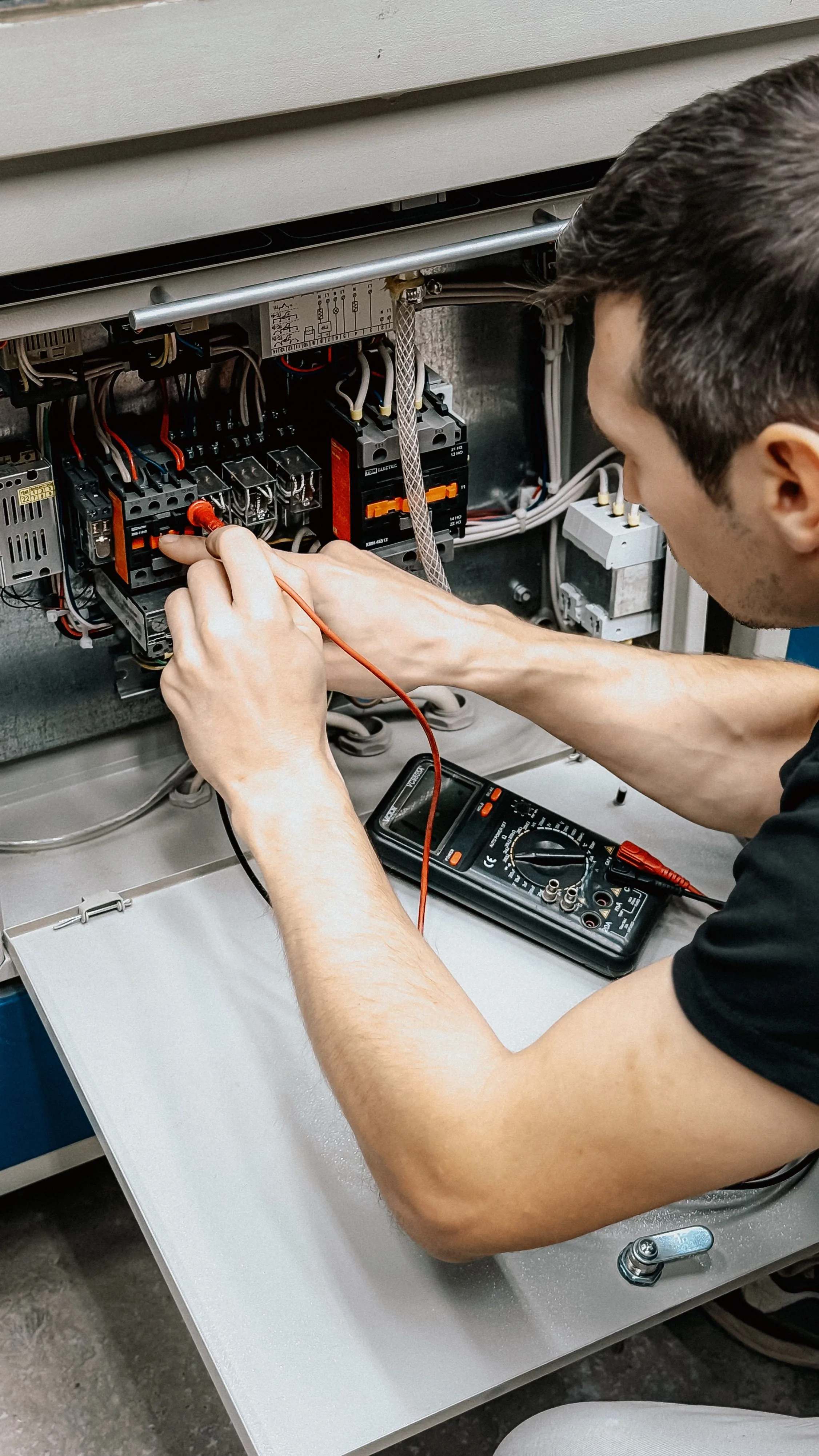
Not sure the garage, the driveway, or the carport is the right spot?
Permits, cost factors, and the price question
The permit answer is not the same from street to street. A circuit added inside the garage, a panel change, and a cable run outdoors are three different jobs in permit terms, and the address itself can change which one applies. The visit settles it for your address before work starts; our EV charger permit guide sets out what the question turns on.
The quote follows the job, not the charger. Panel work, the length of the cable run, the charger type, and whether the unit sits outdoors behind weatherproofing — those four set it. A short garage run on a panel with room is the simplest job; a long outdoor run on a full panel is the other end of it. Our EV charger installation cost factors guide lists each factor. No dollar figure is given here — the exact price is held for the call.
What the search interest shows — and what it does not
EV charger installation is the second-strongest of the seven services in today's Google Trends check for Florida: "ev charger installation near me" is up 90% in Florida over the past 12 months, and the West Palm Beach–Ft. Pierce metro — the metro that contains Fort Pierce — ranks first of ten Florida metros in both periods, at a relative interest value of 100. Relative-interest figures, not search volumes.
The city level is the honest limit. Fort Pierce does not appear in the city-level lists for EV charger installation in either period, so there is no Fort Pierce Trends figure to quote — and none is claimed here. The metro rank is regional context, not Fort Pierce evidence. The advice in this post stands on the panel and the load list, not on a trend line.
What to have ready when you call
The order is the whole guide in one line: inspection first, panel verdict second, charger third. Once the panel question is answered, the charger follows the driving pattern, and the placement follows the parking spot and the shortest cable run.
EV charger installation Lincoln Park Fort Pierce is settled one decision at a time, each made on the call, in plain language, with the price held for the visit. Bring your street address in ZIP 34945 or 34950, the panel brand and size, whether you want a Tesla Wall Connector or a universal charger, and where the car parks — plus what big loads share the panel. Call (772) 218-3629 any time; we are open 24/7, and same-day service is available. Our Lincoln Park area page covers the neighbourhood work, the Lincoln Park breaker guide and the Lincoln Park repair guide cover the fault ground, and the Fort Pierce Electric Pros homepage covers the rest.
EV Charger Installation in Lincoln Park, Fort Pierce: frequently asked questions
Can a Lincoln Park panel carry a Level 2 charger?
Usually, yes — but only the load calculation says so. A 100-amp service already running central air, an electric range and a dryer often has no headroom left for a 40-amp charger circuit, while a 200-amp panel with spare capacity takes it as it is. When the panel is sound but tight, a subpanel, a load-management relay, or overnight scheduled charging closes the gap; a Federal Pacific or Zinsco panel is replaced before any charger work starts.
How does the visit decide between a subpanel, load management, and a panel upgrade?
By the panel's condition and the size of the gap. A panel that is sound but full gets a subpanel beside it for the room the charger circuit needs. A service that is sound but tight gets a load-management relay or a smart schedule, so the charger waits its turn. A panel that is obsolete, unsafe, or too small for the home's loads gets an upgrade — and the load calculation, not the count of empty slots, makes that call.
Level 1 or Level 2 — which fits a Lincoln Park home?
Start with the driving pattern, not the catalogue. A daily driver that comes home empty each evening needs Level 2, a 240-volt dedicated circuit that charges far faster than an ordinary outlet. A car driven rarely, or a second car that can sit plugged in all day, can live on Level 1. The panel check then says whether the chosen level fits as it is or waits for panel work.
Does a Lincoln Park EV charger need a permit?
It depends on the job and the address. Adding a circuit inside the garage, changing the panel, and running cable outdoors are three different jobs in permit terms, and the street itself can change the answer. The visit confirms what applies to your address before anything is fitted, and anything the permit step requires goes into the written scope first. Our Florida EV charger permit guide sets out what the question turns on.
Where should the charger go on a close-set older street?
Where the car already parks, with the shortest cable run that keeps the cable off any walkway. The garage is first choice when it has the room; a driveway or carport wall takes the charger when it does not. An outdoor unit needs wet-rated gear, sealed boxes and a GFCI-protected run, and the visit walks the route before pricing the job — placement is a visit decision, not a page decision.
What should I tell you when I call about a charger in Lincoln Park?
Start with your street address in ZIP 34945 or 34950, the panel brand and size, whether you want a Tesla Wall Connector or a universal charger, and where the car parks — garage, driveway, or carport. Add the big loads that share the panel: air conditioner, range, dryer, water heater. With those answers the call ends with a clear scope and a written price. Call (772) 218-3629, 24/7.
Ready to talk?