
Electrical Panel Upgrade in St. Lucie Village, Fort Pierce
Electrical panel upgrade St. Lucie Village Fort Pierce starts with two questions asked separately: is this panel still safe, and is it big enough? For older homes in the historic village in ZIP 34946 and 34950, along US 1 beside the Indian River Lagoon, the panel often fails both.
Call Now to Speak to a Specialist
Open 24 hours a day, 7 days a week.
Electrical panel upgrade St. Lucie Village Fort Pierce is the answer when the village panel fails either of the two questions: safety or capacity. Older homes carry panels sized for a smaller house, and Lagoon-side damp and salt air wear on outdoor circuits — so the visit reads the panel house by house, not from a template.
Two questions, asked separately
Electrical panel upgrade St. Lucie Village Fort Pierce begins with two questions kept apart: is this panel still safe, and is it big enough? A panel can fail either question on its own. A panel that is unsafe on a house with modest loads is a safety job; a sound panel on a house that has added air conditioning, a charger and pool equipment is a capacity job. In a village of older homes the two failures often arrive in the same house, and the visit has to answer both before it recommends anything.
The separation matters because one answer never stands in for the other. A bigger service does not fix corroded lugs, and a new panel at the same amperage does not fix a service that runs out of headroom every summer evening. The visit gives condition and capacity as two separate verdicts, then combines them into one recommendation: repair, replace at the same size, or upgrade. See our electrical panel upgrade service page for the service itself, and our St. Lucie Village area page for the village pattern.
The older-home signs, read house by house
The signs of an older panel are the village's own ground: a panel 25–40 years old, a fuse box or 60–100A service, breakers that trip frequently, lights that flicker or dim when appliances start, a panel that feels warm, buzzes, or smells of burning, visible rust or corrosion, frayed or brittle wires, and missing GFCI/AFCI protection. Each one is a reason to look closer; two or three together are a reason to decide.
The village version adds two things. Lagoon-side damp and salt air wear on outdoor circuits, so the check starts outside — at the meter base, the disconnect and any outdoor panel — before it moves indoors. And village homes are individual: different layouts, different wiring histories, different panels, so the signs are read house by house, not from a template. Our electrical panel buzzing and humming guide covers the buzzing check, and our St. Lucie Village breaker post covers the breaker-diagnosis ground — this post links to both rather than repeating them.
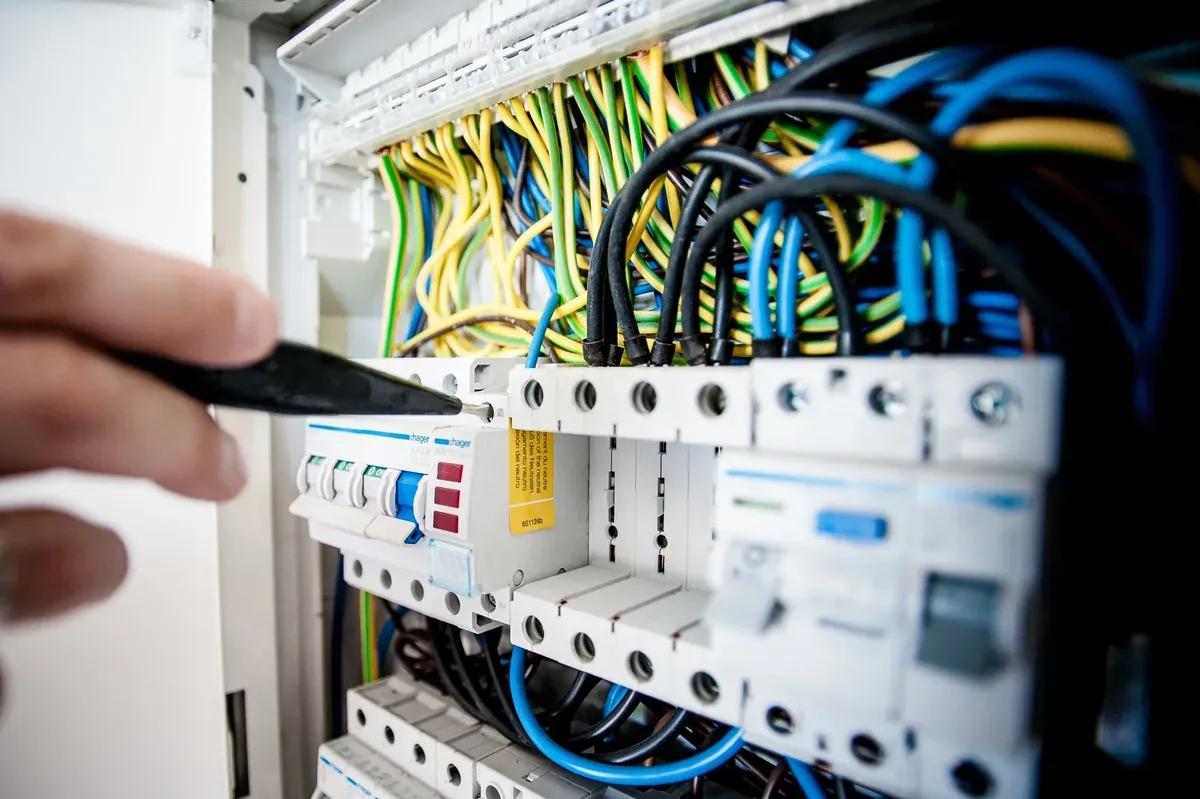
A panel 25–40 years old, a fuse box, or breakers that trip every week?
The obsolete-brand check: Federal Pacific and Zinsco
Some panels are replace-first whatever the load calculation says. A Federal Pacific Stab-Lok or a Zinsco panel carries a failure record all its own: breakers that may fail to trip, contacts that work loose over the years, and a safety margin no repair can put back. The label settles it — if either name is on the panel, the conversation is about replacement, not repair.
The brand check comes before the capacity question, because there is no point sizing a service around a panel that should not stay in service. Our Federal Pacific versus Zinsco guide lays out the case for treating those two brands unlike any other panel fault, and our Federal Pacific panel replacement page and Zinsco panel replacement page cover the two jobs. A Federal Pacific panel replacement St. Lucie Village Fort Pierce job and a Zinsco panel replacement St. Lucie Village Fort Pierce job both start the same way: confirm the brand, read the condition, then size the replacement.
Two more findings stop the upgrade conversation in the same way. Knob-and-tube wiring and aluminium wiring are stop conditions, not upgrade steps: the wiring has to be dealt with before a bigger panel makes sense. Our knob-and-tube wiring and insurance guide and our aluminium wiring repair page cover those two — linked here, not re-derived. Homeowners usually ask about panel upgrade cost St. Lucie Village Fort Pierce at this point, and the honest answer starts from the replacement the brand forces: the brand decides the first half, the loads decide the second. The cost-factors ground itself belongs to our panel upgrade cost-factors guide, linked here rather than repeated.
The capacity check: a load calculation, not a breaker count
Capacity is decided by a NEC load calculation, not by counting breaker slots. The calculation adds up what runs together — central air, a 40–48A Level 2 EV charger, pool equipment, water heater and dryer — and sets the total against the main breaker rating. A 100-amp service handles standard appliances, but it runs out of headroom fast once a Level 2 charger joins the load, and a full breaker row is a symptom, not the measurement.
The village version of this check is the older home adding modern loads: air conditioning, an EV charger, pool equipment, kitchen circuits — all on a service sized when the house ran far less. That stack is what a 60- or 100-amp service was never sized for, and the charger alone, at 40 to 48 amps, often tips the calculation over. For most village homes the question becomes a 100 amp to 200 amp service St. Lucie Village Fort Pierce decision, settled by the calculation rather than by the age of the panel. Our 100-amp versus 200-amp guide sets out the service-size comparison, and our EV charger panel-capacity guide covers the charger ground; this post applies the comparison to the village stack.
Two cautions belong here. A panel with two spare breakers can still fail the calculation, because spare spaces are room, not capacity. And the calculation counts what runs together, not what exists in the house.
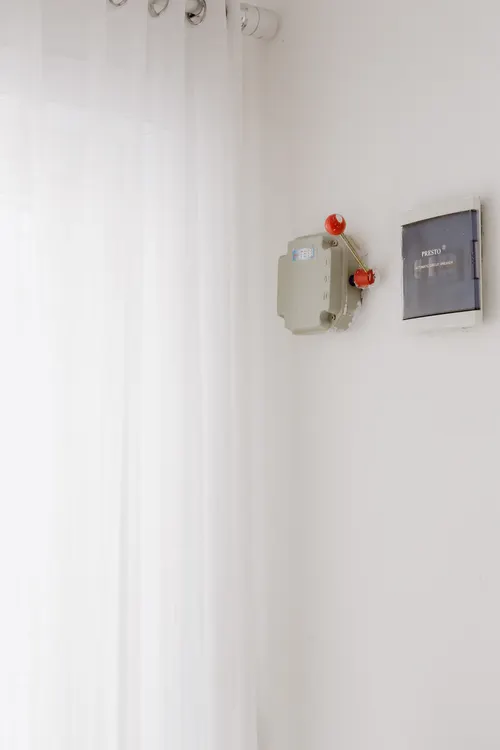
A 100-amp service carrying a charger, a pool pump, and air conditioning at once?
Replacement or upgrade: what each job actually changes
A panel replacement swaps the breaker box for a new one at the same amperage — the usual job for a Federal Pacific or Zinsco panel in a house that has enough power, or for a panel that is damaged but right-sized. The service stays the same; only the box, the breakers and the connections are new.
A service upgrade raises the amperage, which means larger service entrance wires, a meter base rated for the new size, and often a new mast and weatherhead — the homeowner-owned parts. The utility pulls the meter before the work, and the job is inspected before power returns. Our expand-or-upgrade guide sets out the expand-versus-upgrade choice, and our subpanel installation page covers the room-maker: a subpanel adds breaker spaces, not capacity, so it answers a full row and never answers a failed calculation. A subpanel installation St. Lucie Village Fort Pierce job is the right call when the panel is sound, the service has headroom, and the house simply needs more circuits.
What the upgrade buys: headroom, protection, and room to grow
The upgrade buys headroom first: the EV charger and the pool equipment run without load-shedding compromises, and the next circuit has somewhere to go. In a village home the next load is usually closer than the homeowner thinks — the charger this year, a kitchen circuit the next.
It also buys protection a like-for-like replacement may not: AFCI protection on the circuits the code requires it on, and a whole-house surge protector at the panel, guarding every circuit rather than one outlet at a time. Our whole-house surge protection guide and our surge-versus-power-strips guide cover the surge ground; this post only says where the device sits. A whole house surge protection St. Lucie Village Fort Pierce plan belongs at the panel, fitted while the panel is open and the service is already being worked on.
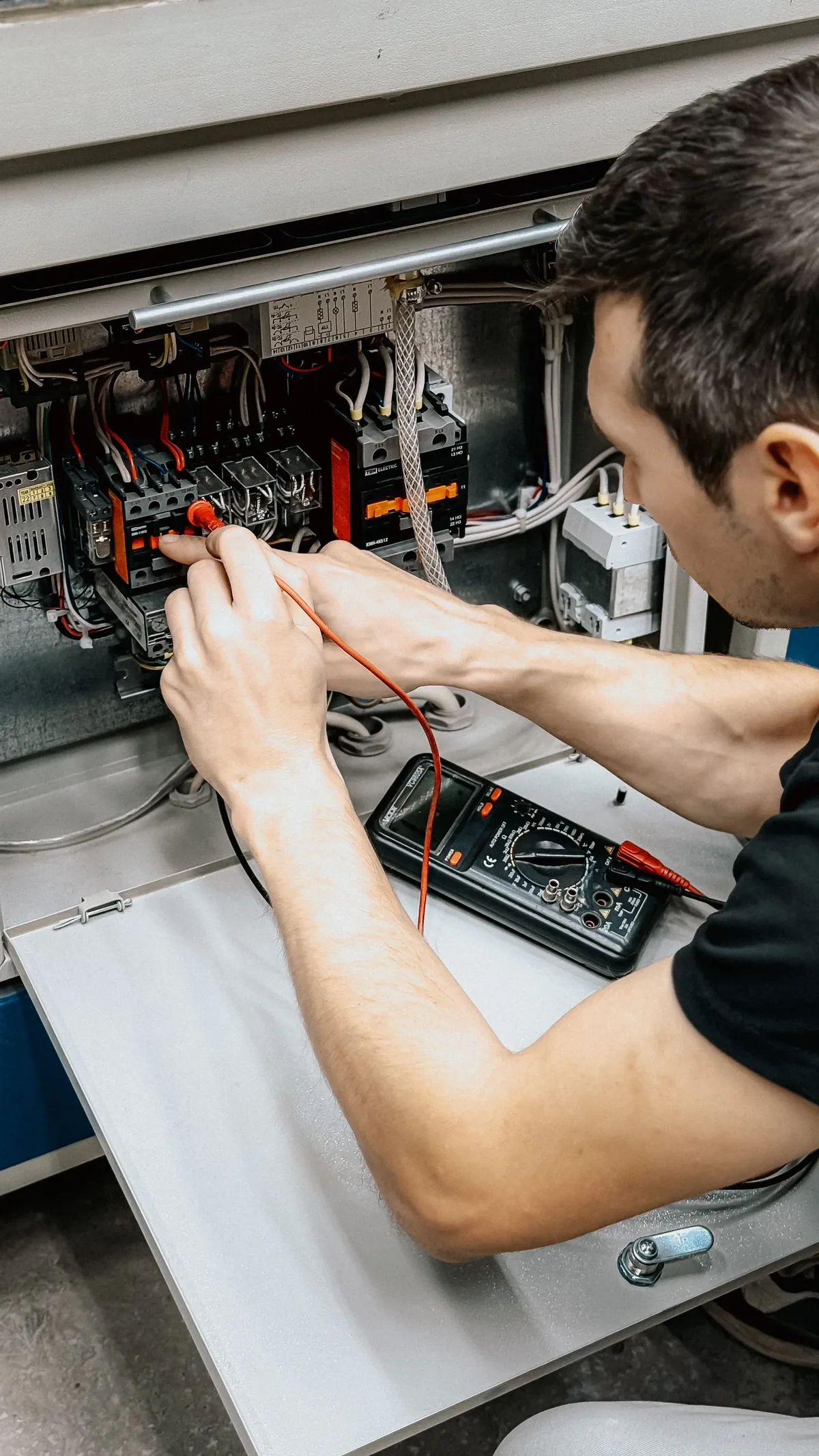
Wondering what shapes the scope of a village panel job?
The pre-purchase and pre-listing angle
The village page frames this as a buyer-and-seller question, and it is the right framing: buyers ask for a panel check before they commit, and sellers ask before they list. An upgrade decision made before a sale is a different decision from one made for a house you will keep — the buyer is weighing what the panel will cost them, the seller is weighing what it will cost the sale. A 4-point inspection can flag the panel for an insurer, which is why the panel often surfaces in the weeks before a closing. Our pre-listing inspection guide and our 4-point inspection guide cover that ground — this post links to them rather than re-deriving it.
The same check serves a house you will keep. A panel decision made on your own timetable — before the next load, before the next sale, before the next storm season — is cheaper than one made after a failure. The visit gives the same two verdicts either way: is the panel safe, and is it big enough? The answer is what the call is for.
What sets the cost — cost factors only
No dollar figure appears here: the exact price is held for the call, after the visit. The job type shapes the scope first — a straight panel swap differs from a service upgrade that also replaces the meter base, the service entrance wires and the mast — then the panel condition, the wiring condition, and access: an outdoor panel on a Lagoon-side lot is reached differently from one on a clear garage wall.
The stacked loads shape the scope too: a home that adds a generator transfer switch or an EV charger circuit in the same visit is a bigger job than a panel alone, and a village home with knob-and-tube or aluminium wiring adds a wiring decision on top. Our panel upgrade cost-factors guide works through each factor in turn, with no invented price attached. Call (772) 218-3629 with the panel brand, size and load list, and the call will end with the scope set and a visit booked.
What the search interest shows — and what it does not
Two figures from a Google Trends check are worth stating, with their labels attached. “Electrical panel upgrade near me” is up 450% in Florida over the past 12 months, and “electrical panel upgrade cost” is up 200% in Florida over the past 90 days. Both are Trends relative-interest figures, not search volumes, and the series behind them are volatile — the 12-month end values sit on a partial final week driven by a single-day spike — so no surging-demand claim is built on either.
No Fort Pierce city-level panel figure exists, so none is quoted here. The West Palm Beach–Ft. Pierce metro leads the Florida panel list over 90 days, but that is metro strength, not Fort Pierce city evidence. Our Maravilla panel-upgrade post covers the same decision on the mainland and our Hutchinson Island panel-upgrade post covers it on the barrier island — the village version is the old panel in the old house, not the mainland decision framing or the island corrosion framing.
The visit sequence — and what to have ready for the call
The visit opens at the panel, reading the brand, the main breaker size, the spare spaces and the condition signs — age, corrosion, heat damage, water in the box, the meter base and the obsolete brand. Next comes the load list, taken circuit by circuit, naming what runs together and when. Then a load calculation sets the running total against the service size and settles the 100-amp or 200-amp question. Last comes the verdict: repair, replace at the same size, or upgrade.
A call goes faster with four things ready: your street in ZIP 34946 or 34950, and the age of the house; the panel brand and size, and whether the breaker row is full; the load list, including charger and pool equipment; and whether a generator is part of the plan. Our electrical inspection page covers the assessment, our inspection-cadence guide covers how often a village home should be checked, and our licensed electrician guide covers hiring checks. Whether you call it an upgrade or search for upgrade electrical panel St. Lucie Village Fort Pierce, the visit is the same — two questions, asked separately, answered in plain language.
That is the village version of the panel decision: two questions, asked separately, answered house by house. Electrical panel upgrade St. Lucie Village Fort Pierce is not a template job — the panel, the wiring history and the loads are different on every village lot, and the visit is what turns them into a verdict. Call (772) 218-3629 any time; we are open 24/7, licensed and insured, with 23 years of experience and Master Electrician Certification. The Fort Pierce Electric Pros homepage covers the rest.
Electrical Panel Upgrade in St. Lucie Village, Fort Pierce: frequently asked questions
When does a St. Lucie Village panel need an upgrade instead of a repair?
When repair stops being enough — either for safety or for size. One bad breaker, one loose connection or one damaged circuit is a repair. An upgrade is the answer when the panel is corroded, heat-damaged or obsolete, when the breaker row is full, or when the load calculation shows the service cannot carry the home's loads. The visit answers both questions, and the calculation settles which one your home needs.
How does a village panel's age change the decision?
Age is a sign, not a verdict. A panel 25–40 years old, a fuse box, or a 60–100A service tells the visit to look harder — at corrosion, at heat damage, at the wiring behind it — but the decision still comes from the two questions: is it safe, and is it big enough? An old panel that passes both can stay; a younger panel that fails either cannot.
Does a Federal Pacific or Zinsco panel in St. Lucie Village always mean replacement?
For those two brands, replacement comes first; repair does not. A Federal Pacific Stab-Lok or a Zinsco panel carries a failure record all its own, and no repair restores the safety margin a sound panel has. The visit confirms the brand and condition, then shows the replacement options and whether the new panel should also be bigger. Our Federal Pacific versus Zinsco guide lays out why those two brands are treated unlike any other panel fault.
How does the visit choose between a 100-amp and a 200-amp service?
By totalling what runs at the same time and setting that total against the main breaker rating. The air conditioner, pool pump, EV charger, water heater and dryer are each ordinary alone; together they are the load the service must carry. A 100-amp service already running most of them has no headroom left, while a 200-amp service with spare capacity takes the same loads. The total, not the number of empty slots, makes the call.
What is the difference between a panel replacement and a service upgrade?
A replacement swaps the breaker box for a new one at the same amperage — the right job for a damaged or obsolete panel in a house that has enough power. An upgrade raises the amperage, which means larger service entrance wires, a meter base rated for the new size, and often a new mast and weatherhead. The brand and condition decide the replacement; the load calculation decides whether the new panel should also be bigger.
What should I have ready when I call about a panel upgrade in St. Lucie Village?
Start with your street in ZIP 34946 or 34950, the age of the house, and whether the panel sits indoors or outdoors. Add the panel brand and size, whether the breaker row is full, and the big loads — air conditioner, pool pump, EV charger. Note whether the panel has ever felt warm, buzzed, or smelled hot. Those answers set the scope and the visit time. Call (772) 218-3629, 24/7.
Ready to talk?