
Circuit Breaker Replacement in St. Lucie Village, Fort Pierce
Circuit breaker replacement St. Lucie Village Fort Pierce starts with the diagnosis, not the part: for homes in the historic village, ZIP 34946 and 34950, beside the Indian River Lagoon, a tripping breaker can mean a worn breaker, a stretched circuit, or a tired panel.
Call Now to Speak to a Specialist
Open 24 hours a day, 7 days a week.
Circuit breaker replacement St. Lucie Village Fort Pierce is a diagnosis job before it is a parts job: the visit works out whether the breaker failed, the circuit is overloaded, or the panel itself has reached its limit — because each answer points at a different fix, and fitting a new breaker for the wrong cause wastes the visit.
The village pattern: historic homes beside the lagoon
St. Lucie Village is a historic village, and its electrical work runs one home at a time. The St. Lucie Village area page frames the panel decision the village way — repair, subpanel, or replacement, decided by inspection — and a breaker job follows the same order, because older homes hide their history inside walls and panels. The lagoon-side circuits add their own pattern: damp, salt air, and GFCI protection on the outdoor runs. Our electrical repair guide for St. Lucie Village covers the fault pattern across these homes, and this post stays with the breaker itself.
The calls we hear most from the village follow the age of the homes. A breaker trips when the air conditioner starts, because the circuit behind it was sized for a quieter house. A dead outlet traces back to a tripped GFCI or a loose wire upstream, not to the outlet itself. And a home bought or listed for sale brings the pre-purchase check, which often surfaces the panel decision before any breaker is touched. Our pre-listing inspection guide covers what a seller's check looks for, and the village area page covers the kitchen, bathroom, garage and workshop circuits these homes collect.
The signs a breaker itself has failed
A breaker gives itself away in five ways, and the visit reads them as a set rather than one at a time. The toggle is the first tell: one that will not click firmly into the on position, or feels loose and spongy under the finger, has worn out. The second is heat — a breaker, or the panel door beside it, that runs warm to the touch. The third is the trip that comes straight back, the breaker refusing to stay on the moment it is reset. The fourth is the repeat trip on a circuit carrying its ordinary load, with nothing new plugged in. The fifth is the smell or the mark: a burning or acrid odour at the panel, or scorch marks on the breaker face. One sign puts replacement on the radar; two together mean do not wait.
The quiet failure is the one that worries an electrician most. A breaker that trips too often is annoying; a breaker that has stopped tripping is dangerous, because the wiring can overheat with no safety shutoff while the house carries on as normal. The visit therefore tests whether the breaker still trips when it should, rather than assuming it does — a test done with a meter, never by forcing the toggle. Our breaker tripping guide explains what overload, short circuit, ground fault, and a worn breaker each look like, and our buzzing panel guide explains which panel sounds are ordinary and which mean call now.
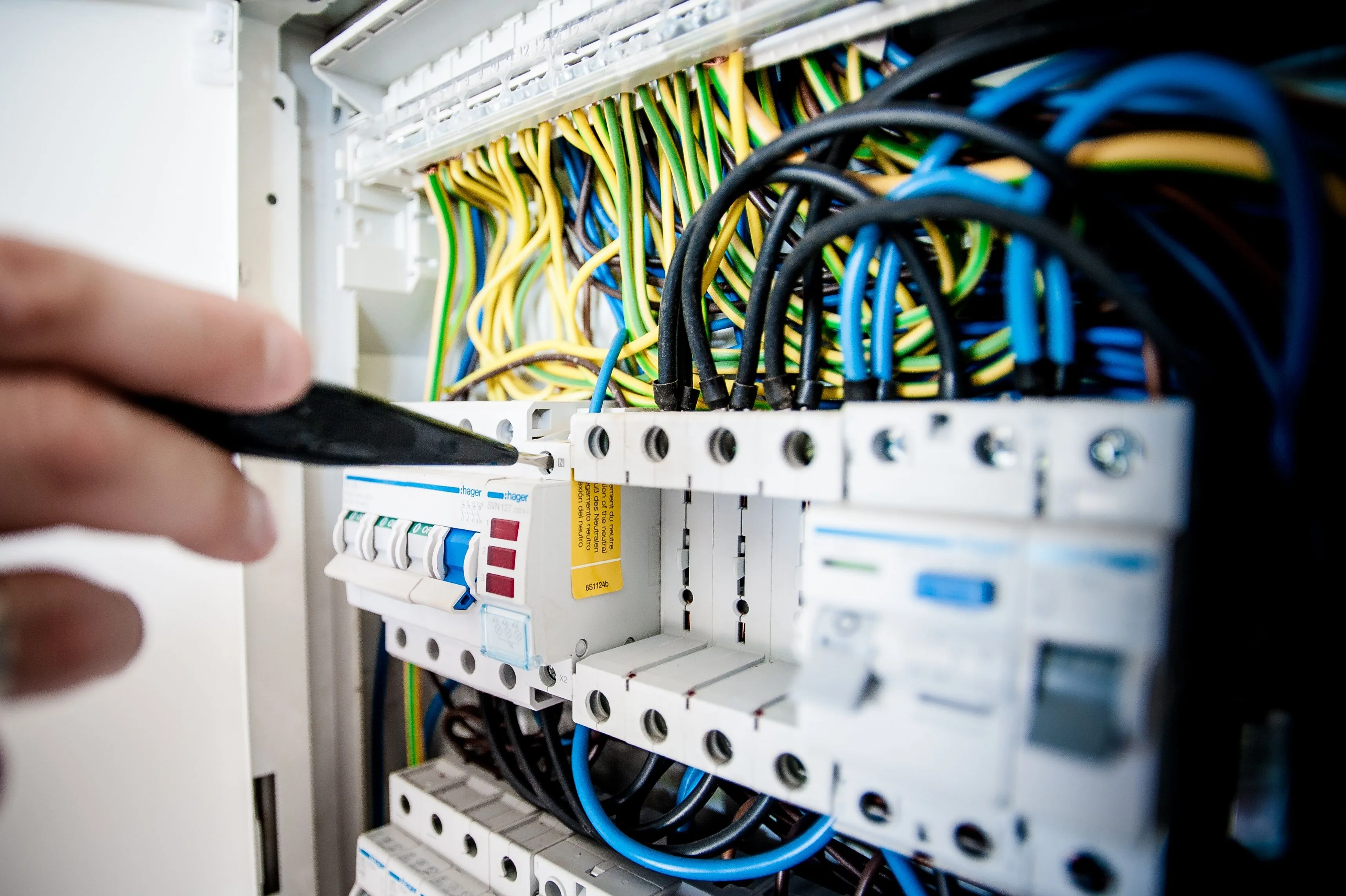
A breaker that trips when the air conditioner starts?
Reset-only, faulty breaker, or undersized circuit: the three-way distinction
Circuit breaker replacement St. Lucie Village Fort Pierce follows the same three-way test the city-wide guide sets out, and the village visit runs it before any part is ordered. One trip after a clear overload, followed by a reset that holds, is the breaker doing its job — the fix is the cause of that one trip, not a new part. A breaker that trips below its rated amperage, will not reset, or runs warm on a normal load is faulty, and the listed replacement for that panel is the fix. A circuit that trips every time the same big appliance starts is undersized, and the fix is a dedicated circuit, not a bigger breaker. Our city-wide breaker replacement guide works through the same three-way test, and our breaker troubleshooter tool walks through the same checks.
The bus bar is the part the three-way test cannot see from the front. A loosened breaker clip arcs against the bus, burns the bus finger, and a new breaker fitted onto that pitted finger fails again on day one — which is why the visit checks the bus stab before anything is swapped. Heat loosens connections over time, and a connection that has loosened through years of warming and cooling arcs the same way. Our electrical panel repair guide explains which panel faults are repaired and which mean replacement.
The replacement sequence: what the visit actually does
The swap itself takes minutes; the checks around it take the visit. Power off first, then the panel is read — brand, bus, and the directory card that says which breaker feeds what. The replacement is the listed breaker for that panel, never a lookalike from another brand that merely fits. Before it goes in, the bus stab it will sit on is inspected for pitting or burn marks, and the connections are checked with it. The visit also asks whether the circuit needs protection it was fitted without: arc-fault protection for living areas, ground-fault protection for wet and damp ones. Our how to read breaker panel labels guide explains where to find the main breaker number and the directory card.
The last step is proof, not assumption. With the new breaker in, the circuit is switched back on and run under its ordinary load, so the visit leaves knowing the breaker holds rather than hoping it does. The panel directory is corrected before the visit ends, so the next person to open the panel can see which breaker feeds which circuit. And a single trip that resets and holds is not a replacement at all — a storm surge, or three kitchen appliances on one circuit at once, can trip a healthy breaker once, and the visit leaves that breaker alone and finds what caused the one trip.
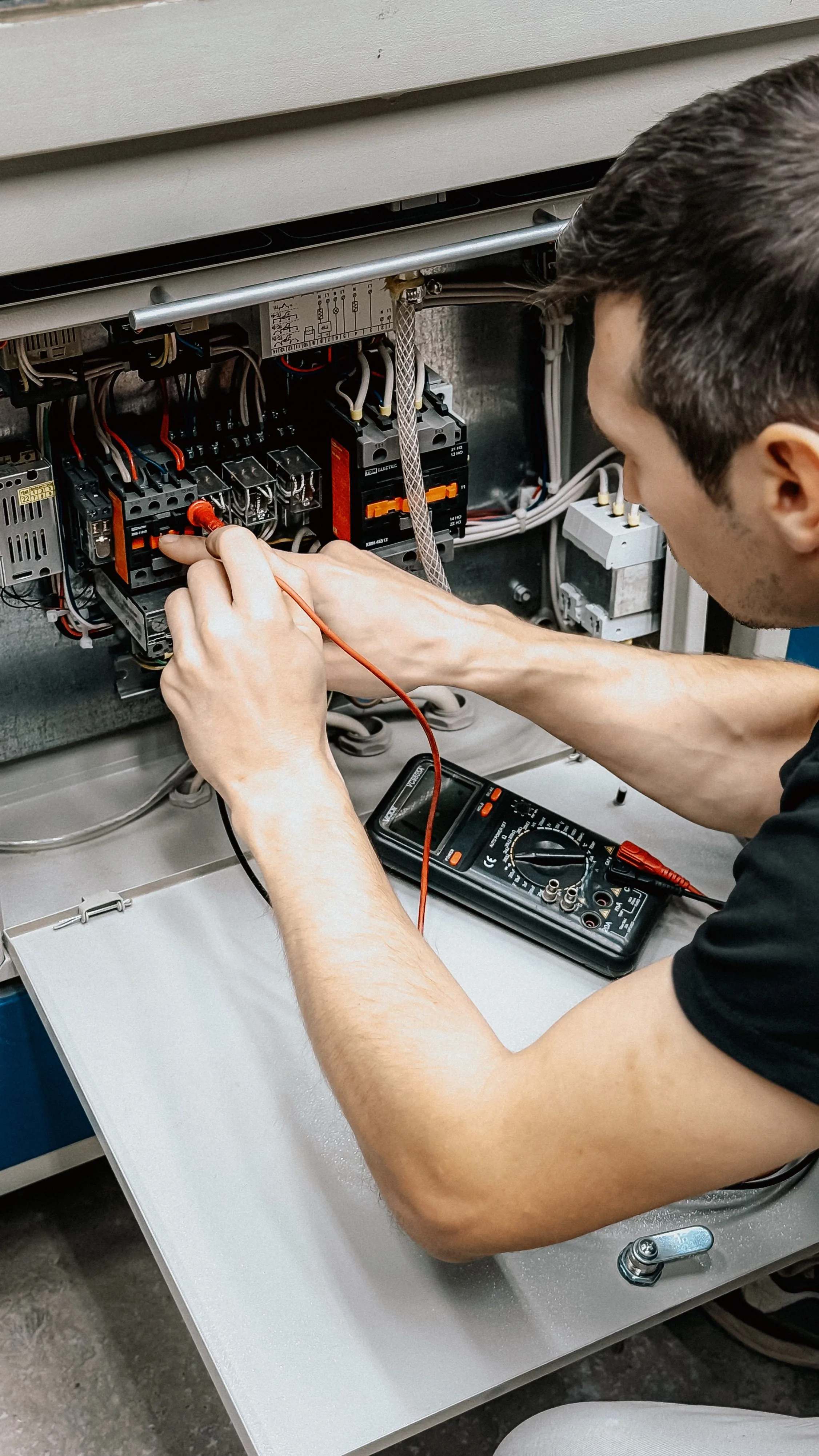
A buzzing panel, or a breaker that runs warm?
When one breaker is not the fix
A single failed breaker is usually a single job, finished in one visit. Four situations turn it into a panel decision instead: several breakers have been acting up at once, the panel has no open slots left, a major load is being added to the house, or the panel is a Federal Pacific or Zinsco unit, where one more breaker is the wrong fix. In those cases the visit stops talking about breakers and starts talking about the panel, and the load calculation — not the number of breakers that tripped — makes the call. Our expand-or-upgrade guide covers the subpanel and upgrade routes, and our Federal Pacific versus Zinsco guide explains why those two brands are replace-first.
The village adds its own version of the panel decision. A home adding an EV charger, a tankless water heater or a workshop circuit can push a full panel over the edge, and a home bought or listed for sale can surface the panel question at the pre-purchase check, before any breaker is touched. Our subpanel page covers the room-maker route when the service is sound and only short of spaces, our panel upgrade page covers the capacity question, and our Federal Pacific replacement and Zinsco replacement pages cover the work.
Village circuits: lagoon-side damp, salt air, and GFCI
Beside the lagoon, the fault pattern starts outside the house. Outdoor circuits here sit in damp and salt air all year, and the most common village call after rain is a GFCI that has tripped — usually because water has found a fitting, not because the device has failed. Salt air works on fixture housings, panel edges and outdoor fittings in the same slow way, and a breaker that only ever trips in wet weather is pointing at a joint or a fitting somewhere along that outdoor run. Our salt-air corrosion guide explains how the coast wears outdoor gear, our GFCI outlet page covers the protection those circuits need, and our village repair guide covers the lagoon-side circuits in full.
The rules while you wait are the same in the village as anywhere else. One reset, with everything on that circuit unplugged — and if the breaker trips straight back, it stays off, because each reset after a fault wears the breaker and hides the cause. Never open the panel yourself: the fault is found with the power on, and that test is the electrician's job. A burning smell, scorch marks around a breaker, or crackling from the panel means the circuit stays off and the call is urgent. Our emergency electrician page and our electrical emergency guide explain the signs in full.
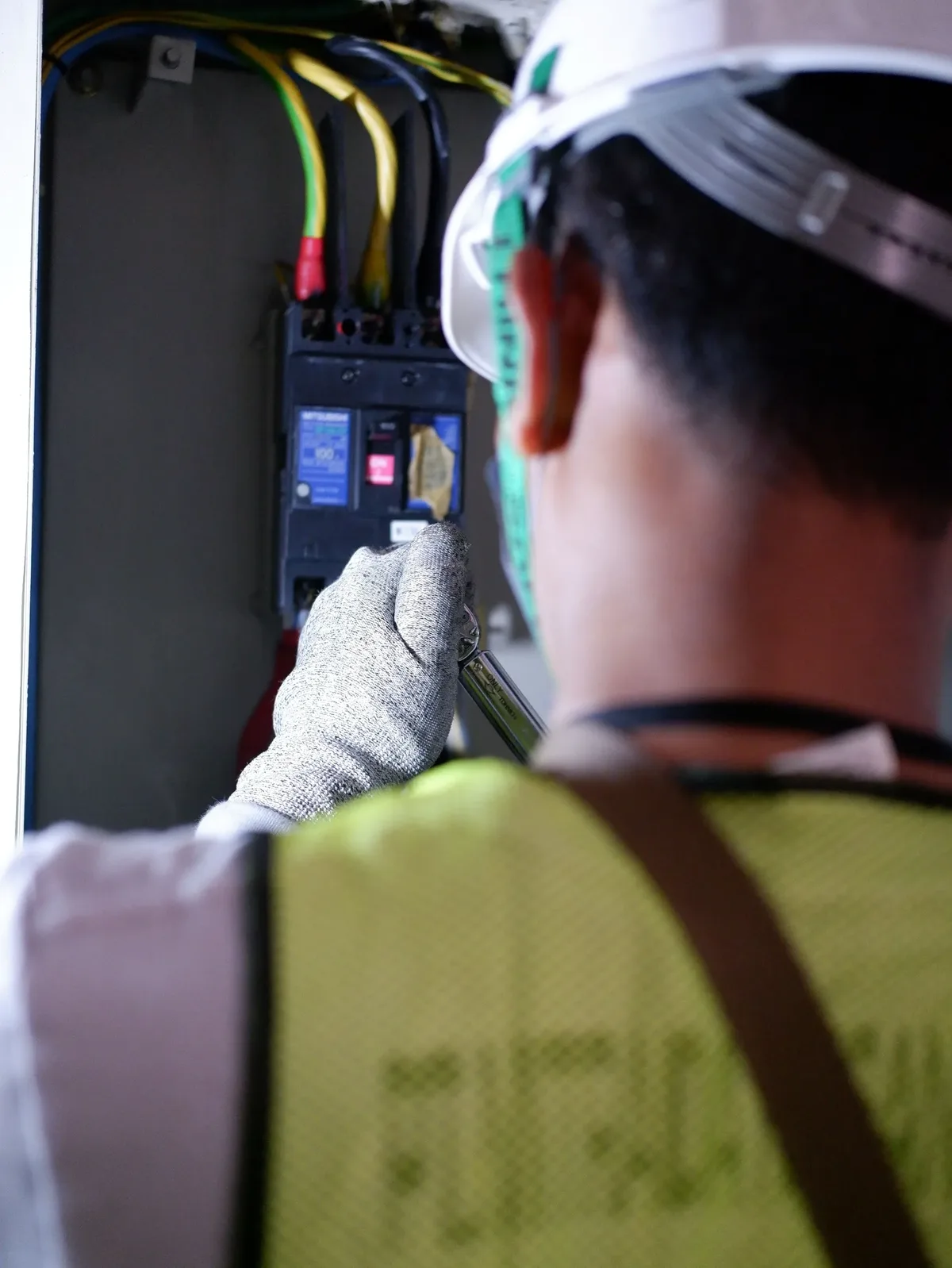
A breaker that trips only when it rains?
Cost factors and what to have ready when you call
The quote follows the breaker and what sits behind it: the listed part for your panel, the state of the bus bar, the panel brand, and whether a dedicated circuit or panel work follows the swap. Where the panel sits matters too — a panel in a garage or utility room takes longer to reach than one on an open wall, and a village home can add a pre-purchase report to the visit. Our panel upgrade cost-factors guide lists what moves a panel quote, and our electrical repair page covers the wider repair work. No dollar figure is given here — the visit turns those factors into a written price for your address.
Circuit breaker replacement St. Lucie Village Fort Pierce is settled at the panel and the bus, and the visit starts with the diagnosis, not the part. Call (772) 218-3629 any time — we are open 24/7, same-day service is available, and we are licensed and insured, with 23 years of experience and Master Electrician Certification. The sister posts cover the same diagnosis in Downtown, Fort Pierce South, on Hutchinson Island, in Lakewood Park and in Lincoln Park — and the St. Lucie Village area page covers the work we do in ZIP 34946 and 34950. Or start at the Fort Pierce Electric Pros homepage.
Circuit Breaker Replacement in St. Lucie Village, Fort Pierce: frequently asked questions
What are the signs a breaker needs replacing in a village home?
Read the breaker as a set of signs, not one at a time. A toggle that will not click firmly on, or feels loose under the finger, has worn out. A breaker that trips again and again on its ordinary load, or will not stay on after a reset, is failing. Heat, a burning smell, scorch marks, or a buzz from the panel all point the same way. One sign puts replacement on the radar; two mean do not wait.
My breaker will not reset — what do I do?
One reset only, with every device on that circuit unplugged. A breaker that trips straight back, or refuses to stay in the on position, stays off — the fault sits in the breaker, the bus or the wiring, and further resets only wear the breaker and hide the cause. Call us with the panel brand and which breaker it is. A burning smell or scorching around the breaker makes it an emergency: leave the circuit off and call now.
How does the visit tell a bad breaker from an overloaded circuit?
The trip pattern is the test. A single trip after an obvious overload, with a reset that holds, is the breaker doing its job. A breaker that trips on a normal load, will not reset, or runs warm is faulty, and the listed replacement is the fix. A circuit that trips whenever the same appliance starts is undersized, and the fix is a dedicated circuit, never a bigger breaker. Nothing is replaced until that test is run.
Can I replace a circuit breaker myself?
No. The swap is done with the power off, using the listed breaker for your panel, and only after the bus stab and connections have been checked. Testing is done with the power on, which is why the panel is never opened by the homeowner. The visit fits the breaker, proves the circuit under load, and leaves the panel directory corrected — a short job, but not a homeowner job.
Does a Federal Pacific or Zinsco panel change the fix?
Yes — it changes the fix before the visit starts. A Federal Pacific Stab-Lok or Zinsco panel, or a bus bar that is pitted and overheated, is not a one-breaker job: another breaker fitted onto failing equipment only moves the failure along. The honest call is a panel replacement, and the visit confirms the panel brand before any other work is discussed.
What should I tell you when I call about a breaker in St. Lucie Village?
Your street and ZIP 34946 or 34950, and whether the home is a pre-purchase check or a lived-in repair. Your panel's brand and size, which breaker trips and what runs on that circuit, and whether it feels loose, warm, or smells of burning. With those answers, the call ends with a clear scope and a written price. Call (772) 218-3629, 24/7.
Ready to talk?