
Electrical Repair in St. Lucie Village, Fort Pierce
Electrical repair St. Lucie Village Fort Pierce begins with an inspection, not an assumption, because village homes are individual: different layouts, wiring histories, and panels. For homes on Lagoon-side lots in ZIP 34946, along US 1 beside the Indian River Lagoon, here is how the repair visit reads the signs.
Call Now to Speak to a Specialist
Open 24 hours a day, 7 days a week.
Electrical repair St. Lucie Village Fort Pierce starts with the symptom, not the swap. A breaker that will not reset, a panel door that feels warm, or a buzz from one slot each points somewhere different, and the visit reads those signs before anything is opened or replaced.
One village, one home at a time
St. Lucie Village is a small historic village, not a city neighbourhood, and that difference shapes every repair visit. Homes here are individual: different layouts, different wiring histories, different panels, and different plans from their owners. A repair that fits one house may not fit the next one along US 1, so the visit starts with an inspection and works from what it finds, not from what the last house needed.
That inspection-first order is the village way of working, and our St. Lucie Village area page sets out the jobs village callers ask for most. The repair visit follows the same order: listen to what the household wants the home to do, look at the panel and the wiring, and only then name the fix. Our electrical repair service page covers the repair work itself, and our licensed electrician guide covers what to check before you hire.
The same visit runs across our other neighbourhood repair guides — Downtown, Fort Pierce South, Hutchinson Island, Lakewood Park, Lincoln Park, Maravilla, South Beach, Waterstone, and White City — each one shaped by its own streets and panels.
Reading the symptoms before anything is opened
The visit reads the symptom before it opens anything. A breaker that will not reset is saying something different from a breaker that trips with nothing running. A hot breaker, or a panel door that feels warm to the touch, points to heat building where it should not. A buzz or crackle from one breaker, scorch marks on a breaker or around its slot, and a handle that wobbles or moves without a click each narrow the search further — and the pattern across the whole box matters as much as any single sign.
Two distinctions do most of the work. The first is timing: a fault that appears the moment a circuit is switched on is not the same as one that shows up after the circuit has run for a while. The second is spread: one breaker misbehaving while its neighbours run cool and quiet is a different job from trouble that reaches across the box. Our circuit breaker replacement guide covers what a failed breaker looks like, and our panel buzzing guide covers what each sound from the panel means. If the sign is urgent — a burning smell, smoke, or a panel that is hot to the touch — our emergency guide covers what counts as an emergency and what to do first.
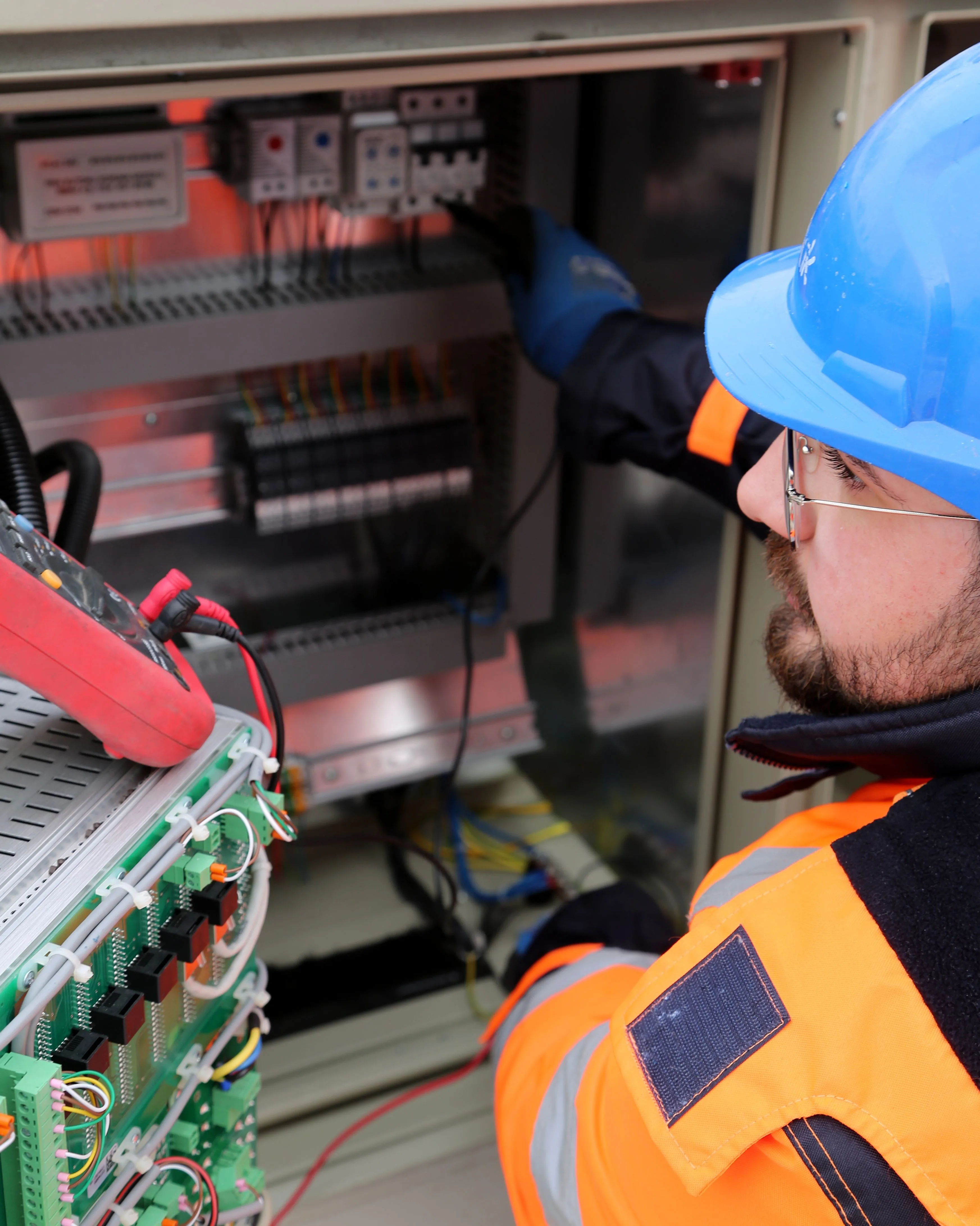
A breaker that will not reset, or a panel door that feels warm?
Breaker or panel? The decision the visit makes
The village version of the panel question is a simple test with a careful answer. The breaker is the likely suspect when one breaker shows the problem and its neighbours run cool and quiet: it trips on its own, runs hot on its own, or buzzes from its own slot. The panel comes into question when the trouble spreads across the box — several breakers warm at once, buzzing that cannot be traced to a single slot, or a main breaker that runs hot while the branch breakers stay quiet.
The bus bar is where the two overlap, and it is the part callers never see. A breaker clips onto a finger of the bus bar, and if that clip loosens over years of heating and cooling, it can arc against the metal it grips. The arc burns the bus finger as well as the breaker, so a new breaker pressed onto a pitted, blackened finger starts life on a damaged contact, and the heat can return. That is why a scorched breaker raises a question about the metal underneath it — and the answer to that question is what separates a breaker job from a panel job. Our electrical panel repair guide covers the panel side of that call, and the rewiring signs guide covers the faults that point past the panel to the wiring itself.
Three verdicts: repair the panel, add a subpanel, or replace it
Once the inspection has sorted the symptoms, the panel question has three answers, in this order. A repair fits when the panel and the wiring are sound and the fault is local — a single breaker, a single connection, a single circuit. A subpanel fits when the main panel is sound but full: it adds the room a new circuit needs without disturbing a panel that still has years in it. Our subpanel installation page covers that room-maker work.
Replacement fits when the panel itself is the problem — aged, damaged, full, or overloaded — and there is one stop condition that comes first. A Federal Pacific or Zinsco panel, or a fuse box, is a replace-first panel: the visit does not spend time repairing around it. Our Federal Pacific vs Zinsco guide explains why those two brands are flagged, our Federal Pacific panel replacement page and Zinsco panel replacement page cover the replacement work, and our electrical panel upgrade page covers the capacity side. Only an inspection tells which of the three verdicts applies to your home, and the visit shows you each piece before it recommends a route. Cost factors for a panel decision are covered on our panel upgrade cost factors page — the exact figure for your home is held for the call. Our village generator guide and village EV charger guide cover their own services in St. Lucie Village, and each starts from the same panel check.
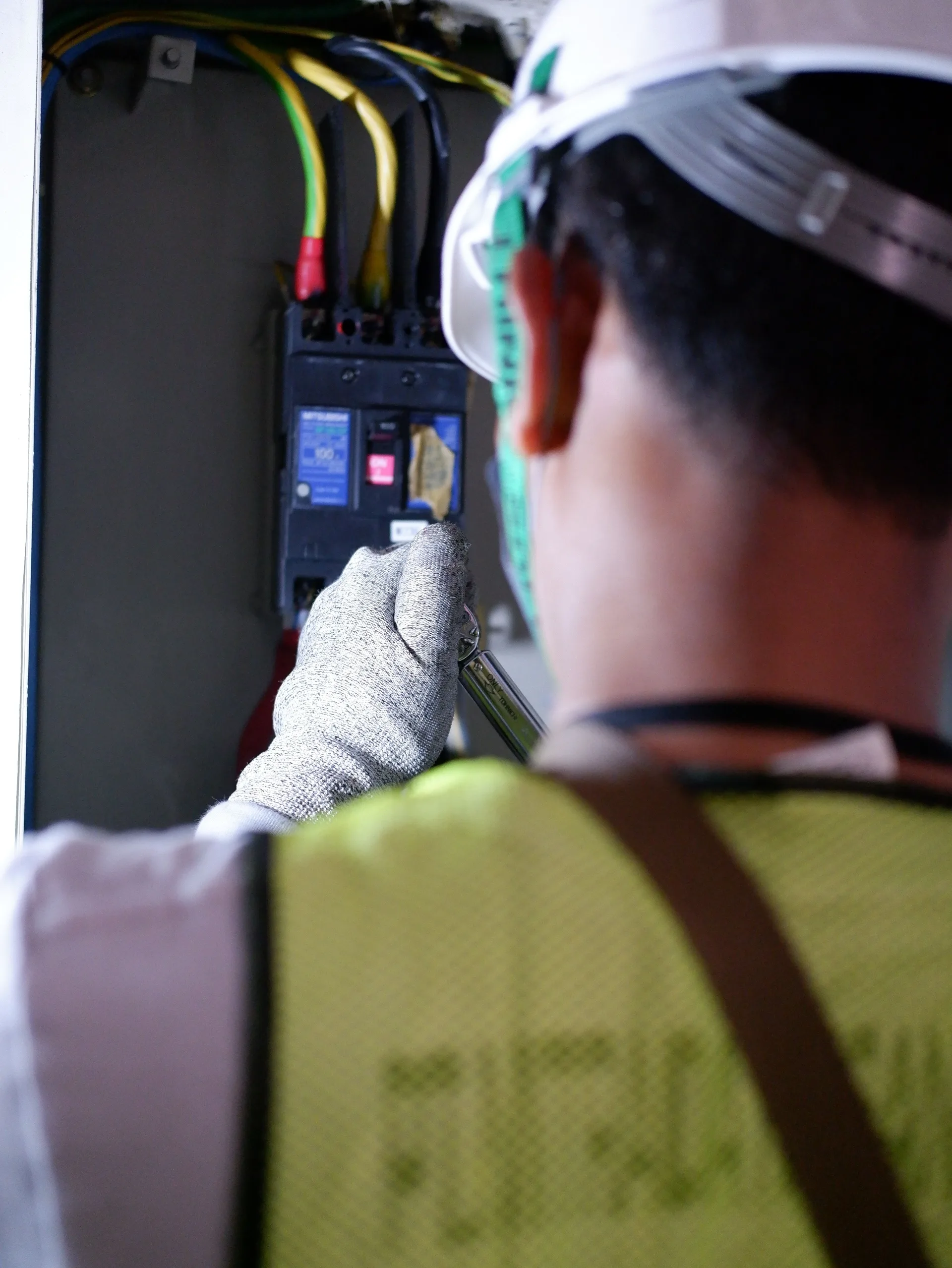
One breaker hot, or trouble across the whole box?
Lagoon-side outdoor circuits: damp, salt air, and GFCI
Outdoor and Lagoon-side circuits live a harder life than the ones inside. Damp and salt air work on connections over time, loosening them and corroding the metal, and a connection that has worked loose runs hot under normal load — the same heat that shows up as tripping, flickering, or a warm fitting. The visit checks outdoor runs, the fittings where cables enter, and the protection on each circuit, because the fault often sits outside the house even when the symptom shows up inside it.
GFCI protection belongs where water and electricity meet: outdoor outlets, and the circuits that feed them. A GFCI that trips is doing its job, and the visit finds whether the trip comes from a genuine fault or from a device that has simply worn out. Our salt-air corrosion guide covers what the lagoon air does to connections over time, our Hutchinson Island repair guide covers the same salt-air faults on the island, and our GFCI vs AFCI guide covers the protection itself — the village visit applies that ground to Lagoon-side lots, and does not repeat it. If the fault is urgent, our emergency electrician service covers the call-out.
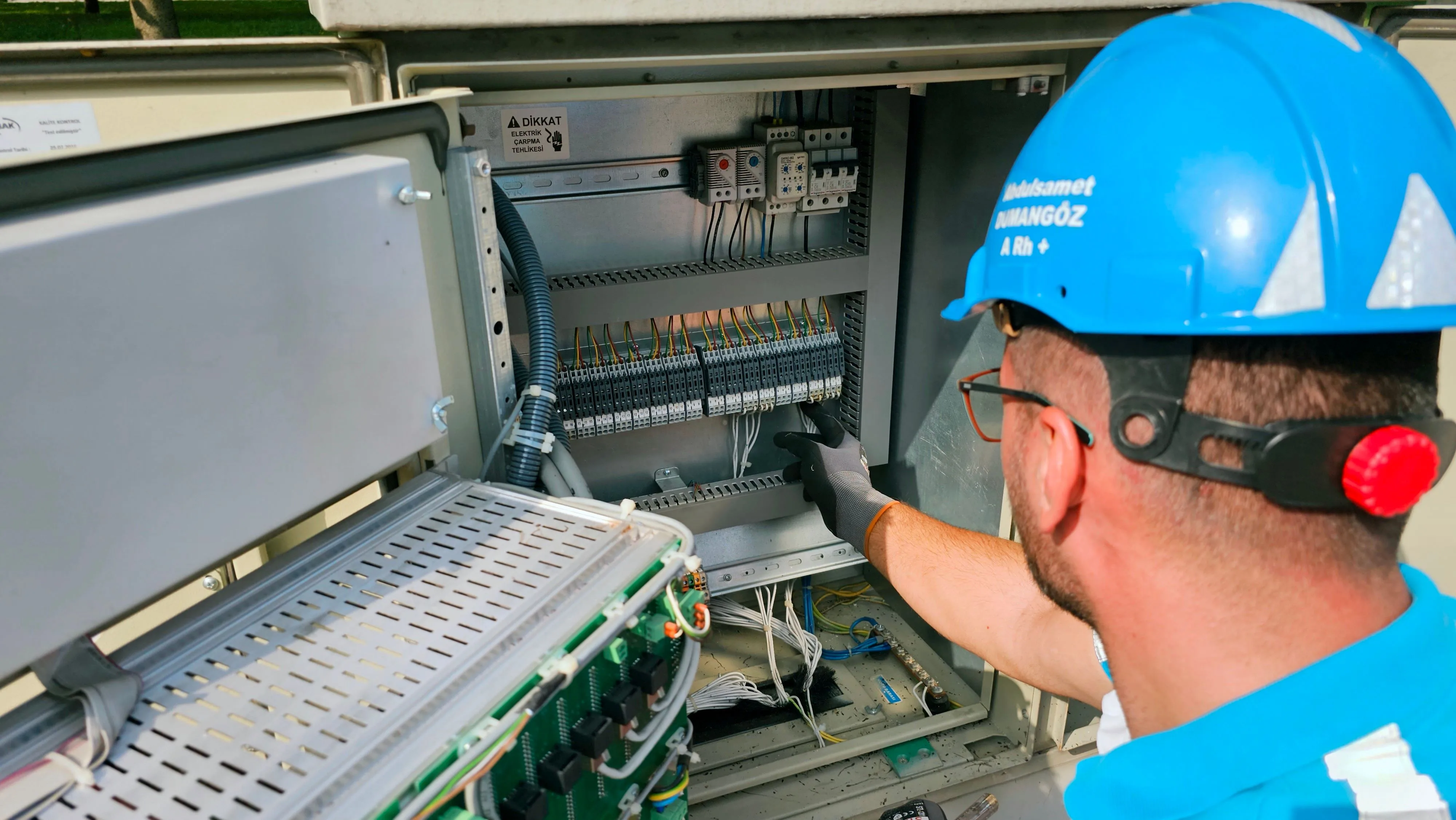
Outdoor circuit tripping, or a GFCI that will not stay on?
The small jobs older homes collect — and the pre-purchase check
Older village homes collect small jobs over the years, and a repair visit is the right time to fold them in once the fault is found. Smoke and carbon monoxide detectors that have reached the end of their life, doorbell wiring that has gone quiet, a detector that chirps for no clear reason — each is a small job on its own, and each is worth settling while an electrician is already at the panel. Our smoke and carbon monoxide detector installation page covers the detector work, and our doorbell and intercom installation page covers the doorbell side.
One household may be buying a village home and want its electrics checked before they commit, and that check is a different visit from a repair. It looks at the panel brand and condition, the wiring type, GFCI coverage, and the small-jobs list — the same ground the repair visit covers, read as a list a buyer can act on. Our electrical inspection service page covers the inspection itself, our pre-listing inspection guide covers the checklist a seller sees, and our how-often-inspection guide covers how often a home should be checked. No village inspection standard is claimed here: the check is the electrician's inspection, reported in plain words.
What the visit checks first, and what to have ready
Electrical repair St. Lucie Village Fort Pierce is settled by the inspection, the symptom read, and the panel verdict — in that order. The visit finds the fault, tests the circuit that feeds it, and traces the symptom to its cause instead of swapping parts and hoping. A tripping breaker, a dead outlet, and a flickering light can each have several causes, and the right fix depends on which one the testing finds.
Bring your street and ZIP 34946, which breaker misbehaves and when it happens, and whether anything feels warm, smells of burning, or buzzes. Tell us whether the home is on a Lagoon-side lot, whether the panel is Federal Pacific, Zinsco, or a fuse box if you know, and whether you are buying, repairing, or adding a circuit. Call (772) 218-3629 any time; we are open 24/7, and same-day service is available. Our St. Lucie Village area page covers the work we do in the village, and the Fort Pierce Electric Pros homepage covers everything else we do in Fort Pierce.
Electrical Repair St. Lucie Village Fort Pierce | 24/7: frequently asked questions
My breaker will not reset. What should I do?
Leave it off and call. A breaker that will not latch may be sitting on a fault it is doing its job to stop, so never hold it on, tape it, or force the handle — forcing it removes the protection the breaker exists to give. Note which breaker it is and what was running when it tripped, then call (772) 218-3629. The visit tests the breaker, the circuit, and the bus bar before anything is replaced.
How do you tell whether the breaker or the panel is the problem?
Look at the spread. One breaker misbehaving while its neighbours stay cool points to the breaker itself — it trips on its own, runs hot on its own, or buzzes from its own slot. Trouble that reaches across the box points to the panel: several breakers warm at once, buzzing that cannot be traced to a single slot, or a main breaker that runs hot. A scorched breaker also raises the bus-bar question, which only an inspection answers.
My panel is full. Does that mean I need a replacement?
Not always. A panel that is sound but full usually takes a subpanel, which adds room for a new circuit. Replacement fits when the panel itself is the problem — aged, damaged, full, or overloaded — or when the brand is Federal Pacific, Zinsco, or a fuse box, which is a replace-first stop condition. The inspection looks at the panel, the wiring, and the load calculation together, and shows you each piece before it recommends a route.
What does salt air do to Lagoon-side circuits?
Salt air works on connections over time, loosening them and corroding the metal, and a loose connection runs hot under normal load — the heat behind tripping and flickering. Lagoon-side circuits carry that exposure daily, so the visit checks the runs, the entry fittings, and the GFCI protection on each circuit. A GFCI that trips is doing its job, and the visit finds whether the trip comes from a genuine fault or a device that has simply worn out.
I am buying a village home. What does the pre-purchase check look at?
It looks at the panel brand and condition, the wiring type, the grounding, the GFCI coverage, and the small jobs the home has collected — detectors and doorbell wiring. You leave with a plain-words list: what is sound, what will need work soon, and what should be priced into the decision. If the home only needs a few GFCI outlets and a detector check, the report says that, and if it needs a panel decision, the report says why.
What should I tell you when I call about a repair in the village?
Your street and ZIP 34946, which breaker misbehaves and when it happens, and whether anything feels warm, smells of burning, or buzzes. Tell us whether the home sits on a Lagoon-side lot, whether the panel is Federal Pacific, Zinsco, or a fuse box if you know, and whether you are buying, repairing, or adding a circuit. With those answers, the call ends with a clear scope, and the exact figure for your home is held for the call.
Ready to talk?